RWA

RWA (Real World Assets) refers to the tokenization of tangible assets—such as real estate, private credit, and government bonds—on the blockchain. By bringing traditional financial instruments on-chain, RWA protocols like Ondo and Centrifuge provide DeFi users with stable, real-yield opportunities. In 2026, the RWA sector is a multi-trillion-dollar bridge between TradFi and DeFi, enabling fractional ownership and global liquidity for previously illiquid assets. Follow this tag for insights into on-chain credit markets, regulatory compliance, and asset-backed security innovations.

42977 Articles
Created: 2026/02/02 18:52
Updated: 2026/02/02 18:52
Secret Menus And Special Creations Build U.S. Open Food Buzz

Secret Menus And Special Creations Build U.S. Open Food Buzz

The post Secret Menus And Special Creations Build U.S. Open Food Buzz appeared on BitcoinEthereumNews.com. The Gangnam Style Crispy Chicken Sandwich from COQODAQ’s CQDQ at the 2025 U.S. Open. Kelsey Cherry The orange boxes of Coqodaq’s famed chicken nuggets fill the grounds at the U.S. Open. What’s less known is there’s also a black-bagged secret menu Black Truffle Sandwich available to the masses in the CQDQ food court location. Pasta Raman has a secret Japanese sando at its new site, just a few stalls down. And the limited-edition offerings from Michelin-starred and acclaimed chefs and eateries abound at the U.S. Open give fans a fresh food wrinkle on site. “I’ve heard it said this is a food festival we just happen to play tennis at,” Robbie Felice, owner of Pasta Raman, tells me. “This is the biggest pop up I’ve ever done. It’s really awesome. It’s incredible and a lot to take in. I’m excited about all of it.” Creating energy around food for what has turned into a three-week event is all part of the plan. “With the pop ups and social piece, people are going crazy,” Ron Krivosik, Levy vice president and chef and one of the leaders of the food experience at the U.S. Open, tells me. “People know they can come here and get great food. They look for what’s interesting and fun and CQDQ and Robbie, the way they are offering a secret menu, people on social search for it and that creates energy.” The Taco Cochinita at the U.S. Open from Oyamel by Jose Andres Group. Oyamel x Dobel Tequila Paul Schwartz, Levy vice president, tells me the off-menu items help give restaurants a new way to interact with fans on social media while giving those on site the opportunity to “experience something special.” Secret or not, a bevy of U.S. Open-specific menu items help create allure. Coqodaq/CQDQ In…

Author: BitcoinEthereumNews
Trump-Linked WLFI Token Set for Trading Debut on Ethereum

Trump-Linked WLFI Token Set for Trading Debut on Ethereum

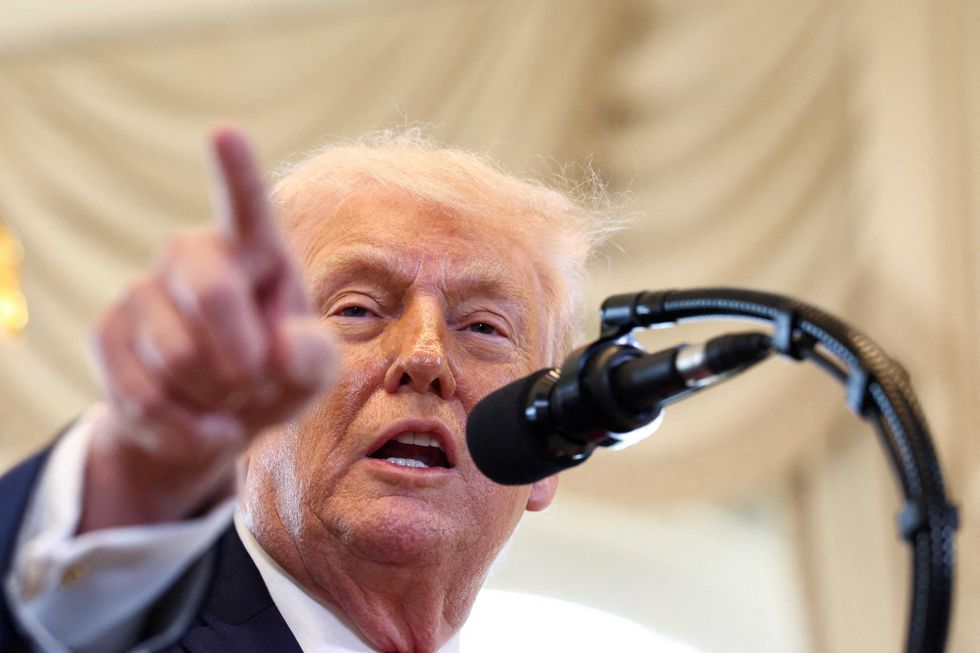
The post Trump-Linked WLFI Token Set for Trading Debut on Ethereum appeared on BitcoinEthereumNews.com. Crypto News WLFI, the Trump-associated crypto project, will open trading on September 1 with community-governed supply and new exchange listings. World Liberty Financial, a blockchain project tied to Donald Trump’s family, is about to take a major step forward. On September 1, its WLFI token will begin public trading for the first time since the presale rounds that took place last year. Until now, WLFI could only be used for governance votes, leaving investors without an open market. The new phase marks the token’s transition to full tradability and price discovery. From Presale to Public Trading According to the project’s August 22 announcement, WLFI will debut on the Ethereum network with 20% of presale allocations available for early investors who joined at $0.015 and $0.05. The remaining 80% won’t follow an automatic vesting schedule. Instead, holders themselves will decide through community governance votes, a design meant to align token supply with collective interest rather than fixed deadlines. The founding team and advisors will remain under lock as part of the vesting plan, a move intended to prevent large early sell-offs. Leaders of the project emphasize that this governance-driven model aims to encourage long-term commitment and sustainable market growth. The Lockbox System To manage distribution, WLFI introduced the Lockbox system, a wallet-based portal where investors must activate their accounts before receiving their balances. Once activated, the presale balances are transferred into the Lockbox for controlled claiming. The system, audited by Web3 security firm Cyfrin, reflects the project’s focus on maintaining an “audit-only” standard for asset handling. The Lockbox opened on August 25, giving investors one week to prepare before official trading begins. Fresh Opportunities Beyond the Traditional Ones While WLFI prepares for its big launch, investors are also paying attention to new emerging projects making noise in the industry. MAGACOIN FINANCE,…

Author: BitcoinEthereumNews
Major New Move From Trump-Linked Crypto Company

Major New Move From Trump-Linked Crypto Company

World Liberty Financial, a blockchain project tied to Donald Trump’s family, is about to take a major step forward. On […] The post Major New Move From Trump-Linked Crypto Company appeared first on Coindoo.

Author: Coindoo
BNB Staking ETF: Revolutionary Opportunity Unlocked by Rex Shares Filing

BNB Staking ETF: Revolutionary Opportunity Unlocked by Rex Shares Filing

BitcoinWorld BNB Staking ETF: Revolutionary Opportunity Unlocked by Rex Shares Filing The cryptocurrency world is buzzing with truly exciting news: U.S. asset management firm Rex Shares has filed for a groundbreaking BNB staking ETF. This pivotal development, confirmed by Bloomberg ETF senior analyst Eric Balchunas, could fundamentally change how traditional investors engage with digital assets. It offers a regulated, accessible pathway to participate in the often-lucrative world of crypto staking, bridging the gap between conventional finance and decentralized opportunities. What Exactly is a BNB Staking ETF and Why Does It Matter? An Exchange-Traded Fund (ETF) is an investment fund traded on stock exchanges, much like stocks. It typically holds assets like stocks, commodities, or bonds. However, a BNB staking ETF is a unique beast. It would hold BNB tokens and actively stake them to earn rewards, passing these benefits on to the ETF shareholders. Here’s why this matters significantly: Accessibility: It allows investors to gain exposure to BNB staking without directly owning or managing cryptocurrencies. Regulation: Being a regulated financial product, it offers a layer of investor protection and familiarity. Ease of Use: No need to set up crypto wallets, understand staking protocols, or worry about private key security. This innovation could unlock new capital flows into the crypto ecosystem, particularly from institutional investors and those hesitant to navigate the complexities of direct crypto ownership. Understanding the Power of Staking: How Does it Work? Staking, in essence, is the act of locking up cryptocurrency holdings to support the operations of a blockchain network. For Proof-of-Stake (PoS) blockchains like BNB Smart Chain, validators are chosen to create new blocks and validate transactions based on the amount of crypto they have “staked.” In return for their participation and securing the network, stakers earn rewards, often in the form of additional cryptocurrency. For BNB, staking contributes to the security and efficiency of the BNB Smart Chain. Investors who stake their BNB effectively become part of this validation process, earning a yield on their holdings. The potential BNB staking ETF aims to streamline this process, allowing traditional investors to benefit from these rewards without the technical know-how. Rex Shares’ Bold Move: Paving the Way for Broader BNB Staking ETF Adoption Rex Shares is known for its innovative approach to financial products, often targeting niche or emerging markets. Their filing for a BNB staking ETF signals a significant step towards mainstream acceptance of crypto-native yield generation. This move is not just about one specific asset; it sets a precedent for how other proof-of-stake cryptocurrencies might eventually find their way into regulated investment vehicles. Moreover, the involvement of established financial firms like Rex Shares lends credibility to the crypto space. It suggests that the underlying technology and economic models, such as staking, are maturing and becoming attractive to a wider range of investors seeking diversified income streams. This could encourage other asset managers to explore similar offerings, expanding the crypto investment landscape. What Are the Potential Benefits and Challenges for Investors? Investing in a potential BNB staking ETF comes with a unique set of advantages and considerations: Benefits: Diversification: Adds a new asset class and income stream to traditional portfolios. Passive Income: Offers the potential for regular staking rewards without active management. Simplified Access: Trades like a stock, making it easy to buy and sell through standard brokerage accounts. Professional Management: The ETF is managed by experts, handling the complexities of staking and security. Challenges: Regulatory Scrutiny: While the ETF itself is regulated, the underlying crypto market remains dynamic and subject to evolving regulations. Market Volatility: The value of BNB, and thus the ETF, will be subject to the inherent volatility of the cryptocurrency market. Custody Risks: While the ETF structure aims to mitigate this, the underlying digital assets still require secure custody solutions. Fees: ETFs typically charge management fees, which could impact overall returns compared to direct staking. Investors should always conduct thorough due diligence and consider their risk tolerance before investing in any financial product, especially those tied to emerging technologies like cryptocurrency. The filing by Rex Shares for a BNB staking ETF represents a monumental leap forward for cryptocurrency adoption and institutional interest. It offers a glimpse into a future where the innovative yield mechanisms of decentralized finance become accessible through familiar, regulated investment products. This development could truly democratize access to crypto staking, inviting a new wave of investors to participate in the digital economy. Frequently Asked Questions (FAQs) What is a BNB staking ETF? A BNB staking ETF is an Exchange-Traded Fund that holds BNB tokens and stakes them to earn rewards. It allows investors to gain exposure to BNB staking and its potential yields through a regulated, traditional investment vehicle without directly managing cryptocurrencies. Who is Rex Shares? Rex Shares is a U.S. asset management firm known for creating innovative financial products, often focusing on niche or emerging markets. Their filing for a BNB staking ETF highlights their forward-thinking approach to integrating digital assets into traditional finance. What are the main benefits of investing in a BNB staking ETF? Key benefits include simplified access to BNB staking rewards, professional management, diversification for traditional portfolios, and the added layer of investor familiarity and protection offered by a regulated ETF structure. What are the potential risks associated with a BNB staking ETF? Potential risks include the inherent volatility of the cryptocurrency market, regulatory uncertainties surrounding digital assets, management fees, and the specific custody risks associated with holding cryptocurrencies, even within an ETF framework. When might the Rex Shares BNB staking ETF launch? The filing of an ETF does not guarantee immediate approval or launch. The process involves regulatory review and approval by bodies like the SEC, which can take considerable time. Investors should monitor official announcements for updates. Did you find this insight into the potential BNB staking ETF exciting? Share this article with your network and spark a conversation about the future of crypto investing! To learn more about the latest crypto market trends, explore our article on key developments shaping BNB institutional adoption. This post BNB Staking ETF: Revolutionary Opportunity Unlocked by Rex Shares Filing first appeared on BitcoinWorld and is written by Editorial Team

Author: Coinstats
Top Altcoins to Buy in 2025: BlockDAG, Solana, Shiba Inu, and Uniswap Battle for Growth

Top Altcoins to Buy in 2025: BlockDAG, Solana, Shiba Inu, and Uniswap Battle for Growth

With crypto markets heating up again, many are searching for the top altcoin to buy in 2025. It is no longer only about hype, as utility, adoption, and strong community support are shaping the projects worth watching. From practical use cases to presale strength, the coins listed below are building long-term value instead of chasing short-term waves. For those serious about spotting early opportunities, this list provides key names to explore. BlockDAG (BDAG) BlockDAG stands out as the top altcoin to buy in 2025 for several reasons. It combines solid technical design, active community traction, and a presale that has become one of the most followed this year. So far, BlockDAG has raised over $383 million, sold more than 25.4 billion coins, and delivered a return of 2,660% since batch 1. The current presale, batch 29, is priced at $0.0276, making this stage important ahead of the $0.05 launch. Driving this success is BlockDAG’s wider ecosystem, which includes mining hardware, smart contract integration, a detailed dashboard, and the X1 mobile miner app with more than 2.5 million users. One highlight for 2025 is its Ambassador Program.  Unlike common referral systems, it operates as a talent accelerator where participants host events, gain BDAG rewards, access updates, and represent BlockDAG (BDAG) at conferences. This approach provides practical experience and real exposure to blockchain. Alongside 20 confirmed exchange listings and the ongoing rollout of X Series miners, BlockDAG is advancing faster than most presale projects. With a clear roadmap, growing adoption, and features such as Buyer Battles, it is already building momentum that sets it apart. Solana (SOL) Solana remains one of the leading names for those searching for the top altcoin to buy in 2025. Known for its fast transaction speeds and low fees, Solana has built strong positions in NFTs, DeFi, and gaming. Its TPS (transactions per second) levels are among the highest for major Layer 1 blockchains, making it appealing to both developers and users. Although the network faced reliability problems in earlier years, recent updates have improved performance. Key projects and builders are returning, bringing renewed attention and fresh applications. If Solana continues to grow in Web3 gaming and real-world use cases, it may stay competitive in the next market cycle. The price of SOL has already recovered sharply from last year’s lows, though many analysts still see it as undervalued compared to its previous highs. With institutional activity rising and retail users showing renewed interest, Solana is one of the Layer 1s with a clear path to further growth.  Shiba Inu (SHIB) Once viewed only as a meme coin, Shiba Inu is working to change that image. The release of Shibarium, a Layer 2 scaling solution, has lowered gas fees and improved transaction speeds. This upgrade is moving SHIB into a more utility-driven space while attracting developers to its expanding ecosystem. The community remains a major strength, keeping SHIB active and visible across the market. Its ongoing burn mechanism is gradually reducing supply, while partnerships in gaming and retail payments suggest its reach is expanding. For those seeking low-cost entry points with viral potential, SHIB continues to deliver possibilities. It remains unlikely to disappear, and with community backing and infrastructure upgrades, Shiba Inu could regain stronger relevance in the years ahead. Uniswap (UNI) Uniswap holds its place as the largest decentralized exchange, commanding a strong position in global trading. It has processed billions in volume without centralized oversight, showing the resilience and importance of DeFi in the broader financial landscape. The core of Uniswap lies in its protocol, which allows open listing, liquidity provision, and direct wallet trading. With the launch of Uniswap v4 and the development of a dedicated mobile wallet, the team is expanding its reach while preserving its decentralized framework. The UNI coin is gaining renewed attention as governance and possible fee-sharing models are discussed. For those who believe DeFi adoption will strengthen again, UNI provides a proven option. It may not deliver the biggest headlines, but its track record shows reliability and long-term staying power. Closing Thoughts The crypto market is crowded, but meaningful choices often come from projects showing adoption and practical use. BlockDAG brings an expanding ecosystem and a unique Ambassador Program, Solana delivers unmatched speed, Shiba Inu builds fresh relevance through scaling, and Uniswap anchors DeFi with reliability. For those considering the top altcoins to buy in 2025, BlockDAG currently offers the most balanced mix of growth and momentum. Alongside Solana, Shiba Inu, and Uniswap, these projects create a diverse set of options for a forward-looking portfolio. Disclaimer: This content is a sponsored post and is intended for informational purposes only. It was not written by 36crypto, does not reflect the views of 36crypto and is not a financial advice. Please do your research before engaging with the products.The post Top Altcoins to Buy in 2025: BlockDAG, Solana, Shiba Inu, and Uniswap Battle for Growth appeared first on 36Crypto.

Author: Coinstats
Amerikaans consumentenvertrouwen zakt verder weg in augustus, bitcoin blijft opvallend stabiel

Amerikaans consumentenvertrouwen zakt verder weg in augustus, bitcoin blijft opvallend stabiel

Snelle crypto updates? Connect op Instagram! Check onze Instagram Het vertrouwen van Amerikaanse consumenten heeft in augustus opnieuw een knauw gekregen. Het consumentenvertrouwen is een belangrijk meetpunt van de bereidbaarheid van mensen om geld te besteden. Meer onzekerheid betekent minder uitgeven en dus ook beleggen. Uit cijfers van onderzoeksbureau The Conference Board blijkt dat het vertrouwen licht is gedaald ten opzichte van juli. Toch reageert bitcoin (BTC) nog nauwelijks op het nieuws, ondanks de bredere macro-economische zorgen. Consumentenvertrouwen daalt, maar minder dan gevreesd Het consumentenvertrouwen in de VS kwam deze maand uit op 97,4, tegenover een licht opwaarts bijgestelde 98,7 in juli. Daarmee valt het cijfer iets tegen, hoewel economen op een sterkere daling hadden gerekend. Zij voorzagen een afname tot 96,4. De vertrouwensindex bestaat uit twee belangrijke componenten: De ‘present situation index’, die kijkt naar de huidige economische en arbeidsmarktcondities, zakte van 132,8 naar 131,2. De ‘expectations index’, die vooruitblikt op de komende zes maanden, daalde van 76,0 naar 74,8. Dit cijfer blijft onder de belangrijke drempel van 80, wat doorgaans duidt op een verhoogd recessierisico. Volgens Stephanie Guichard, senior econoom bij The Conference Board, blijft vooral het vooruitzicht op de arbeidsmarkt kwetsbaar. “Consumenten zijn pessimistischer geworden over toekomstige baanmogelijkheden en hun inkomensverwachtingen zijn afgezwakt,” aldus Guichard. Toch is er enige compensatie door een iets positievere kijk op toekomstige bedrijfsomstandigheden. Meer data De onderliggende cijfers tonen een genuanceerd beeld. Zo gaven 22% van de respondenten aan dat de huidige economische omstandigheden “goed” zijn, tegenover 20,5% in juli. Tegelijkertijd nam ook het aantal Amerikanen dat de omstandigheden als “slecht” bestempelt toe, van 13,6% naar 14,2%. De arbeidsmarkt laat een vergelijkbaar dubbel beeld zien: het percentage mensen dat banen als “ruim beschikbaar” beschouwt, daalde licht naar 29,7%, terwijl 20% vindt dat banen “moeilijk te vinden” zijn, een stijging ten opzichte van 18,9% in juli. Opvallend is dat consumenten onder de 35 jaar hun vertrouwen het sterkst zagen dalen. De leeftijdsgroep tussen 35 en 55 jaar bleef stabiel, terwijl consumenten boven de 55 jaar zelfs iets optimistischer werden. Ook politieke voorkeur blijkt invloed te hebben: zowel onder Republikeinen als Democraten daalde het vertrouwen, terwijl het sentiment onder onafhankelijke kiezers vrijwel gelijk bleef. Het wijst erop dat het consumentenvertrouwen steeds meer wordt beïnvloed door leeftijd, sociaaleconomische positie en politieke context. De inflatieverwachting onder consumenten is in augustus gestegen naar 6,2% op jaarbasis, tegen 5,7% een maand eerder. Hiermee wordt een trend van drie maanden dalende inflatieverwachtingen doorbroken. Volgens The Conference Board speelden zorgen over tarieven en prijsstijgingen bij voedsel en dagelijkse boodschappen opnieuw een grotere rol in de antwoorden van respondenten. Dit voedt het beeld dat inflatie (hoewel technisch dalend) nog steeds sterk leeft onder het brede publiek. Wat betreft toekomstverwachtingen blijven consumenten somber. Slechts 18,3% verwacht dat hun inkomen de komende zes maanden zal stijgen, een daling vergeleken met 18,7% in juli. Tegelijk verwacht 12,6% een inkomensdaling, tegenover 11,8% een maand eerder. Ook het sentiment over de aandelenmarkt verslechterde iets: 47,4% verwacht een stijging van aandelenprijzen, tegenover 48,9% in juli, terwijl het aantal mensen dat een daling voorziet opliep naar 30,3%. Vooruitblik: consumentenvertrouwen blijft onder druk Op vrijdag komt ook de University of Michigan met een herziene lezing van het consumentenvertrouwen voor augustus. Daarin wordt geen aanpassing verwacht: het voorlopige cijfer bleef staan op 58,6, een forse daling ten opzichte van 61,7 in juli. Deze diepere daling bevestigt het beeld van een consument die zich zorgen maakt over de economische toekomst. Bitcoin toont veerkracht, ondanks macro-economische druk Ondanks het afgenomen vertrouwen van Amerikaanse consumenten blijft bitcoin opvallend stabiel. De koers heeft zich de afgelopen week goed gehouden, met slechts een dalingspercentage van bijna 2%. Dit suggereert dat beleggers voorlopig niet in paniek raken door de matige economische signalen. Wel waren er de afgelopen dagen enkele snelle dalingen zichtbaar, die wijzen op nervositeit binnen de markt. De huidige koers van $111.420 ligt nog altijd zo’n 10,4% onder het all-time high van $124.400, dat op 14 augustus 2025 werd bereikt. Dat is twaalf dagen geleden. Huidige bitcoin-marktcijfers: Huidige koers: $111.420 Dalingen afgelopen week: -1,97% Sats per dollar: 898 Marktkapitalisatie: $2,22 biljoen Bitcoin in goud gemeten: 33,1 ounce Bitcoin t.o.v. goudmarktkap: 9,36% Aantal BTC in bedrijfsreserves: 2.285.604 BTC Waarde bedrijfsreserves: $254,7 miljard Percentage van supply in treasuries: 11,48% Voor nu lijkt bitcoin zijn eigen koers te varen, maar als het consumentenvertrouwen blijft afbrokkelen en ook andere economische indicatoren verslechteren, kan dat op termijn alsnog voor druk zorgen. Best wallet - betrouwbare en anonieme wallet Best wallet - betrouwbare en anonieme wallet Meer dan 60 chains beschikbaar voor alle crypto Vroege toegang tot nieuwe projecten Hoge staking belongingen Lage transactiekosten Best wallet review Koop nu via Best Wallet Let op: cryptocurrency is een zeer volatiele en ongereguleerde investering. Doe je eigen onderzoek. Het bericht Amerikaans consumentenvertrouwen zakt verder weg in augustus, bitcoin blijft opvallend stabiel is geschreven door Robin Heester en verscheen als eerst op Bitcoinmagazine.nl.

Author: Coinstats
The Limits of Inflation Hedges: Gold, Silver, Bitcoin, and Beyond

The Limits of Inflation Hedges: Gold, Silver, Bitcoin, and Beyond

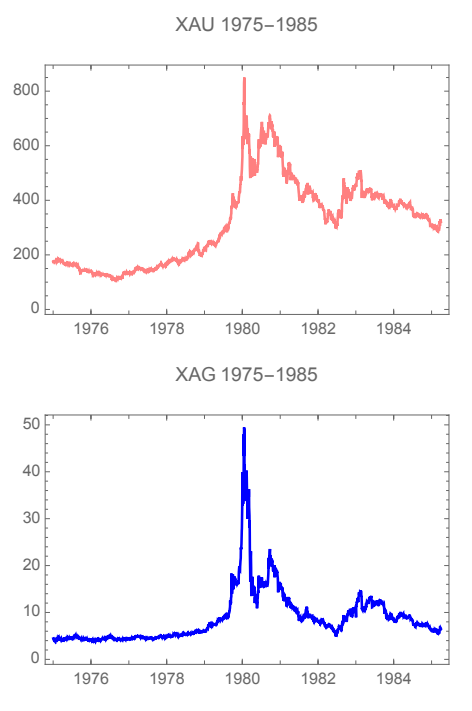
The failings of gold, silver, and cryptocurrencies as stable monetary standards are traced in this article, which also examines the fundamentals of what makes a currency effective. It emphasizes the difficulties in locating a trustworthy inflation hedge and numeraire, from the demise of the gold standard to the instability of Bitcoin. In the end, it makes the case that real currencies need to be able to track products and services, act as a stable medium for commerce and pay, and endure volatility. This explains why fiat currencies continue to dominate while alternatives falter.

Author: Hackernoon
Reducing Drift in GNSS-Denied Environments with Radar Odometry

Reducing Drift in GNSS-Denied Environments with Radar Odometry

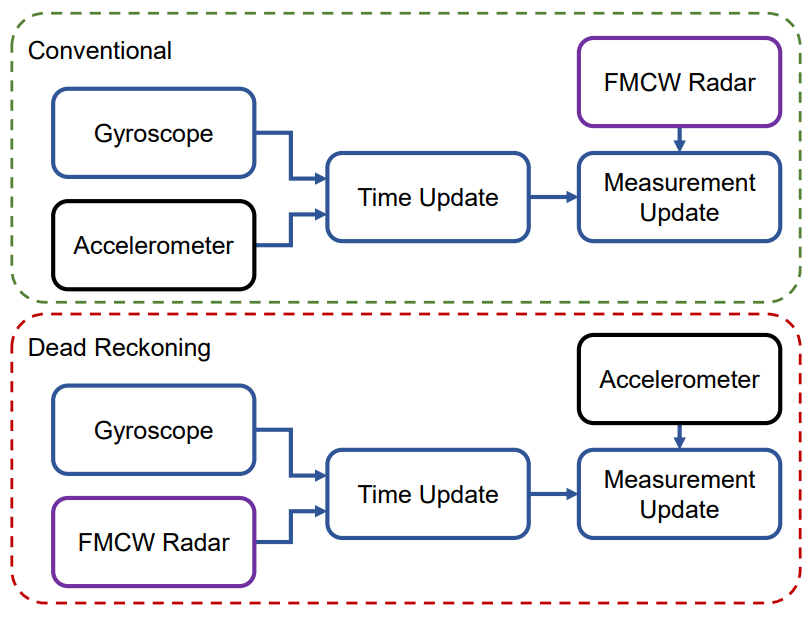
In this paper, a novel radar odometry framework called DeRO is proposed, which computes poses by directly using the Doppler velocity for dead reckoning of a 4D FMCW radar combined with gyroscope data. The error accumulation caused by accelerometer bias and double integration that are present in conventional approaches are avoided with this method. To increase accuracy, the system estimates a radar velocity scale factor and updates measurements in a Kalman filter using accelerometer-measured tilt angles and radar scan matching. In comparison to the most advanced radar-inertial odometry, the approach lowers average position error by 47% and rotation error by 52% when tested on real-world datasets.

Author: Hackernoon
IPFed: A Privacy-Preserving Federated Learning Framework for Face Verification

IPFed: A Privacy-Preserving Federated Learning Framework for Face Verification

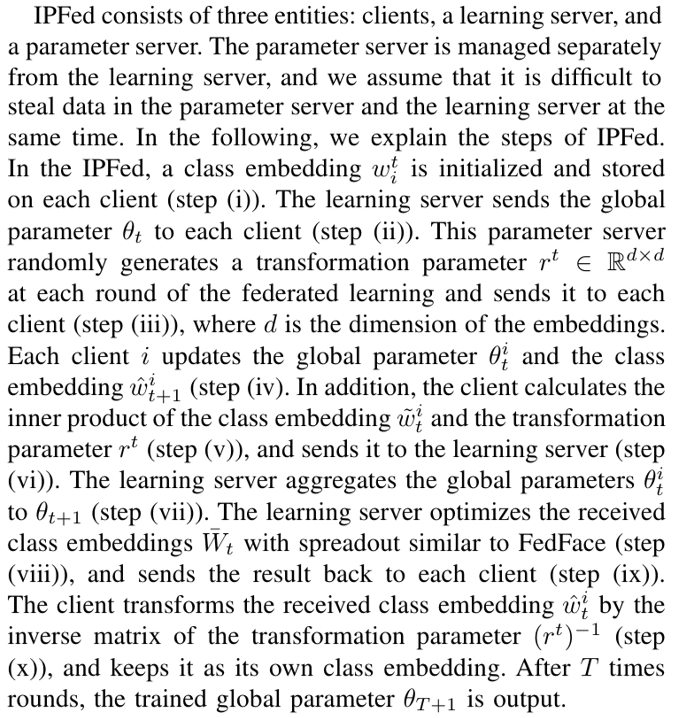
In this paper, we proposed a new method to solve the privacy and accuracy problems described in Sec.II. We called our proposed method Identity Protected Federated Learning (IPFed) In IPFed, the class embedding is multiplied by a random transformation parameter which is secret to the learning server. This makes it possible to perform the optimization while keeping the class embeddeddings secret from any server.

Author: Hackernoon
Struggling with GDPR-Compliant AI? IPFed Delivers Accuracy and Privacy

Struggling with GDPR-Compliant AI? IPFed Delivers Accuracy and Privacy

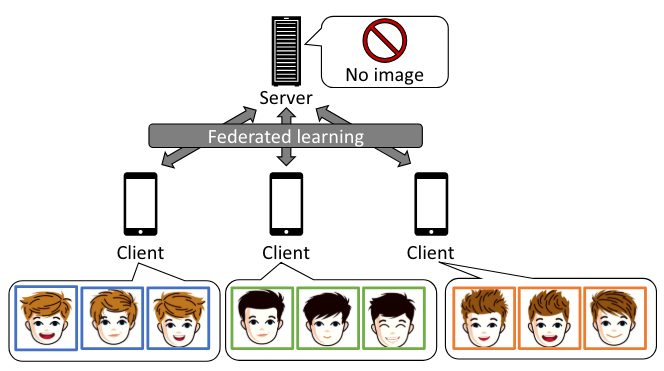
This paper focuses on federated learning for user authentication. We show that it is difficult to achieve both privacy preservation and high accuracy with existing methods. We propose Identity Protected Federated Learning (IPFed) as a solution to this problem.

Author: Hackernoon