RWA

RWA (Real World Assets) refers to the tokenization of tangible assets—such as real estate, private credit, and government bonds—on the blockchain. By bringing traditional financial instruments on-chain, RWA protocols like Ondo and Centrifuge provide DeFi users with stable, real-yield opportunities. In 2026, the RWA sector is a multi-trillion-dollar bridge between TradFi and DeFi, enabling fractional ownership and global liquidity for previously illiquid assets. Follow this tag for insights into on-chain credit markets, regulatory compliance, and asset-backed security innovations.

43196 Articles
Created: 2026/02/02 18:52
Updated: 2026/02/02 18:52

Is Crypto Doomed? Vitalik Buterin Sounds Alarm on Quantum Threat

Is Crypto Doomed? Vitalik Buterin Sounds Alarm on Quantum Threat

While today’s cryptography protects everything from bank accounts to blockchain networks, Buterin says there’s a real risk that quantum machines […] The post Is Crypto Doomed? Vitalik Buterin Sounds Alarm on Quantum Threat appeared first on Coindoo.

Author: Coindoo
Germany, Rwanda boost digital ID; Bhutan shares its success

Germany, Rwanda boost digital ID; Bhutan shares its success

The post Germany, Rwanda boost digital ID; Bhutan shares its success appeared on BitcoinEthereumNews.com. Homepage > News > Business > Germany, Rwanda boost digital ID schemes; Bhutan shares its success The drive to global digital identity adoption picked up pace this week, as Germany’s BundID announced 2 million logins per month, Rwanda revealed more than 3,300 registrations for its upcoming digital ID card, and Bhutan’s digital ID provider partnered with U.S.-firm iDen2 to export the lessons from the country’s successful scheme. German swings and roundabouts The latest data from the German Federal Ministry for Digital Transformation and Government Modernization (Bundesministerium für Digitales und Staatsmodernisierung, or BMDS) contained good and bad news for the country’s “BundID” digital ID scheme. As reported by the AFP news agency on August 23, the BMDS revealed that the number of BundID users had dropped from just under 5.3 million in December 2024 and 6 million in March 2025, to around 4.9 million active accounts by August. “The decline in the number of user accounts can be explained by the automatic deletion of inactive accounts in the first quarter of 2025,” a Ministry spokesperson told AFP. They added that “due to data protection regulations, user accounts must be deleted after 24 months of inactivity.” However, this drop may appear worse than it is, as the fall in users was likely related to accounts opened by pupils and students in 2023, when the BundID required them to receive a 200-euro one-off payment as compensation for the rise in energy prices. The data also showed some positive signs: since May 2025, the number of users has steadily risen again, increasing by around 500k over the past few months. However, an even stronger indicator of progress was that the number of users per month has doubled since 2024, with average logins increasing from around one to two million per month. The BundID is a…

Author: BitcoinEthereumNews
XRP Ledger Hits $131.6M RWA Record as SEC Eyes XRP ETF

XRP Ledger Hits $131.6M RWA Record as SEC Eyes XRP ETF

The post XRP Ledger Hits $131.6M RWA Record as SEC Eyes XRP ETF appeared on BitcoinEthereumNews.com. XRP Ledger Hits Record $131.6M RWA Market Cap The XRP Ledger (XRPL) continues to demonstrate its growing influence in the world of tokenized assets.  According to Messari’s State of XRP Ledger Q2 2025 Report, the XRPL closed the second quarter with an all-time high Real-World Asset (RWA) market capitalization of $131.6 million. This milestone comes on the heels of a series of high-profile RWA issuances, which were first announced at the XRPL Apex event held in Singapore in June 2025. Source: Messari Per the report, “In March, real-world asset  analytics platform RWA.XYZ integrated the XRPL, allowing users to see key metrics regarding RWAs issued on the network. To date, 13 RWAs have been integrated onto RWA.XYZ on the XRPL, though more integrations are planned.” The latest wave of tokenized assets highlights the XRPL’s expanding use cases beyond traditional cryptocurrency trading. Among the notable issuances, Ondo’s OUSG tokenized treasury fund has emerged as a significant player, offering investors blockchain-based exposure to diversified treasury holdings.  The fund aims to combine the transparency and efficiency of the XRPL with the stability of U.S. government securities, catering to both institutional and retail investors. Global investment giant Guggenheim also made waves by issuing digital commercial paper on XRPL, tokenizing short-term debt to harness its speed, low fees, and instant settlement, signaling rising institutional confidence in XRPL for complex financial products. On the ither hand, Ctrl Alt expanded the XRPL’s RWA ecosystem by introducing tokenized real estate, allowing investors to gain fractional ownership in high-value properties.  This innovation brings liquidity, accessibility, and transparency to a traditionally illiquid market, bridging tangible assets with blockchain and broadening XRPL’s appeal to investors seeking security and growth. Therefore, the surge in RWA market cap highlights XRPL’s growing dominance in real-world asset tokenization. Analysts see the ledger emerging as a key…

Author: BitcoinEthereumNews
Pepeto raises $6.4m in presale; Investors assess potential

Pepeto raises $6.4m in presale; Investors assess potential

As the 2025 bull run takes shape, the battle of the frog tokens is heating up, but only one has the tools and fundamentals to outlast the hype. #sponsored

Author: Crypto.news
QCP Capital: Digital assets are gradually becoming a strategic tool for corporate treasury management

QCP Capital: Digital assets are gradually becoming a strategic tool for corporate treasury management

PANews reported on August 29th that Singapore-based crypto investment firm QCP Capital, in its latest report, "New Sources of Income for Corporate Treasury: Digital Assets," noted that digital assets are no longer merely speculative instruments but are increasingly becoming strategic tools for corporate treasury management. Early adopters have incorporated Bitcoin, stablecoins, and other tokens into their reserve assets to enhance liquidity, optimize tax treatment, and achieve forward-looking capital allocation. The report highlights three key reasons why treasury managers favor digital assets: 1. Liquidity as a strategic driver - Blockchain-based markets enable near-instant settlement and deep liquidity, freeing up capital and enhancing operational flexibility. 2. Inflation hedging and value preservation - Major cryptocurrencies have code-based supply rules; Bitcoin's fixed supply of 21 million and Ethereum's deflationary mechanism mean there is no dilution risk. In 2024, digital assets are expected to outperform stocks and gold. 3. Diversification and capital efficiency - The approval of a US spot Bitcoin ETF has driven institutional adoption, and over the past three years, Bitcoin has consistently outperformed the US dollar, gold, and US Treasuries.

Author: PANews
Polkadot: the tokenization of equity in Paraguay revolutionizes real estate

Polkadot: the tokenization of equity in Paraguay revolutionizes real estate

Distribution already underway for the first equity tokens on Polkadot, with 6 million dollars tied to assets in Paraguay.

Author: The Cryptonomist
US Commerce Department Joins Pyth Network and Chainlink for On-Chain GDP Data Publication

US Commerce Department Joins Pyth Network and Chainlink for On-Chain GDP Data Publication

US Commerce Department taps Pyth Network and Chainlink to publish on-chain GDP data to boost accessibility and blockchain adoption in financial reporting.

Author: Blockchainreporter
Poland Inflation: August’s Astonishing Drop to 2.8% Reshapes Economic Outlook

Poland Inflation: August’s Astonishing Drop to 2.8% Reshapes Economic Outlook

BitcoinWorld Poland Inflation: August’s Astonishing Drop to 2.8% Reshapes Economic Outlook In the dynamic world of global finance, macroeconomic shifts can send ripples across various asset classes, from traditional stocks and bonds to the burgeoning cryptocurrency market. Understanding these movements is crucial for investors seeking to make informed decisions. Recently, a significant piece of economic news emerged from Central Europe: Poland inflation recorded an astonishing drop, with the August inflation rate edging lower to 2.8%. This development is not just a local story; it carries profound implications for the European economic outlook, future central bank policy, and how global investors interpret key economic indicators. What Does Poland’s Astonishing Drop in Inflation Mean? The news that Poland’s consumer price index (CPI) inflation fell to 2.8% in August, year-on-year, has caught many analysts by surprise. This figure represents a substantial decrease from previous months and positions Poland as one of the few European nations experiencing such a rapid deceleration in price growth. For context, July’s inflation rate stood at 10.8%, highlighting the dramatic nature of this recent decline. Such a sharp drop suggests that the aggressive monetary tightening measures implemented by the National Bank of Poland (NBP) may finally be bearing fruit, or that other underlying economic factors are at play. For everyday Poles, this could translate to a much-needed reprieve from rising living costs, potentially boosting consumer confidence and spending. For investors, it signals a potential shift in the economic landscape, which could influence currency valuations, bond yields, and even the attractiveness of Polish assets. Decoding the August Inflation Rate: What’s Behind the Numbers? To truly understand the significance of the August inflation rate, we need to look beyond the headline figure. Inflation is a complex phenomenon driven by various components, and a sudden drop can be attributed to several factors: Base Effects: A common driver of sharp drops in year-on-year inflation figures is what economists call ‘base effects’. If inflation was exceptionally high in August of the previous year, then even a moderate increase this year can appear as a significant drop when compared to that high base. Energy Prices: Global energy prices, particularly for oil and natural gas, have a substantial impact on inflation. A decline in these prices, or a stabilization after previous spikes, can quickly bring down overall inflation figures. Food Prices: Similarly, food prices, which constitute a significant portion of household budgets, can fluctuate based on agricultural yields, supply chain efficiencies, and global commodity markets. Government Interventions: Sometimes, government policies, such as subsidies on energy or food, or temporary tax cuts, can artificially suppress inflation figures. Poland has previously implemented such measures, and their continued effect could be a factor. Weakening Demand: Persistent high interest rates can cool consumer demand, leading businesses to slow down price increases or even offer discounts to attract buyers. This demand-side cooling contributes to lower inflation. While the exact breakdown for Poland’s August figures requires deeper statistical analysis, it is likely a combination of these elements. The market will be keenly watching for detailed reports from the NBP to ascertain the sustainability of this trend. Key Inflation Components (Illustrative Example) To give a clearer picture, here’s an illustrative breakdown of how different components might have contributed to the overall August inflation rate drop: Component July YoY Change (%) August YoY Change (%) Contribution to Drop Overall CPI 10.8% 2.8% Significant Energy 8.5% -2.0% High Food & Non-alcoholic Beverages 15.6% 7.0% Moderate Core Inflation (Excluding Food & Energy) 9.0% 7.5% Low Note: These figures are illustrative and serve to demonstrate how different categories might influence the overall inflation rate. Actual data would be released by official statistical offices. How Will This Impact Central Bank Policy in Poland and Beyond? The National Bank of Poland (NBP) has been proactive in combating inflation, raising its benchmark interest rate significantly over the past couple of years. A dramatic fall in Poland inflation to 2.8% provides the NBP with considerable room for maneuver. This could lead to: Interest Rate Cuts: With inflation nearing the NBP’s target range (which is 2.5% +/- 1 percentage point), the central bank might consider cutting interest rates sooner than expected. This would be a dovish pivot, potentially stimulating economic growth by making borrowing cheaper for businesses and consumers. Strengthening Currency: Paradoxically, initial rate cut expectations might weaken the Polish Zloty (PLN) in the short term. However, a stable and predictable inflation environment can attract foreign investment in the long run, strengthening the currency. Policy Divergence: This move could set Poland apart from other major central banks in the Eurozone and the US, which are still grappling with stubbornly high inflation and are either holding rates steady or considering further hikes. Such divergence can create arbitrage opportunities for forex traders. The NBP’s next meeting will be closely watched. Any indication of a shift towards easing monetary policy would send clear signals to markets, affecting not only local assets but also potentially influencing sentiment across the broader European financial landscape. Understanding the Broader European Economic Outlook Poland’s economic performance is an integral part of the larger European economic outlook. While not a Eurozone member, its strong trade ties and geographical proximity mean that its economic health impacts its neighbors and the wider continent. A significant drop in Polish inflation has several implications for Europe: Positive Spillover: If Poland manages to tame inflation without triggering a deep recession, it could serve as a positive example for other European economies still struggling with price stability. This could boost overall confidence in the region’s ability to navigate current economic challenges. Investment Flows: A more stable economic environment in Poland, characterized by lower inflation and potentially lower interest rates, could make it an attractive destination for foreign direct investment (FDI) and portfolio investment. This can benefit not just Poland but also European businesses that trade with or invest in the country. Challenges for the ECB: The European Central Bank (ECB) is still battling elevated inflation within the Eurozone. Poland’s success might put pressure on the ECB to re-evaluate its own strategies, especially if disinflationary trends start to spread more broadly across the continent. However, the diverse economic structures within the Eurozone mean a direct comparison is not always straightforward. For global investors, including those in the crypto space, understanding these macro trends is vital. A stronger, more stable European economy, even outside the Eurozone, contributes to overall global economic health, which can indirectly influence risk appetite and investment in digital assets. Key Economic Indicators to Monitor for Future Trends While the August inflation rate is a crucial data point, it is just one piece of the economic puzzle. Investors and analysts must continue to monitor a range of economic indicators to gauge the sustainability of this disinflationary trend and its broader impact. Here are some key indicators to watch: Core Inflation: This metric excludes volatile items like food and energy, providing a clearer picture of underlying price pressures. If core inflation remains high, the overall drop might be temporary. GDP Growth: How the economy is growing (or contracting) will indicate whether disinflation is occurring alongside healthy growth or due to a slowdown. A ‘soft landing’ is the ideal scenario. Unemployment Rate: A tight labor market can push wages up, which can fuel inflation. Monitoring unemployment will show if the labor market is cooling or overheating. Retail Sales and Consumer Confidence: These indicators provide insights into consumer spending behavior, a major driver of economic activity. Manufacturing PMIs: Purchasing Managers’ Indexes for manufacturing and services sectors offer a forward-looking view of economic activity and business sentiment. Wage Growth: Sustained high wage growth can lead to a wage-price spiral, making it harder to bring down inflation permanently. By keeping an eye on these indicators, market participants can better anticipate future moves by the NBP and assess the true health of the Polish economy, informing their investment strategies across various markets, including the often-reactive crypto market. Actionable Insights for the Savvy Investor What does this mean for you, the astute investor? Here are some actionable insights: Stay Diversified: While specific country data is important, maintaining a diversified portfolio across different asset classes and geographies remains paramount. Monitor Central Bank Communications: Pay close attention to official statements from the NBP. Their forward guidance on interest rates will be a major market mover. Consider Forex Implications: If the NBP cuts rates, the Polish Zloty (PLN) could see volatility. Forex traders might look for opportunities in PLN pairs. Global Macro View: Connect Poland’s situation to the broader global economic narrative. How does this disinflationary trend compare with inflation in the US, Eurozone, or UK? This comparative analysis helps in understanding global capital flows. Crypto Market Sensitivity: Remember that the crypto market often reacts to macro news. A more stable global economic environment, signaled by easing inflation, can sometimes foster greater risk appetite, which might benefit digital assets. Conversely, uncertainty can lead to a flight to safety. Conclusion: A Glimmer of Hope for Economic Stability The dramatic fall in Poland inflation to 2.8% in August is a significant economic event, offering a glimmer of hope for greater price stability in the region. It suggests that, at least in Poland, the tide may be turning against the inflationary pressures that have gripped economies worldwide. While the full implications will unfold over time, this data point profoundly impacts expectations for central bank policy, shapes the evolving European economic outlook, and provides critical insights through various economic indicators for global investors. As we move forward, the focus will shift from the headline number to the underlying drivers and the sustainability of this disinflationary trend. The ability of Poland to maintain this trajectory will be a key determinant of its economic health and its role within the broader European and global financial system. For those navigating the complexities of modern markets, including the volatile world of cryptocurrencies, understanding these fundamental shifts is not just beneficial, but essential. To learn more about the latest Forex market trends, explore our article on key developments shaping global interest rates and institutional adoption. This post Poland Inflation: August’s Astonishing Drop to 2.8% Reshapes Economic Outlook first appeared on BitcoinWorld and is written by Editorial Team

Author: Coinstats
Hong Kong Crypto Investment: LineKong’s Bold $7.85M Digital Asset Surge

Hong Kong Crypto Investment: LineKong’s Bold $7.85M Digital Asset Surge

BitcoinWorld Hong Kong Crypto Investment: LineKong’s Bold $7.85M Digital Asset Surge In a move that has captured the attention of the global financial world, Hong Kong-listed company LineKong recently announced a substantial Hong Kong crypto investment. During the first half of the year, this prominent firm acquired approximately $7.85 million worth of various cryptocurrencies. This strategic decision highlights a growing trend of traditional companies venturing into the digital asset space, signaling increasing institutional confidence in the crypto market. Why This Bold Hong Kong Crypto Investment? LineKong’s significant foray into digital assets isn’t just a random purchase; it represents a calculated strategy. The company’s acquisition of 63 BTC, 330.5 ETH, and 6,691.7 SOL demonstrates a diversified approach to digital asset management. This bold Hong Kong crypto investment suggests a belief in the long-term value and potential of cryptocurrencies as part of a modern investment portfolio. Diversification: Companies often seek to diversify their treasury holdings beyond traditional fiat currencies. Inflation Hedge: Cryptocurrencies, particularly Bitcoin, are increasingly viewed as a hedge against inflation. Future Growth: Investing in leading digital assets positions the company to benefit from the burgeoning Web3 and blockchain economy. This strategic move by a publicly traded entity from Hong Kong sends a strong signal about the evolving perception of digital assets in mainstream finance. Understanding LineKong’s Digital Asset Choices LineKong’s specific selection of Bitcoin (BTC), Ethereum (ETH), and Solana (SOL) is quite telling. Each of these cryptocurrencies plays a distinct role in the digital asset ecosystem and offers different investment theses. Bitcoin (BTC): As the original and largest cryptocurrency by market capitalization, Bitcoin is often seen as ‘digital gold’ – a store of value. Its finite supply and robust network security make it an attractive long-term holding. Ethereum (ETH): Ethereum powers a vast ecosystem of decentralized applications (dApps), NFTs, and decentralized finance (DeFi) protocols. Its utility and ongoing development, including the transition to Ethereum 2.0, position it as a foundational layer for the future of the internet. Solana (SOL): Known for its high transaction speeds and low fees, Solana is a strong competitor in the smart contract platform space. Its growing developer community and innovative technology make it an attractive asset for those looking at high-performance blockchain solutions. By investing in these top-tier assets, LineKong is betting on the established leaders and promising innovators in the crypto space. This prudent selection underscores a sophisticated understanding of the market dynamics. Broader Implications of This Hong Kong Crypto Investment What does LineKong’s significant Hong Kong crypto investment mean for the wider market? This action could very well serve as a catalyst for other corporations, particularly those in Asia, to explore similar ventures. When a publicly listed company makes such a move, it adds a layer of legitimacy and reduces perceived risk for other potential institutional investors. Moreover, Hong Kong has been proactive in establishing a clear regulatory framework for digital assets. This supportive environment likely encourages companies like LineKong to make such bold moves. Increased institutional participation often leads to greater market stability, liquidity, and further innovation within the cryptocurrency sector. It truly marks a pivotal moment for digital asset adoption in the region. Navigating the Future of Hong Kong Crypto Investment While the prospect of significant returns is appealing, making a Hong Kong crypto investment also comes with inherent challenges. The cryptocurrency market is known for its volatility, and regulatory landscapes can shift. Companies must carefully assess their risk tolerance and stay informed about market developments and compliance requirements. However, the benefits often outweigh the risks for forward-thinking companies. By embracing digital assets, businesses can unlock new avenues for growth, enhance their treasury management strategies, and align themselves with the future of finance. LineKong’s move serves as a compelling example of how traditional businesses are adapting to the digital age, paving the way for broader acceptance and integration of cryptocurrencies. LineKong’s substantial $7.85 million Hong Kong crypto investment in Bitcoin, Ethereum, and Solana marks a significant milestone for institutional adoption in Asia. This strategic move highlights the growing confidence of publicly listed companies in digital assets as a legitimate and valuable component of their investment portfolios. As more firms follow suit, we can expect a continued evolution of the financial landscape, driven by innovation and a bold embrace of the digital frontier. It’s a clear signal that cryptocurrencies are here to stay, becoming an undeniable part of global corporate strategy. Frequently Asked Questions (FAQs) What is LineKong and why did it make this investment? LineKong is a Hong Kong-listed company. It made this substantial Hong Kong crypto investment to diversify its treasury holdings, potentially hedge against inflation, and capitalize on the long-term growth potential of the digital asset market. Which specific cryptocurrencies did LineKong purchase? LineKong acquired 63 Bitcoin (BTC), 330.5 Ethereum (ETH), and 6,691.7 Solana (SOL) as part of its $7.85 million investment. What does this investment signify for institutional crypto adoption? This move by a publicly traded company in Hong Kong signals increasing institutional confidence in cryptocurrencies. It could encourage other corporations to explore similar digital asset investments, further legitimizing the crypto market. Are there risks associated with a Hong Kong crypto investment? Yes, like any investment, cryptocurrencies come with risks, primarily market volatility and evolving regulatory environments. Companies must conduct thorough due diligence and manage their risk exposure carefully. How does Hong Kong’s regulatory environment impact such investments? Hong Kong has been working to establish a clearer regulatory framework for digital assets. This progressive stance likely provides a more stable and encouraging environment for companies like LineKong to make significant crypto investments. What could be the long-term impact of LineKong’s crypto purchase? The long-term impact could include increased market stability, greater liquidity, and accelerated innovation within the cryptocurrency sector, as more institutional players contribute to its development and adoption. If you found this article insightful, consider sharing it with your network! Help us spread the word about the exciting developments in the world of digital assets and institutional adoption. To learn more about the latest crypto market trends, explore our article on key developments shaping Bitcoin and Ethereum institutional adoption. This post Hong Kong Crypto Investment: LineKong’s Bold $7.85M Digital Asset Surge first appeared on BitcoinWorld and is written by Editorial Team

Author: Coinstats
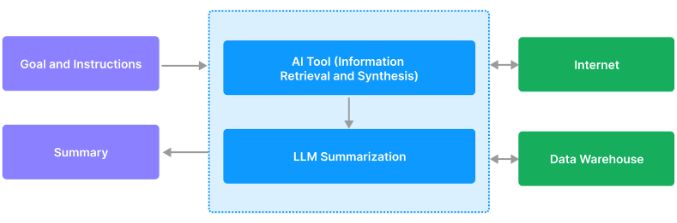
Agentic AI May Be A Better Summary Tool Than You Realize

Agentic AI May Be A Better Summary Tool Than You Realize

New artificial intelligence systems, called agentic AI, are taking over to produce trustworthy, understandable, and significant summaries. From 1 (poor) to 5 (excellent), assign a score to each component (such as clarity or accuracy)

Author: Hackernoon