Lending

Lending protocols form the backbone of the decentralized money market, allowing users to lend or borrow digital assets without intermediaries. Using smart contracts, platforms like Aave and Morpho automate interest rates based on supply and demand while requiring over-collateralization for security. The 2026 lending landscape features advanced permissionless vaults and institutional-grade credit lines. This tag covers the evolution of capital efficiency, liquidations, and the integration of diverse collateral types, including LSTs and tokenized RWAs.

14225 Articles
Created: 2026/02/02 18:52
Updated: 2026/02/02 18:52
RedStone acquires Credora to launch DeFi risk oracle

RedStone acquires Credora to launch DeFi risk oracle

The post RedStone acquires Credora to launch DeFi risk oracle appeared on BitcoinEthereumNews.com. Blockchain oracle provider RedStone announced on Thursday that it is acquiring decentralized credit specialist Credora to create a unified service offering real-time pricing data alongside risk assessments for decentralized finance (DeFi) markets. The merged platform will operate under the brand Credora by RedStone. Credora, originally founded as X-Margin in 2019, offers privacy-preserving credit risk technology. The platform applies trusted execution environments and zero-knowledge proofs to generate standardized credit ratings without exposing sensitive financial information. The company has raised funding from major backers including Coinbase Ventures, Hashkey, and S&P Global, and has already facilitated more than $1 billion in uncollateralized loans across centralized and decentralized platforms. RedStone currently provides oracle feeds across more than 110 blockchains and rollups, securing over $10 billion in value locked with no reported mispricing incidents. By integrating Credora’s independent ratings, RedStone aims to extend its role from data delivery to actionable intelligence for lending and yield strategies. Co-founder Marcin Kazmierczak said in a statement that “As DeFi yield strategies grow more complex, users need a simple way to navigate beyond headline APYs. Ratings provide that clarity.” The companies said rated DeFi strategies such as Morpho Vaults have grown up to 25% faster than unrated peers, underscoring user demand for risk-aware tools. Credora’s co-founders Darshan Vaidya and Matt Ficke will join RedStone as strategic advisors to support integration. The relaunch of Credora ratings is expected to include public access and API distribution across RedStone’s oracle network, bringing dynamic, data-backed risk scores directly to DeFi protocols. This is a developing story. This article was generated with the assistance of AI and reviewed by editor Jeffrey Albus before publication. Get the news in your inbox. Explore Blockworks newsletters: Source: https://blockworks.co/news/redstone-acquires-credora

Author: BitcoinEthereumNews
Wyoming Hedera Stablecoin: A Monumental Breakthrough for State-Backed Digital Currency

Wyoming Hedera Stablecoin: A Monumental Breakthrough for State-Backed Digital Currency

BitcoinWorld Wyoming Hedera Stablecoin: A Monumental Breakthrough for State-Backed Digital Currency The digital finance landscape is constantly evolving, and a groundbreaking development is unfolding in the heart of the American West. Wyoming, known for its forward-thinking approach to blockchain, has made a significant move by selecting Hedera (HBAR) as a candidate network for its state-backed stablecoin. This pivotal decision positions the Wyoming Hedera stablecoin initiative at the forefront of state-level digital currency innovation, capturing the attention of crypto enthusiasts worldwide. Why is Hedera the Chosen Network for Wyoming’s Stablecoin? Wyoming’s Stable Token Commission (WYST) officially announced Hedera’s selection for the Frontier Stable Token (FRNT), highlighting its unique capabilities. Indeed, Hedera was the sole network that fully satisfied the commission’s stringent criteria. These requirements centered on crucial factors like exceptional speed, unwavering reliability, and robust regulatory compliance, which are paramount for any state-backed financial instrument. This selection is a testament to Hedera’s underlying technology, the Hashgraph consensus mechanism. Unlike traditional blockchains, Hashgraph offers high transaction throughput and near-instant finality, making it ideal for high-volume, secure financial operations. Furthermore, Hedera’s governance model, managed by a diverse council of global organizations, instills confidence regarding its long-term stability and integrity. This combination of technical prowess and sound governance made the Wyoming Hedera stablecoin partnership a clear choice. What Exactly is the Frontier Stable Token (FRNT)? The FRNT token, which was issued just last month, represents a significant step towards a regulated digital dollar. It is meticulously designed to be 100% backed by U.S. dollars and short-term U.S. Treasury bills, ensuring its inherent stability and trustworthiness. This robust backing structure aims to provide users with absolute confidence, knowing that each FRNT token holds a tangible, equivalent value in traditional, liquid assets. The transparent nature of its reserves is paramount for fostering trust in this novel state-backed digital asset. By offering such clarity and a strong peg, the FRNT token seeks to mitigate the volatility often associated with other cryptocurrencies, positioning itself as a reliable medium of exchange and store of value within Wyoming’s economy. This commitment to stability is a core principle of the Wyoming Hedera stablecoin project. The Monumental Advantages of a Wyoming Hedera Stablecoin The decision to pursue a Wyoming Hedera stablecoin brings a host of potential benefits, not just for the state but also for the broader digital economy. This pioneering effort could unlock new avenues for financial efficiency and innovation. Enhanced Financial Efficiency: Stablecoins have the power to streamline payments, significantly reduce transaction costs, and accelerate settlement times for businesses and individuals operating within Wyoming. Regulatory Clarity: By issuing a state-backed stablecoin, Wyoming proactively provides a clear regulatory framework. This clarity can attract more blockchain businesses and investment, fostering economic growth and job creation. Innovation Showcase: This initiative boldly positions Wyoming as a leading hub in financial technology. It demonstrates a forward-thinking, proactive approach to integrating digital assets into its core economic infrastructure, setting an example for other states. Increased Trust: The 100% backing by U.S. dollars and Treasury bills, combined with explicit state oversight, is intended to instill a far higher level of trust compared to many privately issued stablecoins. What Challenges Might the Wyoming Hedera Stablecoin Face? While the prospects are undoubtedly exciting, the journey for the Wyoming Hedera stablecoin is not without its potential challenges. Navigating these obstacles will be key to its long-term success and widespread acceptance. Adoption Hurdles: Educating the public and encouraging widespread adoption among businesses and residents will be a crucial, ongoing effort. Familiarity with traditional finance is deeply ingrained, requiring clear communication and tangible benefits. Technical Integration: Integrating the FRNT token seamlessly into existing financial systems, point-of-sale terminals, and consumer applications requires significant development, collaboration, and ongoing maintenance. Evolving Regulations: The regulatory landscape for digital assets is dynamic and constantly changing at both state and federal levels. This necessitates continuous monitoring, adaptation, and potential policy adjustments. Competition: Other stablecoins and digital payment solutions already exist and are widely used. FRNT will need to demonstrate unique value, superior efficiency, or specific benefits tailored to Wyoming to gain significant traction. A Blueprint for the Future: Wyoming’s Stablecoin Impact Wyoming’s pioneering move with Hedera could serve as a vital blueprint for other states and even nations considering their own digital currencies. This real-world application of advanced blockchain technology by a governmental entity provides invaluable insights into the practicalities, benefits, and challenges of state-backed stablecoins. It represents a tangible step towards bridging the gap between traditional finance and the burgeoning digital asset economy. As more states and central banks explore digital transformation, the success and lessons learned from the Wyoming Hedera stablecoin project will undoubtedly be closely watched and analyzed. It marks a significant step towards mainstream acceptance and integration of digital assets within established financial systems, potentially accelerating a global shift towards more efficient and transparent financial infrastructures. Conclusion: A New Era for State-Backed Digital Assets The selection of Hedera by Wyoming for its state stablecoin is a landmark event in the cryptocurrency space. It underscores a growing recognition of blockchain’s immense potential to revolutionize financial systems and provides a tangible example of regulatory bodies actively embracing digital innovation. This bold step by Wyoming, leveraging Hedera’s robust and compliant platform, could very well pave the way for a new era of state-backed digital currencies, blending the inherent stability of traditional finance with the efficiency and transparency of decentralized technology. The future of finance is certainly looking more digital, and Wyoming is confidently leading the charge. Frequently Asked Questions (FAQs) 1. What is the Frontier Stable Token (FRNT)? The Frontier Stable Token (FRNT) is Wyoming’s official state-backed stablecoin, designed to provide a stable digital currency for transactions within the state’s economy. 2. Why did Wyoming choose Hedera for its stablecoin? Wyoming selected Hedera because it was the only network that met the state’s strict requirements for speed, reliability, and regulatory compliance, crucial factors for a state-backed digital asset. 3. How is the FRNT token backed? The FRNT token is 100% backed by U.S. dollars and short-term U.S. Treasury bills, ensuring its stability and trustworthiness by pegging its value to traditional, liquid assets. 4. What are the potential benefits of the Wyoming Hedera stablecoin? Benefits include enhanced financial efficiency, greater regulatory clarity for blockchain businesses, a showcase of state-level innovation, and increased user trust due to its robust backing and state oversight. 5. Could other states follow Wyoming’s example? Yes, Wyoming’s pioneering initiative with the Wyoming Hedera stablecoin could serve as a vital blueprint for other states and even nations considering their own digital currencies, offering valuable insights into implementation and benefits. What are your thoughts on Wyoming’s groundbreaking move with Hedera? Share this article with your network and join the conversation about the future of state-backed digital currencies! To learn more about the latest crypto market trends, explore our article on key developments shaping stablecoin institutional adoption. This post Wyoming Hedera Stablecoin: A Monumental Breakthrough for State-Backed Digital Currency first appeared on BitcoinWorld and is written by Editorial Team

Author: Coinstats
Top Crypto to Buy for September, ETH for Steady Gains or a DeFi Crypto Poised for 60x Upside

Top Crypto to Buy for September, ETH for Steady Gains or a DeFi Crypto Poised for 60x Upside

Ethereum (ETH) has earned its place as one of the strongest names in the digital asset space. Its network stability, vast ecosystem of decentralized applications, and strong institutional adoption make it an obvious choice for those who want steady, reliable exposure to the market. For many, ETH is the “blue chip” of crypto investing, offering [...] The post Top Crypto to Buy for September, ETH for Steady Gains or a DeFi Crypto Poised for 60x Upside appeared first on Blockonomi.

Author: Blockonomi
RedStone acquires Coinbase-backed Credora to deliver combined real-time pricing and risk oracle

RedStone acquires Coinbase-backed Credora to deliver combined real-time pricing and risk oracle

The post RedStone acquires Coinbase-backed Credora to deliver combined real-time pricing and risk oracle appeared on BitcoinEthereumNews.com. Key Takeaways RedStone announced the acquisition of Credora to launch a unified real-time pricing and risk oracle for DeFi. The merger will offer transparent, on-chain risk ratings, aiming to drive greater adoption and faster growth in DeFi protocols. Blockchain oracle provider RedStone is acquiring Credora to create the first comprehensive platform offering real-time pricing and risk data for decentralized finance markets, the company announced Thursday. Backed by S&P Global and Coinbase, Credora is a DeFi technology company providing advanced credit risk assessment through a secure, privacy-preserving oracle system. Using trusted execution environments, the platform protects sensitive data while delivering transparent and standardized credit ratings. Pending standard approvals, the combined entity will take the name Credora by RedStone and debut the first oracle-driven framework for rating risks tied to assets and yield strategies in DeFi. With the acquisition, RedStone aims to expand its services for DeFi protocols and users, and make DeFi safer, more transparent, and better prepared for institutional adoption, said co-founder Marcin Kazmierczak in a statement. “Credora is the leading DeFi ratings provider, widely used in Morpho and poised to expand across the broader lending ecosystem,” Kazmierczak stated. “Ratings are a natural extension of our services: we gather and deliver data on-chain, and transparent ratings transform it into actionable intelligence. As DeFi yield strategies grow more complex, users need a simple way to navigate beyond headline APYs. Ratings provide that clarity. This is a foundational step towards making DeFi safer and ready for institutional scale,” he added. Data indicates that rated DeFi strategies, such as Morpho Vaults, have grown up to 25% faster than unrated strategies, demonstrating user demand for risk assessment tools. “We’ve always believed that risk transparency is the cornerstone of sustainable DeFi,” said Darshan Vaidya, founder of Credora. “Joining forces with RedStone allows us to scale…

Author: BitcoinEthereumNews
RedStone to Acquire Credora, Debuts First Oracle-Powered DeFi Risk Ratings

RedStone to Acquire Credora, Debuts First Oracle-Powered DeFi Risk Ratings

RedStone, one of DeFi’s fastest-growing oracle networks, said it will acquire Credora, an on-chain credit-rating platform backed by Coinbase Ventures, S&P and HashKey, in a deal subject to approval. In a press release shared with CryptoNews the firms said the combined product will operate as “Credora by RedStone” and, according to the companies, will introduce the industry’s first oracle-powered risk-rating framework for assets and yield strategies across decentralized finance. The integration aims to give protocols and allocators a single pipe for real-time prices and real-time risk. Company data cited by RedStone indicates DeFi strategies carrying a rating—such as Morpho Vaults—have grown as much as 25%faster than unrated peers, suggesting measurable user demand for standardized risk signals. Deal Details and Product Scope Credora’s ratings methodology is built for crypto markets, assessing collateral composition, liquidity, volatility, governance parameters and market structure. RedStone said it will feed those risk metrics alongside its price oracles, creating a unified interface for protocols to query both price and risk in one call. RedStone explains its feeds have recorded no historical mispricing events, positioning data integrity as a selling point for institutions evaluating on-chain exposure. “This acquisition allows RedStone to expand services for DeFi protocols and users. Today, Credora is the leading DeFi ratings provider, widely used in Morpho and poised to expand across the broader lending ecosystem,” Marcin Kazmierczak, RedStone co-founder, told me. “Ratings are a natural extension of our services: we gather and deliver data on-chain, and transparent ratings transform it into actionable intelligence.” Why It Matters for DeFi DeFi lacks a common language for risk. Traditional ratings firms built models around corporate and sovereign debt; those frameworks often miss crypto-native dynamics like composability, cross-chain bridges and programmatic liquidations. The companies say “Credora by RedStone” is designed for these mechanics, with a Consensus Ratings Protocolintended to update as collateral mixes and liquidity conditions shift. By surfacing standardized scores next to live pricing, lending markets could tune parameters dynamically—for example, adjusting loan-to-value caps, interest bands or reserve factors as underlying risks change—rather than relying on static assumptions or informal heuristics. Institutional Angle Institutional interest in on-chain assets is widening—from stablecoins and tokenized bonds to private credit and reinsurance structures—raising the bar on risk transparency. The firms position the tie-up as a step toward a crypto-native analogue of S&P or Moody’s, with transparency and on-chain verifiability as core design principles. “We’ve always believed that risk transparency is the cornerstone of sustainable DeFi,” Darshan Vaidya, Credora’s founder, said. “Joining forces with RedStone allows us to scale this mission globally for institutions and individuals alike.” Next Steps and Launch Timeline The transition to Credora by RedStone is under way. The companies plan to re-launch public ratings and ship API integrations so risk scores can propagate through RedStone’s feeds to protocols already using its oracles. Credora co-founders Darshan Vaidya and Matt Ficke will join RedStone as strategic advisors to support integration and adoption. If completed, the deal would give on-chain markets a dual lens—price and risk—baked into the data layer, with the goal of making risk management a default feature of DeFi infrastructure rather than an afterthought

Author: CryptoNews
Strategic Redstone Credora Acquisition: Unlocking New Frontiers in DeFi

Strategic Redstone Credora Acquisition: Unlocking New Frontiers in DeFi

BitcoinWorld Strategic Redstone Credora Acquisition: Unlocking New Frontiers in DeFi The decentralized finance (DeFi) world is buzzing with a groundbreaking development: blockchain oracle solutions provider Redstone has officially acquired Credora, a leading DeFi credit specialist. This Redstone Credora acquisition marks a pivotal moment, bringing together two innovative forces at the forefront of digital finance. Credora, notably backed by industry giants like Coinbase Ventures and Standard & Poor’s (S&P), is now integrated into Redstone, promising to reshape how we approach on-chain credit. While the specific financial terms remain undisclosed, the strategic implications for the broader DeFi ecosystem are substantial and far-reaching. What Exactly is the Redstone Credora Acquisition Bringing Together? This significant Redstone Credora acquisition unites a powerhouse in blockchain oracles with a specialist in decentralized credit. Redstone is widely recognized for its modular oracle design, which delivers highly customizable and reliable real-time data feeds. These feeds are crucial for various DeFi protocols, ensuring they operate with accurate and up-to-date information. Credora, on the other hand, has carved out a unique niche by enabling transparent and secure on-chain credit solutions. Their core expertise lies in developing sophisticated models to assess creditworthiness within a decentralized environment, a vital step for the maturation of DeFi lending. This union is poised to create a more robust, integrated, and efficient offering for both users and developers in the decentralized space. Why is This Strategic Redstone Credora Acquisition a Game-Changer for DeFi? The ripple effects of the Redstone Credora acquisition are expected to transform several aspects of the DeFi landscape. This strategic alignment addresses some of the industry’s most pressing needs, particularly in the realm of credit and data. Enhanced Data Integrity and Reliability: Redstone’s robust and customizable oracle infrastructure can now directly power Credora’s advanced credit assessment models. This integration is expected to lead to significantly more accurate, reliable, and timely data for critical lending and borrowing decisions on-chain. Improved Capital Efficiency and Liquidity: By providing more trustworthy and verifiable credit scores on-chain, the combined entity can unlock new avenues for both institutional and retail capital. This fosters a healthier, more liquid lending market where capital can be deployed more efficiently, potentially reducing collateral requirements for reputable borrowers. Broader Market Access and Institutional Adoption: This strategic move could substantially lower the barriers for traditional financial institutions eager to explore DeFi. Offering more secure, transparent, and verifiable credit solutions makes the decentralized space more appealing and less risky for large-scale players. Accelerated Innovation in Lending Products: The synergy between Redstone’s data capabilities and Credora’s credit expertise is expected to accelerate the development of novel and sophisticated credit products. This could include uncollateralized loans, dynamic interest rates based on real-time credit assessments, and new forms of structured finance within DeFi. This integration signals a clear industry trend towards more mature, sophisticated, and interconnected financial instruments, moving beyond simple over-collateralized lending. How Will the Redstone Credora Acquisition Impact On-Chain Credit? The immediate impact on on-chain credit markets from the Redstone Credora acquisition will likely be a gradual but profound shift towards greater sophistication. Currently, much of DeFi lending relies on heavy collateralization due to the difficulty of assessing borrower risk. With Credora’s credit scoring capabilities now enhanced by Redstone’s data oracles, protocols can potentially offer under-collateralized or even uncollateralized loans to trusted entities. This opens up the DeFi ecosystem to a much wider range of financial activities, mirroring traditional finance more closely while retaining the benefits of decentralization. This move is about building trust programmatically. Navigating the Future: Challenges and Opportunities Post-Redstone Credora Acquisition Every significant merger, especially in a rapidly evolving sector like DeFi, comes with its own set of exciting opportunities and inherent challenges. For the Redstone Credora acquisition, the journey ahead will involve careful execution and strategic foresight. Seamless Technological Integration: Harmonizing Redstone’s diverse oracle architecture with Credora’s specialized credit scoring mechanisms will be a paramount focus. Ensuring these complex systems communicate flawlessly and securely is critical for delivering on the promised benefits. Evolving Regulatory Landscape: As DeFi matures and credit solutions become more sophisticated, navigating the continually evolving global regulatory frameworks for digital assets, credit, and data privacy will be a crucial challenge for the combined entity. Compliance will be key to long-term success. Market Education and Adoption: While the benefits are clear to industry insiders, educating the broader market—including potential institutional partners and retail users—on the value proposition of enhanced on-chain credit will be vital for widespread adoption of new products and services. Despite these challenges, the opportunities are immense. This acquisition has the potential to set new industry standards for transparency, efficiency, and trust in decentralized credit. It could catalyze a significant wave of institutional participation in DeFi, moving the ecosystem closer to mainstream financial integration and unlocking unprecedented levels of liquidity and innovation. The future of DeFi credit looks brighter than ever. The Redstone Credora acquisition is undoubtedly a landmark event in the decentralized finance space. By strategically combining Redstone’s cutting-edge oracle technology with Credora’s specialized credit assessment expertise, the newly formed entity is poised to deliver more robust, transparent, and accessible credit solutions. This powerful strategic move not only strengthens Redstone’s market position but also propels the entire decentralized finance ecosystem towards greater maturity, efficiency, and innovation. It’s an exciting time to observe how this powerful synergy unfolds and fundamentally shapes the future of on-chain lending and borrowing. Frequently Asked Questions (FAQs) What is Redstone? Redstone is a blockchain oracle solutions provider known for its modular design, delivering diverse and customizable data feeds to various decentralized applications (dApps) across multiple chains. What does Credora specialize in? Credora is a DeFi credit specialist focused on enabling transparent and secure on-chain credit solutions, primarily by developing sophisticated models to assess creditworthiness in a decentralized manner. Why is the Redstone Credora acquisition important for DeFi? This acquisition is crucial because it merges robust, real-time data provision (Redstone) with specialized credit assessment (Credora), promising more reliable, efficient, and accessible on-chain credit markets. It addresses key challenges in DeFi lending. Will this acquisition impact current DeFi users? While immediate changes might not be apparent, in the long term, users can expect more sophisticated and secure lending/borrowing opportunities. This could lead to better interest rates, broader access to capital, and new types of financial products within DeFi. Who backed Credora before the acquisition? Credora received backing from prominent investors, including Coinbase Ventures and Standard & Poor’s (S&P), highlighting its significant industry recognition and potential. Found this insight into the Redstone Credora acquisition compelling? Share this article with your network and join the conversation about the future of DeFi! Your engagement helps spread vital information across the crypto community. To learn more about the latest decentralized finance trends, explore our article on key developments shaping DeFi lending future growth. This post Strategic Redstone Credora Acquisition: Unlocking New Frontiers in DeFi first appeared on BitcoinWorld and is written by Editorial Team

Author: Coinstats
Top 5 Meme Coins to Buy Now as The Market Consolidates at $66 Billion

Top 5 Meme Coins to Buy Now as The Market Consolidates at $66 Billion

Meme coins continue to defy skeptics, carving out a $66 billion niche within the crypto market despite their reputation for volatility and speculation. For investors, timing remains critical, not only in spotting key accumulation ranges but also in identifying the best meme coins to buy before momentum returns. Recent projects have shown just how quickly […]

Author: The Cryptonomist
6 Best Crypto Presales to Buy in September 2025

6 Best Crypto Presales to Buy in September 2025

The crypto market is full of new ideas and opportunities, especially in presales, where investors can buy tokens early at lower prices before they launch on major exchanges. With Bitcoin holding steady above $100,000 and altcoins gaining strength lately, these presales allow buyers to get in early on projects that mix memes, AI, DeFi, and […]

Author: The Cryptonomist
Arbitrum DRIP program launches to reward productive DeFi activity with ARB tokens

Arbitrum DRIP program launches to reward productive DeFi activity with ARB tokens

Arbitrum has launched the DRIP program to incentivize productive DeFi activity by rewarding users with ARB tokens for leveraging lending and looping strategies across its ecosystem. How Arbitrum DRIP program works Arbitrum (ARB) has launched the DeFi Renaissance Incentive Program…

Author: Crypto.news
What Is DeFi? Inside MakerDAO, DAI, and the Future of Finance

What Is DeFi? Inside MakerDAO, DAI, and the Future of Finance

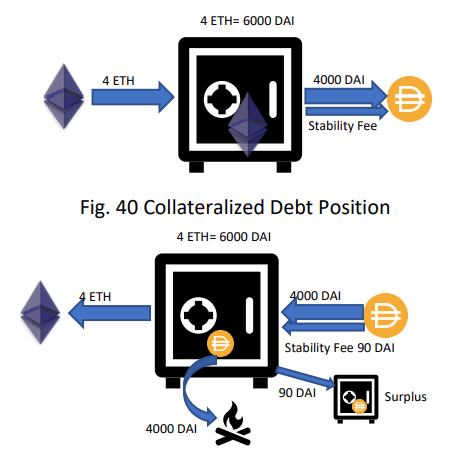
Decentralized Finance (DeFi) is transforming financial intermediation by replacing banks with smart contracts. Platforms like MakerDAO issue DAI, a stablecoin pegged to the US dollar, through overcollateralized crypto loans, governed by MKR token holders. This ecosystem enables lending, savings, and passive income without intermediaries, but also raises challenges for regulation, taxation, and financial stability. MakerDAO’s mechanisms—collateralized debt positions, governance votes, auctions, and external actors like oracles and keepers—keep the system running. Together with platforms like Uniswap, DeFi illustrates both the promise of financial innovation and the complexity of decentralized governance.

Author: Hackernoon