RWA

RWA (Real World Assets) refers to the tokenization of tangible assets—such as real estate, private credit, and government bonds—on the blockchain. By bringing traditional financial instruments on-chain, RWA protocols like Ondo and Centrifuge provide DeFi users with stable, real-yield opportunities. In 2026, the RWA sector is a multi-trillion-dollar bridge between TradFi and DeFi, enabling fractional ownership and global liquidity for previously illiquid assets. Follow this tag for insights into on-chain credit markets, regulatory compliance, and asset-backed security innovations.

43619 Articles
Created: 2026/02/02 18:52
Updated: 2026/02/02 18:52
Dogecoin At $0.21, BONK Eyes Breakout

Dogecoin At $0.21, BONK Eyes Breakout

The post Dogecoin At $0.21, BONK Eyes Breakout appeared on BitcoinEthereumNews.com. Meme coins remain in focus this week, with Dogecoin holding at $0.21 and BONK testing a key support zone. Meanwhile, MAGACOIN FINANCE is drawing attention as a fresher meme coin with utility, offering diversification for those who missed earlier rallies in DOGE and BONK. Dogecoin Still Among the Best Altcoins to Buy at $0.21 Dogecoin, the largest meme coin by market cap, has seen its price slip 1.24% in the past 24 hours to around $0.214. Traders have been cautious after repeated failed attempts to break above the $0.23–$0.24 zone. These rejections triggered liquidations and left Dogecoin consolidating near a key support band. Part of the hesitation also comes from uncertainty around a Dogecoin ETF. While Grayscale, Bitwise, and 21Shares have filed applications, the SEC has yet to provide clarity, leading to muted enthusiasm. Analysts point out that Dogecoin’s “meme asset” tag makes approval less straightforward compared to Bitcoin and Ethereum. Despite this, Dogecoin continues to benefit from its established community, exchange liquidity, and ongoing mainstream integrations. Analysts note that a recovery above $0.221 could re-open the path toward $0.232 and higher.  For traders seeking exposure to established meme coins, Dogecoin remains one of the best altcoins to buy, particularly at its current consolidation zone. BONK Retests Support Ahead of Possible Breakout Bonk coin, the Solana-based meme token, is testing its $0.000021–$0.000022 support range. After weeks of cooling off, the price action has formed a triangle structure that traders view as a decisive setup for the next major move. A breakout above $0.000026 could spark renewed momentum, while holding current levels remains crucial for stability. Institutional interest has added credibility to Bonk. Earlier this year, Safety Shot Inc., a NASDAQ-listed firm, allocated $25 million into BONK, marking a rare corporate treasury entry for a meme token.  Additionally, ongoing token burn…

Author: BitcoinEthereumNews
DeFi TVL Surges 41% in Q3 to Three-Year High

DeFi TVL Surges 41% in Q3 to Three-Year High

The post DeFi TVL Surges 41% in Q3 to Three-Year High appeared on BitcoinEthereumNews.com. Ethereum and Solana lead the charge as the broader DeFi ecosystem records strong growth. Decentralized finance (DeFi) total value locked (TVL) has surged 41% so far in the third quarter of 2025, surpassing $160 billion for the first time since May 2022. DeFi TVL Ethereum and Solana, seen as key indicators of DeFi activity, led the growth. Ethereum’s TVL jumped 50% from $54 billion in July to $96.5 billion today, while Solana’s rose about 30%, from $10 billion to $13 billion over the same period, per DeFiLlama. The broader DeFi ecosystem’s growth reflects increased activity in lending, borrowing, and decentralized exchange (DEX) trading. Moreover, there has been renewed investor interest following regulatory clarity from U.S. agencies and optimism about macroeconomic trends. In mid-July, the U.S. House of Representatives passed the digital asset-focused CLARITY Act, the Anti-CBDC Surveillance State Act, and the stablecoin-focused GENIUS Act. The GENIUS Act was subsequently signed into law by President Donald Trump on July 18. At the protocol level, Aave, the largest DeFi lending protocol with over $41 billion in TVL, has grown nearly 58% since July. Liquid staking platform Lido, ranked second with nearly $39 billion, surged 77% in the same period. EigenLayer, a restaking protocol ranking third with more than $20 billion in TVL, climbed over 66%, fueled by ETH’s recent rally. “The biggest winners are the protocols delivering decentralized products responsibly; Aave, EigenLayer, and Lido have taken the biggest slice, and for good reason – they are established and real,” Mike Maloney, CEO and Founder of Incyt, told The Defiant. ETH reached a new all-time high of $4,904 on Aug. 24 – it’s currently up 82% since the beginning of July. Meanwhile, Bitcoin (BTC) reached an all-time high of $124,128 on Aug. 14, up 18% since July. Doug Colkitt, Initial Contributor to Fogo,…

Author: BitcoinEthereumNews
BullZilla Presale Shines With $120K Raised as SPX6900 and Solana Shape 2025

BullZilla Presale Shines With $120K Raised as SPX6900 and Solana Shape 2025

The post BullZilla Presale Shines With $120K Raised as SPX6900 and Solana Shape 2025 appeared on BitcoinEthereumNews.com. Crypto News BullZilla leads the top 100x crypto presale in 2025 while SPX6900 and Solana redefine market momentum. Every crypto cycle brings fresh contenders, and 2025 is already proving to be different. While Bitcoin and Ethereum maintain dominance, the spotlight has shifted toward projects that blend culture, engineering, and innovation. In September, three projects stand out: Bull Zilla, SPX6900, and Solana. BullZilla’s cinematic presale is drawing investors in droves, securing its place as one of the top 100x crypto presale in 2025. SPX6900 thrives on cultural virality, while Solana cements its role as a fast and efficient blockchain. Together, they form a trio that could define this year’s market narrative. BullZilla: Mutation Mechanics Drive the Presale Surge BullZilla ($BZIL) is rewriting the script for meme coins. Instead of relying on viral logos or simple hype, it is launching with a 24-chapter “Lore Bible,” where each chapter triggers a Roar Burn. This live event permanently removes tokens from circulation, making scarcity a visible, verifiable part of the experience. At present, BullZilla’s presale is in Stage 1, The Project Trinity Boom, Phase 3. The token price sits at $0.00001908. More than $120,000 has already been raised, with over 400 holders onboard. Early investors at Stage 1C locked in 231% ROI. From today’s price to its confirmed listing at $0.00527, the possible ROI stands at 27,527%. A $1,000 allocation right now translates to 52.41 million $BZIL tokens. Within a day, the presale price is programmed to surge by 34.95%, climbing from $0.00001908 to $0.00002575. This is not speculation; it is written into the presale’s progressive engine. Each $100K milestone or 48-hour cycle ensures the price rises. This structure is why analysts classify BullZilla as the top 100x crypto presale in 2025. BullZilla also introduces the HODL Furnace, a staking mechanism with up to…

Author: BitcoinEthereumNews
BullZilla’s Top 100x Crypto Presale in 2025 Powers Ahead While SPX6900 and Solana Build Momentum

BullZilla’s Top 100x Crypto Presale in 2025 Powers Ahead While SPX6900 and Solana Build Momentum

Every crypto cycle brings fresh contenders, and 2025 is already proving to be different. While Bitcoin and Ethereum maintain dominance, […] The post BullZilla’s Top 100x Crypto Presale in 2025 Powers Ahead While SPX6900 and Solana Build Momentum appeared first on Coindoo.

Author: Coindoo
Unleashing the Revolutionary XRPL Game Chain: B3 and XRP Ledger Forge a Gaming Future

Unleashing the Revolutionary XRPL Game Chain: B3 and XRP Ledger Forge a Gaming Future

BitcoinWorld Unleashing the Revolutionary XRPL Game Chain: B3 and XRP Ledger Forge a Gaming Future The world of blockchain gaming is constantly evolving, and a groundbreaking development is set to redefine its landscape. B3, an innovative Base-based Layer 3 gaming network, has officially teamed up with the XRP Ledger (XRPL) to launch the highly anticipated XRPL Game Chain. This strategic partnership promises a new era for both game developers and players, offering enhanced performance and accessibility in the Web3 gaming space. What is the XRPL Game Chain and Why Does it Matter? The XRPL Game Chain is engineered as a dedicated network specifically for gaming applications. It is built upon the robust XRPL EVM sidechain, ensuring full compatibility with Ethereum’s virtual machine. This crucial feature allows developers to seamlessly port existing games or construct new ones using familiar tools and programming languages. Essentially, this initiative aims to provide a high-performance and cost-effective environment for blockchain games. For enthusiastic gamers, this translates directly into smoother gameplay, significantly reduced transaction fees, and a more immersive experience. For developers, it unlocks greater flexibility and provides access to the established and vibrant XRP Ledger ecosystem. B3’s Vision: Powering the Future of Gaming with the XRPL Game Chain B3 operates as a specialized Layer 3 network, designed to scale blockchain gaming and dramatically improve the user experience. By leveraging the power of the XRPL EVM sidechain, B3 is meticulously crafting a specialized infrastructure tailored for the unique demands of gaming. Furthermore, B3’s native user platform, Xcade, has already been successfully deployed on the testnet. Xcade is envisioned to become a central hub, connecting games and players within this burgeoning ecosystem. This successful testnet deployment marks a significant milestone, offering an exciting glimpse into the immense potential of the fully operational XRPL Game Chain. It showcases the commitment to delivering a truly integrated and user-friendly gaming environment. The Core Advantages of Building on the XRPL Game Chain Why should game developers and players be genuinely excited about this new chain? The advantages are compelling and clear: EVM Compatibility: Developers can utilize widely adopted tools and languages, significantly reducing development time and complexity. Low Transaction Fees: The XRP Ledger is renowned for its efficiency, meaning in-game transactions will be remarkably cheaper for end-users, enhancing affordability. High Throughput: The network is engineered to process a large volume of transactions swiftly, guaranteeing a fluid and uninterrupted gaming experience, even during peak activity. Exceptional Scalability: As a Layer 3 solution built on an EVM sidechain, the XRPL Game Chain is inherently designed to scale effectively with the increasing demands of a rapidly expanding global gaming community. Vibrant Community: This platform taps directly into the established and highly active XRP Ledger community, providing a ready and engaged audience for new and innovative games. What’s Next for the XRPL Game Chain and Its Community? The successful deployment of Xcade on the testnet is merely the beginning of this exciting journey. The subsequent phases will involve rigorous further testing, meticulous optimization, and the crucial onboarding of talented game developers. We can confidently anticipate a wave of innovative Web3 games that will leverage this powerful new infrastructure. For individuals or studios interested in contributing to or developing on this platform, closely monitoring announcements from B3 and XRPL will be essential. This groundbreaking initiative possesses the potential to attract substantial talent and investment into the broader blockchain gaming space, particularly within the dynamic XRP Ledger ecosystem. Conclusion: A Game-Changing Leap Forward The strategic partnership between B3 and XRP Ledger to launch the XRPL Game Chain represents a truly pivotal moment for the entire blockchain gaming industry. By expertly combining B3’s specialized Layer 3 expertise with XRPL’s robust, efficient infrastructure and vital EVM compatibility, this new chain is perfectly poised to deliver a more efficient, accessible, and ultimately more enjoyable gaming experience for everyone. It marks an exciting and significant step towards the widespread mainstream adoption of Web3 games, promising a future where innovative gameplay meets cutting-edge blockchain technology. Frequently Asked Questions (FAQs) 1. What is the XRPL Game Chain? The XRPL Game Chain is a dedicated Layer 3 gaming network launched by B3 in partnership with XRP Ledger, built on the XRPL EVM sidechain to offer a high-performance and cost-effective environment for blockchain games. 2. Who is B3? B3 is a Base-based Layer 3 gaming network focused on scaling blockchain gaming and enhancing user experience by creating specialized infrastructure. 3. What is the XRPL EVM sidechain? The XRPL EVM sidechain is a compatible environment that allows developers to build and deploy Ethereum-compatible smart contracts and decentralized applications (dApps) on the XRP Ledger, leveraging its speed and low transaction costs. 4. What benefits does the XRPL Game Chain offer to gamers? Gamers can expect smoother gameplay, significantly lower transaction fees for in-game purchases and actions, and a more immersive experience due to the network’s high throughput and efficiency. 5. How does Xcade fit into this new ecosystem? Xcade is B3’s native user platform, already deployed on the testnet. It will serve as a central hub for games and players within the XRPL Game Chain ecosystem, facilitating interaction and access to games. If you found this article insightful, please share it with your network! Help us spread the word about the exciting future of blockchain gaming with the XRPL Game Chain. Your shares help others discover these groundbreaking developments. To learn more about the latest blockchain gaming trends, explore our article on key developments shaping Web3 gaming institutional adoption. This post Unleashing the Revolutionary XRPL Game Chain: B3 and XRP Ledger Forge a Gaming Future first appeared on BitcoinWorld and is written by Editorial Team

Author: Coinstats
Can The Music Industry Grow From The Drake/UMG Saga?

Can The Music Industry Grow From The Drake/UMG Saga?

The post Can The Music Industry Grow From The Drake/UMG Saga? appeared on BitcoinEthereumNews.com. Drake’s lawsuit was written off by many as his inability to handle the fallout of a rap battle he initiated, but could it be catalyst for long overdue change in the industry? Getty Images Many music fans dismissed Drake’s lawsuit as an inability to handle the fallout of a rap battle he initiated – but his claims go far beyond defamation. This dispute isn’t just about clout. It’s an opportunity to rethink who controls access, visibility, and narrative power in the streaming era. And for independent artists, the outcome could shape the future of fair competition in music. Beyond the “Headlines”: Reforming the Law Beyond the headlines, Drake’s lawsuit could catalyze overdue legal scrutiny of digital-era misconduct, from streaming fraud and bot-driven royalties to modern payola practices hidden behind algorithmic promotion. If streaming manipulation is deemed a potential RICO violation, it could open the door to novel legal claims by artists who believe they’ve been suppressed, making this case one to watch closely. Drake’s case is not the only example of industry probes on the issues of the new age of streaming. In September 2024, the Department of Justice announced its arrest of musician Michael Smith in the first-ever criminal case involving artificially inflated music streaming – a fringe actor who used A.I. to generate songs and bots to inflate royalties, earning over $10 million. Smith allegedly used artificial intelligence to create songs and then employed automated bots to stream these tracks, generating over $10 million in royalties. He faces trial on the grounds of wire fraud and money laundering. The artificial inflation of music streams is a deep-seated issue across the music industry, extending far deeper than the Drake case. NurPhoto via Getty Images While Smith’s case involves fraud at the individual level as opposed to practices of big…

Author: BitcoinEthereumNews
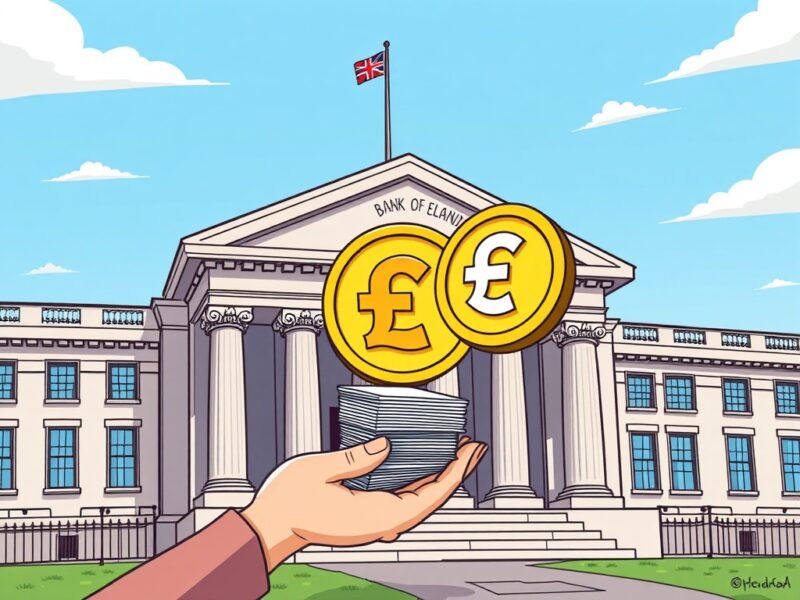
Bank of England Stablecoin Move Unlocks New Era for Digital Assets

Bank of England Stablecoin Move Unlocks New Era for Digital Assets

BitcoinWorld Bank of England Stablecoin Move Unlocks New Era for Digital Assets The world of digital finance is buzzing with a significant development from the UK. The Bank of England stablecoin policy is undergoing a pivotal shift, poised to reshape how these crucial digital assets operate. This move isn’t just a technical adjustment; it’s a strategic decision that could bolster trust and drive innovation within the broader cryptocurrency ecosystem. What’s Changing with Bank of England Stablecoin Rules? Bank of England Deputy Governor Sarah Breeden recently made an announcement that has caught the attention of regulators and crypto enthusiasts alike. The central bank is set to relax its existing regulatory framework for stablecoins. This relaxation means a crucial change for issuers: they will now be permitted to hold some of their backing assets in short-term government bonds. Breeden explained that the framework, initially published by the bank in 2023, was not entirely suitable for the evolving needs of stablecoin issuers. This acknowledgment highlights the central bank’s adaptability in a rapidly changing financial landscape. The initial vision for stablecoins primarily focused on retail applications, but their utility has expanded significantly. Today, stablecoins are increasingly seen as foundational for settling tokenized securities and other institutional applications. This shift in purpose necessitates a more flexible and robust regulatory approach. The decision by the Bank of England stablecoin policy team reflects a proactive stance to accommodate this evolution, aiming to integrate digital assets more seamlessly into traditional finance. Why is This a Game-Changer for Stablecoins and Digital Finance? This policy adjustment carries substantial benefits for the stablecoin market. Allowing issuers to back their stablecoins with short-term government bonds can significantly enhance their stability and trustworthiness. Government bonds are generally considered low-risk assets, providing a strong foundation for the value of stablecoins. Increased Trust: Backing with government bonds can instill greater confidence among users and institutions, knowing their digital assets are anchored to highly secure traditional instruments. Enhanced Stability: This move helps mitigate risks associated with more volatile backing assets, making stablecoins more resilient to market fluctuations. Broader Adoption: With enhanced trust and stability, institutional players, including traditional financial firms, may be more inclined to adopt stablecoins for various transactions, including cross-border payments and tokenized asset settlement. Regulatory Clarity: Providing clear guidelines on acceptable backing assets offers much-needed regulatory clarity, which is vital for the growth and legitimacy of the digital asset sector. This development positions the UK as a forward-thinking jurisdiction in digital finance. It acknowledges the potential of stablecoins beyond simple retail payments, particularly in the burgeoning field of tokenized securities. Navigating the Future: Potential Impact of Bank of England Stablecoin Policy The implications of this new policy extend far beyond just stablecoin issuers. It signals a broader acceptance of digital assets within the traditional financial system. While the move is largely positive, it also presents new challenges and opportunities. Implementing these changes effectively will require careful coordination between regulators, stablecoin issuers, and market participants. Ensuring robust oversight while fostering innovation will be a delicate balance. However, the proactive approach by the Bank of England stablecoin framework suggests a commitment to finding this equilibrium. This policy could also influence other central banks globally. As jurisdictions compete to become leaders in digital finance, the UK’s pragmatic approach might serve as a model. The shift from retail-focused stablecoins to those used for settling tokenized securities highlights a maturing market perspective, where digital assets are integrated into complex financial operations. What Does This Mean for the UK’s Digital Asset Landscape? For the UK, this regulatory relaxation reinforces its ambition to be a global hub for financial innovation. By creating a more accommodating environment for stablecoin operations, the country can attract talent, investment, and cutting-edge projects in the digital asset space. This isn’t just about stablecoins; it’s about the broader infrastructure for future financial markets. Actionable insights for market participants include closely monitoring the detailed implementation guidelines. Stablecoin projects looking to operate in the UK will find a clearer path to compliance, potentially accelerating their market entry and expansion. This environment encourages innovation while maintaining essential safeguards. The long-term vision suggests a financial system where traditional assets and digital assets coexist and interact seamlessly. The Bank of England stablecoin decision is a significant step towards realizing that vision, paving the way for more efficient, transparent, and resilient financial markets. In conclusion, the Bank of England’s decision to permit stablecoin issuers to hold short-term government bonds as backing assets is a monumental step forward for digital finance. It addresses the evolving landscape of stablecoin utility, fosters greater trust and stability, and solidifies the UK’s position as a leader in cryptocurrency regulation. This forward-thinking approach is set to unlock new opportunities for innovation and integration within the global financial system. Frequently Asked Questions (FAQs) Q1: What is a stablecoin? A1: A stablecoin is a type of cryptocurrency designed to maintain a stable value, typically pegged to a fiat currency like the US dollar or a commodity like gold. This stability is usually achieved by backing the stablecoin with reserves. Q2: Why is the Bank of England changing its stablecoin regulations? A2: The Bank of England recognized that its 2023 framework was not ideal for current stablecoin uses, which have shifted from primarily retail applications to settling tokenized securities. Relaxing the rules aims to foster greater stability and facilitate institutional adoption. Q3: What are the benefits of stablecoins being backed by short-term government bonds? A3: Backing stablecoins with short-term government bonds increases their trustworthiness and stability, as these bonds are considered low-risk assets. This can lead to broader institutional adoption and greater confidence in the digital asset market. Q4: How does this impact the UK’s position in digital finance? A4: This move strengthens the UK’s ambition to be a global hub for financial innovation by providing a clearer, more accommodating regulatory environment for stablecoins. It signals a proactive approach to integrating digital assets into the mainstream financial system. Q5: Will all stablecoins be required to hold government bonds? A5: The new policy permits issuers to hold some of their backing assets in short-term government bonds. It does not necessarily mandate that all stablecoins must be exclusively backed this way, but it offers a new, highly credible option for reserve management. Did you find this deep dive into the Bank of England’s stablecoin policy insightful? Share this article with your network on social media to spark further discussion on the future of digital finance and regulation. Your insights help shape the conversation! To learn more about the latest cryptocurrency regulation trends, explore our article on key developments shaping digital assets and their institutional adoption. This post Bank of England Stablecoin Move Unlocks New Era for Digital Assets first appeared on BitcoinWorld and is written by Editorial Team

Author: Coinstats
Crypto Fear & Greed Index: Crucial Shift Unveils Neutral Market Sentiment

Crypto Fear & Greed Index: Crucial Shift Unveils Neutral Market Sentiment

BitcoinWorld Crypto Fear & Greed Index: Crucial Shift Unveils Neutral Market Sentiment Ever wonder how investors truly feel about the rollercoaster world of cryptocurrencies? The latest data from the Crypto Fear & Greed Index offers a fascinating glimpse, revealing a significant shift. This crucial barometer of market sentiment has just fallen four points, moving from “Greed” to a more balanced “Neutral” territory. This shift, reported by data provider Alternative, signals a noticeable cooling in investor enthusiasm and a potential period of re-evaluation for the market. What Does a Neutral Crypto Fear & Greed Index Signal? The Crypto Fear & Greed Index operates on a straightforward scale, where 0 indicates ‘Extreme Fear’ and 100 signifies ‘Extreme Greed.’ A reading of 51, as we’ve seen, places it precisely in the middle: ‘Neutral.’ This means the market is currently experiencing a balance between the two extremes. Historically, extreme fear often presents buying opportunities when assets are undervalued due to panic selling. Conversely, extreme greed can signal an overheated market, potentially preceding a correction as assets become overvalued. The current neutral stance suggests neither overwhelming optimism nor widespread panic. Instead, investors appear to be taking a more cautious, wait-and-see approach. This phase can be characterized by reduced volatility and a focus on fundamentals rather than speculative fervor. Understanding this shift is vital for making informed decisions. How is the Crypto Fear & Greed Index Calculated? To truly appreciate the insights offered by the Crypto Fear & Greed Index, it’s important to understand its sophisticated methodology. This index isn’t based on a single metric but aggregates data from six key factors, each contributing a specific weight to the final score. This comprehensive approach ensures a holistic view of market sentiment. Here’s a breakdown of the components that contribute to the index’s daily calculation: Volatility (25%): This measures current Bitcoin price fluctuations and maximum drawdowns, comparing them to average values over 30 and 90 days. High volatility often signals fear and uncertainty. Trading Volume (25%): Analyzes current market momentum and liquidity. High buying volume in a rising market might indicate greed, while low volume can suggest fear. Social Media Mentions (15%): Scans specific crypto-related hashtags and sentiment on platforms like Twitter. Increased positive sentiment often suggests greed, while negative sentiment points to fear. Surveys (15%): Although currently paused, these polls previously gauged investor sentiment directly, providing a snapshot of public opinion. Bitcoin Dominance (10%): An increase in Bitcoin’s market cap share often signals fear, as investors might be moving from altcoins to the perceived safety of Bitcoin. A decrease suggests more speculative altcoin interest (greed). Google Search Volume (10%): Tracks search queries related to Bitcoin and other cryptocurrencies. Sudden spikes in searches for terms like “Bitcoin price manipulation” could indicate fear, while “how to buy crypto” might suggest rising interest (greed). Navigating the Neutral Zone: Strategic Insights for Investors The current neutral reading of the Crypto Fear & Greed Index provides a unique environment for investors. It’s a time when emotional extremes are less dominant, potentially leading to more rational market behavior. This period offers distinct opportunities for those willing to adapt their strategies. Consider these strategic insights: Reduced Emotional Trading: Neutral sentiment often correlates with less impulsive decision-making, encouraging more rational analysis of market conditions. Consolidation Periods: Markets in a neutral state frequently undergo periods of price consolidation, where assets trade within a defined range. This can be an opportune time for dollar-cost averaging or re-evaluating portfolio allocations. Opportunity for Due Diligence: Without the overwhelming pressure of extreme fear or greed, investors have a clearer headspace to research projects thoroughly, assess their underlying fundamentals, and refine long-term strategies. Vigilance is Key: While neutral, the market can quickly swing. Staying informed about broader macroeconomic factors, regulatory news, and project-specific developments remains crucial for anticipating future shifts. Why This Crucial Index Matters for Your Crypto Journey The Crypto Fear & Greed Index serves as more than just a daily snapshot; it’s a powerful tool for understanding the underlying psychology driving market movements. By offering a quantitative measure of sentiment, it helps investors gain invaluable perspective and avoid common pitfalls. It highlights the cyclical nature of crypto markets, which often oscillate between periods of intense optimism and profound pessimism. Recognizing these shifts can empower individuals to make more informed, less emotionally driven decisions, potentially avoiding the classic mistake of buying high and selling low. Ultimately, this index encourages a disciplined approach, reminding us that even in a volatile asset class like cryptocurrency, understanding human behavior is paramount to long-term success. The recent shift of the Crypto Fear & Greed Index to ‘Neutral’ territory marks a significant moment for crypto investors. It signals a temporary reprieve from the extremes of market emotion, offering a period of relative calm and reflection. While this neutrality doesn’t predict future price movements with certainty, it provides a valuable lens through which to view market psychology and refine investment strategies. Staying informed, rational, and disciplined remains the best approach in this dynamic and ever-evolving landscape. Frequently Asked Questions (FAQs) Q1: What is the Crypto Fear & Greed Index? A: It’s a tool that measures the current sentiment of the cryptocurrency market, ranging from 0 (Extreme Fear) to 100 (Extreme Greed), based on various market factors. Q2: How does a “Neutral” reading impact my crypto investments? A: A neutral reading suggests a balanced market without extreme emotional bias. It encourages rational decision-making, due diligence, and can be a period of market consolidation rather than sharp price swings. Q3: Is the Crypto Fear & Greed Index a reliable predictor of price? A: While it reflects market sentiment, it’s not a direct price predictor. It’s a valuable indicator to understand investor psychology, which can influence market trends, but it should be used in conjunction with other analyses. Q4: What factors contribute to the index’s calculation? A: It’s calculated using volatility, trading volume, social media mentions, surveys (historically), Bitcoin dominance, and Google search volume, each with a specific weighting. Q5: Where can I find the current Crypto Fear & Greed Index value? A: The index is publicly available from data providers like Alternative, which regularly updates its value based on real-time market data. Did you find this analysis of the Crypto Fear & Greed Index helpful? Share this article with your friends and fellow crypto enthusiasts on social media to help them navigate market sentiment and make more informed decisions! To learn more about the latest crypto market trends, explore our article on key developments shaping Bitcoin price action. This post Crypto Fear & Greed Index: Crucial Shift Unveils Neutral Market Sentiment first appeared on BitcoinWorld and is written by Editorial Team

Author: Coinstats
Crucial Shift: Centralized Exchange ETH Holdings Plunge to 2022 Lows

Crucial Shift: Centralized Exchange ETH Holdings Plunge to 2022 Lows

BitcoinWorld Crucial Shift: Centralized Exchange ETH Holdings Plunge to 2022 Lows A significant shift is underway in the Ethereum market, capturing the attention of investors and analysts alike. Recent data reveals that centralized exchange ETH holdings have fallen to their lowest level since 2022, signaling a pivotal moment for the cryptocurrency. This isn’t just a minor fluctuation; it’s a profound movement of assets that could reshape Ethereum’s future trajectory. Why Are Centralized Exchange ETH Holdings Declining? The numbers speak volumes: Ethereum (ETH) holdings on major centralized exchanges have dropped to a mere 17.4 million, a figure not seen since 2022. This substantial decrease, reported by Cointelegraph based on CryptoQuant data, indicates that approximately 2.5 million ETH has been withdrawn from these platforms over the past three months alone. But what’s driving this exodus? Investor Behavior: Many long-term investors prefer to hold their assets in self-custody wallets, moving them off exchanges to enhance security and avoid potential third-party risks. Staking Opportunities: The rise of Ethereum 2.0 (now the Beacon Chain) and liquid staking protocols encourages users to withdraw ETH from exchanges to participate in staking, earning rewards while contributing to network security. Reduced Selling Pressure: Lower ETH holdings on exchanges often suggest that fewer tokens are immediately available for sale, which can reduce selling pressure in the market. The Rise of Institutional ETH Holdings: A New Era? This decline in exchange ETH holdings isn’t happening in a vacuum. It coincides directly with a growing trend of accumulation by publicly traded companies. These firms are increasingly recognizing Ethereum’s potential as a store of value and a strategic asset. Since the beginning of the year, several companies have publicly announced their plans to acquire and hold ETH, signaling a significant shift in corporate treasury strategies. For example, companies like Sharplink Gaming, Bitmine, Immersion Technologies, and Ethermachine are among those making headlines for their ETH purchases. This institutional interest is not just speculative; it reflects a deeper understanding of Ethereum’s technological advancements, its robust ecosystem, and its role in the decentralized finance (DeFi) and NFT sectors. Currently, an estimated 17 publicly traded companies collectively hold over 3.6 million ETH, a testament to this evolving landscape. What Does This Shift in ETH Holdings Imply for Ethereum’s Future? The implications of decreasing exchange ETH holdings and increasing institutional adoption are multifaceted and potentially very positive for Ethereum. When more ETH is moved off exchanges and into long-term holding strategies, it reduces the circulating supply available for immediate trading. This can create a supply shock, especially if demand continues to grow. Consider these potential impacts: Price Appreciation: A reduced supply on exchanges, coupled with consistent or rising demand, typically leads to upward price pressure. Market Maturity: Institutional involvement lends credibility and stability to the Ethereum market, attracting more traditional investors and fostering broader acceptance. Decentralization: While centralized exchanges serve a purpose, the movement of ETH into self-custody and staking pools aligns with the ethos of decentralization, making the network more robust. Long-Term Confidence: Companies choosing to hold ETH on their balance sheets demonstrates a strong belief in Ethereum’s long-term value proposition and its role in the future of digital economies. This trend suggests a maturing market where Ethereum is increasingly viewed not just as a speculative asset, but as a foundational technology and a strategic investment. Looking Ahead: The Evolving Landscape of Ethereum The current dynamics surrounding ETH holdings on centralized exchanges are a powerful indicator of changing market sentiment and investor behavior. As institutional players deepen their involvement and individual investors opt for self-custody and staking, the Ethereum ecosystem is likely to become more resilient and less susceptible to short-term market volatility. This ongoing shift underscores the growing confidence in Ethereum’s utility, innovation, and its long-term potential. It’s a fascinating time to observe the cryptocurrency space, with Ethereum at the forefront of this evolution. The movement of assets off exchanges is a clear signal that many believe in Ethereum’s fundamental value, positioning it for what could be an exciting future. Frequently Asked Questions (FAQs) Q1: What does it mean for ETH holdings to fall on centralized exchanges? A: It means that a significant amount of Ethereum is being moved off trading platforms and into private wallets, staking contracts, or institutional treasuries. This often indicates a preference for long-term holding over short-term trading. Q2: Why are publicly traded companies buying ETH? A: Companies are buying ETH for various reasons, including diversifying treasury assets, gaining exposure to the Web3 and DeFi ecosystems, and recognizing Ethereum’s potential as a valuable, programmable asset with long-term growth prospects. Q3: How does this trend impact Ethereum’s price? A: A decrease in exchange ETH holdings typically reduces the immediate selling pressure and available supply. If demand remains strong or increases, this supply squeeze can contribute to upward price momentum. Q4: Is it safer to hold ETH off a centralized exchange? A: Many argue that holding ETH in a self-custody wallet (like a hardware wallet) offers greater security as it removes the risk of exchange hacks or regulatory actions that could affect your assets. However, it also places the full responsibility of security on the individual. Q5: What is the significance of institutional adoption for Ethereum? A: Institutional adoption brings legitimacy, capital, and broader market acceptance to Ethereum. It signals that traditional finance and corporations are increasingly confident in its technology and long-term viability, which can attract more mainstream investors. If you found this article insightful, please consider sharing it with your network on social media. Your shares help us bring crucial market insights to a wider audience! To learn more about the latest Ethereum market trends, explore our article on key developments shaping Ethereum institutional adoption. This post Crucial Shift: Centralized Exchange ETH Holdings Plunge to 2022 Lows first appeared on BitcoinWorld and is written by Editorial Team

Author: Coinstats
Federal Reserve to host stablecoin and DeFi-focused conference amid regulatory progress

Federal Reserve to host stablecoin and DeFi-focused conference amid regulatory progress

The US Federal Reserve (Fed) is set to host a conference on payments innovation next month to discuss stablecoin use cases, tokenization and the growing relationship between traditional finance and crypto.

Author: Fxstreet