Oracle

Oracles are essential infrastructure components that feed real-time, off-chain data (such as price feeds, weather, or sports results) into blockchain smart contracts. Without decentralized oracles like Chainlink and Pyth, DeFi could not function. In 2026, oracles have evolved to support verifiable randomness and cross-chain data synchronization. This tag covers the technical evolution of data availability, tamper-proof price feeds, and the critical role oracles play in ensuring the deterministic execution of complex decentralized applications.

5157 Articles
Created: 2026/02/02 18:52
Updated: 2026/02/02 18:52

Tech Giants’ AI Spending Raises Bond Market Concerns, Pressuring Oracle Debt

Tech Giants’ AI Spending Raises Bond Market Concerns, Pressuring Oracle Debt

The post Tech Giants’ AI Spending Raises Bond Market Concerns, Pressuring Oracle Debt appeared on BitcoinEthereumNews.com. COINOTAG recommends • Exchange signup 💹 Trade with pro tools Fast execution, robust charts, clean risk controls. 👉 Open account → COINOTAG recommends • Exchange signup 🚀 Smooth orders, clear control Advanced order types and market depth in one view. 👉 Create account → COINOTAG recommends • Exchange signup 📈 Clarity in volatile markets Plan entries & exits, manage positions with discipline. 👉 Sign up → COINOTAG recommends • Exchange signup ⚡ Speed, depth, reliability Execute confidently when timing matters. 👉 Open account → COINOTAG recommends • Exchange signup 🧭 A focused workflow for traders Alerts, watchlists, and a repeatable process. 👉 Get started → COINOTAG recommends • Exchange signup ✅ Data‑driven decisions Focus on process—not noise. 👉 Sign up → Investors are offloading bonds from major U.S. tech companies amid rising concerns over their aggressive AI infrastructure spending, leading to spreads widening to 0.78 percentage points above U.S. Treasuries—the highest since April. This reflects unease about financing the multi-trillion-dollar AI boom through debt markets. Bonds from hyperscalers like Alphabet, Meta, Microsoft, and Oracle have declined recently due to heavy AI data center investments. The spread increase from 0.5 to 0.78 percentage points signals shifting investor sentiment toward risk in public market financing. JPMorgan projects over $5 trillion needed for AI infrastructure, raising worries about overcapacity, profitability, and energy demands projected at $400 billion in 2026 spending. Discover how tech giants’ AI infrastructure debt is straining bond markets and sparking investor caution. Explore risks, yields, and implications for the multi-trillion-dollar boom—stay informed on financial shifts today. What is driving the sell-off in tech companies’ AI infrastructure debt? AI infrastructure debt from leading tech firms is under pressure as investors grow wary of the massive capital expenditures required to fuel the AI revolution. Bonds issued by hyperscalers such as Alphabet, Meta,…

Author: BitcoinEthereumNews
Mike Burry says Oracle will overstate earnings by 27% and Meta by 21% due to depreciation gimmic

Mike Burry says Oracle will overstate earnings by 27% and Meta by 21% due to depreciation gimmic

The post Mike Burry says Oracle will overstate earnings by 27% and Meta by 21% due to depreciation gimmic appeared on BitcoinEthereumNews.com. Michael Burry has accused two of America’s biggest tech players, Oracle and Meta, of using what he calls “depreciation gimmicks” to exaggerate their profits from the AI boom, according to CNBC. The Scion Asset Management founder said that the major cloud and AI infrastructure companies, what he called “hyperscalers,” are bending accounting rules to make their earnings look stronger than they really are. Burry warns of overstated profits in ORCL, META through 2028 In a post Monday on X, Burry said these tech giants are understating depreciation expenses by pretending their AI chips and servers will last longer than they actually do. “Understating depreciation by extending useful life of assets artificially boosts earnings—one of the more common frauds of the modern era,” he wrote. Burry added that companies massively increasing capital spending on Nvidia chips and servers with two-to-three-year product cycles should not be extending the lifespan of that hardware on paper. Burry estimated that from 2026 through 2028, this accounting method will understate depreciation by about $176 billion, inflating reported earnings across the AI industry. He said Oracle’s profits could be overstated by roughly 27% and Meta’s by about 21% by 2028. Burry’s accusation points at how GAAP (Generally Accepted Accounting Principles) lets companies decide the “useful life” of an asset. When a business buys big-ticket equipment like servers or semiconductors, it spreads the cost over several years. If the company claims those assets last longer, the annual depreciation expense becomes smaller, which makes profits appear larger. Burry said this practice distorts the truth about how quickly AI infrastructure loses value. CNBC reported it was unable to independently verify whether these companies are doing this. Burry doubles down with new shorts and industry backlash Burry, famous for betting against the housing market before the 2008 financial crisis, had last…

Author: BitcoinEthereumNews
Wall Street sounds alarm on Big Tech’s AI push

Wall Street sounds alarm on Big Tech’s AI push

Investors are selling off tech company bonds as concerns rise over heavy AI spending.

Author: Cryptopolitan
AMD predicts 35% revenue CAGR and 80% growth in data‑center unit “without question”

AMD predicts 35% revenue CAGR and 80% growth in data‑center unit “without question”

AMD told analysts on Tuesday that it expects revenue to grow more than 35% each year over the next three to five years, driven by what CEO Lisa Su described as “insatiable” demand for AI chips. According to a report from CNBC, Lisa said the company’s data center unit will lead that growth with an […]

Author: Cryptopolitan
While SHIB and DOGE Struggle, This Crypto Offers a Real +1,980% Gain

While SHIB and DOGE Struggle, This Crypto Offers a Real +1,980% Gain

For years, Shiba Inu (SHIB) and Dogecoin (DOGE) dominated the narrative of popular cryptocurrencies, symbols of a time when hype mattered more than substance. But as both tokens fight to remain relevant in a market increasingly focused on fundamentals, a new category of projects is attracting capital and trust: cryptos anchored to real-world assets. The […]

Author: Cryptopolitan
Chainlink ETF Breakthrough: Bitwise’s CLNK Sparks Exciting New Crypto Investment Era

Chainlink ETF Breakthrough: Bitwise’s CLNK Sparks Exciting New Crypto Investment Era

BitcoinWorld Chainlink ETF Breakthrough: Bitwise’s CLNK Sparks Exciting New Crypto Investment Era Exciting news for cryptocurrency investors! Bitwise’s spot Chainlink ETF has just appeared on the DTCC website under the ticker CLNK, marking a significant milestone in the journey toward mainstream crypto adoption. This development could open up new investment opportunities for those looking to gain exposure to Chainlink’s oracle network through traditional financial channels. What Does the Chainlink ETF Listing Mean for Investors? The appearance of Bitwise’s Chainlink ETF on the Depository Trust & Clearing Corporation website represents a crucial step forward. However, it’s important to understand that this DTCC listing differs from SEC approval. The DTCC primarily handles clearing and settlement services, while the SEC focuses on regulatory compliance and investor protection. This Chainlink ETF development follows the successful launch of Bitcoin ETFs earlier this year. Many industry experts see this as part of a broader trend toward cryptocurrency integration with traditional finance. The potential benefits include: Easier access for traditional investors Enhanced liquidity for Chainlink tokens Regulatory clarity through established frameworks Mainstream validation of blockchain technology How Does This Chainlink ETF Compare to Previous Crypto Funds? Unlike Bitcoin ETFs that track the price of Bitcoin directly, this Chainlink ETF would provide exposure to LINK tokens. Chainlink serves as a critical infrastructure component in the blockchain ecosystem, powering decentralized oracle networks that connect smart contracts with real-world data. The timing of this Chainlink ETF filing comes during a period of growing institutional interest in blockchain technology. Major financial institutions increasingly recognize the value of decentralized oracle networks for various applications, including: Decentralized finance protocols Insurance smart contracts Gaming and NFT platforms Supply chain management What Challenges Remain for the Chainlink ETF Approval? While the DTCC listing generates optimism, several hurdles remain before investors can actually trade this Chainlink ETF. The Securities and Exchange Commission must still review and approve the application, a process that typically involves extensive scrutiny of market manipulation concerns, custody solutions, and investor protection measures. Market experts suggest that the SEC’s approach to cryptocurrency ETFs has evolved gradually. The approval of Bitcoin ETFs established important precedents, but each new digital asset faces unique regulatory considerations. The Chainlink ETF application will likely undergo similar rigorous examination focused on: Market surveillance capabilities Custody and security arrangements Liquidity and price discovery mechanisms Investor education requirements Why This Chainlink ETF Matters for Crypto’s Future The potential approval of a Chainlink ETF represents more than just another investment product. It signals growing recognition of blockchain infrastructure’s importance beyond simple currency applications. Chainlink’s oracle technology enables smart contracts to interact with external data, making it fundamental to many real-world blockchain implementations. This Chainlink ETF development could pave the way for similar products focused on other essential blockchain infrastructure tokens. The success of such funds would demonstrate that investors value the underlying technology powering the decentralized web, not just speculative digital assets. Final Thoughts on the Chainlink ETF Opportunity The appearance of Bitwise’s Chainlink ETF on the DTCC website marks an exciting development in cryptocurrency’s journey toward mainstream financial acceptance. While regulatory approval remains uncertain, this progress indicates growing institutional confidence in blockchain infrastructure investments. As the crypto industry continues maturing, products like the Chainlink ETF bridge the gap between traditional finance and innovative blockchain technology. Investors should monitor this development closely, as it could signal new opportunities for diversified cryptocurrency exposure through regulated financial channels. Frequently Asked Questions What is the ticker symbol for Bitwise’s Chainlink ETF? The proposed Chainlink ETF carries the ticker symbol CLNK on the DTCC website. Does DTCC listing guarantee SEC approval? No, DTCC listing is separate from SEC review and doesn’t guarantee eventual exchange listing or regulatory approval. When can investors expect to trade this Chainlink ETF? There’s no confirmed timeline. The ETF must first receive SEC approval before becoming available for trading. How does a Chainlink ETF differ from buying LINK directly? An ETF provides regulated, traditional market exposure without dealing with crypto wallets or exchanges directly. What advantages does a Chainlink ETF offer? It offers easier access for traditional investors, potential tax advantages, and regulated custody solutions. Are there other cryptocurrency ETFs in development? Yes, several asset managers are exploring ETFs for various cryptocurrencies following Bitcoin ETF approvals. Found this analysis helpful? Share this article with fellow crypto enthusiasts on social media to spread awareness about this exciting Chainlink ETF development! To learn more about the latest cryptocurrency ETF trends, explore our article on key developments shaping Chainlink institutional adoption. This post Chainlink ETF Breakthrough: Bitwise’s CLNK Sparks Exciting New Crypto Investment Era first appeared on BitcoinWorld.

Author: Coinstats
‘Big Short’ investor Michael Burry accuses AI hyperscalers of artificially boosting earnings

‘Big Short’ investor Michael Burry accuses AI hyperscalers of artificially boosting earnings

The post ‘Big Short’ investor Michael Burry accuses AI hyperscalers of artificially boosting earnings appeared on BitcoinEthereumNews.com. Michael Burry attends the New York premiere of “The Big Short” at the Ziegfeld Theater in New York City on Nov. 23, 2015. Jim Spellman | WireImage | Getty Images Michael Burry, the investor made famous by “The Big Short” who recently roiled the market with a tech short bet, is accusing some of America’s largest technology companies of using aggressive accounting to pad their profits from the artificial intelligence boom. In a post Monday on X, the Scion Asset Management founder alleged that “hyperscalers” — the major cloud and AI infrastructure providers — are understating depreciation expenses by estimating that chips will have a longer life cycle than is realistic. “Understating depreciation by extending useful life of assets artificially boosts earnings – one of the more common frauds of the modern era,” Burry wrote. “Massively ramping capex through purchase of Nvidia chips/servers on a 2-3 yr product cycle should not result in the extension of useful lives of compute equipment. Yet this is exactly what all the hyperscalers have done.” Burry estimated that from 2026 through 2028, the accounting maneuver would understate depreciation by about $176 billion, inflating reported earnings across the industry. He singled out Oracle and Meta Platforms, saying their profits could be overstated by roughly 27% and 21%, respectively, by 2028. CNBC has reached out to Oracle and Meta for comments. Nvidia declined to comment. Burry’s accusation is a serious one, but could be hard to prove because of the leeway companies are given in estimating depreciation. CNBC was not independently able to confirm this practice was being done by the companies. When paying for a large asset upfront — like semiconductors, servers, etc — a company is then allowed under generally accepted accounting principles, or GAAP, to spread out the cost of that asset as…

Author: BitcoinEthereumNews
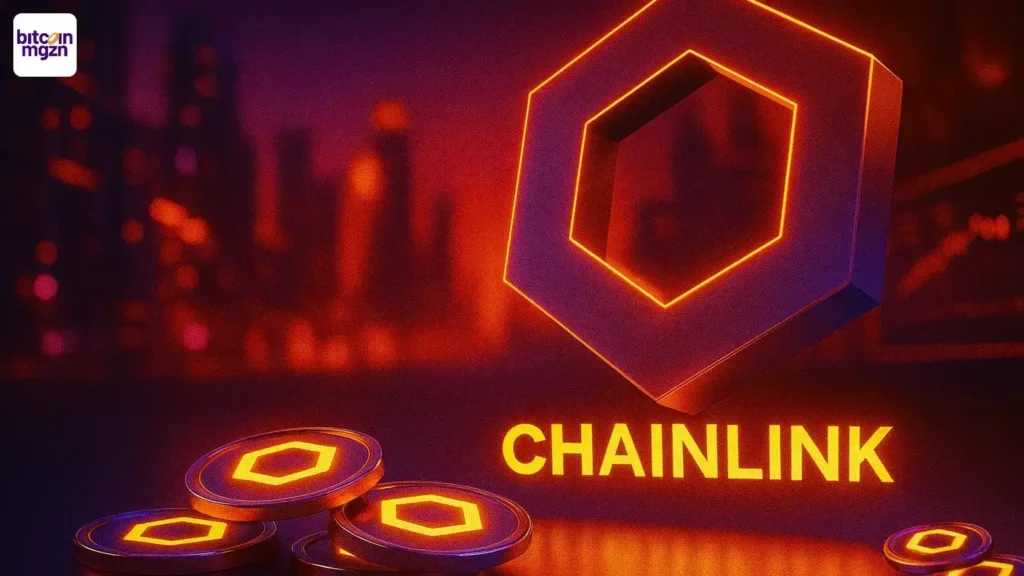
Phoenix Group Report: Chainlink Tops Social Charts Among AI Agent Tokens With 3.3M Engagements

Phoenix Group Report: Chainlink Tops Social Charts Among AI Agent Tokens With 3.3M Engagements

Chainlink is the most discussed project related to AI agents according to a news report published by Phoenix Group in cooperation with LunarCrush.

Author: Blockchainreporter
Chainlink lanceert Confidential Compute: nieuwe upgrade brengt privacy naar blockchain voor banken en DeFi

Chainlink lanceert Confidential Compute: nieuwe upgrade brengt privacy naar blockchain voor banken en DeFi

Chainlink heeft de upgrade Confidential Compute aangekondigd, een nieuwe stap in de richting van veilige, privacy-gerichte blockchain-infrastructuur. Wat doet dit nieuws met de koers van LINK?  Check onze Discord Connect met "like-minded" crypto enthousiastelingen Leer gratis de basis van Bitcoin & trading - stap voor stap, zonder voorkennis. Krijg duidelijke uitleg & charts van ervaren analisten. Sluit je aan bij een community die samen groeit. Nu naar Discord Chainlink lanceert Confidential Compute De upgrade maakt gebruik van zogenoemde Trusted Execution Environments (TEE) om gevoelige data buiten de blockchain te verwerken zonder dat de vertrouwelijkheid in gevaar komt. Volgens Chainlink is Confidential Compute ontworpen om het gat te dichten tussen de transparantie van publieke blockchains en de privacy-eisen van institutionele gebruikers. De upgrade richt zich vooral op toepassingen binnen DeFi, tokenisatie en financiële instellingen die gevoelige informatie willen beschermen. De upgrade vormt een cruciale uitbreiding van het Chainlink-ecosysteem. De oracles van Chainlink brengen reeds externe data veilig op de blockchain. Deze upgrade gaat echter een stap verder: het verwerkt gevoelige informatie off-chain in een versleutelde omgeving, waarna enkel de relevante resultaten naar het smart contract zijn teruggestuurd. Hiermee kunnen instellingen vertrouwelijke financiële berekeningen uitvoeren, zoals kredietanalyses, afgeleide producten en onderpandevaluaties, zonder bedrijfsgevoelige data openbaar te maken. In combinatie met Chainlink’s Cross-Chain Interoperability Protocol (CCIP) kunnen deze berekeningen ook tussen verschillende blockchains plaatsvinden, wat een belangrijke stap is richting schaalbare en interoperabele financiële netwerken. De upgrade opent de deur naar vertrouwelijke leningen, derivatenhandel en tokenisatie van echte activa. Zo kunnen banken of vermogensbeheerders risicomodellen en liquiditeitsstrategieën op blockchain uitvoeren zonder concurrentiegevoelige informatie te delen. Testen met JPMorgan en Swift Volgens bronnen binnen het ecosysteem testen onder meer JPMorgan en Swift de nieuwe functionaliteit om veilige private datafeeds te integreren. Dit kan een oplossing bieden voor een van de grootste drempels bij traditionele financiële instellingen (TradFi): blootstelling van vertrouwelijke data aan publieke netwerken. Door berekeningen te verplaatsen naar een beveiligde enclave buiten de blockchain, kunnen instellingen profiteren van de transparantie en efficiëntie van Web3-infrastructuur zonder hun gegevens op straat te leggen. Marktanalisten spreken van een potentiële 20% tot 30% koersstijging van LINK als de adoptie breed doorslaat, al blijft dat voorlopig speculatief. De daadwerkelijke prijsimpact hangt af van het geplande mainnet-uitrolmoment in het eerste kwartaal van 2026. Marktcontext: koers onder druk, fundamentals sterk Terwijl Chainlink technisch innoveert, blijft de koers van de native token LINK achter bij de markt. De token daalde de afgelopen week met ruim 12% en handelt momenteel rond $15,36, een daling van 2% in 24 uur. Het handelsvolume zakte met 44% naar $624 miljoen, wat wijst op toenemende terughoudendheid onder beleggers. De marktkapitalisatie van $10,7 miljard houdt Chainlink stevig binnen de categorie van grote cryptoprojecten, maar het koersverloop weerspiegelt de huidige volatiliteit in de sector. Toch wijzen analisten erop dat de fundamentele ontwikkelingen, waaronder Confidential Compute, juist de basis kunnen leggen voor een nieuw groeifase zodra marktsentiment verbetert. Technische analyse: cruciale steun in zicht Technisch analisten signaleren dat LINK momenteel een cruciale langetermijn-steunlijn nadert. Volgens analist Ali Martinez bevindt de token zich op een structureel niveau dat in eerdere cycli belangrijke trendomkeringen markeerde. Chainlink $LINK has reached a crucial support trendline that could act as a launchpad for a move to $26 or even $47. pic.twitter.com/TeuYDlyDwR — Ali (@ali_charts) November 8, 2025 Hij ziet ook dat er ruim 63 miljoen LINK van beurzen is gehaald. In the past month, over 63 million Chainlink $LINK have been withdrawn from exchanges! pic.twitter.com/ZN8L921IKG — Ali (@ali_charts) November 11, 2025 Een krachtige verdediging van deze zone kan dienen als lanceerplatform voor een herstelrally. Bij voldoende koopdruk mikken handelaren op een eerste weerstandszone rond $26, gevolgd door een langere-termijndoelstelling van $47 als marktsentiment sterk herstelt. Zakt de koers echter door deze steun, dan kan een tijdelijke consolidatiefase volgen waarin LINK zich opnieuw moet stabiliseren voordat een volgende opwaartse beweging mogelijk wordt. Welke crypto nu kopen?Lees onze uitgebreide gids en leer welke crypto nu kopen verstandig kan zijn! Welke crypto nu kopen? Het zijn interessante tijden op de cryptomarkt. Bitcoin zakte deze week voor het eerst in maanden onder de $100K, en tegelijkertijd gaan wereldberoemde traders all-in op altcoins als XRP. Eén vraag komt telkens terug: welke crypto moet je nu kopen? In dit artikel bespreken we de munten die in 2025 écht het… Continue reading Chainlink lanceert Confidential Compute: nieuwe upgrade brengt privacy naar blockchain voor banken en DeFi document.addEventListener('DOMContentLoaded', function() { var screenWidth = window.innerWidth; var excerpts = document.querySelectorAll('.lees-ook-description'); excerpts.forEach(function(description) { var excerpt = description.getAttribute('data-description'); var wordLimit = screenWidth wordLimit) { var trimmedDescription = excerpt.split(' ').slice(0, wordLimit).join(' ') + '...'; description.textContent = trimmedDescription; } }); }); Twee verhaallijnen: zwakke prijs, sterke fundamenten De markt stuurt momenteel gemengde signalen. Enerzijds zwakke prijstrends en afnemend handelsvolume, aan de andere kant sterke fundamentele groei met een duidelijke institutionele focus. Dat spanningsveld maakt Chainlink tot een interessant observatiepunt voor professionele beleggers. Bulls hopen dat Confidential Compute de trigger wordt voor hernieuwde vraag vanuit grote partijen, terwijl bears vooral kijken of de steunlijn standhoudt. In zulke marktfases ontstaan vaak de kiemen van een trendomslag, zeker wanneer technologische vernieuwing hand in hand gaat met toenemende institutionele betrokkenheid. Vooruitblik: mainnet begin 2026 Het Confidential Compute-testnet is inmiddels operationeel, terwijl de mainnet-lancering gepland staat voor Q1 2026. Met deze release versterkt Chainlink zijn dominante positie binnen de oraclemarkt en breidt het zijn rol uit als privacy-laag voor DeFi- en institutionele toepassingen. De innovatie balanceert tussen twee fundamentele pijlers van blockchain: openbaarheid en vertrouwelijkheid. Waar transparantie het vertrouwen binnen decentrale netwerken vergroot, is privacy essentieel om grote financiële instellingen aan boord te krijgen. Chainlink probeert die schijnbare tegenstelling nu technisch te overbruggen. “De toekomst van on-chain finance is niet puur publiek, maar programmatisch vertrouwelijk,” aldus Sergey Nazarov, mede-oprichter van Chainlink. “Met Confidential Compute kunnen instellingen blockchaintechnologie gebruiken op een manier die compatibel is met hun interne compliance- en privacy-regels.” “The financial system getting rebuilt in a better, more reliable, more secure, more transparent way is really going to be the big long-term value.” Chainlink co-founder @SergeyNazarov joins @AltcoinDaily’s Austin Arnold to explore the evolution of crypto from early use cases to… pic.twitter.com/3ZvU9YflR3 — Chainlink (@chainlink) November 7, 2025 Best wallet - betrouwbare en anonieme wallet Best wallet - betrouwbare en anonieme wallet Meer dan 60 chains beschikbaar voor alle crypto Vroege toegang tot nieuwe projecten Hoge staking belongingen Lage transactiekosten Best wallet review Koop nu via Best Wallet Let op: cryptocurrency is een zeer volatiele en ongereguleerde investering. Doe je eigen onderzoek. Het bericht Chainlink lanceert Confidential Compute: nieuwe upgrade brengt privacy naar blockchain voor banken en DeFi is geschreven door Wessel Simons en verscheen als eerst op Bitcoinmagazine.nl.

Author: Coinstats
Investors Compare IPO Genie to Avalanche and Chainlink – Here’s Why

Investors Compare IPO Genie to Avalanche and Chainlink – Here’s Why

The New Name in the Big League Avalanche or Chainlink, means talking about crypto giants. But lately, there’s a new […] The post Investors Compare IPO Genie to Avalanche and Chainlink – Here’s Why appeared first on Coindoo.

Author: Coindoo