

Liquidation
Share
Liquidation occurs when a trader’s collateral is no longer sufficient to cover their leveraged position’s losses, triggering an automated forced closure by the exchange's liquidation engine. It is a critical risk-management mechanism that ensures the solvency of lending protocols and derivative platforms. In 2026, the focus has moved toward MEV-resistant liquidation models that protect users from predatory "cascades." This tag provides essential information on maintenance margins, health factors, and how to avoid liquidation in high-volatility environments.
14311 Articles
Created: 2026/02/02 18:52
Updated: 2026/02/02 18:52


![[Whales long ETH after selling HYPE] Stop-loss closed $126 million in ETH, currently holding $251 million in long positions](https://mexc-rainbown-activityimages.s3.ap-northeast-1.amazonaws.com/banner/F20250611171322179ZvSQ9JOYMLWD78.png)




![Jupiter [JUP] surges amid 62% daily volume spike – Can bulls hold?](https://ambcrypto.com/wp-content/uploads/2025/08/Jupiter-Featured.webp)
Recommended by active authors

Latest Articles

U.S. Treasury Rules Out BTC Buys as GOP Senators Push For Use Of Gold Reserves
2026/02/05 04:35
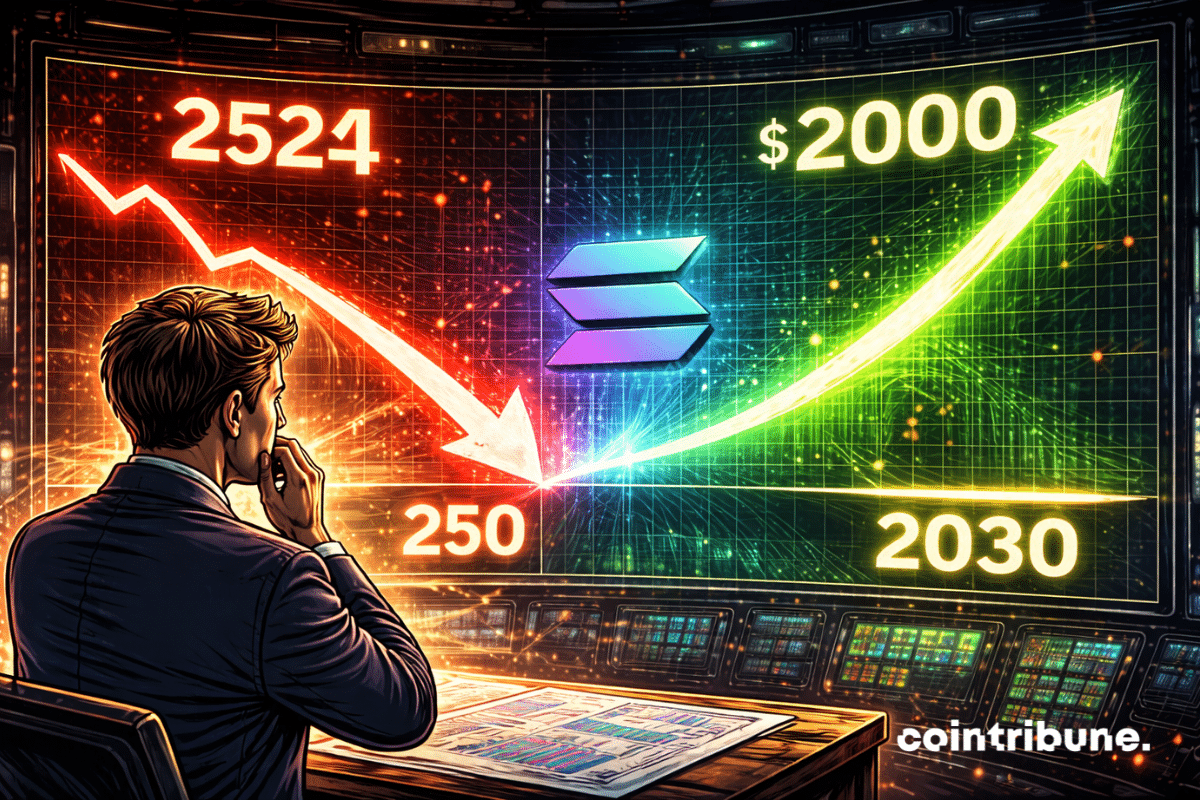
Solana To Hit $250 In 2026 ? Bank Explains Why
2026/02/05 04:05

Securities Fraud Investigation Into Corcept Therapeutics Incorporated (CORT) Announced – Shareholders Who Lost Money Urged To Contact Glancy Prongay Wolke & Rotter LLP, a Leading Securities Fraud Law Firm
2026/02/05 04:00

This is Trump's plot to rig the midterms — we must unite to beat it
2026/02/05 03:57
Over 80% of 135 Ethereum L2s record below 1 user operation per second
2026/02/05 03:52