Lending

Lending protocols form the backbone of the decentralized money market, allowing users to lend or borrow digital assets without intermediaries. Using smart contracts, platforms like Aave and Morpho automate interest rates based on supply and demand while requiring over-collateralization for security. The 2026 lending landscape features advanced permissionless vaults and institutional-grade credit lines. This tag covers the evolution of capital efficiency, liquidations, and the integration of diverse collateral types, including LSTs and tokenized RWAs.

14458 Articles
Created: 2026/02/02 18:52
Updated: 2026/02/02 18:52

Dogecoin Price Prediction: Is Doge Still The Best Crypto Investment, Or Will Pepeto Make You Rich In 2025

Dogecoin Price Prediction: Is Doge Still The Best Crypto Investment, Or Will Pepeto Make You Rich In 2025

Focus is shifting toward projects that marry community with real on chain utility. People searching best crypto to buy now […] The post Dogecoin Price Prediction: Is Doge Still The Best Crypto Investment, Or Will Pepeto Make You Rich In 2025 appeared first on Coindoo.

Author: Coindoo
Sneak peek: blockchain meets contemporary art at Tezos Berlin

Sneak peek: blockchain meets contemporary art at Tezos Berlin

This November, Berlin will host a three day showcase featuring over 200 digital artists showcasing their art from some the largest marketplaces on the Tezos blockchain. Here are some highlights you can look forward to from the exhibition. Art on…

Author: Crypto.news
Careers in Metaverse: Your Guide to the Future Economy

Careers in Metaverse: Your Guide to the Future Economy

The post Careers in Metaverse: Your Guide to the Future Economy appeared on BitcoinEthereumNews.com. If you are looking for a job in the metaverse, you are not alone. The metaverse is no longer just a concept or an experiment. Over the past three years, it has grown into a thriving part of the digital economy. Today, millions of people use it daily for work, communication, learning, and entertainment. Deeply connected to Web 3.0 and the spatial web, Metaverse was earlier described as the “next version of the internet.” The platform has now become a mainstream reality, combining advanced technologies like blockchain, artificial intelligence, augmented reality (AR), virtual reality (VR), and 3D graphics into a sigle interactive world. In 2025, the metaverse is shaping industries, creating new professions, and offering income opportunities that did not exist a few years ago. Yet, it is still evolving. The people building it today will shape its future. That means there is still room for early adopters to make a big impact. Whether you are a developer, designer, marketer, educator, or entrepreneur, there are multiple entry points into the metaverse job market. But before you apply, you need to understand the skills, branding, and opportunities available in 2025. Experience and Skills Required in 2025 Working in the Metaverse is not a herculean task if you have the required skills. While some roles are technical, others are creative or strategic. The most in-demand technical skills include AR/VR development, blockchain programming, smart contract creation, and 3D game design.  Creative skills include storytelling, virtual architecture, and user experience (UX) design. In addition, marketing, community management, and event planning skills are in demand to help brands connect with audiences in the virtual space. At this juncture, a question arises over the role of education in the Metaverse. However, you don’t need a full university degree to break into the field. Online courses, specialized…

Author: BitcoinEthereumNews
Crypto Credit, Borrowing to Drive Next Big Wave: Bitwise CEO

Crypto Credit, Borrowing to Drive Next Big Wave: Bitwise CEO

The post Crypto Credit, Borrowing to Drive Next Big Wave: Bitwise CEO appeared on BitcoinEthereumNews.com. Key Highlights:  Bitwise CEO Hunter Horsley predicts that credit and borrowing in crypto could explode in the next few months.  Turning U.S. stocks into tokens could let people borrow on the blockchain even with small amounts of shares. This will make credit much easier to access.  Industry data confirms strong growth in on-chain lending and staking.  The crypto industry has survived various waves of innovation, from the rise of Bitcoin and Ethereum to decentralized finance taking over, NFTs, and the anticipated surge of spot exchange-traded funds (ETFs). But according to Bitwise CEO Hunter Horsley, the next big shift might not come from these areas, but it could come from crypto credit and borrowing. Speaking on the evolving role of digital assets in traditional capital markets, Horsley projected that credit markets built on crypto and tokenized assets will see explosive growth in the next few years. He also suggested that this transformation could come through within the next 6-12 months and it will reshape how crypto market works. Bitwise CEO talks about the next big thing in crypto The Two Vectors of Growth Horsley in his post on X (formerly known as Twitter) highlighted two major forces that might be converging in the near future: The first reason is the size of the crypto market. As of now, there’s almost $4 trillion worth of cryptocurrency in circulation worldwide and as we can see the number is growing day by day. Due to this growth, many investors do not want to sell their coins, but they still need cash sometimes. According to the Bitwise CEO, borrowing against crypto makes more sense because instead of selling coins, people can instead use them as collateral for loans. In this way, the investors get the money that they want, and their investment in crypto also…

Author: BitcoinEthereumNews
US Federal Reserve Cut Rate; BTC Price and ETH Price Commence Upticks

US Federal Reserve Cut Rate; BTC Price and ETH Price Commence Upticks

The post US Federal Reserve Cut Rate; BTC Price and ETH Price Commence Upticks appeared on BitcoinEthereumNews.com. The US Federal Reserve cut lending rate by 25 bps. BTC price and ETH price noted an increase in their respective values over the last 24 hours. Spot Bitcoin ETF and Spot Ether ETF are expected to correct yesterday’s outflow. The US Federal Reserve has cut lending rates, signaling that two more cuts could happen by the end of the year. Rate cuts have come amid a softening job market, rising inflation, and political pressure. BTC price and ETH price surged in the last 24 hours, hinting that earlier corrections could be reversed in the days to come. Rate cuts have also triggered anticipation for inflows into Spot BTC ETF and Spot Ether ETF. Rate Cut by the US Federal Reserve According to a report by Financial Express, the US Federal Reserve has cut lending rates by 25 bps. This is the first time in 2025 that the US Fed has slashed the rate to bring it within the range of 4.0 – 4.25%. Jerome Powell, Federal Reserve Chair, has hinted that two more cuts of 25 bps are on the table by year-end. Rate cut by the US Federal Reserve has come due to softening of the job market, which has pointed out a rise in unemployment. Also, the US inflation reached 2.92% as of August 31, 2025, up from 2.70% as of July 31, 2025. Reportedly, the US Federal Reserve decided to cut the lending rate after the political pressure strengthened from the Trump Administration. Upticks in BTC Price and ETH Price The impact of rate cut is seen on BTC price and ETH price, with both increasing over the last 24 hours. BTC price is $117,426.34, slightly up by 0.89%. It further reflects a rise of 2.88% in the last 7 days, with a significant surge of…

Author: BitcoinEthereumNews
DBS Bank teams up with Franklin Templeton and Ripple on tokenized fund solutions

DBS Bank teams up with Franklin Templeton and Ripple on tokenized fund solutions

DBS Bank has collaborated with Franklin Templeton and Ripple to develop trading and lending solutions using tokenized money market funds and the RLUSD stablecoin.

Author: Coinstats
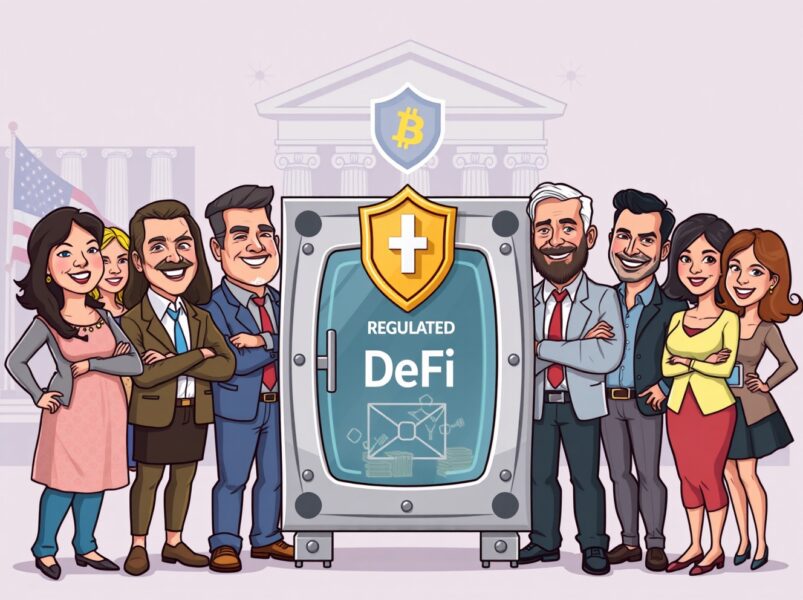
4 in 10 Americans Ready for Regulated DeFi: A Pivotal Survey on DeFi Regulation

4 in 10 Americans Ready for Regulated DeFi: A Pivotal Survey on DeFi Regulation

BitcoinWorld 4 in 10 Americans Ready for Regulated DeFi: A Pivotal Survey on DeFi Regulation The world of decentralized finance, or DeFi, is often seen as a frontier, exciting but perhaps a little wild. However, a groundbreaking survey from the DeFi Education Fund reveals a surprising truth: a significant portion of Americans are ready to embrace DeFi regulation. This isn’t just a niche interest; it’s a clear signal that mainstream adoption hinges on establishing clear, thoughtful rules for this innovative financial ecosystem. What’s the Buzz Around DeFi Regulation? Imagine a financial system that’s open, transparent, and accessible to everyone, everywhere. That’s the promise of DeFi. Yet, for many, the lack of established guidelines has been a major hurdle. The recent survey sheds light on this hesitation, indicating that nearly half of all Americans are willing to dive into DeFi, but only if it operates within a regulated framework. Key Finding: 42% of respondents would use DeFi under a regulated framework. This figure highlights a strong desire for security and clarity. Payment Services Potential: Among those willing, a remarkable 84% expressed readiness to try DeFi-based payment services. This suggests a massive untapped market for innovative payment solutions. This data points to a crucial intersection where innovation meets consumer protection. It suggests that appropriate DeFi regulation could unlock a new era of financial services for millions. Why Are Americans Eyeing Regulated DeFi? It’s not just about curiosity; there’s a deeper reason behind this willingness to engage with regulated DeFi. The survey also uncovered a significant lack of trust in existing financial systems. Only 29% of respondents believe the current U.S. financial system is truly safe. This sentiment is powerful. It indicates that people are actively seeking alternatives that offer greater transparency, security, and fairness. DeFi regulation, when done right, can provide the assurance needed for individuals to confidently explore these new avenues. It’s about building bridges of trust between cutting-edge technology and everyday users. Consider the benefits: enhanced consumer protection, reduced fraud risks, and a level playing field for all participants. These are the pillars upon which a trusted financial system, traditional or decentralized, must stand. The Promise of Regulated DeFi Payments The enthusiasm for DeFi isn’t limited to just financial products like lending or borrowing. A significant portion of the surveyed group expressed a strong interest in using DeFi for everyday transactions. The idea of regulated DeFi-based payment services is particularly appealing. Faster Transactions: Imagine sending money globally in minutes, not days. Lower Fees: Bypassing traditional intermediaries can significantly reduce costs. Greater Control: Users maintain more direct control over their funds. These advantages, combined with the security provided by clear DeFi regulation, could revolutionize how we think about and use money daily. It’s about creating more efficient, inclusive, and user-centric payment experiences. Navigating the Path to Mainstream DeFi Regulation While the demand for regulated DeFi is evident, the path to achieving it is complex. Regulators face the challenge of understanding a rapidly evolving technology while simultaneously protecting consumers and fostering innovation. This isn’t a simple task, but the survey provides a clear mandate for action. Key Considerations for Effective DeFi Regulation: Clarity: Establishing clear definitions and legal frameworks for DeFi protocols and assets. Consumer Protection: Implementing safeguards against scams, hacks, and financial exploitation. Innovation: Crafting rules that don’t stifle technological advancement and growth. Global Coordination: Harmonizing regulations across different jurisdictions to prevent arbitrage and ensure market stability. The future of finance could very well be decentralized, but its widespread adoption depends heavily on thoughtful and effective DeFi regulation. It’s a collaborative effort between innovators, users, and policymakers to build a financial system that serves everyone. Summary: A Clear Call for Action The survey from the DeFi Education Fund delivers a compelling message: Americans are ready for DeFi, but they want it to be safe and sound. The willingness of 4 in 10 respondents to engage with regulated DeFi, coupled with the strong interest in payment services, underscores the immense potential of this technology. It also highlights a critical opportunity for regulators to step up and provide the clarity and oversight necessary to unlock DeFi’s full promise. The future of finance is evolving, and DeFi regulation will be a cornerstone of its mainstream success. Frequently Asked Questions About Regulated DeFi Q1: What is DeFi? A1: DeFi, or decentralized finance, refers to financial services built on blockchain technology. These services, like lending, borrowing, and trading, operate without traditional intermediaries such as banks, using smart contracts instead. Q2: Why do Americans want DeFi to be regulated? A2: Americans desire regulation for DeFi primarily for security and trust. Many are wary of unregulated financial systems due to potential risks like fraud, hacks, and lack of consumer protection. Regulation can provide a framework of safety and legitimacy. Q3: What benefits could regulated DeFi offer? A3: Regulated DeFi could offer several benefits, including enhanced consumer protection, reduced risks of scams, greater transparency, potentially faster and cheaper financial services (especially payments), and increased trust, leading to broader adoption. Q4: How does DeFi regulation compare to traditional finance regulation? A4: Traditional finance operates under well-established, comprehensive regulatory frameworks. DeFi regulation is still evolving and aims to apply similar principles of consumer protection and market integrity to a decentralized, blockchain-based environment, often requiring new approaches due to its unique technological characteristics. Q5: What are the challenges in implementing DeFi regulation? A5: Challenges include the decentralized and global nature of DeFi, which makes enforcement difficult; the rapid pace of technological innovation; defining which entities are responsible for compliance; and ensuring regulations foster innovation rather than stifling it. Found this article insightful? Share it with your friends, colleagues, and anyone interested in the future of finance and the exciting potential of regulated DeFi! Your shares help spread awareness and foster important conversations. To learn more about the latest crypto market trends, explore our article on key developments shaping DeFi institutional adoption. This post 4 in 10 Americans Ready for Regulated DeFi: A Pivotal Survey on DeFi Regulation first appeared on BitcoinWorld.

Author: Coinstats
2 Cryptocurrencies Under $0.50 That Could Reach $2.50 This Cycle

2 Cryptocurrencies Under $0.50 That Could Reach $2.50 This Cycle

In a market where most sub-$1 coins are speculation-driven, there are certain projects which are beginning to break through by offering real-world utility and long-term value for growth. Dogecoin (DOGE) and Mutuum Finance (MUTM) currently trading in the sub-$0.50 zone, have recently gained attention for their potential to hit as high as $2.50 in the […]

Author: Cryptopolitan
DBS, Franklin Templeton, Ripple Partner to Launch Tokenized Trading, Lending on XRP Ledger

DBS, Franklin Templeton, Ripple Partner to Launch Tokenized Trading, Lending on XRP Ledger

Singapore’s DBS Bank has signed an MOU with Franklin Templeton and Ripple to list tokenized money market fund on DBS Digital Exchange. Announced on Thursday, the partnership will offer accredited and institutional investors with trading and lending solutions. The services will leverage tokenised money market funds on the XRP Ledger blockchain and Ripple’s RLUSD stablecoin. Further, DBS said that it will list Franklin Templeton’s sgBENJI token and RLUSD on its exchange. The listing will “enable clients to manage their digital asset portfolios more nimbly in response to rapidly changing market conditions.” This means that eligible investors can swap between sgBENJI and Ripple’s RLUSD to earn yield, even during high volatility. According to DBS, the setup could boost efficiency and liquidity in Singapore and global markets. Lim Wee Kian, CEO of DBS Digital Exchange, said that the solution can meet the unique demands of a borderless 24/7 asset class. “This partnership demonstrates how tokenised securities can play that role while injecting greater efficiency and liquidity in global financial markets.” DBS to Help Clients Unlock Liquidity Further, DBS is planning to explore enabling sgBENJI tokens to be used as collateral to obtain credit from bank-run repo transactions or third-party platforms, where DBS would act as the agent holding the collateral. The move gives clients access to wider liquidity pools, enabling them to leverage their digital assets to obtain credit. “2025 has been marked by a series of industry-firsts when it comes to traditional financial institutions moving onchain – and the linkup between Ripple, DBS and Franklin Templeton to enable repo trades for a tokenised money market fund with a regulated, stable and liquid mode of exchange such as RLUSD is truly a game-changer,” said Nigel Khakoo, VP and Global Head of Trading and Markets at Ripple. Regulated Tokenized Assets Finally Get Institutional Runway in Asia Major funds in the APAC region are looking for frictionless digital on-ramps. When it comes to compliance, Singapore has one of the strictest—but clearest—crypto regulatory regimes. The MOU ensures adherence to AML/KYC and investor protection rules, setting a best-practice example. Singapore’s largest lender, DBS, already offers tokenized structured notes on the Ethereum public blockchain to eligible investors of digital platforms, including ADDX, DigiFT and HydraX. The city-state has been deepening its role as a hub for tokenized finance. Besides, Monetary Authority of Singapore (MAS), has been advancing industry trials under Project Guardian. It has been exploring how asset tokenization can be integrated with existing market infrastructure

Author: CryptoNews
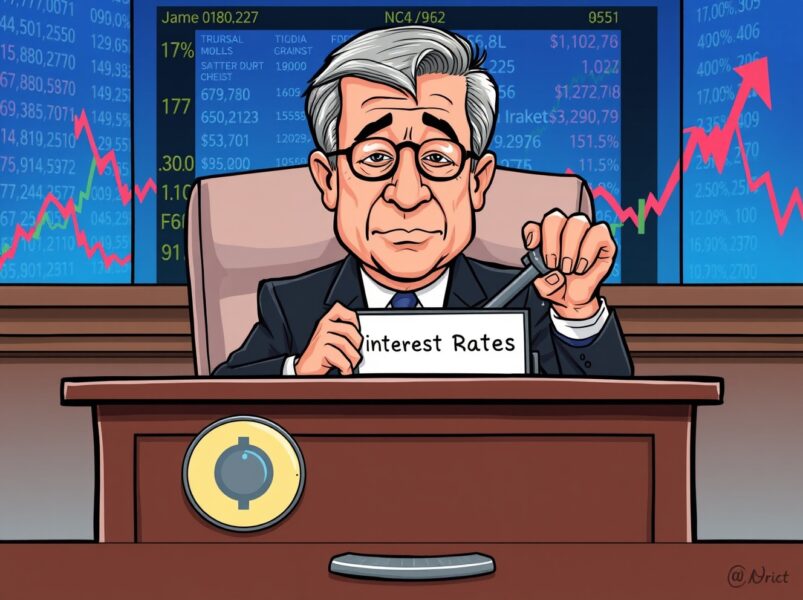
Crucial Fed Rate Cut: Powell’s Bold Risk Management Move Explained

Crucial Fed Rate Cut: Powell’s Bold Risk Management Move Explained

BitcoinWorld Crucial Fed Rate Cut: Powell’s Bold Risk Management Move Explained In a significant development for global financial markets, Federal Reserve Chair Jerome Powell recently described the latest Fed rate cut as a critical risk management measure. This statement immediately captured the attention of investors, economists, and especially those in the dynamic cryptocurrency space. Understanding Powell’s rationale and the potential implications of this move is essential for navigating today’s complex economic landscape. What Exactly is a Fed Rate Cut and Why Does it Matter? A Fed rate cut refers to the Federal Reserve lowering the target range for the federal funds rate. This is the interest rate at which commercial banks borrow and lend their excess reserves to each other overnight. When the Fed lowers this rate, it typically makes borrowing cheaper across the entire economy. This decision impacts everything from mortgage rates to business loans. The Fed uses interest rates as a primary tool to influence economic activity, aiming to achieve maximum employment and stable prices. A lower rate often stimulates spending and investment, but it can also signal concerns about economic slowdown. Key reasons for a rate cut often include: Slowing economic growth or recession fears. Low inflation or deflationary pressures. Global economic instability impacting domestic markets. A desire to provide more liquidity to the financial system. Powell’s emphasis on ‘risk management’ suggests a proactive approach. The Fed is not just reacting to current data but also anticipating potential future challenges. They are essentially trying to prevent a worse economic outcome by adjusting policy now. How Does a Fed Rate Cut Influence the Broader Economy? When the Federal Reserve implements a Fed rate cut, it sends ripples throughout the financial world. For traditional markets, lower interest rates generally mean: Boost for Stocks: Companies can borrow more cheaply, potentially increasing profits and stock valuations. Investors might also move money from lower-yielding bonds into equities. Cheaper Borrowing: Consumers and businesses enjoy lower rates on loans, from mortgages to credit cards, encouraging spending and investment. Weaker Dollar: Lower rates can make a country’s currency less attractive to foreign investors, potentially leading to a weaker dollar. Bond Market Shifts: Existing bonds with higher yields become more attractive, while newly issued bonds will have lower yields. This shift in monetary policy aims to inject confidence and liquidity into the system, countering potential economic headwinds. However, there’s always a delicate balance to strike, as too much stimulus can lead to inflationary pressures down the line. What Does This Fed Rate Cut Mean for Cryptocurrency Investors? The impact of a Fed rate cut on the cryptocurrency market is often a topic of intense discussion. While crypto assets operate independently of central banks, they are not immune to broader macroeconomic forces. Here’s how a rate cut can play out: Increased Risk Appetite: With traditional savings and bond yields potentially lower, investors might seek higher returns in riskier assets, including cryptocurrencies like Bitcoin and Ethereum. Inflation Hedge Narrative: Some view cryptocurrencies, particularly Bitcoin, as a hedge against inflation and traditional currency debasement. If a rate cut leads to concerns about inflation, this narrative could gain traction. Liquidity Influx: A more accommodative monetary policy can increase overall liquidity in the financial system, some of which may flow into digital assets. Dollar Weakness: A weaker dollar, a potential consequence of rate cuts, can sometimes make dollar-denominated assets like crypto more appealing to international investors. However, it’s crucial to remember that the crypto market also has its unique drivers, including technological developments, regulatory news, and market sentiment. While a Fed rate cut can provide a tailwind, it’s not the sole determinant of crypto performance. Navigating the New Landscape: Actionable Insights for Crypto Investors Given the Federal Reserve’s stance on risk management through a Fed rate cut, what steps can crypto investors consider? Stay Informed: Keep a close watch on further Fed announcements and economic data. Understanding the broader macroeconomic picture is vital. Diversify Your Portfolio: While a rate cut might favor risk assets, a balanced portfolio that includes a mix of traditional and digital assets can help mitigate volatility. Long-Term Perspective: Focus on the fundamental value and long-term potential of your chosen cryptocurrencies rather than short-term fluctuations driven by macro news. Assess Risk Tolerance: Re-evaluate your personal risk tolerance in light of potential market shifts. Lower rates can encourage speculation, but prudence remains key. Powell’s description of the Fed rate cut as a risk management measure highlights the central bank’s commitment to maintaining economic stability. For cryptocurrency enthusiasts, this move underscores the increasing interconnectedness of traditional finance and the digital asset world. While a rate cut can create opportunities, a thoughtful and informed approach is always the best strategy. Frequently Asked Questions (FAQs) What exactly is a Fed rate cut? A Fed rate cut is when the Federal Reserve lowers its target for the federal funds rate, which is the benchmark interest rate banks charge each other for overnight lending. This action makes borrowing cheaper across the economy, aiming to stimulate economic activity. Why did Powell emphasize “risk management” for this Fed rate cut? Jerome Powell emphasized “risk management” to indicate that the Fed was proactively addressing potential economic slowdowns or other future challenges. It suggests a preventative measure to safeguard against adverse economic conditions rather than merely reacting to existing problems. How does a Fed rate cut typically affect the crypto market? A Fed rate cut can make traditional investments less attractive due to lower yields, potentially driving investors towards higher-risk, higher-reward assets like cryptocurrencies. It can also increase overall market liquidity and strengthen the narrative of crypto as an inflation hedge. Should crypto investors change their strategy after a rate cut? While a rate cut can influence market dynamics, crypto investors should primarily focus on their long-term strategy, fundamental research, and risk tolerance. It’s wise to stay informed about macroeconomic trends but avoid making impulsive decisions based solely on a single policy change. What are the potential downsides of a Fed rate cut? Potential downsides include increased inflationary pressures if the economy overheats, a weaker national currency, and the possibility of creating asset bubbles as investors chase higher returns in riskier markets. It can also signal underlying concerns about economic health. Did you find this article insightful? Share your thoughts and help others understand the implications of the Fed’s latest move! Follow us on social media for more real-time updates and expert analysis. To learn more about the latest crypto market trends, explore our article on key developments shaping Bitcoin’s price action. This post Crucial Fed Rate Cut: Powell’s Bold Risk Management Move Explained first appeared on BitcoinWorld.

Author: Coinstats