Index

A crypto Index provides a way for investors to gain diversified exposure to a specific basket of digital assets through a single tokenized product. These indices often track specific sectors, such as DeFi, DePIN, or RWA, and are automatically rebalanced via smart contracts. In 2026, AI-managed thematic indices have become the gold standard for passive investing, allowing users to track the "blue chips" of the Web3 economy without manual portfolio management. This tag covers index methodology, rebalancing frequency, and the benefits of diversified crypto baskets.

25329 Articles
Created: 2026/02/02 18:52
Updated: 2026/02/02 18:52
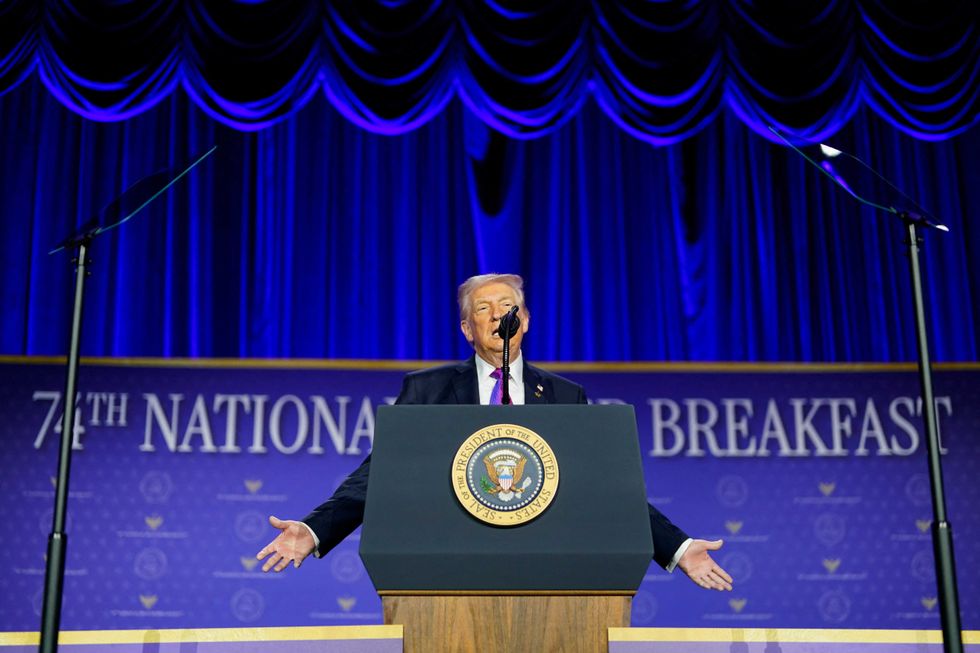
Chainlink and Pyth bring U.S. government economic data onchain

Chainlink and Pyth bring U.S. government economic data onchain

The U.S. Department of Commerce has launched a major blockchain initiative by using Chainlink and Pyth Network to publish official economic data onchain. The U.S. government has started publishing key economic indicators onchain. The initiative, led by the Department of…

Author: Crypto.news
How AI is Revolutionizing Trading Bot: A Beginner’s Guide

How AI is Revolutionizing Trading Bot: A Beginner’s Guide

In a remarkable display of innovation, 17-year-old Nathan Smith from rural Oklahoma has developed a fully-automated trading model using ChatGPT that has outperformed the Russell 2000 Index over a four-week period. Starting with a modest $100 investment, Nathan’s AI-driven portfolio achieved a 23.8% return, significantly surpassing the Russell 2000’s 3.9% gain and the SPDR S&P Biotech ETF (XBI)’s 3.5% increase during the same timeframe. This achievement, reported on August 1, 2025, has sparked widespread interest in the potential of AI in financial trading. This article explores Nathan’s experiment, its methodology, performance, and implications for the future of investing. Background: A Young Innovator’s Vision Nathan Smith, a high school student with a passion for technology and finance, embarked on this ambitious project after being inspired by advertisements about AI-driven stock pickers. Curious about whether a large language model like ChatGPT could effectively manage a stock portfolio, Nathan designed a six-month experiment to test its capabilities. His goal was to see if AI could generate consistent returns, or “alpha,” in the volatile world of micro-cap stocks. Unlike traditional investors with access to expensive tools, Nathan relied solely on ChatGPT, a $100 budget, and his coding skills, making his achievement all the more impressive. The Experiment: How ChatGPT Trades Stocks Nathan’s experiment, running from June 27 to December 27, 2025, is designed to evaluate ChatGPT’s ability to manage a $100 portfolio of U.S.-listed micro-cap stocks — companies with market capitalizations under $300 million. These stocks are often under-analyzed due to limited media coverage, making them a challenging yet intriguing testbed for AI-driven analysis. The experiment’s structure is both simple and rigorous: AI Autonomy: ChatGPT has full control over the portfolio, making all buy and sell decisions without human intervention, except for Nathan executing the trades as instructed. Weekly Deep Research: Each week, ChatGPT conducts a comprehensive analysis, or “deep research,” to reevaluate its holdings and adjust the portfolio based on market data. Micro-Cap Focus: The AI is restricted to full-share positions in U.S.-listed micro-cap stocks, which are inherently volatile but offer potential for high returns. Transparency: Nathan documents the entire process on platforms like Reddit (r/Dataisbeautiful) and GitHub, making the experiment open-source and accessible for others to review or replicate. His GitHub repository includes performance charts, Python scripts for tracking results, and detailed trade logs. Nathan’s setup leverages ChatGPT’s ability to process vast amounts of data, identify patterns, and make decisions free from emotional biases. For example, he feeds the AI daily closing prices and volume data, allowing it to propose trades based on its analysis. This approach contrasts with traditional trading, where human judgment often influences decisions. GitHub: https://github.com/LuckyOne7777/ChatGPT-Micro-Cap-Experiment?tab=readme-ov-file Performance: Outpacing Market Benchmarks The early results of Nathan’s experiment have been striking. Over the first four weeks (June 30 to July 25, 2025), his portfolio achieved a 23.8% return, compared to the Russell 2000 Index’s 3.9% and the SPDR S&P Biotech ETF (XBI)’s 3.5%. This performance translates to a profit of approximately $24–$25 on his $100 investment, a modest absolute gain but a significant percentage increase. A recent update from Nathan’s blog on August 3, 2025, indicates that the portfolio faced challenges in its fifth week. Some planned orders, such as a limit sell for AZTR and a limit buy for AXGN at $7.00 (versus a previous close of ~$13), did not execute as expected, prompting the AI to adopt a more defensive strategy by holding more cash. Despite these setbacks, the portfolio’s overall performance remains strong, with a Sharpe Ratio of 0.8803 and a Sortino Ratio of 1.8735, indicating solid risk-adjusted returns and effective downside risk management. Nathan’s portfolio has shown particular interest in stocks like Inspira Technologies (IINN), though he notes that the AI’s preference for this stock, despite its history of losses, may overlook macroeconomic factors affecting the biotech sector. This observation highlights both the strengths and limitations of relying solely on AI for trading decisions. Analysis: The Power and Limits of AI in Trading Nathan’s experiment underscores the transformative potential of AI in financial markets. By leveraging ChatGPT’s pattern recognition capabilities, the model identifies opportunities in micro-cap stocks that might be missed by human analysts or traditional algorithms. The AI’s ability to process data without emotional bias — such as fear of losses or overconfidence — gives it an edge in volatile markets. However, the experiment’s short timeframe and small scale raise important considerations: Short-Term Results: A four-week period is insufficient to prove long-term profitability. Micro-cap stocks are highly volatile, and sustained performance over the full six months will be critical. Scalability: A $100 portfolio limits the experiment’s real-world applicability. Scaling to larger portfolios may introduce complexities, such as liquidity constraints or market impact. Risk Factors: Micro-cap stocks carry significant risks, including price manipulation and low trading volumes, which could affect the AI’s performance over time. Public reactions to Nathan’s experiment reflect a mix of admiration and skepticism. Some praise his ingenuity, suggesting that his work could inspire future innovations in fintech. Others caution that one month’s success does not guarantee reliability, emphasizing the need for longer-term data. Despite these concerns, Nathan’s transparent documentation sets his project apart from unverified AI trading claims, fostering trust and collaboration within the financial community. Future Prospects: Refining the Model Nathan is committed to continuing the experiment through December 2025, with weekly updates posted on his Substack blog. Recent adjustments include refining ChatGPT’s prompts to incorporate more comprehensive portfolio data during weekly deep research sessions. For example, after failed trades in week five, the AI shifted to a more defensive strategy, holding $32 in cash and reducing positions in stocks like ABEO. Nathan also plans to share unfiltered chat logs to provide deeper insights into the AI’s decision-making process. His open-source approach invites feedback, with Nathan encouraging suggestions via email (nathanbsmith729@gmail.com). This collaborative spirit could lead to improvements in the model, potentially addressing limitations like the AI’s oversight of macroeconomic factors. As the experiment progresses, it may offer valuable lessons for both individual investors and financial institutions exploring AI-driven trading. Conclusion: A Glimpse into the Future of Finance Nathan Smith’s experiment is a testament to the power of AI and the potential for young innovators to disrupt traditional industries. By achieving a 23.8% return in just four weeks, he has demonstrated that even with limited resources, AI can compete with established market benchmarks. While challenges remain — particularly regarding long-term performance and scalability — his work provides a compelling case study in the evolving role of AI in stock trading. As Nathan continues his six-month journey, his experiment will likely inspire others to explore the intersection of AI and finance. Whether it marks the beginning of a new era in trading or serves as a learning opportunity, one thing is clear: Nathan Smith is a young prodigy to watch, and his ChatGPT-powered trading model is pushing the boundaries of what’s possible in the financial world.Learn More: Best Solana Wallets to Copy Trading Best Solana Copy Trade Bots Best Solana Sniper Bots Best Solana Meme Coins Bots Best Solana Trading Bots Bullx Neo Access Code Axiom Trade Axiom Invite Code GMGN invite Code BUXLL NEO How AI is Revolutionizing Trading Bot: A Beginner’s Guide was originally published in Coinmonks on Medium, where people are continuing the conversation by highlighting and responding to this story

Author: Medium
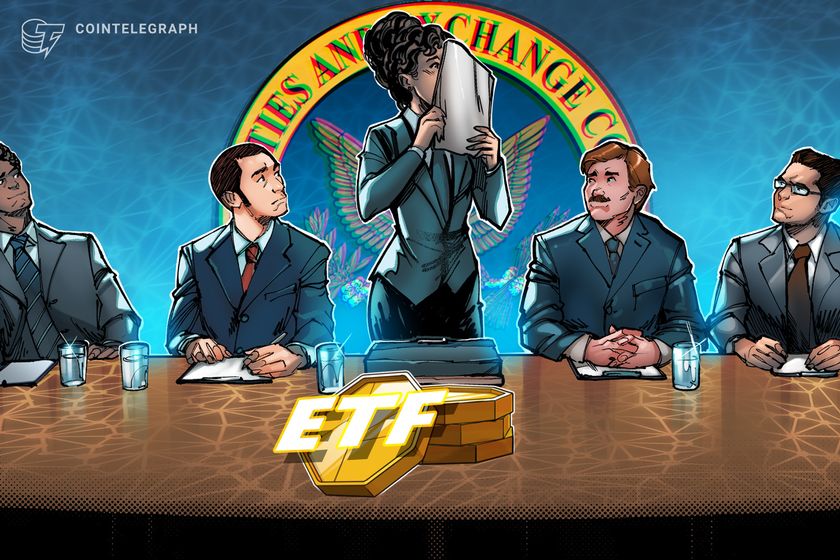
21Shares seeks SEC approval for first spot Sei ETF

21Shares seeks SEC approval for first spot Sei ETF

21Shares has filed with the SEC for a spot Sei ETF, aiming to expand altcoin exposure for U.S. investors.

Author: Crypto.news
LunarCrush Reveals The Top 10 Altcoins Capturing Investor Attention

LunarCrush Reveals The Top 10 Altcoins Capturing Investor Attention

The post LunarCrush Reveals The Top 10 Altcoins Capturing Investor Attention appeared on BitcoinEthereumNews.com. LunarCrush announced its most recent Altrank rankings, which identified the top 10 altcoins that produced substantial momentum in both price and social activity. Altrank is a proprietary index invented by LunarCrush that is based on the performance of an altcoin relative to Bitcoin and indicators of social activity across the crypto ecosystem.  Such a combination of market information and community indicators will provide investors and fans with a better understanding of what tokens are really active at a certain time. CRO and BIO Lead the LunarCrush Pack CRO, Cronos’ native token, is at the top of this week. The recent rise in the use of decentralized applications and its usefulness within the Crypto.com ecosystem, has helped CRO maintain its lead.  BIO, right behind, has been experiencing a resurgence over the past few weeks as enthusiasm around biotech and decentralized health-related blockchain applications has grown. The rise of BIO depicts how sector-specific tokens are increasingly taking the role of transforming real-world industries using blockchain. NMR, TREE, and PUMP Secure Middle Positions The other notable player here is NMR, which is a token that is improving innovation in the AI and data science industry. With the increasing rate of machine learning adoption, NMR has caught the attention of more developers and investors interested in exposure to the trend. TREE, a sustainable blockchain initiative, also entered the LunarCrush list, taking advantage of the rising focus on sustainability in the crypto sphere. In the meantime, PUMP is still making a lot of hype with the community, which ensures that it places it in the middle of the list.  The fact that the token has managed to remain relevant despite market changes underlines the influence of social interaction on the valuation. RAY and LPT Maintain Investor Confidence Other rankings included RAY (Raydium) which is a…

Author: BitcoinEthereumNews
Ethereum Founder Vitalik Buterin Gives Date for Potential Deadly Threat Facing Cryptocurrencies

Ethereum Founder Vitalik Buterin Gives Date for Potential Deadly Threat Facing Cryptocurrencies

The post Ethereum Founder Vitalik Buterin Gives Date for Potential Deadly Threat Facing Cryptocurrencies appeared on BitcoinEthereumNews.com. Ethereum (ETH) founder Vitalik Buterin has made a remarkable assessment of the potential impact of quantum computers on modern cryptography. Buterin stated that he sees a 20% probability of this technology being able to break current encryption methods by 2030. In his statement, Buterin touched on the magnitude of the threat quantum computers pose and its timeline: “Looking at prediction platforms like Metaculous, it’s estimated that quantum computers will be powerful enough to break cryptography between 2030 and 2035. There’s a lot of speculation out there right now; some companies claim to be developing quantum computers, but in reality, they’re quantum adiabatic computers that don’t even come close to breaking cryptography.” Buterin also stated that the Ethereum ecosystem is preparing for the quantum threat: “Justin Drake is working on quantum-resistant signatures. STARKs are already quantum-resistant. Great progress is being made in this area, and I’m optimistic that Ethereum can adapt.” Ledger CTO Charles Guillemet, while acknowledging the magnitude of the risk, stated that he sees the probability as lower: Vitalik predicts a 20% chance, but that seems lower to me. The crucial point isn’t the exact probability. NIST has mandated a transition to post-quantum cryptography between 2030 and 2035. We have the necessary tools, but the key is which standards will be implemented and implemented. This is critical not only for blockchain but also for defense, banking, telecom, and identity systems. Although Guillemet stated that blockchain may face difficulties in the adaptation process due to its decentralized structure, he pointed out the sector’s capacity to move quickly: “There is no reason to panic, we just need to work in a focused manner.” *This is not investment advice. Follow our Telegram and Twitter account now for exclusive news, analytics and on-chain data! Source: https://en.bitcoinsistemi.com/ethereum-founder-vitalik-buterin-gives-date-for-potential-deadly-threat-facing-cryptocurrencies/

Author: BitcoinEthereumNews
Ethereum exit queue hits Record $5B ETH, raising Sell Pressure concerns

Ethereum exit queue hits Record $5B ETH, raising Sell Pressure concerns

The post Ethereum exit queue hits Record $5B ETH, raising Sell Pressure concerns appeared on BitcoinEthereumNews.com. Ethereum is seeing the largest validator exodus in crypto history, with over 1 million Ether tokens currently waiting to be withdrawn from staking through Ethereum’s proof-of-stake (PoS) network. Ethereum’s exit queue surpassed 1 million Ether (ETH) worth $4.96 billion on Thursday. This marks the amount of Ether set for withdrawal by the network’s validators, who are responsible for adding new blocks and verifying transactions in proposed blocks, playing a vital role in the functioning of the blockchain network. The mass exodus has extended the validator exit waiting time to a record 18 days and 16 hours, according to blockchain data from validatorqueue.com. While this does not mean that all the validators are looking to sell their holdings, a significant portion of the almost $5 billion may be sold to lock in profits, considering that Ether has risen 72% over the past three months. Ether validator queue. Source: validatorqueue.com “The exit queue hitting 1 million ETH reflects healthy market dynamics rather than a cause for concern,” Marcin Kazmierczak, co-founder of RedStone blockchain oracle firm, told Cointelegraph, adding: “What’s crucial to understand is that these exits pale in comparison to the institutional capital flowing into Ethereum.” The “unprecedented demand” from public vehicles such as treasury firms and exchange-traded funds means that the validator sales are “easily absorbed by this institutional appetite,” he said. Related: Kanye West’s YZY token: 51,000 traders lost $74M, while 11 netted $1M Ether remains the “liquidity magnet” of the crypto market: Analyst Ether remains the “liquidity magnet” of the crypto industry, with Ether futures open interest nearing $33 billion, signaling solid institutional interest, according to Iliya Kalchev, dispatch analyst at digital asset platform Nexo. “Standard Chartered reiterated that ETH and ETH-treasury firms remain undervalued even at these levels, projecting a $7,500 year-end target,” said the analyst, adding: “Combined…

Author: BitcoinEthereumNews
Why Is Pyth Network (PYTH) Price Surging 70% Today?

Why Is Pyth Network (PYTH) Price Surging 70% Today?

The post Why Is Pyth Network (PYTH) Price Surging 70% Today? appeared on BitcoinEthereumNews.com. Key Notes The Bureau of Economic Analysis will distribute GDP and other macroeconomic indicators across nine major blockchains including Bitcoin and Ethereum. PYTH dramatically outperformed Chainlink’s 4% gain, reaching $1 billion market cap for the first time since May 2025. Technical analysis shows golden cross formation with RSI at 70.91, suggesting potential for further gains toward $0.21 resistance level. After opening trading near $0.11, Pyth Network PYTH $0.22 24h volatility: 83.8% Market cap: $1.22 B Vol. 24h: $1.97 B price surged almost 70% intraday on Thursday, Aug. 28, breaching the $0.19 level to hit $1 billion market capitalization for the first time since May. The rally was triggered after the US Department of Commerce confirmed plans to publish official economic data through both Chainlink LINK $24.18 24h volatility: 1.1% Market cap: $16.39 B Vol. 24h: $2.66 B and Pyth Network. The Bureau of Economic Analysis (BEA) will distribute macroeconomic indicators, including GDP, PCE Price Index, and Real Final Sales, across nine blockchains, including Bitcoin, Ethereum, Solana, TRON, Stellar, Avalanche, Arbitrum One, Polygon PoS, and Optimism. Pyth Network Price Action on Aug 28 2025 | Source: CoinMarketCap While Chainlink’s LINK token gained just over 4% before encountering resistance at $25, PYTH dramatically outperformed with a 68% jump. Pyth Network is working with @CommerceGov to power the distribution of gross domestic product data onchain. Chief Executive Officer of Douro Labs, @mdomcahill was the only person quoted in the White House exclusive press release with @Bloomberg to speak on how Pyth Network is… pic.twitter.com/3HfZ65ilIK — Pyth Network 🔮 (@PythNetwork) August 28, 2025 Notably, Mike Cahill, CEO of Pyth parent firm Douro Labs, was the only executive quoted in the official White House press release distributed via Bloomberg, signaling Pyth’s prominent role in the initiative. “The entire administration has embraced this… With today’s announcement…

Author: BitcoinEthereumNews
Astounding Surge To 57 Ignites Market Excitement

Astounding Surge To 57 Ignites Market Excitement

The post Astounding Surge To 57 Ignites Market Excitement appeared on BitcoinEthereumNews.com. Altcoin Season Index: Astounding Surge To 57 Ignites Market Excitement Skip to content Home Crypto News Altcoin Season Index: Astounding Surge to 57 Ignites Market Excitement Source: https://bitcoinworld.co.in/altcoin-season-index-surge-2/

Author: BitcoinEthereumNews
Chainlink Partners With US Department Of Commerce To Bring Macroeconomic Data On-Chain

Chainlink Partners With US Department Of Commerce To Bring Macroeconomic Data On-Chain

Chainlink and the US Department of Commerce (DOC) announced their collaboration to deliver key government macroeconomic data on-chain, aiming to improve transparency and unlock new use cases for blockchain markets. Related Reading: Hong Kong Officials Pull Out Of Bitcoin Asia 2025 Despite Crypto Push – Here’s Why Chainlink Brings Economic Data On-Chain On Thursday, the […]

Author: Bitcoinist
21Shares files to launch SEI ETF, joining race with Canary Capital

21Shares files to launch SEI ETF, joining race with Canary Capital

                                                                               SEI is the native token of the Sei network, a layer-1 blockchain specializing in trading infrastructure for decentralized exchanges and marketplaces.                     Crypto asset manager 21Shares has filed with the US Securities and Exchange Commission (SEC) to launch an exchange-traded fund tracking the price of SEI, following Canary Capital’s application in April. The S-1 registration statement filed with the SEC on Thursday proposes to use crypto price index provider CF Benchmarks to track the price of SEI, using data from multiple crypto exchanges.SEI is the native token of the Sei network, both were launched in August 2023. The network itself is a layer 1 blockchain that specializes in trading infrastructure for decentralized exchanges and marketplaces. Its native token can be used to pay for network gas fees and participate in governance. Read more

Author: Coinstats