Airdrop

An Airdrop is a distribution of free tokens to a community, typically used as a marketing tool or a reward for early protocol adopters and testers. In 2026, the "points-to-airdrop" model has matured into merit-based incentive programs that utilize Sybil-resistance and Proof-of-Humanity to filter out bots. Airdrops remain a primary method for decentralized governance (DAO) bootstrapping. Follow this tag for the latest on retroactive rewards, eligibility criteria, and how to participate in the most anticipated token distributions in the ecosystem.

5368 Articles
Created: 2026/02/02 18:52
Updated: 2026/02/02 18:52
Pilot AI Taps FishWar to Streamline Web3 Gaming and Improve Player Experience

Pilot AI Taps FishWar to Streamline Web3 Gaming and Improve Player Experience

In partnership with FishWar, Pilot AI endeavors to minimize the barriers hindering players and improve the adoption of cutting-edge gaming platforms.

Author: Blockchainreporter
Staking & Airdrops Excluded From Securities

Staking & Airdrops Excluded From Securities

The post Staking & Airdrops Excluded From Securities appeared on BitcoinEthereumNews.com. Crucial US Crypto Bill Draft Offers Clarity: Staking & Airdrops Excluded From Securities Skip to content Home Crypto News Crucial US Crypto Bill Draft Offers Clarity: Staking & Airdrops Excluded from Securities Source: https://bitcoinworld.co.in/us-crypto-bill-clarity/

Author: BitcoinEthereumNews
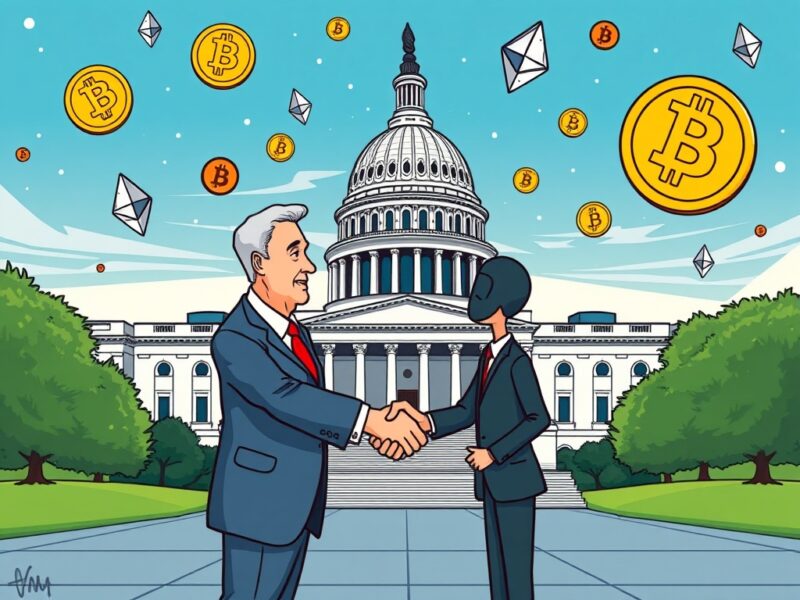
Senate Banking Committee draft bill would exclude staking, airdrops, and DePIN networks from securities laws

Senate Banking Committee draft bill would exclude staking, airdrops, and DePIN networks from securities laws

PANews reported on September 6 that crypto journalist Eleanor Terrett tweeted that the U.S. Senate Banking Committee’s latest draft of the market structure bill has incorporated feedback from stakeholders and lobbying groups. The following are some highlights of the draft: 1. Ancillary Assets (Section 101): This provision is intended to provide clearer legal interpretation, exclude “ancillary assets” from the scope of securities, stipulate that pledges and airdrops are not securities, and provide that SEC enforcement actions and private lawsuits cannot target existing tokens issued before the date of enactment of the bill, provided that these tokens do not constitute fraud. 2. DePIN (Section 504): Adds a new exemption to exempt decentralized physical infrastructure networks from securities laws. 3. Protecting software developers: The new draft retains the self-custody protection clause (Section 506), the DeFi exemption clause (Section 501), and the blockchain regulatory certainty bill (Section 505). 4. SEC-CFTC Coordination: The SEC and CFTC have established processes to jointly form a joint advisory committee to make decisions in the digital asset area (Section 701) and resolve any disputes (Section 702).

Author: PANews
Crucial US Crypto Bill Draft Offers Clarity: Staking & Airdrops Excluded from Securities

Crucial US Crypto Bill Draft Offers Clarity: Staking & Airdrops Excluded from Securities

BitcoinWorld Crucial US Crypto Bill Draft Offers Clarity: Staking & Airdrops Excluded from Securities Exciting news is brewing in the world of digital assets! A revised draft of a pivotal US crypto bill, known as the Digital Asset Market Structure Act (CLARITY), has recently emerged from the U.S. Senate Banking Committee. This development, highlighted by Crypto in America host Eleanor Terrett, signals a significant step towards clearer regulatory waters for the burgeoning cryptocurrency industry. Many in the crypto community are keenly watching these legislative movements, hoping for a framework that fosters innovation while ensuring consumer protection. What Does This Crucial US Crypto Bill Draft Propose? The latest iteration of the CLARITY bill introduces several groundbreaking provisions that could reshape how digital assets are classified and regulated in the United States. Perhaps the most anticipated aspect is its explicit stance on certain crypto activities. Here are the key takeaways from the new draft: Exclusion of Staking from Securities: Crucially, the draft bill proposes that staking, a popular method for earning rewards by holding cryptocurrencies, would not be categorized as a security. This provides much-needed relief and clarity for participants and developers in proof-of-stake networks. Airdrops Are Not Securities: Similarly, the distribution of free tokens, known as airdrops, would also be exempt from securities definitions. This clarification is vital for many decentralized projects that use airdrops for community building and initial distribution. DePIN Exemptions: Decentralized Physical Infrastructure Networks (DePIN), which leverage blockchain to build and operate real-world infrastructure (like decentralized wireless networks or energy grids), would also be exempt from traditional securities laws. This could unlock immense potential for innovation in these hybrid digital-physical sectors. These exclusions are monumental, offering a pathway for crypto projects to operate with greater certainty, potentially reducing the regulatory burden that has often stifled growth. Why is This US Crypto Bill So Significant for the Industry? The implications of this draft US crypto bill extend far beyond just definitions. For years, the lack of a clear regulatory framework in the U.S. has been a major point of contention. Companies and developers have often operated in a gray area, leading to uncertainty and, at times, enforcement actions from regulatory bodies like the Securities and Exchange Commission (SEC). This proposed legislation aims to bring much-needed clarity, offering several benefits: Fostering Innovation: By clarifying that certain core activities like staking and airdrops are not securities, the bill encourages further development and participation in the decentralized finance (DeFi) and broader crypto ecosystems. Reducing Regulatory Arbitrage: A clear framework could help prevent companies from seeking friendlier jurisdictions overseas, potentially bringing more innovation and investment back to the U.S. Investor Confidence: While the bill focuses on definitions, a clear regulatory environment can indirectly boost investor confidence by reducing the perceived risks associated with the industry. Moreover, the draft outlines a procedure for the SEC and the Commodity Futures Trading Commission (CFTC) to form a joint advisory committee. This committee would be tasked with making decisions on crypto-related issues and resolving inter-agency disputes, a crucial step towards cohesive federal oversight. What Protections Does This US Crypto Bill Retain? It’s important to note that this revised draft doesn’t start from scratch. It thoughtfully retains several key provisions from previous versions, ensuring a continuity of protective measures for users and the decentralized nature of crypto. These include: Protections for Self-Custody: The bill continues to safeguard the right of individuals to hold their digital assets directly, outside of third-party custodians. This is a fundamental principle for many in the crypto community, emphasizing individual sovereignty over digital wealth. Exemptions for Decentralized Finance (DeFi): The framework also retains exemptions for certain decentralized finance protocols, recognizing their unique structure and operational model. This is critical for the continued growth and innovation within the DeFi space, which relies on automated, permissionless systems. This balanced approach suggests a thoughtful consideration of the industry’s nuances, aiming to regulate without stifling its core principles. However, it is crucial to remember that this is still a draft, and the legislative journey is often complex and lengthy. Staying informed about the ongoing discussions and potential amendments will be key for anyone involved in the digital asset space. A Promising Step for Digital Assets The emergence of this revised US crypto bill draft marks a potentially transformative moment for the digital asset landscape in the United States. By proposing clear definitions for staking, airdrops, and DePIN, and by fostering inter-agency cooperation, the bill aims to usher in an era of greater regulatory certainty. While the path to becoming law is still ahead, this draft offers a compelling vision for how the U.S. could embrace and regulate cryptocurrencies, paving the way for sustained innovation and growth within the industry. It’s a development that every crypto enthusiast and industry professional should watch closely. Frequently Asked Questions About the US Crypto Bill Q1: What is the Digital Asset Market Structure Act (CLARITY)? A1: The CLARITY Act is a proposed US crypto bill by the U.S. Senate Banking Committee designed to establish a clear regulatory framework for digital assets, defining how they should be classified and overseen. Q2: Why is the exclusion of staking and airdrops from securities definitions important? A2: This exclusion provides much-needed legal clarity for two common crypto activities. It reduces regulatory uncertainty for developers and users, potentially encouraging innovation and participation in decentralized networks without fear of being classified as unregistered securities offerings. Q3: What are Decentralized Physical Infrastructure Networks (DePIN)? A3: DePINs are projects that use blockchain technology to incentivize the building and operation of real-world physical infrastructure, such as wireless networks, energy grids, or data storage, often through token rewards. The bill’s exemption could significantly boost their development. Q4: How will the joint advisory committee between the SEC and CFTC function? A4: The draft bill proposes the formation of a joint advisory committee comprising representatives from both the SEC and CFTC. Its purpose is to collaborate on crypto-related issues, make joint decisions, and resolve jurisdictional disputes, aiming for a more unified regulatory approach. Q5: What existing protections does the new draft bill retain? A5: The revised draft maintains important provisions from earlier versions, including protections for individuals practicing self-custody of their digital assets and exemptions for certain decentralized finance (DeFi) protocols, acknowledging their unique operational models. Enjoyed this insightful update on the evolving crypto regulatory landscape? Share this article with your network and spark a conversation about the future of digital assets! Your engagement helps us bring more crucial news and analysis to the community. To learn more about the latest crypto market trends, explore our article on key developments shaping digital asset institutional adoption. This post Crucial US Crypto Bill Draft Offers Clarity: Staking & Airdrops Excluded from Securities first appeared on BitcoinWorld and is written by Editorial Team

Author: Coinstats
How The US Senate’s New Market Legislation Could Boost Crypto

How The US Senate’s New Market Legislation Could Boost Crypto

The post How The US Senate’s New Market Legislation Could Boost Crypto appeared on BitcoinEthereumNews.com. The Senate Banking Committee just released a draft of its impending market structure legislation. This 182-page document includes many important changes from the last known version. A few particular areas of interest include airdrops and staking, DePIN, and coordination between relevant agencies. Moreover, it expands the usage of regulatory exemptions, which the CFTC has recently been employing. Sponsored Sponsored New Market Structure Legislation Crypto regulation has been a hot topic in the last few months, and the CLARITY Act has been a particularly influential bill. It’s remained in a certain limbo after passing a House vote in July, but the Senate Banking Committee has been revising it. A draft version of this crypto market structure legislation is currently circulating. 🚨NEW: The Senate Banking Committee’s latest market structure draft reflects stakeholder and lobbyist feedback. Here are some standouts from the text: 1. Ancillary Assets (Section 101): This section aims to provide more legal clarity, exclude assets that are clearly… pic.twitter.com/ubK0f1UEF8 — Eleanor Terrett (@EleanorTerrett) September 5, 2025 Sponsored Sponsored Although the full text hasn’t been publicly released, journalists have been scouring the 182-page document. The bill offers substantial changes to the crypto market structure, covering areas of particular interest to the community. For example, the bill explicitly tackles the question of whether or not staking rewards are securities, which has substantial market implications. The Committee is continuing a trend of excluding assets from the securities designation, mentioning airdrops as another exemption. The Laissez-Faire Attitude Expands The market structure bill also includes explicit protections for software developers, which were not in the CLARITY Act. This may be a reaction to the controversial Roman Storm trial, which saw SEC Commissioners and DOJ spokesmen alike criticize the aggressive prosecution. Additionally, the bill seeks to formalize coordination between the SEC and CFTC, which has already…

Author: BitcoinEthereumNews
Revised Crypto Bill Sets Rules for SEC-CFTC Cooperation

Revised Crypto Bill Sets Rules for SEC-CFTC Cooperation

TLDR The Senate Banking Committee released an updated draft of the Crypto Market Structure Bill. The bill clearly exempts staking, airdrops, and DePIN from being classified as securities. It blocks the SEC from taking action against existing non-fraudulent tokens. The bill introduces legal protections for software developers building decentralized platforms. It incorporates the Blockchain Regulatory [...] The post Revised Crypto Bill Sets Rules for SEC-CFTC Cooperation appeared first on Blockonomi.

Author: Blockonomi
Best Crypto to Buy Now Before Market Moves Higher

Best Crypto to Buy Now Before Market Moves Higher

The post Best Crypto to Buy Now Before Market Moves Higher appeared on BitcoinEthereumNews.com. Altcoin momentum is starting to heat up, and with the altcoin season index climbing, traders are keeping a close eye on what could be the next explosive run. While not every project will go parabolic, market sentiment is holding steady, and overall conditions suggest an exciting window for high-potential plays. Some of the best cryptos to buy right now are offering a unique angle in the crypto market. From real-world asset integration to innovative mine-to-earn mechanics and scalable on-chain data solutions, these coins are building strong narratives that could catch fire if altseason truly kicks in Crypto’s Next Phase: Expert Picks the Top Cryptos to Buy Now The crypto market is entering a pivotal phase, with major developments unfolding across technology, regulation, and adoption. The U.S. government is taking bold steps to put economic data directly on-chain, signaling an unprecedented move toward transparency in financial reporting. On the institutional front, Ondo Finance is bridging traditional markets with crypto by launching tokenized U.S. stocks on Ethereum, opening the door for broader access to equities in decentralized ecosystems. Source – Ondo Finance on X Bitwise, a leading digital asset manager, has also released a striking forecast, projecting Bitcoin could hit $1.3 million by 2035. At the same time, the Federal Reserve is preparing to host a conference on DeFi, stablecoin adoption continues to accelerate, and the launch of Trump’s World Liberty token has sparked heated debate. Together, these developments highlight the growing convergence of innovation, politics, and regulation, creating both opportunities and challenges for investors and builders navigating this rapidly evolving space. Amid these shifts, this article highlights the best cryptos to buy now as shared by crypto expert Jacob Crypto Bury, whose full analysis is available in the video below or on his YouTube channel. Epic Chain (EPIC) Epic Chain is…

Author: BitcoinEthereumNews
Experts see strong year-end growth potential for Zexpire

Experts see strong year-end growth potential for Zexpire

Zexpire launches 0DTE DeFi protocol, making crypto options trading simple with one-click. As analyst predictions position Ethereum to challenge the $5000 milestone, the rapid ascent of a new contender, Zexpire, is capturing attention with forecasts of it hitting $3 by…

Author: Crypto.news
Which Best Altcoin To Buy Now Will Deliver 285% ROI in the Next Bull Run? Tapzi, HBAR, CRO Showcase Promising Growth

Which Best Altcoin To Buy Now Will Deliver 285% ROI in the Next Bull Run? Tapzi, HBAR, CRO Showcase Promising Growth

   When discussing which altcoin has the potential to 100x in the next bull run, three tokens stand out: Hedera (HBAR), Cronos (CRO), and the emerging project Tapzi. Both HBAR and CRO have proven themselves with solid ecosystems, Hedera excelling in enterprise-level blockchain adoption and Cronos strengthening its foothold in exchange-driven utilities.     These established projects are expected to generate steady growth, but investors seeking outsized returns often look beyond legacy names to rising innovators. This is where Tapzi takes center stage. Built around skill-based gaming and real-world crypto utility, Tapzi is rapidly attracting attention for its unique model and limited token supply.     Analysts note that its early-stage positioning, combined with growing demand for blockchain gaming, makes it one of the most promising assets heading into the next market cycle. While HBAR and CRO offer stability, Tapzi’s potential for exponential adoption positions it as the altcoin most likely to achieve 100x gains when the bull market accelerates. Let’s discuss more about the best altcoin to buy now!    Tapzi’s Vision: Redefining Web3 Gaming Through Skill and Fair Play – Best Altcoin To Buy Now    While the best altcoins to buy now, like HBAR and CRO, are known for their strong ecosystems, Tapzi has carved a unique identity by becoming the world’s first Web3 gaming platform where skill decides the winner.     Unlike speculative GameFi models, Tapzi prioritizes real-time, skill-based Player-vs-Player (PvP) competition, offering a fairer and more engaging alternative for players. Its mission is clear: to eliminate luck-driven mechanics, token inflation, and feature bloat, replacing them with a transparent, sustainable, and skill-focused system.        Click Here – The $TAPZI Presale Won’t Last Forever!    The project’s roadmap is designed with scalability in mind. Beginning with simple but competitive classics such as Chess, Checkers, Rock-Paper-Scissors, and Tic Tac Toe, Tapzi ensures that accessibility is never compromised.     The platform intends to expand into larger tournaments, mobile integrations, and even a developer ecosystem where indie creators can launch new games within Tapzi’s infrastructure. This phased approach makes the project distinct from most GameFi competitors, which often rush into overcomplicated ecosystems without a working product.    What sets Tapzi apart is its commitment to sustainability. Prize pools are funded directly by players who stake TAPZI tokens to enter matches, with winners claiming the pot. This removes reliance on inflationary emissions or treasury drains, ensuring that the token economy remains stable in the long run.     At a time when many Web3 projects struggle with inflated tokenomics, Tapzi positions itself as a platform that values fairness, stability, and transparency, making it an attractive top altcoin to invest in for both gamers and investors alike.    Token Utility and Economic Model: Why TAPZI Stands Out?    In the crowded altcoin market, the utility of a token often determines whether it can achieve long-term success or fade into obscurity. TAPZI has carefully crafted a utility-first model that integrates directly into the gaming experience. Players must stake tokens to compete in PvP matches, with prize pools distributed fairly between winners and the ecosystem.     Beyond gaming, TAPZI tokens will serve multiple purposes, including access to exclusive tournaments, the purchase of cosmetic NFTs, and developer incentives for integrating new games.    The project’s tokenomics are another major advantage. With a fixed supply of 5 billion TAPZI tokens distributed strategically: 20% to presale, 20% to liquidity, 10% each to the team, treasury, development, and marketing, alongside airdrops and rewards, the system minimizes the risks of uncontrolled inflation.         Vesting schedules and smart contract audits further ensure long-term trust and transparency, key features for investors concerned about sustainability. Additionally, Tapzi introduces smooth onboarding mechanisms rarely seen in Web3 gaming.    Gasless gameplay, web and mobile accessibility without downloads, and even free-to-play options eliminate the traditional friction that deters casual gamers from entering blockchain ecosystems. This opens the door to a global audience, from professional Web3 investors in the U.S. or Singapore to mobile-first gamers in India, Brazil, and the Philippines.    By combining practical utility, fair distribution, and accessibility, TAPZI offers an ecosystem where token demand is directly tied to player engagement. This creates a self-sustaining growth cycle: more players mean more staking, larger prize pools, and higher token value; an equation that could drive the exponential growth analysts associate with 100x opportunities in the next bull run.    Market Timing and Investor Potential: Why Tapzi Could 100x    When comparing Tapzi to established best altcoins to buy now, like HBAR and CRO, one critical difference emerges: timing. HBAR and CRO already have entrenched ecosystems, which give them stability but also limit their upside.     Tapzi, on the other hand, is entering the market at a time when Web3 gaming is forecasted to grow from $25 billion in 2024 to over $124 billion by 2032, representing a massive expansion opportunity. By targeting both casual gamers and competitive players through accessible and fair systems, Tapzi positions itself to capture a significant share of this market.        The current token price of $0.0035, with the next presale phase set at $0.0045, reflects its early-stage positioning. For investors, this provides a rare chance to enter a project before major exchange listings and global marketing campaigns begin.     Considering its deflationary tokenomics, skill-driven gameplay, and large addressable market, Tapzi offers a stronger upside potential compared to CRO’s exchange-focused ecosystem or HBAR’s enterprise partnerships.     Another compelling factor is Tapzi’s global adoption strategy. By combining multilingual support, guild partnerships, and cross-chain deployments to networks like Ethereum and Polygon, Tapzi ensures that it won’t be limited to a niche user base.     Instead, it’s being built as a global platform with the capacity to onboard millions of users, backed by transparent audits and anti-bot systems that foster trust.    For investors seeking the best altcoin to invest in today, which is capable of 100x returns, Tapzi offers the right mix of early entry, clear demand drivers, and market timing.  With the global gaming industry projected to surpass $400 billion by 2028 and Web3 platforms still in their infancy, Tapzi stands out as the most promising candidate among upcoming altcoins. It not only fixes the flaws of GameFi but also creates a scalable, sustainable ecosystem where skill, fairness, and real-world value converge.    Hedera (HBAR): Enterprise-Grade Blockchain with Proven Utility    Hedera Hashgraph, known by its native token HBAR, has consistently stood out as one of the most enterprise-friendly blockchain platforms. Unlike traditional blockchains, Hedera uses a hashgraph consensus mechanism, offering higher throughput, lower fees, and strong security.     This technical edge has helped it secure partnerships with major corporations and government entities, making it a trusted option for applications like supply chain, payments, and digital identity.        For investors, HBAR’s strength lies in its real-world adoption and network stability. With a growing roster of enterprise clients and a governance model that includes industry giants like Google, IBM, and LG, Hedera provides reassurance of long-term reliability.     While HBAR may not deliver the explosive 100x growth that newer projects promise, it represents a solid investment for those seeking exposure to blockchain technology with a lower risk profile.     Its upside in the next bull run will likely come from expanding enterprise adoption and continued integration into global business systems.    Cronos (CRO): Exchange-Backed Ecosystem with Expanding Reach    Cronos is the native token of the Crypto.com ecosystem, one of the world’s most popular cryptocurrency exchanges. Built on the Cosmos SDK, Cronos is designed to support decentralized finance (DeFi), NFTs, and other applications while benefiting from Crypto.com’s massive user base.     Its key utility comes from powering transactions, staking, and rewards within the Crypto.com platform, making it deeply integrated into a rapidly growing financial ecosystem.    One of CRO’s strengths is its brand visibility. With high-profile marketing campaigns, including sports sponsorships and mainstream advertising, Crypto.com has positioned itself as a household name in the digital asset space.     CRO’s growth potential stems from this brand reach, combined with the expanding DeFi and NFT projects being built on its blockchain.     However, as a token heavily tied to an exchange, CRO’s performance can be closely linked to Crypto.com’s overall market success. This makes it a relatively stable, yet slightly limited, growth option compared to more innovative altcoins.        Conclusion On The Best Altcoin To Buy Now    Both HBAR and CRO bring proven utility and established ecosystems, making them valuable altcoins for steady growth. However, for investors looking at the next 100x opportunity, Tapzi clearly takes the lead. Its skill-based gaming model, transparent tokenomics, and global adoption strategy position it for explosive demand in a sector projected to grow fivefold this decade.    While HBAR offers enterprise security and CRO provides exchange-driven growth, Tapzi combines innovation with timing, launching at the perfect moment in Web3 gaming’s expansion. With a current presale price still under a cent, Tapzi offers early investors a rare chance to capture outsized returns while supporting a project designed for long-term sustainability.

Author: Coinstats
The Taxman Enters the Blockchain

The Taxman Enters the Blockchain

Crypto assets present unprecedented challenges for tax administrations worldwide. Their decentralized, pseudonymous nature undermines traditional frameworks, leaving policymakers scrambling to balance compliance, fairness, and innovation. From GST/VAT on mining services to taxation in the metaverse, the stakes are especially high for developing countries. Coordinated global action, technological capacity building, and new frameworks for DeFi, NFTs, and anonymity tools will be critical to prevent tax evasion, ensure fairness, and future-proof taxation in the digital economy.

Author: Hackernoon