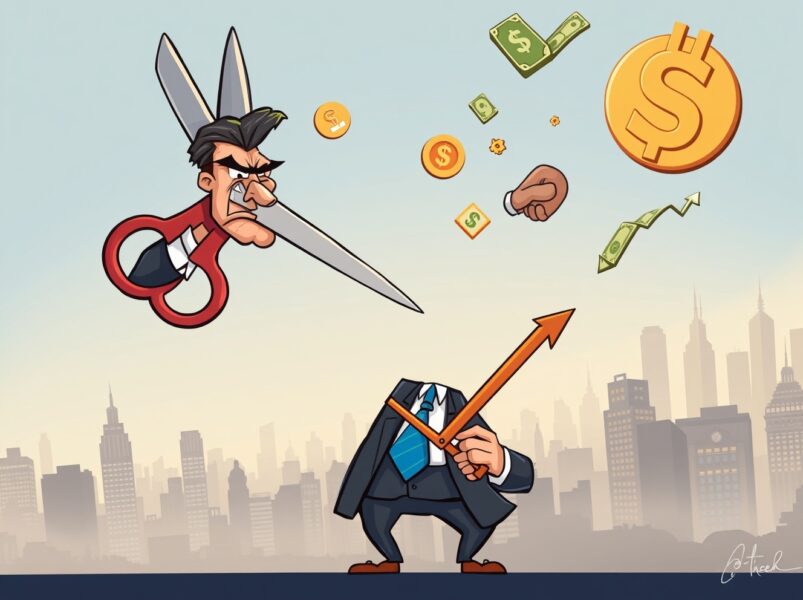
Shopify merchants who win in 2026 will harness AI shopping assistants, social commerce, personalization, immersive AR experiences, and mobile-first checkout. OptimizingShopify merchants who win in 2026 will harness AI shopping assistants, social commerce, personalization, immersive AR experiences, and mobile-first checkout. Optimizing

Shopify in 2026: 5 eCommerce Trends That Will Decide Which Merchants Win

How AI commerce, social shopping, personalization, immersive experiences, and mobile checkout are reshaping Shopify stores

\ Shopify didn’t just survive the last wave of eCommerce disruption — it became the operating system behind it.

\ As we head into 2026, the question isn’t whether Shopify will power the next generation of online retail. It already does. The real question is which Shopify merchants will adapt fast enough to win.

\ AI is reshaping discovery, social platforms are turning into storefronts, and checkout speed has become a competitive moat. What used to be “nice-to-have” optimizations inside Shopify are now table stakes — and what used to be experimental will soon separate the leaders from everyone else.

\ After watching how top-performing Shopify stores are evolving their growth loops, tech stacks, and customer journeys, five trends stand out as the clearest signals of where eCommerce is heading in 2026.

\

1) AI shopping assistants are redefining how customers discover Shopify stores

Generative AI has moved far beyond writing product descriptions. In 2026, AI-powered shopping assistants will increasingly act on behalf of customers — researching products, comparing options, and guiding purchase decisions before a shopper ever lands on a traditional storefront.

\ For Shopify merchants, this changes the rules of discovery.

\ Search optimization alone won’t be enough. Instead, AI-driven product discovery will reward Shopify stores with clean catalogs, structured product data, authentic reviews, and clear differentiation. If an AI agent can’t easily understand why your product is better, it won’t recommend it.

\ Shopify is already leaning into this future with native AI capabilities and a fast-growing ecosystem of AI apps that help merchants enrich product data, personalize experiences, and automate merchandising.

\

What Shopify merchants should do now:

  • Treat product feeds as a growth asset, not an ops task
  • Standardize product specs, variants, imagery, and FAQs
  • Invest in Shopify apps that enhance AI-driven personalization and discovery

\

2) Social commerce will drive more Shopify checkouts than traditional ads

Social platforms are no longer just awareness channels — they’re becoming full-funnel commerce engines. Short-form video, creator-led storefronts, and live shopping experiences are pushing customers directly into Shopify checkouts without ever touching a homepage.

\ In 2026, the best Shopify merchants won’t ask, “Did this post go viral?” \n They’ll ask, “Did this content convert inside Shopify?”

\ Shopify’s integrations with social platforms, creator tools, community commerce apps, and headless commerce options make it easier than ever to turn attention into revenue — but only if brands design for social-first behavior, not desktop-era funnels.

\

What Shopify merchants should do now:

  • Optimize Shopify product pages for social traffic (speed, clarity, mobile UX)
  • Treat creators as performance partners, not just brand ambassadors
  • Measure success using Shopify LTV and retention, not vanity metrics

\

3) AI-powered personalization will be table stakes for Shopify stores

In 2026, personalization won’t be a competitive advantage — it will be an expectation.

\ Customers will expect Shopify stores to adapt in real time: personalized product assortments, dynamic messaging, relevant offers, and frictionless repeat purchases. “Recommended for you” will feel outdated compared to journeys that evolve with intent and context.

\ Shopify merchants are uniquely positioned to win here because of one key advantage: first-party data. As third-party cookies fade, Shopify’s native customer data becomes the foundation for privacy-safe personalization at scale.

The biggest upside isn’t higher conversion alone. It’s fewer steps, fewer decisions, and fewer reasons for customers to abandon a purchase.

\

What Shopify merchants should do now:

  • Build a single customer view using Shopify’s first-party data
  • Test AI personalization across homepage, PDPs, and lifecycle messaging
  • Prioritize trust and transparency alongside relevance

\

4) Immersive shopping experiences will differentiate top Shopify brands

Augmented reality and immersive product experiences are finally crossing from novelty to utility — especially in categories where fit, feel, or aesthetics matter.

\ In 2026, leading Shopify and Shopify Plus brands will use immersive experiences to reduce uncertainty, increase confidence, and lower return rates. When customers can visualize a product in their space or preview how it looks on them, conversion improves, and buyer’s remorse drops.

\ Shopify’s ecosystem already supports AR, 3D product views, and immersive media through native features and apps. The merchants who adopt these tools intentionally — not as gimmicks — will stand out.

\

What Shopify merchants should do now:

  • Start with high-return or high-consideration products
  • Make immersive experiences mobile-first and fast
  • Measure impact on conversion and returns, not just engagement

\

5) Mobile-first checkout and flexible payments will decide who wins

By 2026, mobile won’t just dominate traffic — it will dominate expectations.

\ Customers expect Shopify checkouts to be instant, intuitive, and flexible. Every extra tap, delay, or form field is lost revenue. At the same time, flexible payment options like Buy Now, Pay Later will continue to grow — but smart merchants will deploy them strategically, not blindly.

\ Shopify’s continued investment in checkout performance, Shop Pay, and payments gives merchants a major edge — if they fully leverage it.

\ The real risk isn’t offering flexible payments. The risk is failing to understand how they affect margins, returns, and long-term customer value.

\

What Shopify merchants should do now:

  • Audit mobile checkout performance inside Shopify
  • Use Shop Pay and digital wallets aggressively
  • Track post-purchase behavior, not just conversion lift

What this means for Shopify merchants heading into 2026

The future of eCommerce isn’t about chasing every new tool. It’s about building a Shopify-powered system that adapts as customer behavior changes.

\

The Shopify merchants who win in 2026 will:

  • Treat Shopify as a growth platform, not just infrastructure
  • Use AI to remove friction, not add complexity
  • Convert attention into trust through speed, relevance, and clarity

\ Shopify has already built the rails for what’s coming next. AI, checkout, payments, and commerce APIs are no longer future bets — they’re live advantages.

\ The platform is ready. \n The differentiator is how you use it.

\ Which Shopify trends should I explore next? Comment below or reach out — I’d love to hear from you.👇

\

Sorumluluk Reddi: Bu sitede yeniden yayınlanan makaleler, halka açık platformlardan alınmıştır ve yalnızca bilgilendirme amaçlıdır. MEXC'nin görüşlerini yansıtmayabilir. Tüm hakları telif sahiplerine aittir. Herhangi bir içeriğin üçüncü taraf haklarını ihlal ettiğini düşünüyorsanız, kaldırılması için lütfen service@support.mexc.com ile iletişime geçin. MEXC, içeriğin doğruluğu, eksiksizliği veya güncelliği konusunda hiçbir garanti vermez ve sağlanan bilgilere dayalı olarak alınan herhangi bir eylemden sorumlu değildir. İçerik, finansal, yasal veya diğer profesyonel tavsiye niteliğinde değildir ve MEXC tarafından bir tavsiye veya onay olarak değerlendirilmemelidir.

Ayrıca Şunları da Beğenebilirsiniz

Crucial Insights: Two Fed Interest Rate Cuts on the Horizon?
Crucial Insights: Two Fed Interest Rate Cuts on the Horizon?

BitcoinWorld Crucial Insights: Two Fed Interest Rate Cuts on the Horizon? The financial world is buzzing with discussions around the future of monetary policy, and a recent statement from a key Federal Reserve official has added fuel to the fire. Investors, businesses, and consumers alike are keenly watching for signals regarding potential Fed interest rate cuts and their broader economic implications. What’s Driving Talk of Fed Interest Rate Cuts? Neel Kashkari, the president of the Minneapolis Federal Reserve Bank, recently made headlines by stating his belief that two additional Fed interest rate cuts would be appropriate this year. This isn’t the first time Kashkari has shared this perspective; he expressed a similar view back in August. His comments offer a glimpse into the ongoing internal debates and varying outlooks among policymakers regarding the optimal path for the nation’s economy. Understanding the context behind such statements is crucial. The Federal Reserve uses interest rates as a primary tool to manage inflation and support employment. When inflation is high, the Fed typically raises rates to cool down economic activity. Conversely, when economic growth slows or inflation targets are met, the Fed might consider cutting rates to stimulate spending and investment. How Do Fed Interest Rate Cuts Impact You? The prospect of Fed interest rate cuts carries significant weight for everyone. For instance, lower interest rates generally translate to: Cheaper Borrowing: Mortgages, car loans, and credit card interest rates can decrease, making it more affordable for consumers to borrow money. This can encourage home buying and larger purchases. Business Investment: Companies find it less expensive to borrow for expansion, new projects, and hiring, potentially boosting economic growth and job creation. Stock Market Performance: Lower rates can make bonds less attractive, pushing investors towards stocks, which might see increased valuations. This can also signal a more optimistic economic outlook. Savings Account Returns: On the flip side, interest rates on savings accounts and Certificates of Deposit (CDs) might also fall, offering lower returns for savers. These ripple effects touch various sectors, from housing to retail, and even extend into the cryptocurrency markets, where investor sentiment is often influenced by broader economic conditions and liquidity. Navigating the Economic Landscape: Why Are Policymakers Divided on Fed Interest Rate Cuts? While some policymakers, like Kashkari, see the appropriateness of multiple Fed interest rate cuts, others may hold different views. The Federal Reserve’s decisions are complex, balancing the need to control inflation with the goal of maintaining maximum employment. Key factors influencing these decisions include: Inflation Data: The pace at which inflation is returning to the Fed’s 2% target is a primary concern. Sustained progress is needed. Employment Figures: A strong job market might give the Fed more leeway to keep rates higher for longer, whereas signs of weakness could prompt cuts. Global Economic Conditions: International economic trends and geopolitical events can also influence the Fed’s domestic policy decisions. Market Expectations: The Fed also considers how financial markets are pricing in future rate movements, aiming to avoid undue volatility. The path forward is rarely straightforward, and the Fed’s approach is often described as data-dependent, meaning decisions can shift as new economic information becomes available. The Outlook for Future Fed Interest Rate Cuts Kashkari’s consistent view on two Fed interest rate cuts this year provides an important perspective, but it’s essential to remember that he is one voice among many on the Federal Open Market Committee (FOMC). The committee as a whole determines monetary policy through a consensus-driven process. As the year progresses, market participants will be closely monitoring upcoming inflation reports, employment data, and official Fed statements for further clarity. The timing and magnitude of any potential rate adjustments will significantly shape the economic environment, influencing everything from investment strategies to everyday household budgets. In summary: Neel Kashkari’s consistent advocacy for two Fed interest rate cuts this year highlights a potential shift in monetary policy. These cuts, if they materialize, could offer relief to borrowers, stimulate economic activity, and impact various markets. However, the ultimate decision rests with the broader Federal Reserve committee, which weighs a multitude of economic indicators before acting. Frequently Asked Questions (FAQs) Q1: What does it mean when the Fed cuts interest rates? When the Federal Reserve cuts interest rates, it generally means they are reducing the cost for banks to borrow money. This, in turn, often leads to lower interest rates for consumers and businesses on loans like mortgages, car loans, and credit cards, aiming to stimulate economic activity. Q2: Why would the Fed consider two Fed interest rate cuts this year? The Fed might consider two interest rate cuts if they believe inflation is consistently moving towards their 2% target, or if there are signs of slowing economic growth that could benefit from stimulation. Policymakers like Kashkari may feel the current rates are too restrictive given the economic outlook. Q3: How quickly do Fed interest rate cuts affect the economy? The effects of Fed interest rate cuts can be seen relatively quickly in financial markets, but they typically take several months to fully filter through to the broader economy, impacting consumer spending, business investment, and inflation. Q4: Will Fed interest rate cuts impact my cryptocurrency investments? While not a direct impact, Fed interest rate cuts can indirectly affect cryptocurrency markets. Lower traditional interest rates might make riskier assets like cryptocurrencies more attractive to investors seeking higher returns. Additionally, a more liquid and stimulated economy can sometimes boost overall market sentiment, benefiting crypto assets. Q5: Who is Neel Kashkari? Neel Kashkari is the president of the Federal Reserve Bank of Minneapolis. He is one of the twelve regional Federal Reserve Bank presidents who contribute to the Federal Open Market Committee (FOMC) discussions, which set the nation’s monetary policy. Did you find this article insightful? Share your thoughts and help others understand the potential impact of future Fed decisions! You can share this article on your favorite social media platforms. To learn more about the latest crypto market trends, explore our article on key developments shaping Bitcoin price action. This post Crucial Insights: Two Fed Interest Rate Cuts on the Horizon? first appeared on BitcoinWorld.
Paylaş
Coinstats2025/09/19 19:35
US Senators Introduce SAFE Crypto Act to Target Rising Crypto Scams

US Senators Introduce SAFE Crypto Act to Target Rising Crypto Scams

The post US Senators Introduce SAFE Crypto Act to Target Rising Crypto Scams appeared first on Coinpedia Fintech News Crypto scams are getting faster, smarter and
Paylaş
CoinPedia2025/12/17 18:33
Crypto.com Data Leak Revealed: Hidden Attack Exposed by Bloomberg

Crypto.com Data Leak Revealed: Hidden Attack Exposed by Bloomberg

Bloomberg exposes Crypto.com’s 2023 user data leak. The perpetrators used phishing to access employee accounts, compromising privacy. A data breach that occurred in 2023 at Crypto.com compromised the personal information of its users, according to a disclosure by Bloomberg.  The hacking was planned by a well-known hacker organization known as Scattered Spider.  This team was […] The post Crypto.com Data Leak Revealed: Hidden Attack Exposed by Bloomberg appeared first on Live Bitcoin News.
Paylaş
LiveBitcoinNews2025/09/23 03:00