

Altcoin Season Index Climbs to 19: Is the Crypto Market Shifting?

BitcoinWorld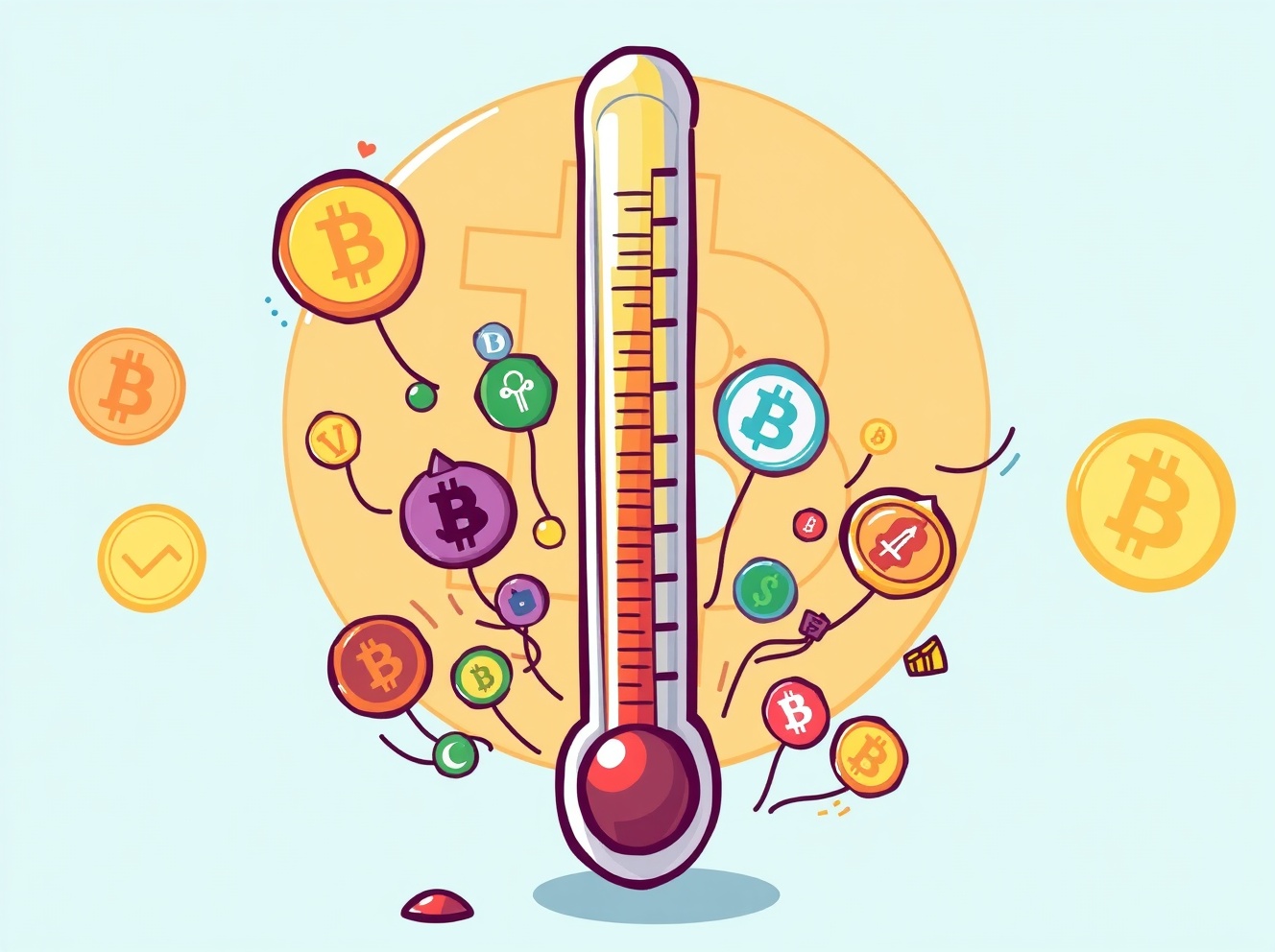
Altcoin Season Index Climbs to 19: Is the Crypto Market Shifting?
The cryptocurrency market is showing subtle but important shifts. CoinMarketCap’s Altcoin Season Index has just climbed two points to reach 19. This movement captures the attention of every crypto investor watching for the next big trend. But what does this number actually mean for your portfolio?
What Is the Altcoin Season Index Telling Us?
CoinMarketCap’s Altcoin Season Index serves as a crucial market thermometer. It measures how the top 100 cryptocurrencies perform against Bitcoin over a 90-day period. The index excludes stablecoins and wrapped tokens to focus purely on market-driven assets. Currently sitting at 19, the index has gained two points from the previous day. This upward movement suggests growing momentum for alternative cryptocurrencies.
However, we’re still far from official altcoin season territory. The market declares an “altcoin season” only when 75% of these top coins outperform Bitcoin during that three-month window. The current reading of 19 indicates we’re in early stages, but the direction is worth monitoring closely.
How Does the Altcoin Season Index Work?
Understanding this index requires breaking down its components. First, it tracks performance data from the 100 largest cryptocurrencies by market capitalization. Second, it compares each asset’s 90-day performance against Bitcoin’s returns during the same period. Finally, it calculates what percentage of these altcoins are beating Bitcoin.
The index operates on a simple scale:
- 0-74: Bitcoin dominance period
- 75-100: Altcoin season declared
- Closer to 100 indicates stronger altcoin season
At 19, we’re seeing approximately 19% of top altcoins outperforming Bitcoin over the last quarter. This represents measurable progress, but substantial room remains before reaching the 75% threshold.
Why Should Crypto Investors Care About This Movement?
The Altcoin Season Index provides more than just a number—it offers actionable insights. When this index begins climbing, it often signals changing market dynamics. Historically, sustained increases in the index have preceded broader altcoin rallies. However, investors should approach with both optimism and caution.
Several factors could be driving this two-point increase:
- Improved sentiment toward specific altcoin projects
- Bitcoin consolidation periods allowing altcoins to catch up
- Sector rotation within the cryptocurrency market
- New developments in blockchain technology attracting attention
Remember that the Altcoin Season Index reflects historical performance, not future guarantees. While the trend is encouraging, it doesn’t guarantee immediate profits.
What Does This Mean for Your Investment Strategy?
A rising Altcoin Season Index suggests it might be time to review your portfolio allocation. Many investors use this indicator to adjust their Bitcoin versus altcoin exposure. However, successful investing requires more than following a single metric.
Consider these approaches when the index shows upward movement:
- Research altcoins with strong fundamentals showing relative strength
- Diversify across different blockchain sectors and use cases
- Maintain appropriate Bitcoin exposure as a market anchor
- Set clear entry and exit strategies before making moves
The current index reading of 19 suggests cautious optimism rather than aggressive action. It’s an early signal worth watching, not a trigger for impulsive decisions.
How to Track the Altcoin Season Index Effectively
Monitoring the Altcoin Season Index requires consistent attention. CoinMarketCap updates this metric regularly, providing transparent data for informed decisions. Savvy investors combine this index with other indicators for comprehensive analysis.
For best results:
- Check the index weekly rather than daily to avoid noise
- Compare index movements with overall market volume and sentiment
- Watch for sustained trends rather than single-day movements
- Consider the specific altcoins driving index changes
This disciplined approach helps separate meaningful signals from market noise.
Conclusion: Reading the Crypto Market’s Early Signals
The Altcoin Season Index climbing to 19 represents a noteworthy development in cryptocurrency markets. While far from declaring an official altcoin season, this movement indicates shifting dynamics worth your attention. Successful investors recognize these early signals while maintaining balanced perspectives.
Remember that cryptocurrency investing involves substantial risk. The Altcoin Season Index provides valuable data, but it’s just one tool among many. Combine this metric with fundamental research, risk management, and clear investment goals. The current reading suggests watching altcoin opportunities while respecting Bitcoin’s ongoing market role.
Frequently Asked Questions
What is the Altcoin Season Index?
The Altcoin Season Index measures how many of the top 100 cryptocurrencies outperform Bitcoin over a 90-day period. It helps identify when alternative cryptocurrencies are gaining relative strength.
What does a reading of 19 mean?
A reading of 19 means approximately 19% of top altcoins have outperformed Bitcoin over the last three months. This indicates early positive momentum but remains below the 75% threshold for declaring an altcoin season.
How often does CoinMarketCap update this index?
CoinMarketCap updates the Altcoin Season Index regularly, typically showing daily changes. However, significant trends usually develop over weeks rather than days.
Should I buy altcoins when this index rises?
Not necessarily. The index provides context but shouldn’t dictate investment decisions alone. Always conduct independent research and consider your risk tolerance before investing.
What other indicators should I watch with this index?
Combine the Altcoin Season Index with trading volume, market sentiment, Bitcoin dominance, and fundamental project analysis for comprehensive market understanding.
Has the index ever reached 100?
Yes, during strong altcoin seasons, the index can approach 100, indicating nearly all top altcoins are outperforming Bitcoin. These periods typically occur during broad cryptocurrency bull markets.
Share This Analysis
Found this breakdown of the Altcoin Season Index helpful? Share it with fellow crypto enthusiasts on your social media channels. Understanding market indicators helps build stronger investment communities. Click the share buttons below to spread this analysis!
To learn more about the latest cryptocurrency market trends, explore our article on key developments shaping Bitcoin and altcoin price action.
This post Altcoin Season Index Climbs to 19: Is the Crypto Market Shifting? first appeared on BitcoinWorld.
Ayrıca Şunları da Beğenebilirsiniz

Son of filmmaker Rob Reiner charged with homicide for death of his parents

Addressing the sustainability question: The Web3 energy narrative
