

Transformative RSR Tokenomics: Reserve Community Debates 30B Burn and veRSR Governance
BitcoinWorld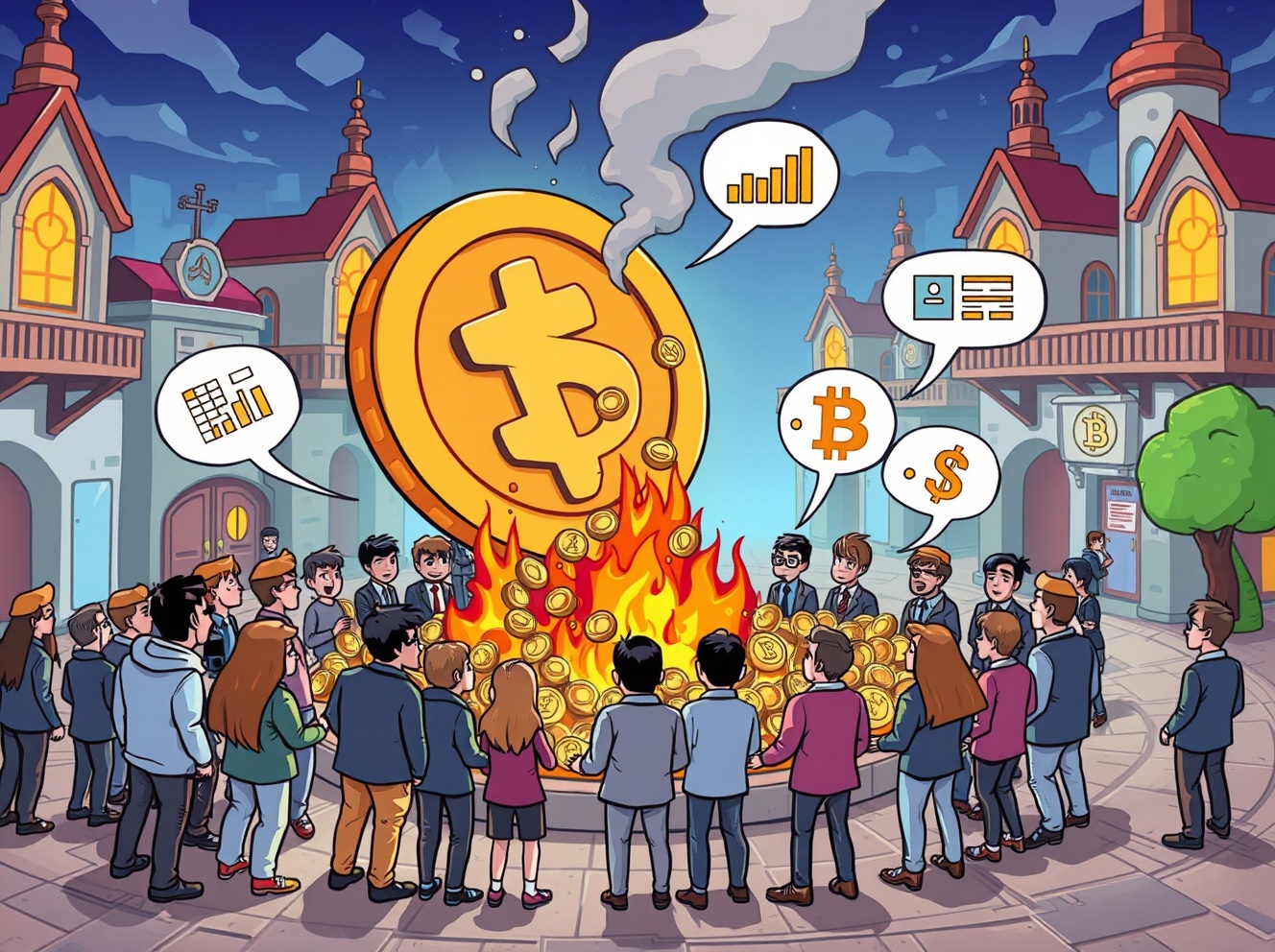
Transformative RSR Tokenomics: Reserve Community Debates 30B Burn and veRSR Governance
The Reserve community is buzzing with a proposal that could fundamentally reshape the project’s future. At the heart of the discussion is a dramatic overhaul of the RSR tokenomics, featuring a massive token burn and a new governance model. This pivotal moment highlights how decentralized communities steer the evolution of major crypto protocols.
What Does the New RSR Tokenomics Proposal Entail?
The proposed changes are twofold and significant. First, the plan calls for burning a staggering 30 billion RSR tokens from the project’s treasury. Second, it introduces a veRSR (vote-escrowed RSR) mechanism for governance and token issuance. This model, inspired by successful protocols like Curve Finance, aims to align long-term holders with the network’s health by locking tokens for voting power.
Therefore, the current supply dynamics and governance structure of Reserve could see a complete transformation. The burn would directly reduce the total and circulating supply of RSR, while veRSR would incentivize committed participation.
Why Is the Community Discussing This RSR Tokenomics Change Now?
Tokenomics are the economic engine of any cryptocurrency. An effective model balances supply, demand, utility, and incentives. The Reserve community’s debate suggests a collective desire to optimize this engine for the next phase of growth. Key drivers likely include:
- Supply Shock Potential: Burning 30B RSR could create a deflationary pressure on the remaining supply.
- Improved Governance: A veRSR system rewards long-term, engaged stakeholders, potentially leading to more stable and forward-thinking decisions.
- Enhanced Token Utility: Locking RSR for veRSR directly ties the token’s value to its use in governing the Reserve ecosystem and its stablecoins, like RSV.
However, such a major shift is not without its challenges. The community must carefully weigh the immediate impact of the burn against long-term treasury needs and ensure the new RSR tokenomics are sustainable.
How Could This Impact RSR Holders and the Broader Ecosystem?
For existing RSR holders, the implications are profound. The token burn is designed to be a bullish catalyst by increasing scarcity. Meanwhile, the veRSR model offers a way to earn rewards and influence, but it requires committing tokens to a lock-up period. This encourages a shift from speculative trading to vested ownership.
For the Reserve ecosystem, robust RSR tokenomics are crucial for the stability and adoption of its stablecoin, RSV. A stronger, more valuable RSR token can better backstop the stablecoin system. Moreover, engaged governance can foster more efficient protocol upgrades and integrations.
What Are the Actionable Insights for the Crypto Community?
This proposal is a masterclass in decentralized governance. It shows how a community can proactively refine its economic model. For observers and participants alike, it underscores the importance of:
- Engaging in Governance: Your vote and voice matter in shaping the projects you believe in.
- Understanding Tokenomics: Always dig into a project’s economic design—it’s as important as its technology.
- Evaluating Long-Term Alignment: Models like veRSR highlight the growing trend of rewarding long-term commitment over short-term trading.
In conclusion, the Reserve community’s debate over its RSR tokenomics is more than an internal update; it’s a signal of maturation in decentralized finance. By considering a massive supply burn and an innovative governance lock, the project aims to build a more sustainable and aligned economic foundation. The outcome of this discussion will set a powerful precedent for how crypto communities can evolve their core economics to secure a stronger future.
Frequently Asked Questions (FAQs)
What is the main goal of burning 30 billion RSR tokens?
The primary goal is to reduce the total supply of RSR, creating potential deflationary pressure. This can increase scarcity and, theoretically, support the token’s value over time by removing a large portion from the possible circulating supply.
What is veRSR and how does it work?
veRSR stands for “vote-escrowed RSR.” It is a proposed governance mechanism where users lock their RSR tokens for a chosen period to receive veRSR. The longer the lock-up, the greater their voting power and potential rewards for participating in protocol governance.
How will this proposal affect the price of RSR?
While no one can predict price with certainty, the token burn could be viewed as a bullish reduction in supply. The veRSR model may also reduce sell pressure by incentivizing locking. However, market reaction will depend on broader adoption and the successful implementation of the changes.
When will the community vote on this RSR tokenomics change?
The proposal is currently in the discussion phase within the Reserve governance forums. A formal on-chain vote will be scheduled once the community feedback is incorporated and a final proposal is drafted. Interested parties should monitor official Reserve communication channels.
Do I need to do anything if I hold RSR tokens now?
Not immediately. If the proposal passes, you will have the option to lock your RSR to participate in the new veRSR governance system. It is crucial to stay informed through official sources to understand your choices and any relevant timelines.
What are the risks associated with this change?
Risks include potential centralization of voting power among large holders who lock for long periods, the need to ensure long-term treasury sustainability after the burn, and the complexity of implementing a new economic model without unintended consequences.
Found this deep dive into the evolving RSR tokenomics insightful? Share this article with your network on Twitter or Telegram to spark a discussion about the future of decentralized governance and token design!
To learn more about the latest trends in decentralized finance and stablecoin innovation, explore our article on key developments shaping the stablecoin landscape and its impact on broader crypto adoption.
This post Transformative RSR Tokenomics: Reserve Community Debates 30B Burn and veRSR Governance first appeared on BitcoinWorld.
Ayrıca Şunları da Beğenebilirsiniz

Wormhole launches reserve tying protocol revenue to token
XRPL Validator Reveals Why He Just Vetoed New Amendment
