SmartLLM: The Future of Automated Smart Contract Audits Smart contracts now underpin the core functionality of dApps, DeFi, and blockchain-based projects in the swiftly transforming crypto space. These self-executing contracts, which automatically enforce rules and agreements, are transforming industries by eliminating intermediaries and ensuring transparency. However, the increasing complexity and adoption of smart contracts also bring inherent risks — vulnerabilities and bugs can result in financial losses, hacks, and compromised trust. This is where SmartLLM enters the scene, revolutionizing the way smart contracts are audited by leveraging artificial intelligence (AI) and large language models (LLMs). Smart Contracts and Their Vulnerabilities Smart contracts are programmable protocols that reside on blockchain networks, designed to execute predefined actions when specific conditions are met. While their benefits include transparency, automation, and trustless execution, their security remains a critical concern. Some common vulnerabilities include: Reentrancy Attacks: Where a malicious contract repeatedly calls another contract before previous executions are completed. Integer Overflow/Underflow: Errors arising from arithmetic operations exceeding their storage limits. Logic Flaws: Incorrect implementation of contract rules or conditions. Access Control Vulnerabilities: Improper permissions that allow unauthorized users to execute sensitive functions. Traditional methods of auditing smart contracts involve manual code reviews by expert security auditors. While effective, this process is time-consuming, costly, and often prone to human error. With the rise of sophisticated attacks, automated and intelligent auditing solutions are becoming essential. Introduction to SmartLLM SmartLLM is an AI-powered auditing framework that utilizes large language models to automatically analyze smart contract code for vulnerabilities, optimization opportunities, and potential risks. By combining natural language understanding with blockchain expertise, SmartLLM brings unprecedented efficiency, accuracy, and scalability to smart contract auditing. Unlike conventional auditing tools, SmartLLM is designed to understand the logic, intent, and context of smart contracts, making it capable of detecting subtle vulnerabilities that traditional static analysis tools might miss. Additionally, SmartLLM can generate actionable recommendations for developers to improve code quality and security. Key Features of SmartLLM in Smart Contract Auditing Automated Vulnerability DetectionSmartLLM can automatically scan smart contract code and identify common and advanced vulnerabilities. By analyzing the contract’s logic, function calls, and storage structures, it highlights potential security risks without requiring manual intervention. AI-Powered Code UnderstandingLeveraging large language models, SmartLLM comprehends the natural language comments, variable names, and function descriptions in smart contracts. This semantic understanding allows the AI to detect logical inconsistencies and security flaws beyond superficial code analysis. Comprehensive ReportingAfter auditing, SmartLLM generates detailed reports highlighting vulnerabilities, their potential impact, and suggested fixes. This accelerates the remediation process and ensures developers can address issues promptly. ScalabilityUnlike human auditors, SmartLLM can simultaneously audit multiple smart contracts, regardless of their complexity. This is particularly beneficial for blockchain projects with extensive ecosystems requiring continuous security monitoring. Continuous LearningSmartLLM leverages AI training to continuously improve its auditing capabilities. By learning from newly discovered vulnerabilities, exploits, and patches, it stays up-to-date with the latest security trends and attack vectors. Integration with Development PipelinesSmartLLM can be integrated into CI/CD pipelines, enabling real-time auditing during development. This proactive approach reduces deployment risks and ensures security is embedded from the early stages. Advantages of SmartLLM Over Traditional Auditing Faster AuditsManual auditing of smart contracts can take weeks, depending on complexity. SmartLLM significantly reduces this time to hours, accelerating the development cycle and enabling rapid deployment. Cost EfficiencyHiring professional auditors for each smart contract audit can be expensive. SmartLLM automates much of this process, providing a cost-effective alternative without compromising quality. Reduced Human ErrorEven experienced auditors can overlook vulnerabilities due to fatigue or complexity. SmartLLM’s AI-driven approach minimizes the risk of oversight and ensures comprehensive coverage. Proactive SecurityBy integrating SmartLLM into development pipelines, vulnerabilities can be detected before deployment, preventing potential exploits and reducing financial and reputational damage. Enhanced Developer CollaborationThe detailed reports generated by SmartLLM make it easier for developers and auditors to communicate. Clear recommendations help teams implement fixes efficiently and confidently. Real-World Applications of SmartLLM 1. DeFi Platforms Decentralized finance applications rely heavily on smart contracts for lending, borrowing, trading, and staking. SmartLLM can audit these contracts to prevent common DeFi vulnerabilities such as reentrancy attacks and flash loan exploits, safeguarding user funds. 2. NFT Marketplaces NFT platforms depend on smart contracts to mint, transfer, and sell digital assets. SmartLLM ensures these contracts are secure, reducing the risk of token theft, unauthorized transfers, or contract misbehavior. 3. Token Launches Crypto projects launching new tokens must ensure smart contracts governing tokenomics and distribution are flawless. SmartLLM can verify compliance with standards like ERC-20 or ERC-721 and detect anomalies in supply, minting, and distribution logic. 4. DAO GovernanceDecentralized Autonomous Organizations (DAOs) rely on smart contracts to manage voting and governance processes. SmartLLM helps audit these contracts to prevent manipulation, voting flaws, or governance attacks. Challenges and Considerations While SmartLLM represents a significant leap forward, it is not without challenges: Complexity of Smart Contracts Some contracts include highly complex logic or interdependent modules, which may still require human oversight in addition to AI auditing. Evolving Threat Landscape Cyber threats evolve rapidly, and new exploit techniques emerge frequently. Continuous training and updates are essential to keep SmartLLM effective. Integration Limitations Integrating SmartLLM into existing development pipelines may require technical expertise, particularly for legacy systems or unconventional contract structures. Regulatory Compliance While SmartLLM can enhance security, projects must also ensure compliance with local regulations and industry standards, which may not be fully automatable. The Future of Smart Contract Auditing with SmartLLM The adoption of AI-powered auditing tools like SmartLLM signals a paradigm shift in how blockchain projects ensure security. As AI models become more sophisticated, we can expect: Real-time auditing during development, enabling developers to fix vulnerabilities as they code. Cross-chain auditing capabilities, allowing SmartLLM to analyze contracts across multiple blockchain platforms. Predictive vulnerability detection, where AI anticipates potential exploits based on emerging attack patterns. Collaborative AI-human auditing, combining AI efficiency with human expertise for the most robust security. SmartLLM is not just a tool — it represents a new standard for secure blockchain development. By automating complex audits, reducing human error, and providing actionable insights, it empowers developers, auditors, and organizations to build trust in decentralized systems. Conclusion In an era where blockchain adoption is accelerating, the security of smart contracts is paramount. Traditional auditing methods, while valuable, struggle to keep up with the scale, speed, and complexity of modern decentralized applications. SmartLLM emerges as a game-changer, offering AI-powered, automated, and intelligent auditing for smart contracts. From DeFi protocols and NFT marketplaces to DAOs and token launches, SmartLLM ensures that blockchain projects are not only innovative but also secure and reliable. By embracing SmartLLM, crypto developers and organizations can mitigate risks, enhance trust, and confidently navigate the decentralized future. SmartLLM: The Future of Automated Smart Contract Audits was originally published in Coinmonks on Medium, where people are continuing the conversation by highlighting and responding to this storySmartLLM: The Future of Automated Smart Contract Audits Smart contracts now underpin the core functionality of dApps, DeFi, and blockchain-based projects in the swiftly transforming crypto space. These self-executing contracts, which automatically enforce rules and agreements, are transforming industries by eliminating intermediaries and ensuring transparency. However, the increasing complexity and adoption of smart contracts also bring inherent risks — vulnerabilities and bugs can result in financial losses, hacks, and compromised trust. This is where SmartLLM enters the scene, revolutionizing the way smart contracts are audited by leveraging artificial intelligence (AI) and large language models (LLMs). Smart Contracts and Their Vulnerabilities Smart contracts are programmable protocols that reside on blockchain networks, designed to execute predefined actions when specific conditions are met. While their benefits include transparency, automation, and trustless execution, their security remains a critical concern. Some common vulnerabilities include: Reentrancy Attacks: Where a malicious contract repeatedly calls another contract before previous executions are completed. Integer Overflow/Underflow: Errors arising from arithmetic operations exceeding their storage limits. Logic Flaws: Incorrect implementation of contract rules or conditions. Access Control Vulnerabilities: Improper permissions that allow unauthorized users to execute sensitive functions. Traditional methods of auditing smart contracts involve manual code reviews by expert security auditors. While effective, this process is time-consuming, costly, and often prone to human error. With the rise of sophisticated attacks, automated and intelligent auditing solutions are becoming essential. Introduction to SmartLLM SmartLLM is an AI-powered auditing framework that utilizes large language models to automatically analyze smart contract code for vulnerabilities, optimization opportunities, and potential risks. By combining natural language understanding with blockchain expertise, SmartLLM brings unprecedented efficiency, accuracy, and scalability to smart contract auditing. Unlike conventional auditing tools, SmartLLM is designed to understand the logic, intent, and context of smart contracts, making it capable of detecting subtle vulnerabilities that traditional static analysis tools might miss. Additionally, SmartLLM can generate actionable recommendations for developers to improve code quality and security. Key Features of SmartLLM in Smart Contract Auditing Automated Vulnerability DetectionSmartLLM can automatically scan smart contract code and identify common and advanced vulnerabilities. By analyzing the contract’s logic, function calls, and storage structures, it highlights potential security risks without requiring manual intervention. AI-Powered Code UnderstandingLeveraging large language models, SmartLLM comprehends the natural language comments, variable names, and function descriptions in smart contracts. This semantic understanding allows the AI to detect logical inconsistencies and security flaws beyond superficial code analysis. Comprehensive ReportingAfter auditing, SmartLLM generates detailed reports highlighting vulnerabilities, their potential impact, and suggested fixes. This accelerates the remediation process and ensures developers can address issues promptly. ScalabilityUnlike human auditors, SmartLLM can simultaneously audit multiple smart contracts, regardless of their complexity. This is particularly beneficial for blockchain projects with extensive ecosystems requiring continuous security monitoring. Continuous LearningSmartLLM leverages AI training to continuously improve its auditing capabilities. By learning from newly discovered vulnerabilities, exploits, and patches, it stays up-to-date with the latest security trends and attack vectors. Integration with Development PipelinesSmartLLM can be integrated into CI/CD pipelines, enabling real-time auditing during development. This proactive approach reduces deployment risks and ensures security is embedded from the early stages. Advantages of SmartLLM Over Traditional Auditing Faster AuditsManual auditing of smart contracts can take weeks, depending on complexity. SmartLLM significantly reduces this time to hours, accelerating the development cycle and enabling rapid deployment. Cost EfficiencyHiring professional auditors for each smart contract audit can be expensive. SmartLLM automates much of this process, providing a cost-effective alternative without compromising quality. Reduced Human ErrorEven experienced auditors can overlook vulnerabilities due to fatigue or complexity. SmartLLM’s AI-driven approach minimizes the risk of oversight and ensures comprehensive coverage. Proactive SecurityBy integrating SmartLLM into development pipelines, vulnerabilities can be detected before deployment, preventing potential exploits and reducing financial and reputational damage. Enhanced Developer CollaborationThe detailed reports generated by SmartLLM make it easier for developers and auditors to communicate. Clear recommendations help teams implement fixes efficiently and confidently. Real-World Applications of SmartLLM 1. DeFi Platforms Decentralized finance applications rely heavily on smart contracts for lending, borrowing, trading, and staking. SmartLLM can audit these contracts to prevent common DeFi vulnerabilities such as reentrancy attacks and flash loan exploits, safeguarding user funds. 2. NFT Marketplaces NFT platforms depend on smart contracts to mint, transfer, and sell digital assets. SmartLLM ensures these contracts are secure, reducing the risk of token theft, unauthorized transfers, or contract misbehavior. 3. Token Launches Crypto projects launching new tokens must ensure smart contracts governing tokenomics and distribution are flawless. SmartLLM can verify compliance with standards like ERC-20 or ERC-721 and detect anomalies in supply, minting, and distribution logic. 4. DAO GovernanceDecentralized Autonomous Organizations (DAOs) rely on smart contracts to manage voting and governance processes. SmartLLM helps audit these contracts to prevent manipulation, voting flaws, or governance attacks. Challenges and Considerations While SmartLLM represents a significant leap forward, it is not without challenges: Complexity of Smart Contracts Some contracts include highly complex logic or interdependent modules, which may still require human oversight in addition to AI auditing. Evolving Threat Landscape Cyber threats evolve rapidly, and new exploit techniques emerge frequently. Continuous training and updates are essential to keep SmartLLM effective. Integration Limitations Integrating SmartLLM into existing development pipelines may require technical expertise, particularly for legacy systems or unconventional contract structures. Regulatory Compliance While SmartLLM can enhance security, projects must also ensure compliance with local regulations and industry standards, which may not be fully automatable. The Future of Smart Contract Auditing with SmartLLM The adoption of AI-powered auditing tools like SmartLLM signals a paradigm shift in how blockchain projects ensure security. As AI models become more sophisticated, we can expect: Real-time auditing during development, enabling developers to fix vulnerabilities as they code. Cross-chain auditing capabilities, allowing SmartLLM to analyze contracts across multiple blockchain platforms. Predictive vulnerability detection, where AI anticipates potential exploits based on emerging attack patterns. Collaborative AI-human auditing, combining AI efficiency with human expertise for the most robust security. SmartLLM is not just a tool — it represents a new standard for secure blockchain development. By automating complex audits, reducing human error, and providing actionable insights, it empowers developers, auditors, and organizations to build trust in decentralized systems. Conclusion In an era where blockchain adoption is accelerating, the security of smart contracts is paramount. Traditional auditing methods, while valuable, struggle to keep up with the scale, speed, and complexity of modern decentralized applications. SmartLLM emerges as a game-changer, offering AI-powered, automated, and intelligent auditing for smart contracts. From DeFi protocols and NFT marketplaces to DAOs and token launches, SmartLLM ensures that blockchain projects are not only innovative but also secure and reliable. By embracing SmartLLM, crypto developers and organizations can mitigate risks, enhance trust, and confidently navigate the decentralized future. SmartLLM: The Future of Automated Smart Contract Audits was originally published in Coinmonks on Medium, where people are continuing the conversation by highlighting and responding to this story

SmartLLM: The Future of Automated Smart Contract Audits

2025/09/13 06:53
6 min read

SmartLLM: The Future of Automated Smart Contract Audits

Smart contracts now underpin the core functionality of dApps, DeFi, and blockchain-based projects in the swiftly transforming crypto space. These self-executing contracts, which automatically enforce rules and agreements, are transforming industries by eliminating intermediaries and ensuring transparency. However, the increasing complexity and adoption of smart contracts also bring inherent risks — vulnerabilities and bugs can result in financial losses, hacks, and compromised trust. This is where SmartLLM enters the scene, revolutionizing the way smart contracts are audited by leveraging artificial intelligence (AI) and large language models (LLMs).

Smart Contracts and Their Vulnerabilities

Smart contracts are programmable protocols that reside on blockchain networks, designed to execute predefined actions when specific conditions are met. While their benefits include transparency, automation, and trustless execution, their security remains a critical concern. Some common vulnerabilities include:

Reentrancy Attacks: Where a malicious contract repeatedly calls another contract before previous executions are completed.

Integer Overflow/Underflow: Errors arising from arithmetic operations exceeding their storage limits.

Logic Flaws: Incorrect implementation of contract rules or conditions.

Access Control Vulnerabilities: Improper permissions that allow unauthorized users to execute sensitive functions.

Traditional methods of auditing smart contracts involve manual code reviews by expert security auditors. While effective, this process is time-consuming, costly, and often prone to human error. With the rise of sophisticated attacks, automated and intelligent auditing solutions are becoming essential.

Introduction to SmartLLM

SmartLLM is an AI-powered auditing framework that utilizes large language models to automatically analyze smart contract code for vulnerabilities, optimization opportunities, and potential risks. By combining natural language understanding with blockchain expertise, SmartLLM brings unprecedented efficiency, accuracy, and scalability to smart contract auditing.

Unlike conventional auditing tools, SmartLLM is designed to understand the logic, intent, and context of smart contracts, making it capable of detecting subtle vulnerabilities that traditional static analysis tools might miss. Additionally, SmartLLM can generate actionable recommendations for developers to improve code quality and security.

Key Features of SmartLLM in Smart Contract Auditing

Automated Vulnerability Detection
SmartLLM can automatically scan smart contract code and identify common and advanced vulnerabilities. By analyzing the contract’s logic, function calls, and storage structures, it highlights potential security risks without requiring manual intervention.

AI-Powered Code Understanding
Leveraging large language models, SmartLLM comprehends the natural language comments, variable names, and function descriptions in smart contracts. This semantic understanding allows the AI to detect logical inconsistencies and security flaws beyond superficial code analysis.

Comprehensive Reporting
After auditing, SmartLLM generates detailed reports highlighting vulnerabilities, their potential impact, and suggested fixes. This accelerates the remediation process and ensures developers can address issues promptly.

Scalability
Unlike human auditors, SmartLLM can simultaneously audit multiple smart contracts, regardless of their complexity. This is particularly beneficial for blockchain projects with extensive ecosystems requiring continuous security monitoring.

Continuous Learning
SmartLLM leverages AI training to continuously improve its auditing capabilities. By learning from newly discovered vulnerabilities, exploits, and patches, it stays up-to-date with the latest security trends and attack vectors.

Integration with Development Pipelines
SmartLLM can be integrated into CI/CD pipelines, enabling real-time auditing during development. This proactive approach reduces deployment risks and ensures security is embedded from the early stages.

Advantages of SmartLLM Over Traditional Auditing

Faster Audits
Manual auditing of smart contracts can take weeks, depending on complexity. SmartLLM significantly reduces this time to hours, accelerating the development cycle and enabling rapid deployment.

Cost Efficiency
Hiring professional auditors for each smart contract audit can be expensive. SmartLLM automates much of this process, providing a cost-effective alternative without compromising quality.

Reduced Human Error
Even experienced auditors can overlook vulnerabilities due to fatigue or complexity. SmartLLM’s AI-driven approach minimizes the risk of oversight and ensures comprehensive coverage.

Proactive Security
By integrating SmartLLM into development pipelines, vulnerabilities can be detected before deployment, preventing potential exploits and reducing financial and reputational damage.

Enhanced Developer Collaboration
The detailed reports generated by SmartLLM make it easier for developers and auditors to communicate. Clear recommendations help teams implement fixes efficiently and confidently.

Real-World Applications of SmartLLM

1. DeFi Platforms
Decentralized finance applications rely heavily on smart contracts for lending, borrowing, trading, and staking. SmartLLM can audit these contracts to prevent common DeFi vulnerabilities such as reentrancy attacks and flash loan exploits, safeguarding user funds.

2. NFT Marketplaces
NFT platforms depend on smart contracts to mint, transfer, and sell digital assets. SmartLLM ensures these contracts are secure, reducing the risk of token theft, unauthorized transfers, or contract misbehavior.

3. Token Launches
Crypto projects launching new tokens must ensure smart contracts governing tokenomics and distribution are flawless. SmartLLM can verify compliance with standards like ERC-20 or ERC-721 and detect anomalies in supply, minting, and distribution logic.

4. DAO Governance
Decentralized Autonomous Organizations (DAOs) rely on smart contracts to manage voting and governance processes. SmartLLM helps audit these contracts to prevent manipulation, voting flaws, or governance attacks.

Challenges and Considerations

While SmartLLM represents a significant leap forward, it is not without challenges:

Complexity of Smart Contracts
Some contracts include highly complex logic or interdependent modules, which may still require human oversight in addition to AI auditing.

Evolving Threat Landscape
Cyber threats evolve rapidly, and new exploit techniques emerge frequently. Continuous training and updates are essential to keep SmartLLM effective.

Integration Limitations
Integrating SmartLLM into existing development pipelines may require technical expertise, particularly for legacy systems or unconventional contract structures.

Regulatory Compliance
While SmartLLM can enhance security, projects must also ensure compliance with local regulations and industry standards, which may not be fully automatable.

The Future of Smart Contract Auditing with SmartLLM

The adoption of AI-powered auditing tools like SmartLLM signals a paradigm shift in how blockchain projects ensure security. As AI models become more sophisticated, we can expect:

Real-time auditing during development, enabling developers to fix vulnerabilities as they code.

Cross-chain auditing capabilities, allowing SmartLLM to analyze contracts across multiple blockchain platforms.

Predictive vulnerability detection, where AI anticipates potential exploits based on emerging attack patterns.

Collaborative AI-human auditing, combining AI efficiency with human expertise for the most robust security.

SmartLLM is not just a tool — it represents a new standard for secure blockchain development. By automating complex audits, reducing human error, and providing actionable insights, it empowers developers, auditors, and organizations to build trust in decentralized systems.

Conclusion

In an era where blockchain adoption is accelerating, the security of smart contracts is paramount. Traditional auditing methods, while valuable, struggle to keep up with the scale, speed, and complexity of modern decentralized applications. SmartLLM emerges as a game-changer, offering AI-powered, automated, and intelligent auditing for smart contracts.

From DeFi protocols and NFT marketplaces to DAOs and token launches, SmartLLM ensures that blockchain projects are not only innovative but also secure and reliable. By embracing SmartLLM, crypto developers and organizations can mitigate risks, enhance trust, and confidently navigate the decentralized future.


SmartLLM: The Future of Automated Smart Contract Audits was originally published in Coinmonks on Medium, where people are continuing the conversation by highlighting and responding to this story.

Market Opportunity
Smart Blockchain Logo
Smart Blockchain Price(SMART)
$0.003904
$0.003904$0.003904
-0.86%
USD
Smart Blockchain (SMART) Live Price Chart
Disclaimer: The articles reposted on this site are sourced from public platforms and are provided for informational purposes only. They do not necessarily reflect the views of MEXC. All rights remain with the original authors. If you believe any content infringes on third-party rights, please contact service@support.mexc.com for removal. MEXC makes no guarantees regarding the accuracy, completeness, or timeliness of the content and is not responsible for any actions taken based on the information provided. The content does not constitute financial, legal, or other professional advice, nor should it be considered a recommendation or endorsement by MEXC.

You May Also Like

CME Group to Launch Solana and XRP Futures Options

CME Group to Launch Solana and XRP Futures Options

The post CME Group to Launch Solana and XRP Futures Options appeared on BitcoinEthereumNews.com. An announcement was made by CME Group, the largest derivatives exchanger worldwide, revealed that it would introduce options for Solana and XRP futures. It is the latest addition to CME crypto derivatives as institutions and retail investors increase their demand for Solana and XRP. CME Expands Crypto Offerings With Solana and XRP Options Launch According to a press release, the launch is scheduled for October 13, 2025, pending regulatory approval. The new products will allow traders to access options on Solana, Micro Solana, XRP, and Micro XRP futures. Expiries will be offered on business days on a monthly, and quarterly basis to provide more flexibility to market players. CME Group said the contracts are designed to meet demand from institutions, hedge funds, and active retail traders. According to Giovanni Vicioso, the launch reflects high liquidity in Solana and XRP futures. Vicioso is the Global Head of Cryptocurrency Products for the CME Group. He noted that the new contracts will provide additional tools for risk management and exposure strategies. Recently, CME XRP futures registered record open interest amid ETF approval optimism, reinforcing confidence in contract demand. Cumberland, one of the leading liquidity providers, welcomed the development and said it highlights the shift beyond Bitcoin and Ethereum. FalconX, another trading firm, added that rising digital asset treasuries are increasing the need for hedging tools on alternative tokens like Solana and XRP. High Record Trading Volumes Demand Solana and XRP Futures Solana futures and XRP continue to gain popularity since their launch earlier this year. According to CME official records, many have bought and sold more than 540,000 Solana futures contracts since March. A value that amounts to over $22 billion dollars. Solana contracts hit a record 9,000 contracts in August, worth $437 million. Open interest also set a record at 12,500 contracts.…
Share
BitcoinEthereumNews2025/09/18 01:39
China Blocks Nvidia’s RTX Pro 6000D as Local Chips Rise
China Blocks Nvidia’s RTX Pro 6000D as Local Chips Rise

The post China Blocks Nvidia’s RTX Pro 6000D as Local Chips Rise appeared on BitcoinEthereumNews.com. China Blocks Nvidia’s RTX Pro 6000D as Local Chips Rise China’s internet regulator has ordered the country’s biggest technology firms, including Alibaba and ByteDance, to stop purchasing Nvidia’s RTX Pro 6000D GPUs. According to the Financial Times, the move shuts down the last major channel for mass supplies of American chips to the Chinese market. Why Beijing Halted Nvidia Purchases Chinese companies had planned to buy tens of thousands of RTX Pro 6000D accelerators and had already begun testing them in servers. But regulators intervened, halting the purchases and signaling stricter controls than earlier measures placed on Nvidia’s H20 chip. Image: Nvidia An audit compared Huawei and Cambricon processors, along with chips developed by Alibaba and Baidu, against Nvidia’s export-approved products. Regulators concluded that Chinese chips had reached performance levels comparable to the restricted U.S. models. This assessment pushed authorities to advise firms to rely more heavily on domestic processors, further tightening Nvidia’s already limited position in China. China’s Drive Toward Tech Independence The decision highlights Beijing’s focus on import substitution — developing self-sufficient chip production to reduce reliance on U.S. supplies. “The signal is now clear: all attention is focused on building a domestic ecosystem,” said a representative of a leading Chinese tech company. Nvidia had unveiled the RTX Pro 6000D in July 2025 during CEO Jensen Huang’s visit to Beijing, in an attempt to keep a foothold in China after Washington restricted exports of its most advanced chips. But momentum is shifting. Industry sources told the Financial Times that Chinese manufacturers plan to triple AI chip production next year to meet growing demand. They believe “domestic supply will now be sufficient without Nvidia.” What It Means for the Future With Huawei, Cambricon, Alibaba, and Baidu stepping up, China is positioning itself for long-term technological independence. Nvidia, meanwhile, faces…
Share
BitcoinEthereumNews2025/09/18 01:37
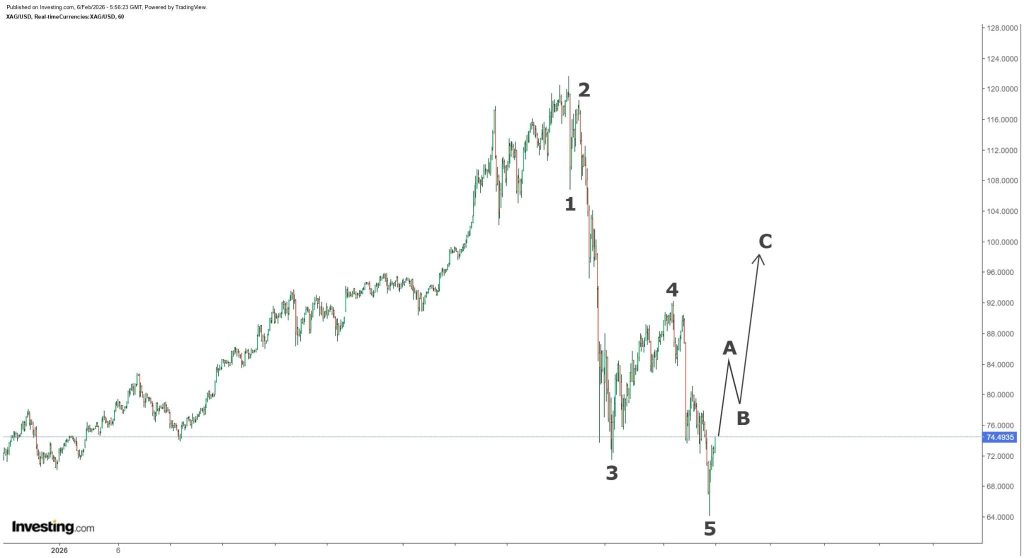
Silver Price Crash Is Over “For Real This Time,” Analyst Predicts a Surge Back Above $90

Silver Price Crash Is Over “For Real This Time,” Analyst Predicts a Surge Back Above $90

Silver has been taking a beating lately, and the Silver price hasn’t exactly been acting like a safe haven. After running up into the highs, the whole move reversed
Share
Captainaltcoin2026/02/07 03:15
