Auction house to fold digital sales into contemporary art category as trading volumes collapse from 2021 highsAuction house to fold digital sales into contemporary art category as trading volumes collapse from 2021 highs

Christie's Shuts Down Digital Art Department Amid NFT Market Decline
2025/09/12 17:13
2 min read
Christie's Shuts Down Digital Art Department Amid NFT Market Decline

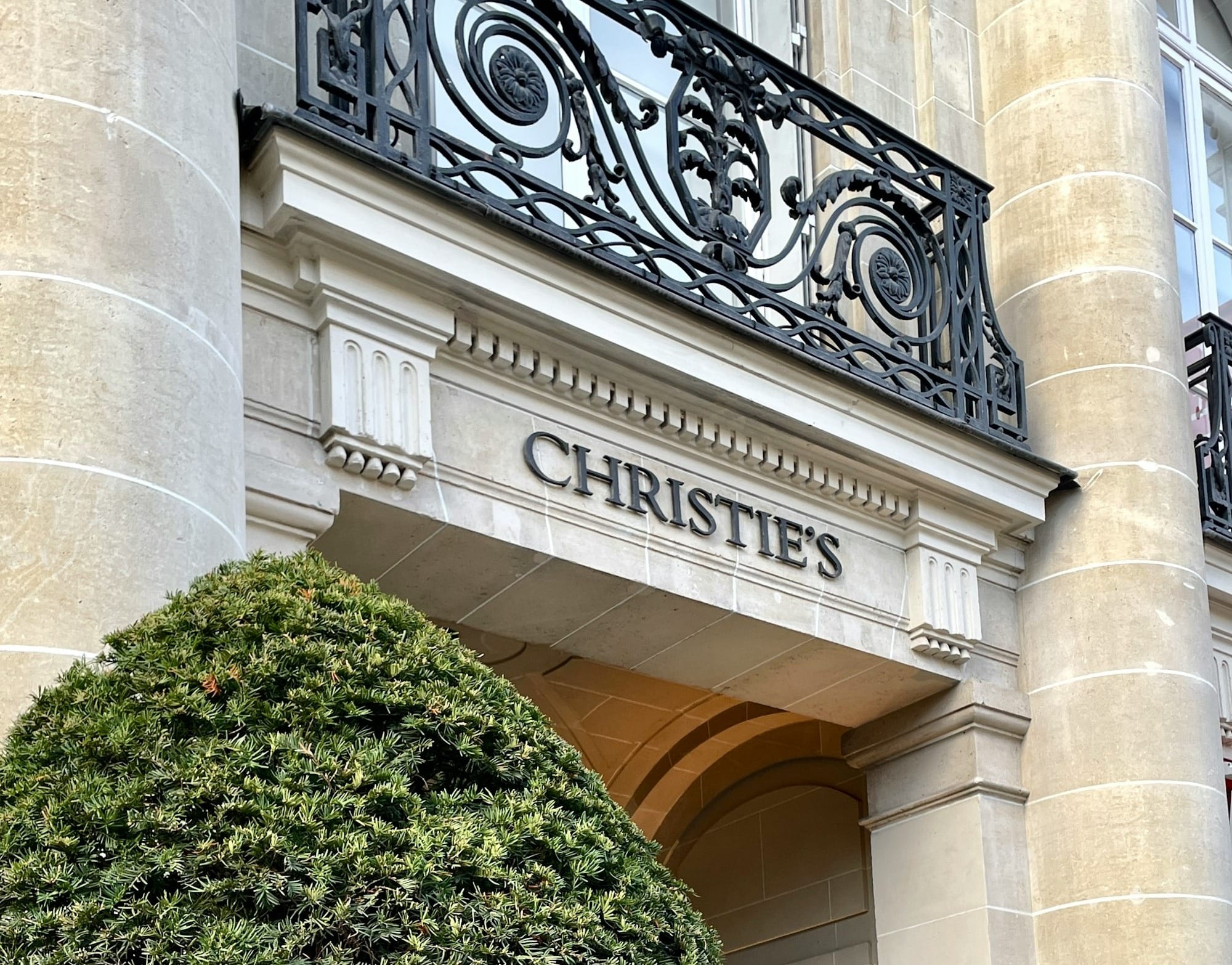
Christie's has quietly dissolved its standalone digital art department, ending a pioneering but brief chapter in the auction house's efforts to mainstream NFTs and AI-generated artwork.

The global auction house confirmed it "made a strategic decision to reformat digital art sales" and will continue selling digital works within its broader 20th and 21st Century Art category, according to a statement, Now Media reported.

Two department staff members were terminated in late August, including vice president of digital art Nicole Sales Giles, with only one digital art specialist remaining in New York.

The closure reflects broader challenges facing both traditional art markets and the digital art sector. Christie's reported $1.5 billion in fine art sales for the first half of 2025, down 1.9% from the previous year and nearly 25% below 2023 levels, according to Artnet's Mid-Year Intelligence Report.

The NFT art market has experienced an even sharper contraction. Trading volumes plummeted from $2.97 billion in 2021 to just $197 million in 2024, according to DappRadar analysis. Multiple digital art platforms including Async Art, KnownOrigin, and LG Art Lab have shuttered operations.

Christie's had been a leader in legitimizing digital art within traditional auction circles. The house made headlines in 2018 by selling the first AI-generated portrait at auction for $432,500, and launched its annual Art + Tech Summit the same year.

The department's defining moment came in March 2021 with the record-breaking $69 million sale of Beeple's "Everydays: The First 5000 Days," which sparked widespread NFT adoption across the art world. The success prompted Christie's to establish a dedicated digital art team and launch Christie's 3.0, its blockchain-based collecting platform, in 2022.

However, subsequent digital art sales failed to match that initial momentum. While Christie's continued hosting dedicated digital art auctions, including this year's "Augmented Reality" sale focused on AI art that generated $700,000, the volumes couldn't justify maintaining a separate department structure, Now Media said.

Rival auction house Sotheby's similarly downsized its Metaverse and NFT team last year, retaining only three specialists including digital art head Michael Bouhanna, Art Net reported.

The department's closure marks the end of Christie's experiment with treating digital art as a distinct collecting category, though the house indicated it will continue selling such works alongside traditional contemporary pieces.

Stay ahead of the curve with the latest industry news on Blockhead’s Telegram channel!
Market Opportunity
BounceToken Logo
BounceToken Price(AUCTION)
$4,737
$4,737$4,737
-%2,95
USD
BounceToken (AUCTION) Live Price Chart
Disclaimer: The articles reposted on this site are sourced from public platforms and are provided for informational purposes only. They do not necessarily reflect the views of MEXC. All rights remain with the original authors. If you believe any content infringes on third-party rights, please contact service@support.mexc.com for removal. MEXC makes no guarantees regarding the accuracy, completeness, or timeliness of the content and is not responsible for any actions taken based on the information provided. The content does not constitute financial, legal, or other professional advice, nor should it be considered a recommendation or endorsement by MEXC.

You May Also Like

Buterin pushes Layer 2 interoperability as cornerstone of Ethereum’s future

Buterin pushes Layer 2 interoperability as cornerstone of Ethereum’s future

Ethereum founder, Vitalik Buterin, has unveiled new goals for the Ethereum blockchain today at the Japan Developer Conference. The plan lays out short-term, mid-term, and long-term goals touching on L2 interoperability and faster responsiveness among others. In terms of technology, he said again that he is sure that Layer 2 options are the best way […]
Share
Cryptopolitan2025/09/18 01:15
White House meeting could unfreeze the crypto CLARITY Act this week, but crypto rewards likely to be the price

White House meeting could unfreeze the crypto CLARITY Act this week, but crypto rewards likely to be the price

White House stablecoin meeting could unfreeze the CLARITY Act, but your USDC rewards may be the price The newly confirmed Feb. 10 White House meeting on stablecoin
Share
CryptoSlate2026/02/09 18:48
Aave DAO to Shut Down 50% of L2s While Doubling Down on GHO

Aave DAO to Shut Down 50% of L2s While Doubling Down on GHO

The post Aave DAO to Shut Down 50% of L2s While Doubling Down on GHO appeared on BitcoinEthereumNews.com. Aave DAO is gearing up for a significant overhaul by shutting down over 50% of underperforming L2 instances. It is also restructuring its governance framework and deploying over $100 million to boost GHO. This could be a pivotal moment that propels Aave back to the forefront of on-chain lending or sparks unprecedented controversy within the DeFi community. Sponsored Sponsored ACI Proposes Shutting Down 50% of L2s The “State of the Union” report by the Aave Chan Initiative (ACI) paints a candid picture. After a turbulent period in the DeFi market and internal challenges, Aave (AAVE) now leads in key metrics: TVL, revenue, market share, and borrowing volume. Aave’s annual revenue of $130 million surpasses the combined cash reserves of its competitors. Tokenomics improvements and the AAVE token buyback program have also contributed to the ecosystem’s growth. Aave global metrics. Source: Aave However, the ACI’s report also highlights several pain points. First, regarding the Layer-2 (L2) strategy. While Aave’s L2 strategy was once a key driver of success, it is no longer fit for purpose. Over half of Aave’s instances on L2s and alt-L1s are not economically viable. Based on year-to-date data, over 86.6% of Aave’s revenue comes from the mainnet, indicating that everything else is a side quest. On this basis, ACI proposes closing underperforming networks. The DAO should invest in key networks with significant differentiators. Second, ACI is pushing for a complete overhaul of the “friendly fork” framework, as most have been unimpressive regarding TVL and revenue. In some cases, attackers have exploited them to Aave’s detriment, as seen with Spark. Sponsored Sponsored “The friendly fork model had a good intention but bad execution where the DAO was too friendly towards these forks, allowing the DAO only little upside,” the report states. Third, the instance model, once a smart…
Share
BitcoinEthereumNews2025/09/18 02:28