BitcoinWorld Bitcoin Selling Pressure: Crucial Analysis Reveals Short-Term Holder Impact The world of cryptocurrency is constantly evolving, presenting both exciting opportunities and significant challenges. Currently, a key dynamic is influencing the market: substantial Bitcoin selling pressure. Understanding this pressure, especially from short-term holders, is absolutely crucial for anyone involved in the crypto space. On-chain analytics firm Glassnode has recently provided insightful data that sheds light on why BTC might be struggling to gain significant upward momentum at its current levels. What’s Driving the Intense Bitcoin Selling Pressure? According to Glassnode’s comprehensive analysis, Bitcoin (BTC) is currently trading within a very specific and challenging price corridor. This range, spanning approximately $113,600 to $115,600, isn’t just arbitrary; it represents the average purchase price for a significant cohort of short-term holders. These are individuals who acquired their Bitcoin relatively recently, typically within the last one to three months. For these newer investors, the current market price means their investments are effectively “underwater” – they are holding Bitcoin at a loss compared to their initial cost basis. This situation creates a powerful, almost gravitational, market dynamic: Break-Even Motivation: As BTC’s price attempts to rebound and approaches this critical range, many short-term holders are motivated to sell. Their primary goal is often to “break even” on their investment or to cut their losses before they deepen. Supply Overhang: This collective desire to exit or reduce exposure at cost creates a substantial “supply overhang.” Essentially, there are many sellers waiting at these specific price points. Resistance Formation: Consequently, this range acts as a formidable resistance level. Any upward price movement is met with a wave of sell orders, making it incredibly difficult for Bitcoin to push through and establish higher highs in the short term. This persistent Bitcoin selling pressure from short-term holders is a significant factor limiting immediate upside potential. Why Do Short-Term Holders Influence BTC So Much? The actions of short-term holders carry considerable weight in the market, especially during periods of price consolidation. Unlike long-term holders, who possess a stronger conviction and often ride out market volatility, short-term holders are generally more reactive. Their investment strategies are often focused on quicker gains or minimizing short-term losses. When a large segment of this group finds their positions in the red, their collective sentiment can quickly shift from optimism to a desire for capital preservation. This isn’t necessarily a sign of weakness in Bitcoin itself, but rather a natural market cleansing process. It highlights the importance of understanding market psychology and the different investor cohorts at play. The current Bitcoin selling pressure illustrates how crucial it is to monitor these on-chain metrics. Navigating This Challenging Market: What Can Investors Do? For both seasoned and new investors, understanding the implications of this analysis is key to making informed decisions. The current environment, marked by significant Bitcoin selling pressure, calls for a strategic approach. Consider these actionable insights: Exercise Patience: Expect potential volatility and constrained upward movement in the short term. Significant rallies may require sustained buying volume to absorb the existing supply. Leverage On-Chain Analytics: Tools from firms like Glassnode offer unparalleled visibility into market internals. Monitoring metrics related to holder behavior, cost basis, and supply distribution can provide a clearer picture than price charts alone. Re-evaluate Risk Tolerance: If you are a short-term trader, be particularly mindful of these resistance levels. Long-term investors might view such periods as opportunities for strategic accumulation, but always within your defined risk parameters. Identify Potential Catalysts: While internal market dynamics are at play, external factors could shift the narrative. Keep an eye on major macroeconomic news, regulatory developments, or significant institutional announcements that could provide the necessary impetus for a breakout. This phase is a test of market resilience. It underscores the importance of a well-thought-out investment strategy rather than impulsive reactions. Conclusion: The Path Forward for Bitcoin Amidst Pressure The analysis revealing substantial Bitcoin selling pressure from short-term holders around the $113,600 to $115,600 range provides a critical lens through which to view the current market. This dynamic, while limiting immediate upside, is a natural part of market cycles. It forces a period of consolidation and the absorption of overhead supply. Investors who stay informed, exercise patience, and employ robust risk management strategies will be better positioned to navigate these challenging waters and capitalize on Bitcoin’s long-term potential. Understanding these fundamental forces is paramount for a clearer perspective on Bitcoin’s journey ahead. Frequently Asked Questions (FAQs) 1. What is “short-term holder cost basis”? It refers to the average price at which short-term Bitcoin holders (those who bought BTC 1-3 months ago) initially purchased their assets. If the current price is below this, they are at a loss. 2. Why do short-term holders sell at a loss? Often, short-term holders sell when the price approaches their cost basis to “break even” or minimize further losses, especially if they believe the price might drop further. This creates selling pressure. 3. How does this Bitcoin selling pressure affect BTC’s price? This pressure creates strong resistance levels. As Bitcoin’s price tries to rise, it encounters a significant number of sell orders from these holders, which can cap upward movement and lead to consolidation or minor pullbacks. 4. What can investors do during periods of high Bitcoin selling pressure? Investors can practice patience, monitor on-chain data for insights, reassess their risk tolerance, and look for potential catalysts that could shift market sentiment and overcome the selling pressure. 5. Is this a bearish sign for Bitcoin’s long-term outlook? Not necessarily. While it indicates short-term resistance, such periods of consolidation and supply absorption are a natural part of market cycles. They can help build a stronger foundation for future growth, testing investor resolve. Did this analysis help you understand the current Bitcoin market better? Share this article with your fellow crypto enthusiasts on social media to spread awareness and foster informed discussions! To learn more about the latest Bitcoin trends, explore our article on key developments shaping Bitcoin price action. This post Bitcoin Selling Pressure: Crucial Analysis Reveals Short-Term Holder Impact first appeared on BitcoinWorld and is written by Editorial TeamBitcoinWorld Bitcoin Selling Pressure: Crucial Analysis Reveals Short-Term Holder Impact The world of cryptocurrency is constantly evolving, presenting both exciting opportunities and significant challenges. Currently, a key dynamic is influencing the market: substantial Bitcoin selling pressure. Understanding this pressure, especially from short-term holders, is absolutely crucial for anyone involved in the crypto space. On-chain analytics firm Glassnode has recently provided insightful data that sheds light on why BTC might be struggling to gain significant upward momentum at its current levels. What’s Driving the Intense Bitcoin Selling Pressure? According to Glassnode’s comprehensive analysis, Bitcoin (BTC) is currently trading within a very specific and challenging price corridor. This range, spanning approximately $113,600 to $115,600, isn’t just arbitrary; it represents the average purchase price for a significant cohort of short-term holders. These are individuals who acquired their Bitcoin relatively recently, typically within the last one to three months. For these newer investors, the current market price means their investments are effectively “underwater” – they are holding Bitcoin at a loss compared to their initial cost basis. This situation creates a powerful, almost gravitational, market dynamic: Break-Even Motivation: As BTC’s price attempts to rebound and approaches this critical range, many short-term holders are motivated to sell. Their primary goal is often to “break even” on their investment or to cut their losses before they deepen. Supply Overhang: This collective desire to exit or reduce exposure at cost creates a substantial “supply overhang.” Essentially, there are many sellers waiting at these specific price points. Resistance Formation: Consequently, this range acts as a formidable resistance level. Any upward price movement is met with a wave of sell orders, making it incredibly difficult for Bitcoin to push through and establish higher highs in the short term. This persistent Bitcoin selling pressure from short-term holders is a significant factor limiting immediate upside potential. Why Do Short-Term Holders Influence BTC So Much? The actions of short-term holders carry considerable weight in the market, especially during periods of price consolidation. Unlike long-term holders, who possess a stronger conviction and often ride out market volatility, short-term holders are generally more reactive. Their investment strategies are often focused on quicker gains or minimizing short-term losses. When a large segment of this group finds their positions in the red, their collective sentiment can quickly shift from optimism to a desire for capital preservation. This isn’t necessarily a sign of weakness in Bitcoin itself, but rather a natural market cleansing process. It highlights the importance of understanding market psychology and the different investor cohorts at play. The current Bitcoin selling pressure illustrates how crucial it is to monitor these on-chain metrics. Navigating This Challenging Market: What Can Investors Do? For both seasoned and new investors, understanding the implications of this analysis is key to making informed decisions. The current environment, marked by significant Bitcoin selling pressure, calls for a strategic approach. Consider these actionable insights: Exercise Patience: Expect potential volatility and constrained upward movement in the short term. Significant rallies may require sustained buying volume to absorb the existing supply. Leverage On-Chain Analytics: Tools from firms like Glassnode offer unparalleled visibility into market internals. Monitoring metrics related to holder behavior, cost basis, and supply distribution can provide a clearer picture than price charts alone. Re-evaluate Risk Tolerance: If you are a short-term trader, be particularly mindful of these resistance levels. Long-term investors might view such periods as opportunities for strategic accumulation, but always within your defined risk parameters. Identify Potential Catalysts: While internal market dynamics are at play, external factors could shift the narrative. Keep an eye on major macroeconomic news, regulatory developments, or significant institutional announcements that could provide the necessary impetus for a breakout. This phase is a test of market resilience. It underscores the importance of a well-thought-out investment strategy rather than impulsive reactions. Conclusion: The Path Forward for Bitcoin Amidst Pressure The analysis revealing substantial Bitcoin selling pressure from short-term holders around the $113,600 to $115,600 range provides a critical lens through which to view the current market. This dynamic, while limiting immediate upside, is a natural part of market cycles. It forces a period of consolidation and the absorption of overhead supply. Investors who stay informed, exercise patience, and employ robust risk management strategies will be better positioned to navigate these challenging waters and capitalize on Bitcoin’s long-term potential. Understanding these fundamental forces is paramount for a clearer perspective on Bitcoin’s journey ahead. Frequently Asked Questions (FAQs) 1. What is “short-term holder cost basis”? It refers to the average price at which short-term Bitcoin holders (those who bought BTC 1-3 months ago) initially purchased their assets. If the current price is below this, they are at a loss. 2. Why do short-term holders sell at a loss? Often, short-term holders sell when the price approaches their cost basis to “break even” or minimize further losses, especially if they believe the price might drop further. This creates selling pressure. 3. How does this Bitcoin selling pressure affect BTC’s price? This pressure creates strong resistance levels. As Bitcoin’s price tries to rise, it encounters a significant number of sell orders from these holders, which can cap upward movement and lead to consolidation or minor pullbacks. 4. What can investors do during periods of high Bitcoin selling pressure? Investors can practice patience, monitor on-chain data for insights, reassess their risk tolerance, and look for potential catalysts that could shift market sentiment and overcome the selling pressure. 5. Is this a bearish sign for Bitcoin’s long-term outlook? Not necessarily. While it indicates short-term resistance, such periods of consolidation and supply absorption are a natural part of market cycles. They can help build a stronger foundation for future growth, testing investor resolve. Did this analysis help you understand the current Bitcoin market better? Share this article with your fellow crypto enthusiasts on social media to spread awareness and foster informed discussions! To learn more about the latest Bitcoin trends, explore our article on key developments shaping Bitcoin price action. This post Bitcoin Selling Pressure: Crucial Analysis Reveals Short-Term Holder Impact first appeared on BitcoinWorld and is written by Editorial Team


Bitcoin Selling Pressure: Crucial Analysis Reveals Short-Term Holder Impact

6 min read

BitcoinWorld

Bitcoin Selling Pressure: Crucial Analysis Reveals Short-Term Holder Impact

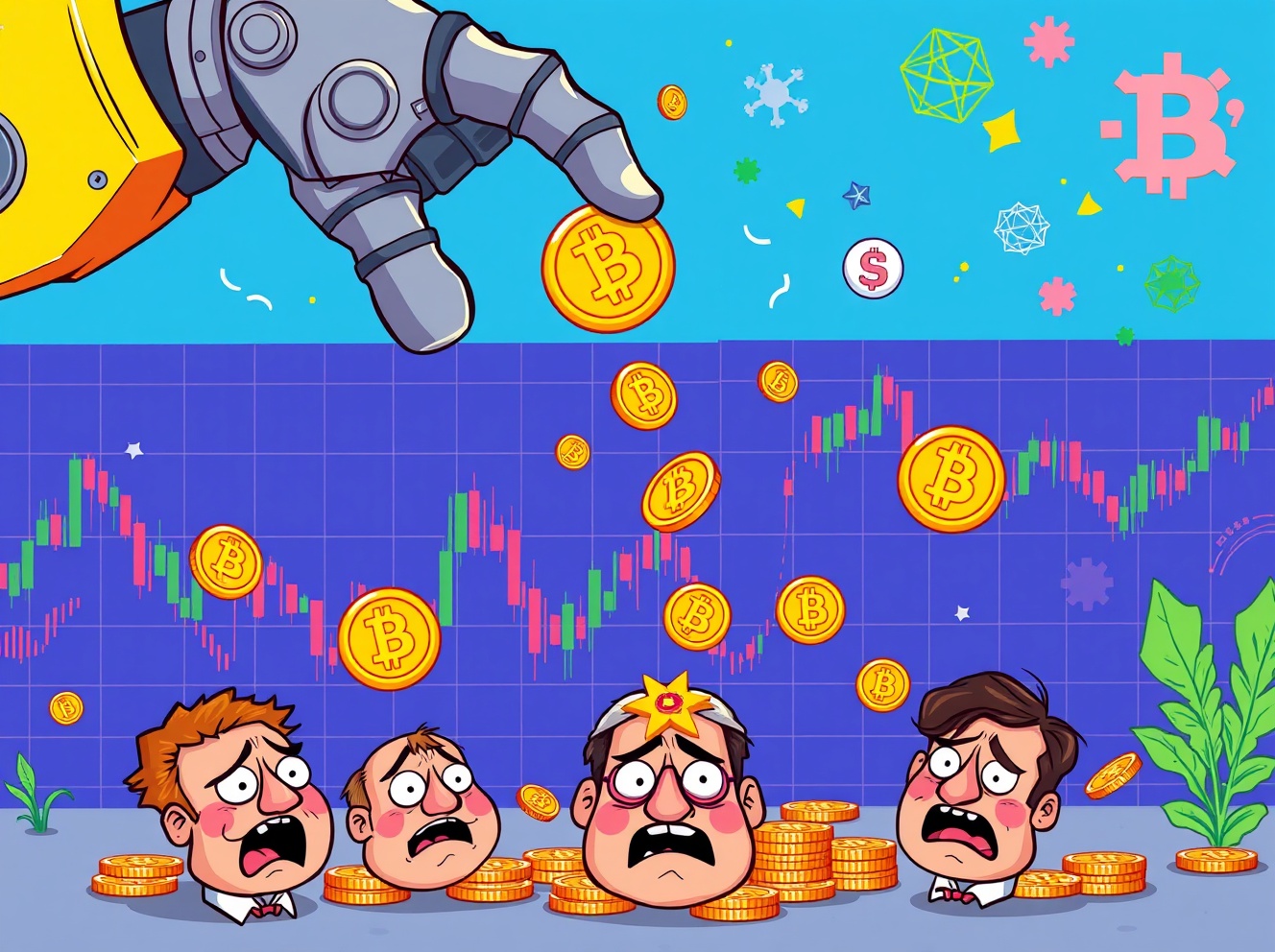
The world of cryptocurrency is constantly evolving, presenting both exciting opportunities and significant challenges. Currently, a key dynamic is influencing the market: substantial Bitcoin selling pressure. Understanding this pressure, especially from short-term holders, is absolutely crucial for anyone involved in the crypto space. On-chain analytics firm Glassnode has recently provided insightful data that sheds light on why BTC might be struggling to gain significant upward momentum at its current levels.

What’s Driving the Intense Bitcoin Selling Pressure?

According to Glassnode’s comprehensive analysis, Bitcoin (BTC) is currently trading within a very specific and challenging price corridor. This range, spanning approximately $113,600 to $115,600, isn’t just arbitrary; it represents the average purchase price for a significant cohort of short-term holders. These are individuals who acquired their Bitcoin relatively recently, typically within the last one to three months.

For these newer investors, the current market price means their investments are effectively “underwater” – they are holding Bitcoin at a loss compared to their initial cost basis. This situation creates a powerful, almost gravitational, market dynamic:

  • Break-Even Motivation: As BTC’s price attempts to rebound and approaches this critical range, many short-term holders are motivated to sell. Their primary goal is often to “break even” on their investment or to cut their losses before they deepen.
  • Supply Overhang: This collective desire to exit or reduce exposure at cost creates a substantial “supply overhang.” Essentially, there are many sellers waiting at these specific price points.
  • Resistance Formation: Consequently, this range acts as a formidable resistance level. Any upward price movement is met with a wave of sell orders, making it incredibly difficult for Bitcoin to push through and establish higher highs in the short term.

This persistent Bitcoin selling pressure from short-term holders is a significant factor limiting immediate upside potential.

Why Do Short-Term Holders Influence BTC So Much?

The actions of short-term holders carry considerable weight in the market, especially during periods of price consolidation. Unlike long-term holders, who possess a stronger conviction and often ride out market volatility, short-term holders are generally more reactive. Their investment strategies are often focused on quicker gains or minimizing short-term losses.

When a large segment of this group finds their positions in the red, their collective sentiment can quickly shift from optimism to a desire for capital preservation. This isn’t necessarily a sign of weakness in Bitcoin itself, but rather a natural market cleansing process. It highlights the importance of understanding market psychology and the different investor cohorts at play. The current Bitcoin selling pressure illustrates how crucial it is to monitor these on-chain metrics.

For both seasoned and new investors, understanding the implications of this analysis is key to making informed decisions. The current environment, marked by significant Bitcoin selling pressure, calls for a strategic approach.

Consider these actionable insights:

  • Exercise Patience: Expect potential volatility and constrained upward movement in the short term. Significant rallies may require sustained buying volume to absorb the existing supply.
  • Leverage On-Chain Analytics: Tools from firms like Glassnode offer unparalleled visibility into market internals. Monitoring metrics related to holder behavior, cost basis, and supply distribution can provide a clearer picture than price charts alone.
  • Re-evaluate Risk Tolerance: If you are a short-term trader, be particularly mindful of these resistance levels. Long-term investors might view such periods as opportunities for strategic accumulation, but always within your defined risk parameters.
  • Identify Potential Catalysts: While internal market dynamics are at play, external factors could shift the narrative. Keep an eye on major macroeconomic news, regulatory developments, or significant institutional announcements that could provide the necessary impetus for a breakout.

This phase is a test of market resilience. It underscores the importance of a well-thought-out investment strategy rather than impulsive reactions.

Conclusion: The Path Forward for Bitcoin Amidst Pressure

The analysis revealing substantial Bitcoin selling pressure from short-term holders around the $113,600 to $115,600 range provides a critical lens through which to view the current market. This dynamic, while limiting immediate upside, is a natural part of market cycles. It forces a period of consolidation and the absorption of overhead supply. Investors who stay informed, exercise patience, and employ robust risk management strategies will be better positioned to navigate these challenging waters and capitalize on Bitcoin’s long-term potential. Understanding these fundamental forces is paramount for a clearer perspective on Bitcoin’s journey ahead.

Frequently Asked Questions (FAQs)

1. What is “short-term holder cost basis”?
It refers to the average price at which short-term Bitcoin holders (those who bought BTC 1-3 months ago) initially purchased their assets. If the current price is below this, they are at a loss.

2. Why do short-term holders sell at a loss?
Often, short-term holders sell when the price approaches their cost basis to “break even” or minimize further losses, especially if they believe the price might drop further. This creates selling pressure.

3. How does this Bitcoin selling pressure affect BTC’s price?
This pressure creates strong resistance levels. As Bitcoin’s price tries to rise, it encounters a significant number of sell orders from these holders, which can cap upward movement and lead to consolidation or minor pullbacks.

4. What can investors do during periods of high Bitcoin selling pressure?
Investors can practice patience, monitor on-chain data for insights, reassess their risk tolerance, and look for potential catalysts that could shift market sentiment and overcome the selling pressure.

5. Is this a bearish sign for Bitcoin’s long-term outlook?
Not necessarily. While it indicates short-term resistance, such periods of consolidation and supply absorption are a natural part of market cycles. They can help build a stronger foundation for future growth, testing investor resolve.

Did this analysis help you understand the current Bitcoin market better? Share this article with your fellow crypto enthusiasts on social media to spread awareness and foster informed discussions!

To learn more about the latest Bitcoin trends, explore our article on key developments shaping Bitcoin price action.

This post Bitcoin Selling Pressure: Crucial Analysis Reveals Short-Term Holder Impact first appeared on BitcoinWorld and is written by Editorial Team

Market Opportunity
Threshold Logo
Threshold Price(T)
$0.006561
$0.006561$0.006561
-6.33%
USD
Threshold (T) Live Price Chart
Disclaimer: The articles reposted on this site are sourced from public platforms and are provided for informational purposes only. They do not necessarily reflect the views of MEXC. All rights remain with the original authors. If you believe any content infringes on third-party rights, please contact service@support.mexc.com for removal. MEXC makes no guarantees regarding the accuracy, completeness, or timeliness of the content and is not responsible for any actions taken based on the information provided. The content does not constitute financial, legal, or other professional advice, nor should it be considered a recommendation or endorsement by MEXC.

You May Also Like

The Manchester City Donnarumma Doubters Have Missed Something Huge

The Manchester City Donnarumma Doubters Have Missed Something Huge

The post The Manchester City Donnarumma Doubters Have Missed Something Huge appeared on BitcoinEthereumNews.com. MANCHESTER, ENGLAND – SEPTEMBER 14: Gianluigi Donnarumma of Manchester City celebrates the second City goal during the Premier League match between Manchester City and Manchester United at Etihad Stadium on September 14, 2025 in Manchester, England. (Photo by Visionhaus/Getty Images) Visionhaus/Getty Images For a goalkeeper who’d played an influential role in the club’s first-ever Champions League triumph, it was strange to see Gianluigi Donnarumma so easily discarded. Soccer is a brutal game, but the sudden, drastic demotion of the Italian from Paris Saint-Germain’s lineup for the UEFA Super Cup clash against Tottenham Hotspur before he was sold to Manchester City was shockingly brutal. Coach Luis Enrique isn’t a man who minces his words, so he was blunt when asked about the decision on social media. “I am supported by my club and we are trying to find the best solution,” he told a news conference. “It is a difficult decision. I only have praise for Donnarumma. He is one of the very best goalkeepers out there and an even better man. “But we were looking for a different profile. It’s very difficult to take these types of decisions.” The last line has really stuck, especially since it became clear that Manchester City was Donnarumma’s next destination. Pep Guardiola, under whom the Italian will be playing this season, is known for brutally axing goalkeepers he didn’t feel fit his profile. The most notorious was Joe Hart, who was jettisoned many years ago for very similar reasons to Enrique. So how can it be that the Catalan coach is turning once again to a so-called old-school keeper? Well, the truth, as so often the case, is not quite that simple. As Italian soccer expert James Horncastle pointed out in The Athletic, Enrique’s focus on needing a “different profile” is overblown. Lucas Chevalier,…
Share
BitcoinEthereumNews2025/09/18 07:38
Marathon Digital BTC Transfers Highlight Miner Stress

Marathon Digital BTC Transfers Highlight Miner Stress

The post Marathon Digital BTC Transfers Highlight Miner Stress appeared on BitcoinEthereumNews.com. In a tense week for crypto markets, marathon digital has drawn
Share
BitcoinEthereumNews2026/02/06 15:16
This U.S. politician’s suspicious stock trade just returned over 200% in weeks

This U.S. politician’s suspicious stock trade just returned over 200% in weeks

The post This U.S. politician’s suspicious stock trade just returned over 200% in weeks appeared on BitcoinEthereumNews.com. United States Representative Cloe Fields has seen his stake in Opendoor Technologies (NASDAQ: OPEN) stock return over 200% in just a matter of weeks. According to congressional trade filings, the lawmaker purchased a stake in the online real estate company on July 21, 2025, investing between $1,001 and $15,000. At the time, the stock was trading around $2 and had been largely stagnant for months. Receive Signals on US Congress Members’ Stock Trades Stocks Stay up-to-date on the trading activity of US Congress members. The signal triggers based on updates from the House disclosure reports, notifying you of their latest stock transactions. Enable signal The trade has since paid off, with Opendoor surging to $10, a gain of nearly 220% in under two months. By comparison, the broader S&P 500 index rose less than 5% during the same period. OPEN one-week stock price chart. Source: Finbold Assuming he invested a minimum of $1,001, the purchase would now be worth about $3,200, while a $15,000 stake would have grown to nearly $48,000, generating profits of roughly $2,200 and $33,000, respectively. OPEN’s stock rally Notably, Opendoor’s rally has been fueled by major corporate shifts and market speculation. For instance, in August, the company named former Shopify COO Kaz Nejatian as CEO, while co-founders Keith Rabois and Eric Wu rejoined the board, moves seen as a return to the company’s early innovative spirit.  Outgoing CEO Carrie Wheeler’s resignation and sale of millions in stock reinforced the sense of a new chapter. Beyond leadership changes, Opendoor’s surge has taken on meme-stock characteristics. In this case, retail investors piled in as shares climbed, while short sellers scrambled to cover, pushing prices higher.  However, the stock is still not without challenges, where its iBuying model is untested at scale, margins are thin, and debt tied to…
Share
BitcoinEthereumNews2025/09/18 04:02