This week marked a turning point in U.S. crypto regulation, as both Congress and regulatory agencies moved forward with frameworks that could finally bring clarity to the digital asset space. With the SEC unveiling sweeping ETF reform and the White House publishing its long-awaited crypto policy report, America is sending a clear message: the U.S. wants to lead the next chapter of digital finance. Trump’s Crypto Regulation Roadmap Looks to Cement U.S. Leadership On July 30, the President’s Working Group on Digital Asset Markets released a 166-page report outlining the Trump administration’s blueprint for transforming the U.S. into the “Crypto Capital of the World.” The document, which embraces terms like “Golden Age of Crypto,” proposes legislative and regulatory clarity as the foundation for future growth. 🇺🇸 Trump admin report calls for clear SEC/CFTC crypto rules, DeFi adoption & modern bank reforms. #Trump #CryptoRegulations https://t.co/qLYj3tAhZ2 — Cryptonews.com (@cryptonews) July 30, 2025 Key recommendations include giving the Commodity Futures Trading Commission (CFTC) explicit authority over spot markets for non-security digital assets and formally integrating decentralized finance (DeFi) into traditional market infrastructure. The report also calls for Congress to affirm the right of people to custody their own digital assets and transact peer-to-peer without financial intermediaries. Additionally, the report reflects a political strategy as well. With Trump enjoying a 72% approval rating among crypto holders—according to internal polling cited in the report—there’s no doubt that crypto policy is becoming a serious campaign platform. Industry leaders have responded positively. Rebecca Liao, co-founder, and CEO of Web3 protocol Saga, commented: “By today’s standards, this policy document is not controversial and reflects crypto consensus. Because the recommendations are more reasonable, they should be easier to implement than the extreme ideas often floated on Crypto Twitter.” “Even diehard crypto maxis now accept that unchecked manipulation has eroded trust. For this market to grow sustainably, that issue can’t be ignored much longer,” said Liao. Congressional Pressure Mounts to Pass Crypto Market Structure Legislation Following the report’s release, House Financial Services Committee Chairman French Hill issued a statement urging the Senate to act swiftly. With the GENIUS Act already the law and the CLARITY Act receiving overwhelming bipartisan support in the House, Hill is pushing for crypto market structure legislation to reach President Trump’s desk. “I’m pleased to see the Working Group’s strong support of the CLARITY Act,” said Hill. “Now the Senate must expeditiously work to deliver critical legislation that realigns our regulatory landscape with the President’s vision.” SEC Unveils Project Crypto and Advances ETF Reform In tandem with the White House roadmap, the SEC launched “Project Crypto,” a sweeping initiative designed to modernize securities laws to accommodate blockchain-based financial products. Chairman Paul Atkins announced the initiative during a speech at the America First Policy Institute, stating that the time had come to bring crypto asset issuance and trading back to U.S. soil. 🚀 SEC Chairman Paul Atkins launches 'Project Crypto' initiative to make America the 'crypto capital of the world' through comprehensive regulatory modernization. #SEC #Crypto #America https://t.co/7dVUQ2rEZ8 — Cryptonews.com (@cryptonews) July 31, 2025 Perhaps most impactful is the SEC’s new Generic Listing Standards for crypto exchange-traded products. These rules, published via the CBOE, outline that any crypto asset with active futures markets for at least six months would automatically qualify for ETF listing. Analysts believe up to a dozen tokens could be approved by October, opening the door to a more inclusive and transparent crypto investment market. 🚀 SEC establishes new crypto ETF listing standards enabling approximately dozen major digital assets to gain approval by October through streamlined framework. #SEC #ETFs https://t.co/grlJtGb5tH — Cryptonews.com (@cryptonews) July 31, 2025 A New Era for Regulated Crypto Investing? The week’s developments in crypto regulation suggest that after years of fragmented regulation and uncertainty, a new era may be dawning for U.S.-based crypto investors. Policies are becoming more predictable, access is being broadened, and lawmakers are working in parallel with regulators to build lasting infrastructure. Laurent Kssis, CEO of CEC Capital and a seasoned crypto ETP expert, welcomed the FCA’s recent decision to allow UK retail investors access to crypto ETNs as a sign that matures regulatory environments are finally gaining momentum. 🚨 The UK FCA will allow retail investors to access crypto ETNs starting Oct 8—reversing a 4+ year ban. #FCA #ETNs https://t.co/aK2NkOS0Md — Cryptonews.com (@cryptonews) August 1, 2025 As we enter the second half of 2025, the tone is clear: crypto is no longer a fringe asset class. With regulatory foundations being laid in Washington, the opportunity to reshape global digital finance is very much alive—and increasingly being led from the top.This week marked a turning point in U.S. crypto regulation, as both Congress and regulatory agencies moved forward with frameworks that could finally bring clarity to the digital asset space. With the SEC unveiling sweeping ETF reform and the White House publishing its long-awaited crypto policy report, America is sending a clear message: the U.S. wants to lead the next chapter of digital finance. Trump’s Crypto Regulation Roadmap Looks to Cement U.S. Leadership On July 30, the President’s Working Group on Digital Asset Markets released a 166-page report outlining the Trump administration’s blueprint for transforming the U.S. into the “Crypto Capital of the World.” The document, which embraces terms like “Golden Age of Crypto,” proposes legislative and regulatory clarity as the foundation for future growth. 🇺🇸 Trump admin report calls for clear SEC/CFTC crypto rules, DeFi adoption & modern bank reforms. #Trump #CryptoRegulations https://t.co/qLYj3tAhZ2 — Cryptonews.com (@cryptonews) July 30, 2025 Key recommendations include giving the Commodity Futures Trading Commission (CFTC) explicit authority over spot markets for non-security digital assets and formally integrating decentralized finance (DeFi) into traditional market infrastructure. The report also calls for Congress to affirm the right of people to custody their own digital assets and transact peer-to-peer without financial intermediaries. Additionally, the report reflects a political strategy as well. With Trump enjoying a 72% approval rating among crypto holders—according to internal polling cited in the report—there’s no doubt that crypto policy is becoming a serious campaign platform. Industry leaders have responded positively. Rebecca Liao, co-founder, and CEO of Web3 protocol Saga, commented: “By today’s standards, this policy document is not controversial and reflects crypto consensus. Because the recommendations are more reasonable, they should be easier to implement than the extreme ideas often floated on Crypto Twitter.” “Even diehard crypto maxis now accept that unchecked manipulation has eroded trust. For this market to grow sustainably, that issue can’t be ignored much longer,” said Liao. Congressional Pressure Mounts to Pass Crypto Market Structure Legislation Following the report’s release, House Financial Services Committee Chairman French Hill issued a statement urging the Senate to act swiftly. With the GENIUS Act already the law and the CLARITY Act receiving overwhelming bipartisan support in the House, Hill is pushing for crypto market structure legislation to reach President Trump’s desk. “I’m pleased to see the Working Group’s strong support of the CLARITY Act,” said Hill. “Now the Senate must expeditiously work to deliver critical legislation that realigns our regulatory landscape with the President’s vision.” SEC Unveils Project Crypto and Advances ETF Reform In tandem with the White House roadmap, the SEC launched “Project Crypto,” a sweeping initiative designed to modernize securities laws to accommodate blockchain-based financial products. Chairman Paul Atkins announced the initiative during a speech at the America First Policy Institute, stating that the time had come to bring crypto asset issuance and trading back to U.S. soil. 🚀 SEC Chairman Paul Atkins launches 'Project Crypto' initiative to make America the 'crypto capital of the world' through comprehensive regulatory modernization. #SEC #Crypto #America https://t.co/7dVUQ2rEZ8 — Cryptonews.com (@cryptonews) July 31, 2025 Perhaps most impactful is the SEC’s new Generic Listing Standards for crypto exchange-traded products. These rules, published via the CBOE, outline that any crypto asset with active futures markets for at least six months would automatically qualify for ETF listing. Analysts believe up to a dozen tokens could be approved by October, opening the door to a more inclusive and transparent crypto investment market. 🚀 SEC establishes new crypto ETF listing standards enabling approximately dozen major digital assets to gain approval by October through streamlined framework. #SEC #ETFs https://t.co/grlJtGb5tH — Cryptonews.com (@cryptonews) July 31, 2025 A New Era for Regulated Crypto Investing? The week’s developments in crypto regulation suggest that after years of fragmented regulation and uncertainty, a new era may be dawning for U.S.-based crypto investors. Policies are becoming more predictable, access is being broadened, and lawmakers are working in parallel with regulators to build lasting infrastructure. Laurent Kssis, CEO of CEC Capital and a seasoned crypto ETP expert, welcomed the FCA’s recent decision to allow UK retail investors access to crypto ETNs as a sign that matures regulatory environments are finally gaining momentum. 🚨 The UK FCA will allow retail investors to access crypto ETNs starting Oct 8—reversing a 4+ year ban. #FCA #ETNs https://t.co/aK2NkOS0Md — Cryptonews.com (@cryptonews) August 1, 2025 As we enter the second half of 2025, the tone is clear: crypto is no longer a fringe asset class. With regulatory foundations being laid in Washington, the opportunity to reshape global digital finance is very much alive—and increasingly being led from the top.

Weekly Crypto Regulation Roundup: SEC Advances ETF Reform, White House Unveils Crypto Roadmap

4 min read

This week marked a turning point in U.S. crypto regulation, as both Congress and regulatory agencies moved forward with frameworks that could finally bring clarity to the digital asset space.

With the SEC unveiling sweeping ETF reform and the White House publishing its long-awaited crypto policy report, America is sending a clear message: the U.S. wants to lead the next chapter of digital finance.

Trump’s Crypto Regulation Roadmap Looks to Cement U.S. Leadership

On July 30, the President’s Working Group on Digital Asset Markets released a 166-page report outlining the Trump administration’s blueprint for transforming the U.S. into the “Crypto Capital of the World.”

The document, which embraces terms like “Golden Age of Crypto,” proposes legislative and regulatory clarity as the foundation for future growth.

Key recommendations include giving the Commodity Futures Trading Commission (CFTC) explicit authority over spot markets for non-security digital assets and formally integrating decentralized finance (DeFi) into traditional market infrastructure.

The report also calls for Congress to affirm the right of people to custody their own digital assets and transact peer-to-peer without financial intermediaries.

Additionally, the report reflects a political strategy as well. With Trump enjoying a 72% approval rating among crypto holders—according to internal polling cited in the report—there’s no doubt that crypto policy is becoming a serious campaign platform.

Industry leaders have responded positively. Rebecca Liao, co-founder, and CEO of Web3 protocol Saga, commented: “By today’s standards, this policy document is not controversial and reflects crypto consensus. Because the recommendations are more reasonable, they should be easier to implement than the extreme ideas often floated on Crypto Twitter.”

“Even diehard crypto maxis now accept that unchecked manipulation has eroded trust. For this market to grow sustainably, that issue can’t be ignored much longer,” said Liao.

Congressional Pressure Mounts to Pass Crypto Market Structure Legislation

Following the report’s release, House Financial Services Committee Chairman French Hill issued a statement urging the Senate to act swiftly.

With the GENIUS Act already the law and the CLARITY Act receiving overwhelming bipartisan support in the House, Hill is pushing for crypto market structure legislation to reach President Trump’s desk.

“I’m pleased to see the Working Group’s strong support of the CLARITY Act,” said Hill. “Now the Senate must expeditiously work to deliver critical legislation that realigns our regulatory landscape with the President’s vision.”

SEC Unveils Project Crypto and Advances ETF Reform

In tandem with the White House roadmap, the SEC launched “Project Crypto,” a sweeping initiative designed to modernize securities laws to accommodate blockchain-based financial products.

Chairman Paul Atkins announced the initiative during a speech at the America First Policy Institute, stating that the time had come to bring crypto asset issuance and trading back to U.S. soil.

Perhaps most impactful is the SEC’s new Generic Listing Standards for crypto exchange-traded products. These rules, published via the CBOE, outline that any crypto asset with active futures markets for at least six months would automatically qualify for ETF listing.

Analysts believe up to a dozen tokens could be approved by October, opening the door to a more inclusive and transparent crypto investment market.

A New Era for Regulated Crypto Investing?

The week’s developments in crypto regulation suggest that after years of fragmented regulation and uncertainty, a new era may be dawning for U.S.-based crypto investors.

Policies are becoming more predictable, access is being broadened, and lawmakers are working in parallel with regulators to build lasting infrastructure.

Laurent Kssis, CEO of CEC Capital and a seasoned crypto ETP expert, welcomed the FCA’s recent decision to allow UK retail investors access to crypto ETNs as a sign that matures regulatory environments are finally gaining momentum.

As we enter the second half of 2025, the tone is clear: crypto is no longer a fringe asset class. With regulatory foundations being laid in Washington, the opportunity to reshape global digital finance is very much alive—and increasingly being led from the top.

Market Opportunity
MemeCore Logo
MemeCore Price(M)
$1.49619
$1.49619$1.49619
-1.50%
USD
MemeCore (M) Live Price Chart
Disclaimer: The articles reposted on this site are sourced from public platforms and are provided for informational purposes only. They do not necessarily reflect the views of MEXC. All rights remain with the original authors. If you believe any content infringes on third-party rights, please contact service@support.mexc.com for removal. MEXC makes no guarantees regarding the accuracy, completeness, or timeliness of the content and is not responsible for any actions taken based on the information provided. The content does not constitute financial, legal, or other professional advice, nor should it be considered a recommendation or endorsement by MEXC.

You May Also Like

Three dormant wallets, suspected to belong to the same entity, purchased 5,970 ETH eight hours ago.
Three dormant wallets, suspected to belong to the same entity, purchased 5,970 ETH eight hours ago.

PANews reported on February 4 that, according to Lookonchain monitoring, three wallets that had been dormant for four years (likely controlled by the same entity
Share
PANews2026/02/04 11:36
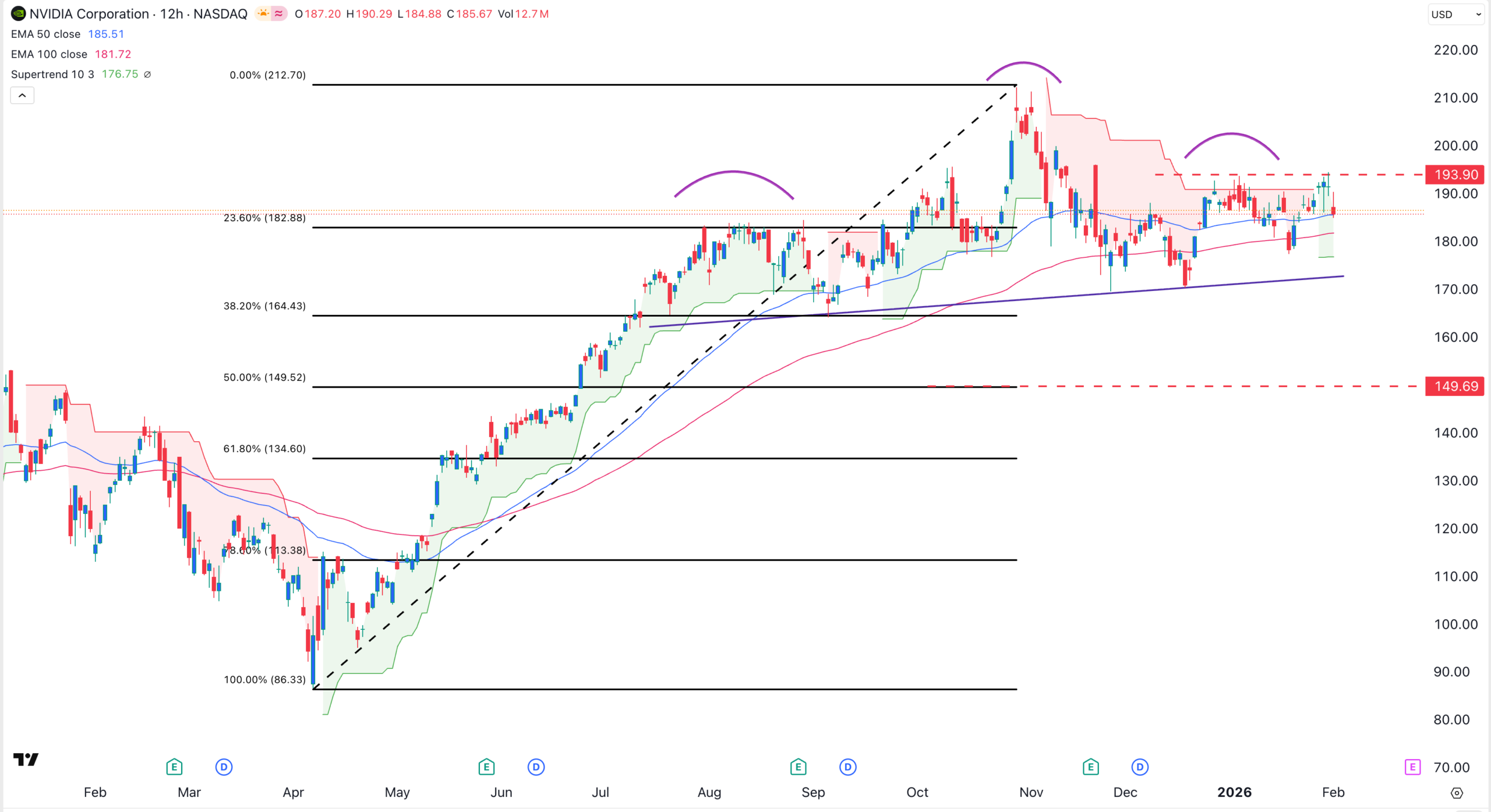
NVIDIA Stock Price Analysis as OpenAI Issues Concerns About its Chips

NVIDIA Stock Price Analysis as OpenAI Issues Concerns About its Chips

Key Insights NVIDIA stock started the week in the red. It crashed by over 2%. Meanwhile, the S&P 500, Dow Jones, and Nasdaq 100 moved close to their all-time highs
Share
Themarketperiodical2026/02/04 11:27
Ondo Finance Launches USDY Yieldcoin on Stellar, Bringing Tokenized U.S. Treasuries to Users

Ondo Finance Launches USDY Yieldcoin on Stellar, Bringing Tokenized U.S. Treasuries to Users

Ondo Finance, a U.S.-based digital asset firm specializing in bringing traditional financial products on-chain through tokenization, is expanding its yieldcoin USDY to the Stellar network. This lates update marks a step forward in merging tokenized real-world assets with a global payments infrastructure, unlocking new opportunities for users worldwide. The announcement was made at the Stellar Meridian event in Copacabana, Rio de Janeiro, on September 17. USDY Joins the Stellar Ecosystem Ondo Finance, a recognized leader in tokenized real-world assets, announced the deployment of United States Dollar Yield (USDY) on Stellar, the payments-focused blockchain known for speed and low transaction costs. USDY is the most widely available “yieldcoin,” offering investors access to onchain assets backed by U.S. Treasuries. This launch allows Stellar’s global user base to tap into permissionless, yield-bearing assets tied to one of the safest financial instruments in the world. It also aligns with Stellar’s mission of driving fast, affordable cross-border payments. Combining Yield with Payments Infrastructure “Stablecoins unlocked global access to the U.S. dollar. With USDY, we’re taking the next step by bringing U.S. Treasuries onchain in a form that combines stability, liquidity, and yield,” said Ian De Bode, Chief Strategy Officer at Ondo Finance. “Fast, affordable cross-border payments are at the center of what Stellar was designed to do. The global reach of the Stellar ecosystem combined with a yield-bearing asset like USDY levels up what is possible onchain, allowing wallets and businesses to offer yield opportunities to their users,” said Denelle Dixon, CEO of the Stellar Development Foundation. Ondo claims by pairing USDY with Stellar’s infrastructure, new possibilities open up in treasury management, collateralization, and everyday financial applications. Unlocking Institutional and Retail Use Cases USDY currently manages over $650 million in total value locked (TVL) across nine blockchains and offers a 5.3% APY. By launching on Stellar, Ondo Finance extends these benefits to global retail and institutional users. The firm explains balances on Stellar can now become productive, supporting use cases such as onchain savings, institutional treasury strategies, cost-efficient collateral for DeFi protocols, and remittance flows that carry yield rather than remaining static. A Milestone for Tokenized Treasuries With the integration of USDY, Stellar users gain more than just access to stable-value assets—they gain access to institutional-grade yield. For investors outside the U.S., the launch represents a new way to combine the safety of Treasuries with the accessibility of blockchain technology. As tokenization accelerates globally, Ondo Finance’s decision to deploy USDY on Stellar reinforces the narrative that blockchain is not just about speculation, but about reimagining the global financial system through secure, yield-bearing digital assets
Share
CryptoNews2025/09/18 00:46
