Revolutionary: DWF Labs Successfully Tests Physical Gold Transaction, Announces Major RWA Expansion
BitcoinWorld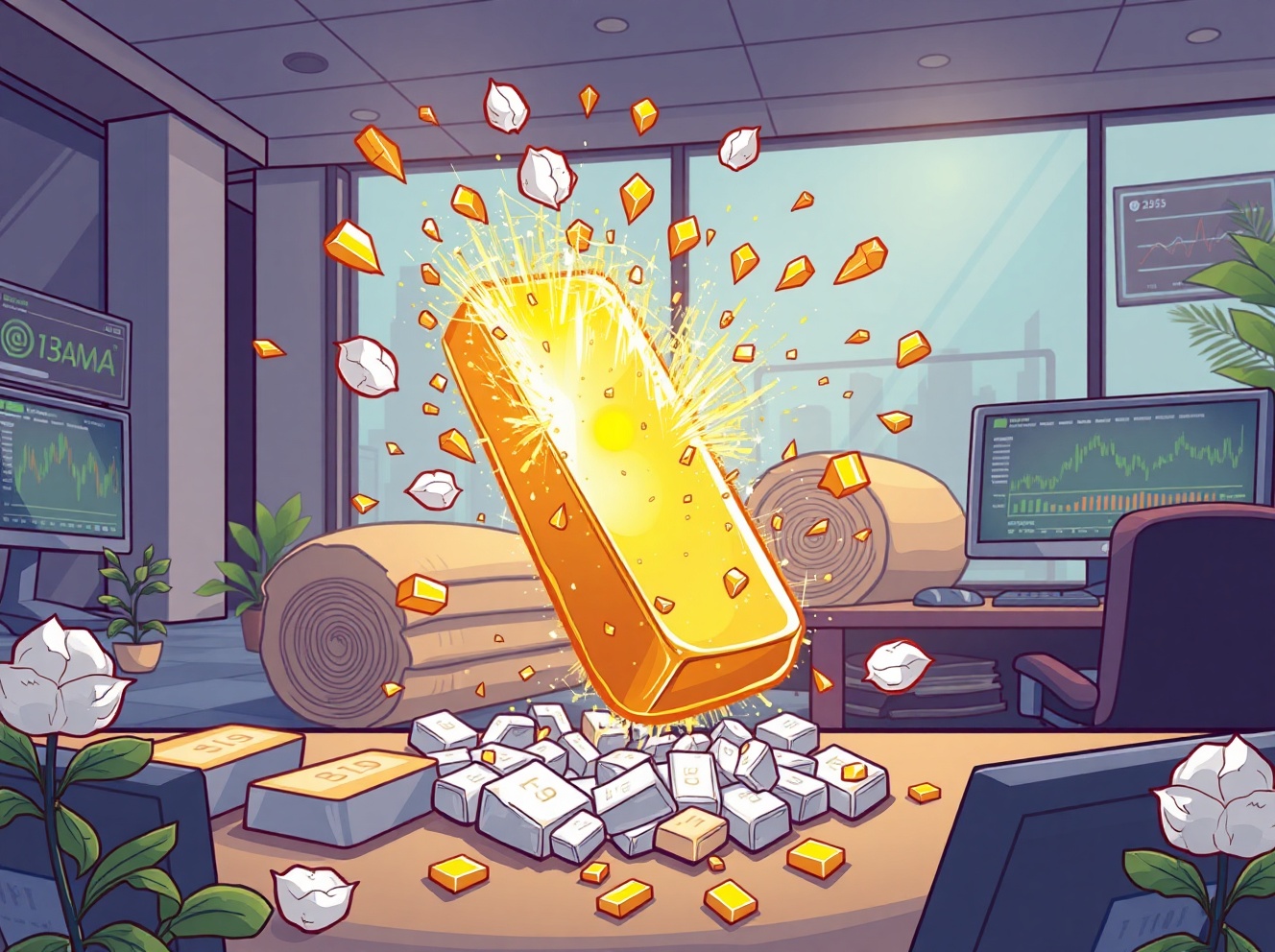
Revolutionary: DWF Labs Successfully Tests Physical Gold Transaction, Announces Major RWA Expansion
In a bold move that bridges ancient value with modern technology, DWF Labs has successfully completed its first test transaction involving physical gold. This milestone isn’t just about moving a 25 kg gold bar—it’s a definitive step toward reshaping how we think about asset ownership. For anyone watching the cryptocurrency and blockchain space, this signals a powerful expansion of Real World Asset (RWA) tokenization, bringing tangible assets onto digital ledgers. Let’s explore what this means for the future of finance.
What Does DWF Labs’ Gold Transaction Mean for the RWA Market?
Andrei Grachev, co-founder of DWF Labs, announced the successful test on X, confirming the smooth transfer of a substantial gold bar. This isn’t a simple proof of concept. It’s a working demonstration of a core promise of blockchain: to make illiquid, physical assets as easy to trade as a cryptocurrency. The transaction validates the technical and logistical framework DWF Labs is building. More importantly, it builds trust. When a reputable market maker like DWF Labs demonstrates this capability, it attracts institutional attention and paves the way for broader Real World Asset adoption.
Therefore, this test is a confidence booster for the entire RWA sector. It shows that major players are moving beyond theory and into practical implementation. The focus now shifts from “if” to “how” and “how fast.” This development could accelerate the inflow of traditional capital into the blockchain ecosystem, as investors seek the benefits of tokenization—liquidity, fractional ownership, and transparent provenance.
Beyond Gold: The Ambitious RWA Expansion Plan
Grachev didn’t stop at gold. He revealed plans to expand DWF Labs’ Real World Asset business into new commodities. This strategic expansion targets three key areas:
- Physical Silver: Another precious metal with significant industrial and monetary value.
- Platinum: A rare metal crucial for automotive and industrial applications.
- Cotton: A major soft commodity, representing a move into agricultural assets.
This diversified approach is brilliant. It mitigates risk by not relying on a single asset class. Moreover, it demonstrates a deep understanding of the RWA opportunity. Tokenizing commodities like cotton can revolutionize supply chain finance for farmers and traders. Each new asset class introduces a new network of participants to blockchain technology, driving mainstream adoption from multiple angles.
Why is Real World Asset Tokenization a Game-Changer?
The potential of RWA tokenization is staggering. It solves long-standing problems in traditional finance. For instance, how do you easily sell a fraction of a gold bar stored in a vault? Tokenization makes it possible. Here are the core benefits driving this trend:
- Enhanced Liquidity: It unlocks value in traditionally illiquid assets like real estate or fine art.
- Fractional Ownership: It lowers the investment barrier, allowing more people to own high-value assets.
- Transparency and Security: Every transaction is recorded on an immutable blockchain, reducing fraud.
- Operational Efficiency: It automates and simplifies processes like settlement and ownership transfer.
DWF Labs’ move is a clear bet that the RWA market will be a cornerstone of the next blockchain bull cycle. By establishing infrastructure early, they position themselves as a key facilitator for this trillion-dollar opportunity.
What Challenges Lie Ahead for RWA Adoption?
Despite the excitement, the path forward for Real World Assets is not without hurdles. Success requires navigating a complex landscape. Regulatory frameworks for tokenized physical assets are still evolving in most jurisdictions. Each commodity—gold, silver, cotton—comes with its own unique custody, insurance, and verification challenges. Building a bridge between the physical and digital worlds demands robust legal and technical solutions.
However, the momentum is undeniable. Major financial institutions are exploring similar projects. Each successful test, like the one from DWF Labs, provides a blueprint and builds regulatory and market confidence. The challenge now is scaling these proofs-of-concept into robust, high-volume markets.
The Future is Tokenized: A Compelling Summary
DWF Labs’ successful gold transaction is more than a corporate announcement. It’s a signal flare for the future of finance. It proves that the vision of a fully tokenized economy, where any asset can be represented and traded on a blockchain, is actively being built. Their planned expansion into silver, platinum, and cotton shows a strategic, sector-wide ambition. For investors, this underscores the immense, tangible value that blockchain technology can unlock beyond speculative cryptocurrencies. The era of Real World Assets has truly begun, and its growth trajectory looks unstoppable.
Frequently Asked Questions (FAQs)
What is a Real World Asset (RWA) in crypto?
A Real World Asset (RWA) is a tangible or intangible traditional asset—like gold, real estate, or bonds—that is represented by a digital token on a blockchain. This process is called tokenization.
Why is DWF Labs’ gold transaction significant?
It demonstrates a working model for tokenizing and transacting high-value physical assets on a blockchain. This builds crucial trust and proves the technical viability for larger-scale RWA adoption.
What are the benefits of tokenizing assets like gold or cotton?
Benefits include creating liquidity for illiquid assets, enabling fractional ownership, increasing transparency in supply chains, and reducing transaction costs and times.
What does DWF Labs plan to tokenize next?
Following the gold test, DWF Labs has announced plans to expand its RWA business to include physical silver, platinum, and the agricultural commodity cotton.
Is investing in tokenized RWAs safe?
Like any investment, it carries risk. Safety depends on factors like the quality of the asset’s backing, the legal structure, the custody solution, and the regulatory compliance of the platform offering the tokens. Always conduct thorough due diligence.
How does RWA tokenization affect the average crypto investor?
It provides new, potentially less volatile investment avenues within the crypto ecosystem and can drive significant new capital and users into the space, benefiting the broader market.
Join the Conversation
The fusion of physical commodities and digital ledgers is defining the next chapter of finance. Do you think tokenized Real World Assets will become a major investment class? Share your thoughts and this article on social media to discuss the future of RWAs with our community.
To learn more about the latest blockchain and digital asset trends, explore our article on key developments shaping the future of institutional adoption and market infrastructure.
This post Revolutionary: DWF Labs Successfully Tests Physical Gold Transaction, Announces Major RWA Expansion first appeared on BitcoinWorld.
You May Also Like
Santander’s Openbank Sparks Crypto Frenzy in Germany

Gold continues to hit new highs. How to invest in gold in the crypto market?