Transformative Shift: SWIFT Blockchain System Unites Over 30 Global Banks for Payment Revolution
BitcoinWorld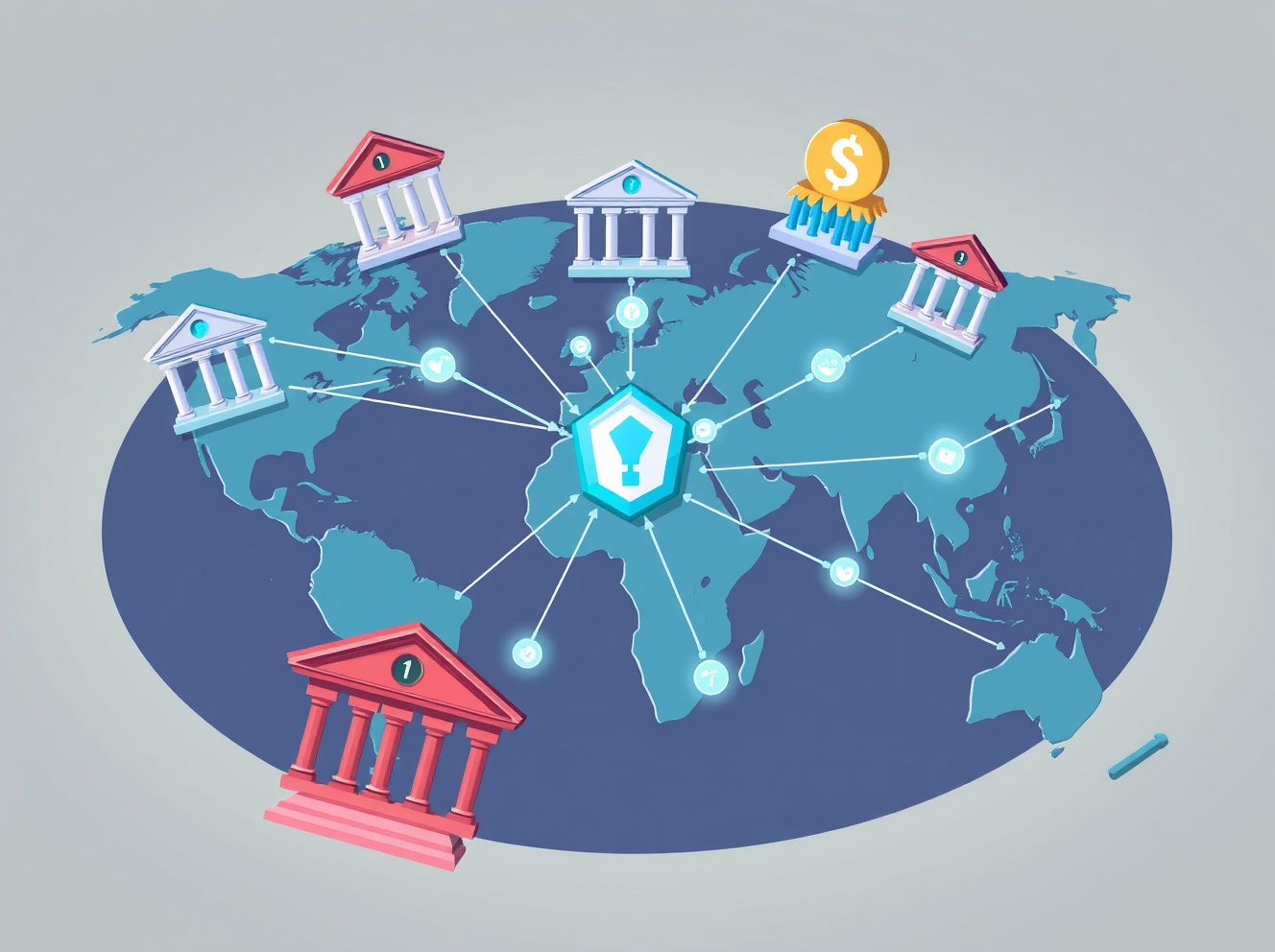
Transformative Shift: SWIFT Blockchain System Unites Over 30 Global Banks for Payment Revolution
Imagine a world where international money transfers are as fast and seamless as sending a text message. That future is now taking shape, as the Society for Worldwide Interbank Financial Telecommunication (SWIFT) embarks on a groundbreaking collaboration with more than 30 global banks to build a revolutionary SWIFT blockchain system. This move signals a pivotal moment for traditional finance embracing distributed ledger technology.
What Is the SWIFT Blockchain System Project?
Thierry Chilosi, SWIFT’s Chief Business Officer, recently revealed the organization’s ambitious plan. The core initiative involves integrating a blockchain-based ledger into SWIFT’s existing, vast financial messaging network. This isn’t a standalone experiment; it’s a strategic upgrade designed in partnership with a consortium of major banking institutions. The goal is to enhance the speed, transparency, and security of the trillion-dollar cross-border payment ecosystem.
This development follows SWIFT’s earlier work with blockchain firm ConsenSys, indicating a committed, phased approach to modernizing its infrastructure. The current phase focuses on finalizing the technical design of the ledger alongside its banking partners, ensuring the solution meets real-world operational needs.
Why Is Collaboration the Key to Success?
Chilosi emphasized a crucial point to Standard Chartered’s Michael Spiegel: collaboration is non-negotiable for achieving scale. The SWIFT blockchain system’s value depends on widespread adoption. By involving over 30 banks from the outset, SWIFT is tackling the classic network effect challenge head-on.
- Shared Expertise: Banks provide practical insights into compliance, risk, and customer needs.
- Standardization: Joint development helps create universal protocols, preventing fragmentation.
- Trust and Governance: A consortium model builds collective trust in the new system’s rules and operations.
This collaborative model starkly contrasts with closed, proprietary systems and may well be the formula that finally brings blockchain’s promise to mainstream global finance.
What Are the Potential Benefits of This New System?
The potential impact of a successful SWIFT blockchain system is monumental. For decades, cross-border payments have been plagued by high costs, slow settlement times (often days), and opaque tracking. A blockchain ledger could directly address these pain points.
Key benefits include:
- Near-Instant Settlement: Transactions could settle in minutes or seconds, not days.
- Enhanced Transparency: All parties could track a payment’s status in real-time, similar to a package delivery.
- Reduced Costs: Automating reconciliation and reducing intermediary steps could lower fees significantly.
- Improved Security: The immutable nature of blockchain ledgers can reduce fraud and errors.
What Challenges Lie Ahead?
Despite the excitement, the path forward isn’t without hurdles. Integrating a novel blockchain system with legacy banking infrastructure is a complex technical endeavor. Regulatory compliance across different jurisdictions remains a formidable task. Moreover, achieving consensus among dozens of large, independent banks on every operational detail requires sustained diplomacy and shared vision.
However, SWIFT’s unique position as a neutral, global cooperative gives it a significant advantage in navigating these challenges compared to any single corporate entity.
A Transformative Step for Global Finance
The announcement is more than a pilot project; it’s a powerful signal of institutional conviction. When over 30 of the world’s leading banks and the backbone of global financial messaging unite to build a SWIFT blockchain system, it validates the technology’s potential for core financial infrastructure. This move could accelerate the entire industry’s adoption of distributed ledger technology, paving the way for a more efficient and inclusive global financial network.
Frequently Asked Questions (FAQs)
What is SWIFT’s role in this new blockchain system?
SWIFT is not replacing its network but enhancing it. It acts as the orchestrator and platform provider, integrating a new blockchain-based ledger into its existing infrastructure to facilitate faster, more transparent transactions between member banks.
Which banks are involved in the collaboration?
While a full public list isn’t provided, Thierry Chilosi confirmed the group includes over 30 global banks. Standard Chartered, whose Global Head was part of the discussion, is a known participant. The consortium likely features other major international banks that are key SWIFT users.
How will this blockchain system benefit ordinary people?
End-users could experience faster international money transfers, whether for business, remittances, or personal use. Lower transaction costs and real-time tracking would make cross-border payments more reliable and affordable.
Is this related to cryptocurrencies like Bitcoin?
Not directly. This project uses blockchain as a shared ledger technology for recording transactions between trusted, permissioned institutions (banks). It does not involve creating a new public cryptocurrency or using existing ones like Bitcoin for settlement.
When will this new system go live?
The project is currently in the design finalization phase. A specific public launch date has not been announced. Given the scale and complexity, industry observers expect a phased rollout over the coming years.
Will this make traditional banking obsolete?
No, it aims to make traditional banking more efficient. The SWIFT blockchain system is designed to upgrade the plumbing between banks, not replace the banks themselves. It strengthens the existing system by addressing its inefficiencies.
Join the Conversation on the Future of Finance
The move towards a SWIFT blockchain system is one of the most significant stories in modern finance. It represents the tangible convergence of traditional banking and cutting-edge technology. What are your thoughts on this development? Do you believe it will successfully transform cross-border payments? Share this article on social media to discuss with peers and followers how blockchain is reshaping the global financial landscape before our eyes.
To learn more about the latest trends in blockchain adoption by financial institutions, explore our article on key developments shaping the future of institutional finance and digital assets.
This post Transformative Shift: SWIFT Blockchain System Unites Over 30 Global Banks for Payment Revolution first appeared on BitcoinWorld.
You May Also Like

Whales keep selling XRP despite ETF success — Data signals deeper weakness

Foreigner’s Lou Gramm Revisits The Band’s Classic ‘4’ Album, Now Reissued