

Revealed: How the RWA Project Plume Won Over the Trump Administration
BitcoinWorld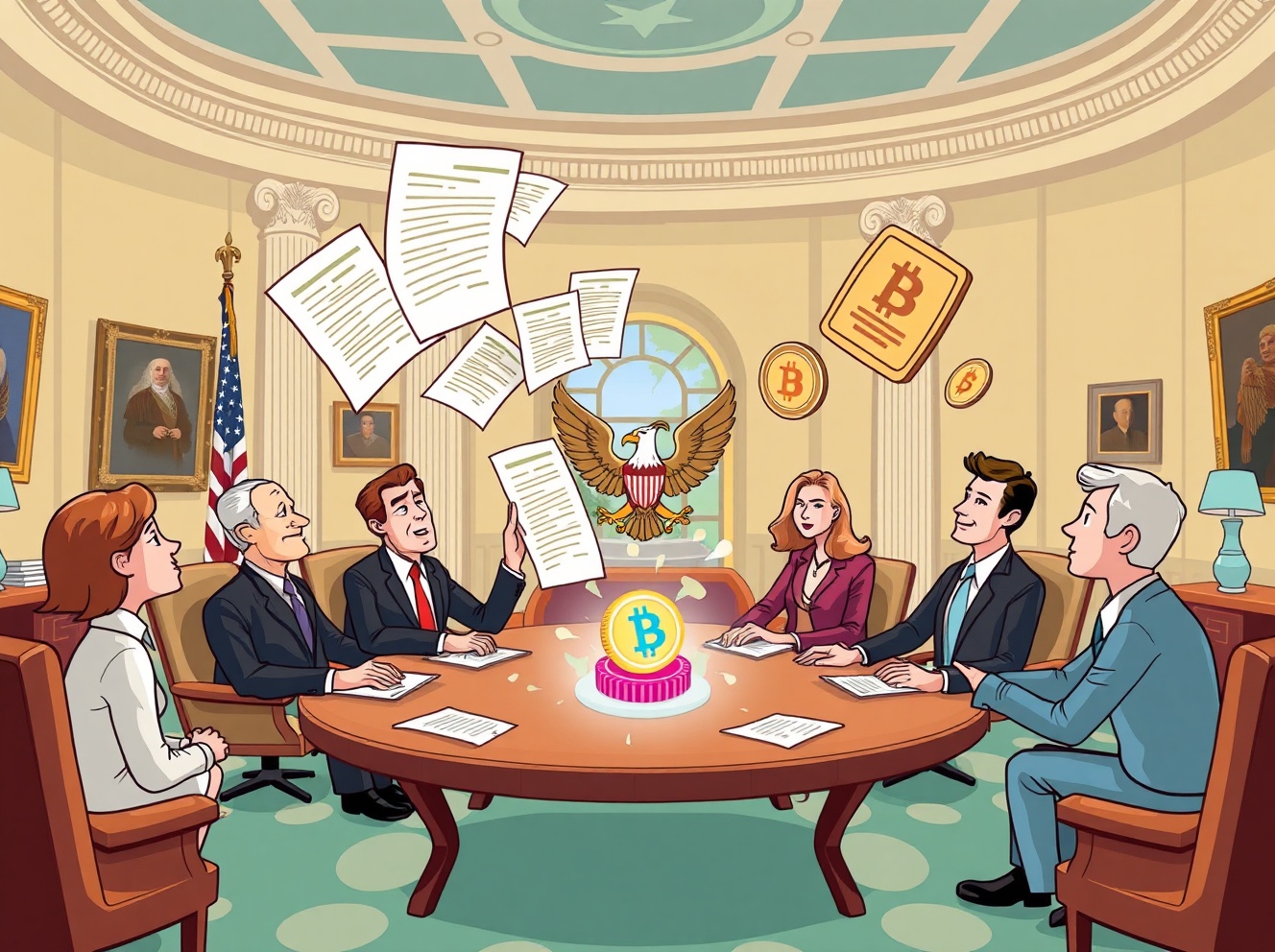
Revealed: How the RWA Project Plume Won Over the Trump Administration
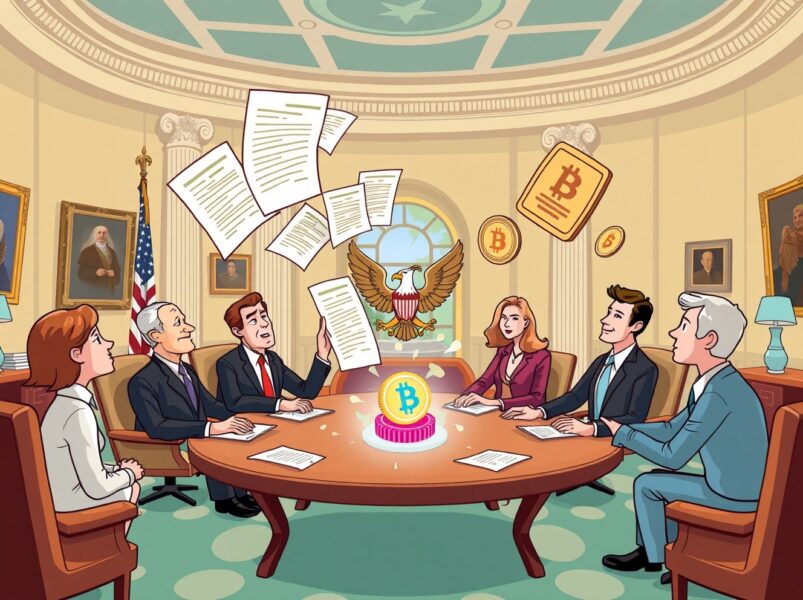
A recent meeting in Washington D.C. could signal a pivotal moment for blockchain’s integration into the mainstream economy. According to a New York Times report, the co-founders of the RWA project Plume secured a high-level audience that resulted in a surprisingly positive reaction from senior Trump administration officials. This encounter highlights the growing political recognition of real-world asset tokenization’s potential.
What Exactly Happened with the RWA Project Plume in Washington?
Last summer, Plume co-founders Chris Yin and Teddy Pornprinya traveled to the nation’s capital for a significant meeting. Their discussions were not with mid-level staffers but with key figures: U.S. Vice President JD Vance and Treasury Secretary Scott Bessent. The founders were even photographed with President Donald Trump himself. This access underscores the project’s rising profile.
Critically, The New York Times noted that officials were already aware of Plume before the meeting. Their reported “positive reaction” suggests the administration saw tangible value in the project’s mission to bridge physical assets and blockchain technology.
Why is This Political Endorsement a Game-Changer?
Political and regulatory clarity remains one of the biggest hurdles for cryptocurrency and blockchain adoption in the United States. A positive signal from a potential administration carries immense weight for the entire industry.
- Regulatory Pathway: The Times explicitly stated that the RWA project Plume could become a “key reference case” in future U.S. regulatory talks on tokenization. This sets a potential precedent.
- Legitimacy Boost: High-level political engagement grants institutional legitimacy, which is crucial for attracting traditional finance participants.
- Market Confidence: Such endorsements can reduce perceived regulatory risk, encouraging further investment and development in the RWA sector.
Understanding the RWA Project Plume’s Foundation
To grasp why this meeting mattered, we must understand what Plume does. The project focuses on real-world asset (RWA) tokenization. This process involves creating digital tokens on a blockchain that represent ownership of physical assets like real estate, commodities, or financial instruments.
Plume aims to make these assets more liquid, accessible, and efficient to trade. Their prior partnership with WorldLibertyFinancial (WLFI) indicates a focus on connecting blockchain solutions with established financial frameworks—a strategy that likely appealed to the officials they met.
What Are the Challenges and Opportunities Ahead?
While the political reception is promising, the path forward for the RWA project Plume and similar initiatives is not without obstacles. Regulatory frameworks are still evolving, and technical standards for interoperability need development. However, the opportunity is transformative.
Successful RWA tokenization can unlock trillions in currently illiquid assets, democratize investment, and create new financial products. The Washington meeting suggests that powerful stakeholders are beginning to recognize this potential not just as a technological novelty, but as a future pillar of the economy.
The Lasting Impact of a Washington Handshake
The encounter between Plume’s founders and Trump administration officials is more than a photo opportunity. It represents a critical inflection point where innovative blockchain projects are moving from the fringe to the center of policy discussions. The positive reaction reported by The New York Times provides a glimpse of a possible future where RWA tokenization is embraced within the U.S. financial and regulatory system.
This development should be watched closely by investors, developers, and policymakers alike, as it may well chart the course for how real-world assets are owned and traded in the digital age.
Frequently Asked Questions (FAQs)
Q1: What is the RWA project Plume?
A1: Plume is a blockchain project focused on real-world asset (RWA) tokenization. It creates digital tokens representing ownership of physical assets like real estate or commodities to improve their liquidity and accessibility.
Q2: Who did the Plume founders meet in Washington?
A2: According to The New York Times, co-founders Chris Yin and Teddy Pornprinya met with Vice President JD Vance and Treasury Secretary Scott Bessent. They were also photographed with President Donald Trump.
Q3: Why is this meeting significant for cryptocurrency?
A3: A positive reaction from senior political figures reduces regulatory uncertainty and grants legitimacy. It suggests that RWA tokenization is being taken seriously at the highest levels of U.S. government, which could influence future policy.
Q4: What does “key reference case” mean for Plume?
A4: It means Plume’s model and operations could be studied and used as an example by U.S. regulators when drafting future rules and frameworks for the tokenization of real-world assets.
Q5: Has Plume partnered with other companies?
A5: Yes, Plume has previously partnered with WorldLibertyFinancial (WLFI), indicating its strategy to integrate with traditional financial institutions.
Q6: What are the main benefits of RWA tokenization?
A6: Key benefits include increased liquidity for illiquid assets, fractional ownership (making investments more accessible), reduced transaction costs, faster settlement times, and enhanced transparency through blockchain records.
Found this insight into the political future of blockchain intriguing? The conversation around RWAs is just heating up. Help others stay informed by sharing this article on your social media channels. Let’s spread the word about this pivotal development at the intersection of finance and technology.
To learn more about the latest trends in real-world asset tokenization, explore our article on key developments shaping the future of institutional crypto adoption.
This post Revealed: How the RWA Project Plume Won Over the Trump Administration first appeared on BitcoinWorld.
You May Also Like

China Blocks Nvidia’s RTX Pro 6000D as Local Chips Rise

Samsung To Unveil New AI-Connected Living Lineup at CES 2026
