

Crypto Liquidations Unleash $213M Storm: ETH & BTC Longs Decimated in 24-Hour Carnage

BitcoinWorld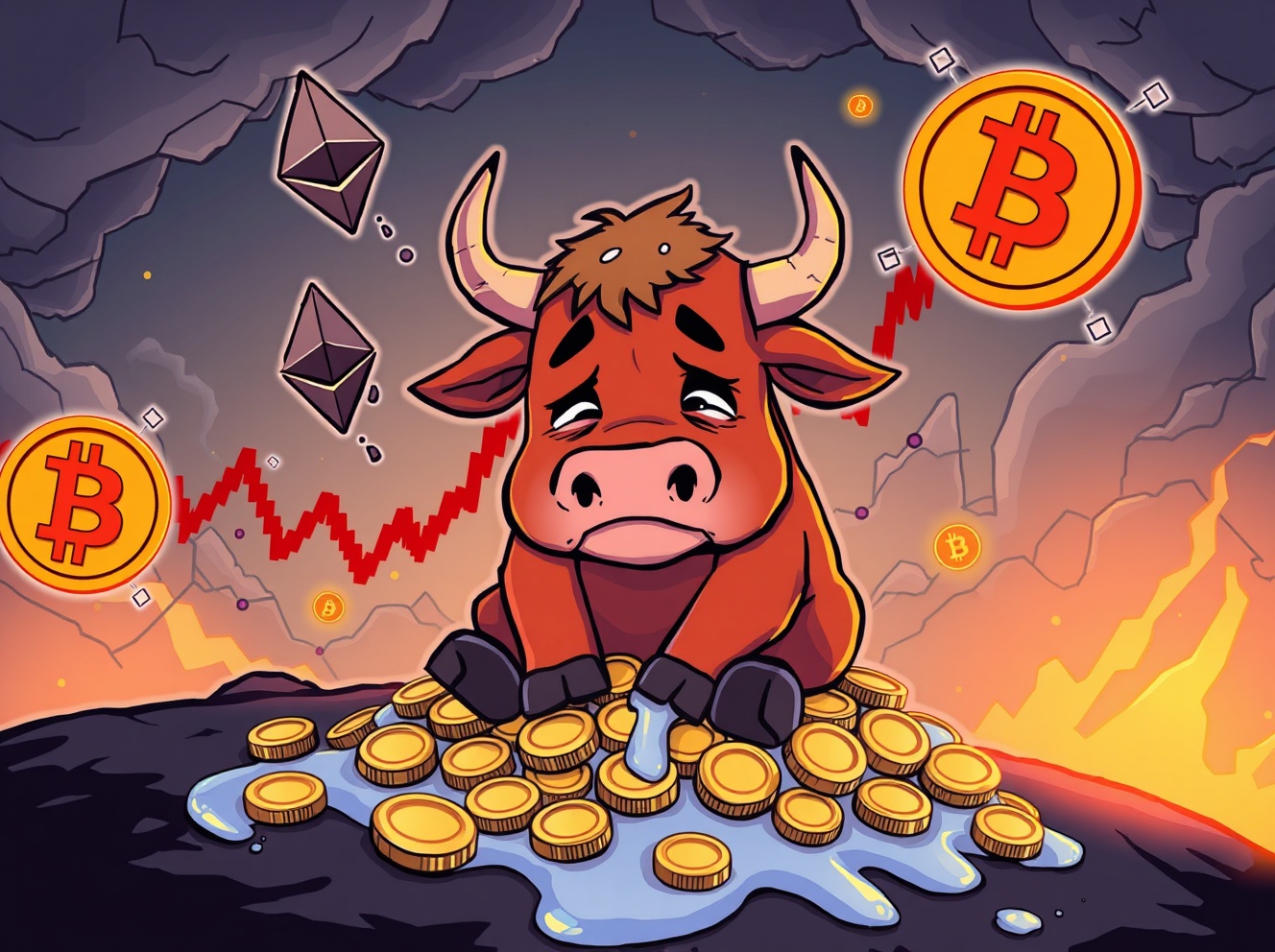
Crypto Liquidations Unleash $213M Storm: ETH & BTC Longs Decimated in 24-Hour Carnage
The cryptocurrency market just endured a brutal 24-hour shakeout, with over $213 million in positions forcibly closed. This wave of crypto liquidations wasn’t a balanced affair—it was a targeted assault on traders betting on higher prices. If you’re active in futures trading or simply watching market volatility, understanding this event is crucial for navigating the turbulent waters ahead.
What Sparked This Frenzy of Crypto Liquidations?
Perpetual futures markets allow traders to use high leverage, amplifying both gains and losses. When prices move sharply against these leveraged positions, exchanges automatically close them to prevent further loss—a process known as liquidation. The past day saw a perfect storm of selling pressure trigger a cascade of these forced closures. The data reveals a clear narrative: the overwhelming majority of traders caught in this squeeze were optimistic, holding long positions.
Let’s break down the staggering numbers from the last 24 hours:
- Ethereum (ETH): Led the carnage with $114 million liquidated. A shocking 92.93% of these were long positions.
- Bitcoin (BTC): Followed with $73.77 million wiped out. Here, 90.55% were traders betting on a price rise.
- Solana (SOL): Saw $25.24 million in liquidations, with longs making up 80.82% of the total.
Why Were Long Positions So Vulnerable?
This lopsided damage points to a sudden and significant price drop across major assets. When the market turns bearish swiftly, those using leverage to buy (go long) get hit first and hardest. Their positions fall in value faster than their collateral can cover, triggering automatic sell orders from the exchange. This selling can then fuel further price declines, potentially creating a negative feedback loop. Therefore, a high concentration of crypto liquidations in one direction is often a strong indicator of a sharp, sentiment-driven correction.
How Can Traders Navigate Future Liquidation Storms?
While market volatility is inevitable, there are actionable steps to manage risk. First, use leverage cautiously. Higher leverage means a smaller price move can wipe you out. Second, always employ stop-loss orders. These allow you to define your maximum loss in advance, rather than relying on an exchange’s liquidation engine. Third, monitor funding rates. Extremely high positive rates can signal overcrowded long trades, which often precede a flush-out. Understanding these mechanics is key to surviving periods of intense crypto liquidations.
The Bigger Picture: What Do Mass Liquidations Signal?
Events like this serve as a stark reminder of the market’s inherent risk. They can quickly wash out over-leveraged speculators and reset leverage levels across the board. Sometimes, this cleansing can even lay the foundation for a more stable price move afterward. However, for the traders involved, it’s a painful lesson in risk management. The scale of these crypto liquidations shows how quickly sentiment can shift and how important it is to trade with a plan, not just a prediction.
In summary, the $213 million liquidation event was a dramatic demonstration of market forces at work. It highlighted the dangers of excessive leverage during volatile swings and underscored the dominance of long positions in the recent market structure. For savvy participants, such events offer critical lessons on position sizing and the importance of defensive strategies to protect capital when the tide turns suddenly.
Frequently Asked Questions (FAQs)
What are crypto liquidations?
Crypto liquidations occur when an exchange automatically closes a trader’s leveraged position because it has lost too much value and can no longer cover the potential loss. This happens to protect the exchange from the trader going into debt.
Why were mostly long positions liquidated?
This indicates a sharp price drop. Long positions profit when prices rise. A sudden fall causes these leveraged buys to lose value rapidly, hitting their liquidation price faster than short positions (which profit from falls).
Do large liquidations mean the market will crash?
Not necessarily. While they signal high volatility and pain for leveraged traders, large-scale liquidations can sometimes reduce overall market leverage, potentially leading to a period of consolidation or even a rebound once the forced selling is over.
How can I avoid getting liquidated?
Use lower leverage, set prudent stop-loss orders manually, and ensure you have sufficient collateral (margin) in your account to withstand normal market fluctuations without hitting your liquidation price.
What is a long position?
A long position is a trade where you buy an asset expecting its price to increase. You profit if the market goes up. In futures trading, you can use leverage to amplify a long position’s potential gains and losses.
Where can I track liquidation data?
Several analytics websites like Coinglass provide real-time data on crypto liquidations across exchanges, broken down by cryptocurrency, long/short ratio, and time frames.
Found this breakdown of the recent crypto liquidations helpful? The market moves fast, and knowledge is your best defense. Share this article with fellow traders on X (Twitter) or Telegram to help them understand the risks and mechanics behind these dramatic market events.
To learn more about the latest cryptocurrency market trends, explore our article on key developments shaping Bitcoin and Ethereum price action.
This post Crypto Liquidations Unleash $213M Storm: ETH & BTC Longs Decimated in 24-Hour Carnage first appeared on BitcoinWorld.
You May Also Like

SEC urges caution on crypto wallets in latest investor guide

the first multi-crypto ETP debuts in the USA

