The post The Dangerous Contradiction Within Higher Federal Deposit Insurance appeared on BitcoinEthereumNews.com. WASHINGTON, DC – AUGUST 18: The entrance to the Federal Deposit Insurance Corporation (FDIC) is seen on August 18, 2024, in Washington, DC. (Photo by J. David Ake/Getty Images) Getty Images More federal deposit insurance will weaken banks, depositors at banks, and the U.S. economy more broadly. Say what’s true repeatedly. To see the obvious contradiction in legislation meant to increase deposit insurance from $250,000 per account to $10 million per, simply look a little bit deeper into the details. The insurance is for non-interest-bearing accounts. Bank accounts that don’t pay interest speak loudly to the desires of the owners of those accounts. These are generally checking accounts. Owners of checking accounts want little to no risk. Call non-interest-bearing accounts what they are: money storage for everyday spending needs, debit cards, or just paying bills. By extension, banks logically take the desires of non-interest-bearing account holders very seriously. The money isn’t to be put at major or even minor long or short-term risk precisely because it’s expected to be easily accessible in penalty-free fashion as a consequence of no interest being paid on the funds. It speaks to the near total mismatch of proposed federal legislation meant to increase federal deposit insurance. The legislation implies that money placed in a checking account for everyday transactions is money that banks are routinely putting at risk. No, not at all. Which once again explains the lack of interest paid. Please think about this with substantially expanded FDIC insurance top of mind. Suddenly funds stored at banks for daily use, and that aren’t being put at risk for precisely that reason, would be federally insured as though they were. There are costs associated with such insurance. And as has been reported already, banks would be saddled with those costs through the payment of… The post The Dangerous Contradiction Within Higher Federal Deposit Insurance appeared on BitcoinEthereumNews.com. WASHINGTON, DC – AUGUST 18: The entrance to the Federal Deposit Insurance Corporation (FDIC) is seen on August 18, 2024, in Washington, DC. (Photo by J. David Ake/Getty Images) Getty Images More federal deposit insurance will weaken banks, depositors at banks, and the U.S. economy more broadly. Say what’s true repeatedly. To see the obvious contradiction in legislation meant to increase deposit insurance from $250,000 per account to $10 million per, simply look a little bit deeper into the details. The insurance is for non-interest-bearing accounts. Bank accounts that don’t pay interest speak loudly to the desires of the owners of those accounts. These are generally checking accounts. Owners of checking accounts want little to no risk. Call non-interest-bearing accounts what they are: money storage for everyday spending needs, debit cards, or just paying bills. By extension, banks logically take the desires of non-interest-bearing account holders very seriously. The money isn’t to be put at major or even minor long or short-term risk precisely because it’s expected to be easily accessible in penalty-free fashion as a consequence of no interest being paid on the funds. It speaks to the near total mismatch of proposed federal legislation meant to increase federal deposit insurance. The legislation implies that money placed in a checking account for everyday transactions is money that banks are routinely putting at risk. No, not at all. Which once again explains the lack of interest paid. Please think about this with substantially expanded FDIC insurance top of mind. Suddenly funds stored at banks for daily use, and that aren’t being put at risk for precisely that reason, would be federally insured as though they were. There are costs associated with such insurance. And as has been reported already, banks would be saddled with those costs through the payment of…

The Dangerous Contradiction Within Higher Federal Deposit Insurance

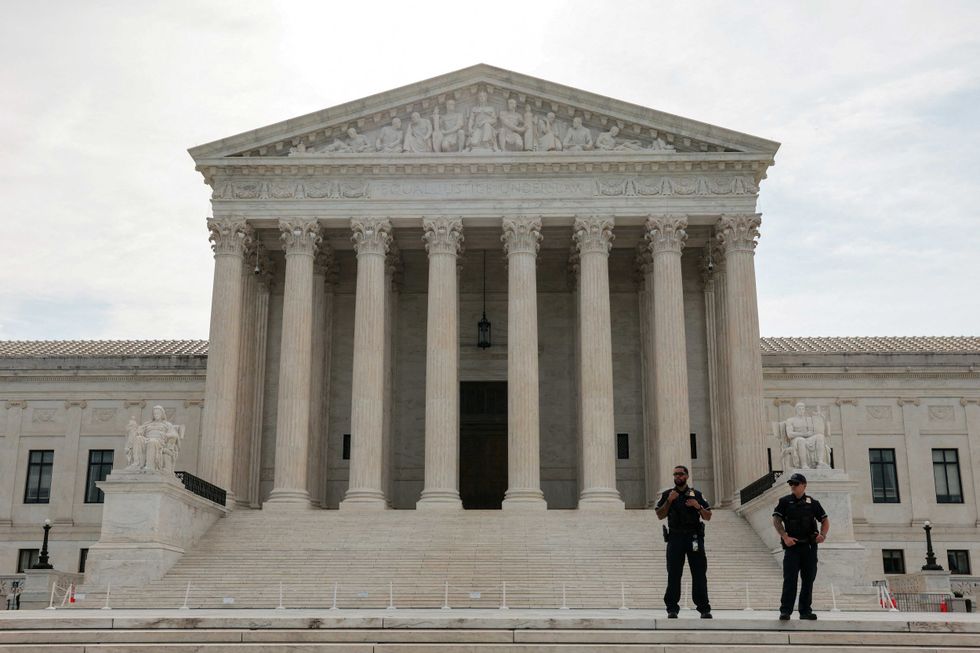
WASHINGTON, DC – AUGUST 18: The entrance to the Federal Deposit Insurance Corporation (FDIC) is seen on August 18, 2024, in Washington, DC. (Photo by J. David Ake/Getty Images)

Getty Images

More federal deposit insurance will weaken banks, depositors at banks, and the U.S. economy more broadly. Say what’s true repeatedly.

To see the obvious contradiction in legislation meant to increase deposit insurance from $250,000 per account to $10 million per, simply look a little bit deeper into the details. The insurance is for non-interest-bearing accounts.

Bank accounts that don’t pay interest speak loudly to the desires of the owners of those accounts. These are generally checking accounts. Owners of checking accounts want little to no risk. Call non-interest-bearing accounts what they are: money storage for everyday spending needs, debit cards, or just paying bills.

By extension, banks logically take the desires of non-interest-bearing account holders very seriously. The money isn’t to be put at major or even minor long or short-term risk precisely because it’s expected to be easily accessible in penalty-free fashion as a consequence of no interest being paid on the funds.

It speaks to the near total mismatch of proposed federal legislation meant to increase federal deposit insurance. The legislation implies that money placed in a checking account for everyday transactions is money that banks are routinely putting at risk. No, not at all. Which once again explains the lack of interest paid. Please think about this with substantially expanded FDIC insurance top of mind.

Suddenly funds stored at banks for daily use, and that aren’t being put at risk for precisely that reason, would be federally insured as though they were. There are costs associated with such insurance. And as has been reported already, banks would be saddled with those costs through the payment of billions more into the FDIC’s insurance fund.

It means banks will suffer twice: first through higher insurance costs, and second through a reduction in profitable lending. From this, readers can hopefully deduce that a needless cost imposed on banks would be paid for via reduced economic activity thanks to lending shrunken by federally mandated increases in insurance costs.

Returning to bank depositors, to presume that they won’t pay for increased deposit insurance is truly naïve. That’s because increased FDIC insurance on non-interest-bearing accounts will logically raise the costs for banks to host those accounts in the first place. Translated, fees associated with non-interest-bearing accounts will almost certainly increase to reflect the cost of insurance for accounts that, by virtue of them not paying interest, don’t require much insurance to begin with. The average household checking balance is $5,300.

Which brings us back to the legislation itself. To say it’s a solution in search of a problem insults understatement. Only it’s much worse. Since increased deposit insurance will raise costs for banks and bank customers alike, it will bring harm to both while sapping economic vitality by reducing the availability of money for an economy reliant on it.

Source: https://www.forbes.com/sites/johntamny/2025/12/02/the-dangerous-contradiction-within-higher-federal-deposit-insurance/

Market Opportunity
Dogechain Logo
Dogechain Price(DC)
$0.000007341
$0.000007341$0.000007341
-5.36%
USD
Dogechain (DC) Live Price Chart
Disclaimer: The articles reposted on this site are sourced from public platforms and are provided for informational purposes only. They do not necessarily reflect the views of MEXC. All rights remain with the original authors. If you believe any content infringes on third-party rights, please contact service@support.mexc.com for removal. MEXC makes no guarantees regarding the accuracy, completeness, or timeliness of the content and is not responsible for any actions taken based on the information provided. The content does not constitute financial, legal, or other professional advice, nor should it be considered a recommendation or endorsement by MEXC.

You May Also Like

What We Know (and Don’t) About Modern Code Reviews

What We Know (and Don’t) About Modern Code Reviews

This article traces the evolution of modern code review from formal inspections to tool-driven workflows, maps key research themes, and highlights a critical gap
Share
Hackernoon2025/12/17 17:00
X claims the right to share your private AI chats with everyone under new rules – no opt out

X claims the right to share your private AI chats with everyone under new rules – no opt out

X says its Terms of Service will change Jan. 15, 2026, expanding how the platform defines user “Content” and adding contract language tied to the operation and
Share
CryptoSlate2025/12/17 19:24
Michael Saylor Pushes Digital Capital Narrative At Bitcoin Treasuries Unconference

Michael Saylor Pushes Digital Capital Narrative At Bitcoin Treasuries Unconference

The post Michael Saylor Pushes Digital Capital Narrative At Bitcoin Treasuries Unconference appeared on BitcoinEthereumNews.com. The suitcoiners are in town.  From a low-key, circular podium in the middle of a lavish New York City event hall, Strategy executive chairman Michael Saylor took the mic and opened the Bitcoin Treasuries Unconference event. He joked awkwardly about the orange ties, dresses, caps and other merch to the (mostly male) audience of who’s-who in the bitcoin treasury company world.  Once he got onto the regular beat, it was much of the same: calm and relaxed, speaking freely and with confidence, his keynote was heavy on the metaphors and larger historical stories. Treasury companies are like Rockefeller’s Standard Oil in its early years, Michael Saylor said: We’ve just discovered crude oil and now we’re making sense of the myriad ways in which we can use it — the automobile revolution and jet fuel is still well ahead of us.  Established, trillion-dollar companies not using AI because of “security concerns” make them slow and stupid — just like companies and individuals rejecting digital assets now make them poor and weak.  “I’d like to think that we understood our business five years ago; we didn’t.”  We went from a defensive investment into bitcoin, Saylor said, to opportunistic, to strategic, and finally transformational; “only then did we realize that we were different.” Michael Saylor: You Come Into My Financial History House?! Jokes aside, Michael Saylor is very welcome to the warm waters of our financial past. He acquitted himself honorably by invoking the British Consol — though mispronouncing it, and misdating it to the 1780s; Pelham’s consolidation of debts happened in the 1750s and perpetual government debt existed well before then — and comparing it to the gold standard and the future of bitcoin. He’s right that Strategy’s STRC product in many ways imitates the consols; irredeemable, perpetual debt, issued at par, with…
Share
BitcoinEthereumNews2025/09/18 02:12