

Euro Slips to One-Year Low Against Sterling as Eurozone Inflation Misses Forecasts
BitcoinWorld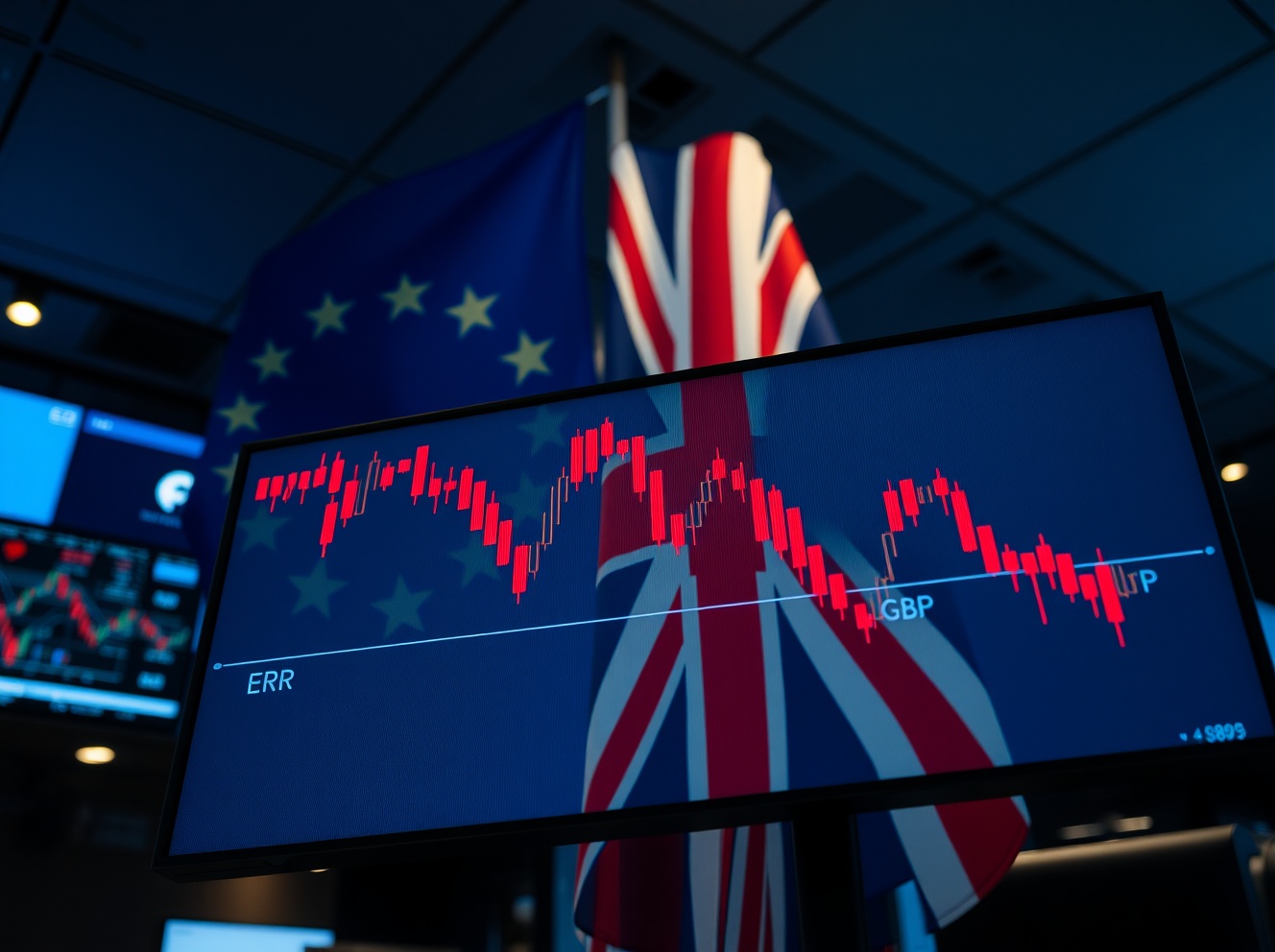
Euro Slips to One-Year Low Against Sterling as Eurozone Inflation Misses Forecasts
The euro fell to its weakest level against the British pound in over a year on Tuesday, after the latest Eurozone inflation data came in below market expectations. The single currency dropped below the key 0.84 GBP threshold, a level not seen since late 2023, as traders recalibrated their expectations for European Central Bank (ECB) policy.
Inflation Miss Fuels Rate Cut Bets
Eurostat reported that the Eurozone’s annual inflation rate for January came in at 2.3%, down from 2.4% in December and below the consensus forecast of 2.5%. Core inflation, which excludes volatile energy and food prices, also softened to 2.6% from 2.7%, missing estimates. The data suggests that inflationary pressures in the bloc are cooling faster than anticipated, giving the ECB more room to consider further interest rate cuts.
Market-implied probabilities for a 25-basis-point rate cut at the ECB’s March meeting jumped to 85% following the release, up from 60% a week earlier. Lower interest rates typically weaken a currency by reducing its yield appeal, and the euro bore the brunt of this repricing.
Sterling Strength Adds Pressure
The pound’s resilience also contributed to the euro’s decline. The UK economy has shown surprising resilience, with recent services PMI data coming in stronger than expected. The Bank of England has maintained a more cautious stance on rate cuts compared to the ECB, which has supported sterling demand. The divergence in monetary policy outlook between the two central banks has been a key driver of the EUR/GBP pair in recent months.
What This Means for Businesses and Travelers
A weaker euro against the pound has direct implications for British importers and travelers. Goods priced in euros become cheaper for UK buyers, potentially easing input costs for businesses. Conversely, European exporters to the UK may see their margins squeezed. For travelers, a stronger pound means more purchasing power in Eurozone destinations, making holidays and business trips more affordable.
Technical Outlook
From a technical perspective, the break below 0.84 GBP is significant. Analysts at several major banks have noted that the next support level lies around 0.8350 GBP, a level last seen in August 2023. If the euro continues to weaken, a move toward parity with the pound—a level not seen since 2022—cannot be ruled out, though most economists view that as an extreme scenario requiring a major negative shock to the Eurozone economy.
Conclusion
The euro’s slide to a one-year low against the pound underscores the growing divergence between the Eurozone and UK economic narratives. With inflation cooling faster in the bloc and the ECB likely to ease policy further, the near-term outlook for the single currency remains challenged. Traders will now focus on upcoming ECB speeches and the next batch of Eurozone economic data for further direction.
FAQs
Q1: Why did the euro fall against the pound?
The euro fell after Eurozone inflation data came in below expectations, increasing the likelihood that the European Central Bank will cut interest rates. Lower rates make the euro less attractive to investors, weakening its value.
Q2: How low has the EUR/GBP exchange rate gone?
The euro dropped below 0.84 British pounds, its lowest level in over a year. This means one euro now buys fewer pounds than it did in recent months.
Q3: What does this mean for UK travelers to Europe?
A stronger pound means UK travelers get more euros for their money, making holidays, dining, and shopping in Eurozone countries cheaper than they were previously.
This post Euro Slips to One-Year Low Against Sterling as Eurozone Inflation Misses Forecasts first appeared on BitcoinWorld.


You May Also Like

Bitcoin Exchange Binance Announces New Listings on its Futures Platform! Here Are the Details

BetOnline Take The Prize Easter Promotion Offers $30k in Cash Prizes!


