From Hype to Trust: The Evolution of Crypto Marketing If you’ve been around crypto long enough, you know the marketing game has changed massively. What used to be wild, quick hype filled now feels more like real brand building. In just a few years, the way projects “sell” themselves has gone from rocket emojis and airdrops to trust, community, and smarter strategies. Let’s take a little tour of how we got here. The Early Days (2017–2018) Back in the ICO boom, the steps for “success” was ridiculously simple: And just like that with a little help of FOMO, millions of dollars rolled in. It was exciting, sure. Every week felt like a new moonshot. But it was also messy. Scams popped up left and right, and projects cared more about buzz than actual trust. If you remember, Reddit threads were basically digital gold rush towns -lots of shouting, lots of hype, but not a lot of substance. The Wake-Up Call (2019–2021) Then reality hit. Regulators stepped in as scams looted investors, and people stopped buying into empty promises like a relationship that looked it will land but never landed and investors were tired they wanted commitment and loyalty. Projects realized: if we don’t build trust, we don’t survive. So, marketing started to evolve. Instead of quick speculative hype and quick gains, the focus shifted to long-term community building. Discord and Telegram stopped being spammy hype channels and turned into homes for real discussions. On top of that, projects started putting in real effort with: By this time, the goal changed from attracting short-term speculators to building an engaging community of crypto enthusiasts. Things got serious Era (2022–2024) This is where things got serious. Projects began thinking long-term. Suddenly: Crypto marketing started looking polished. Websites started to look corporate, messaging became clearer, and trust was the key. It wasn’t perfect, but compared to 2017, it was a glow-up. Cryptomarketing Today (2025) Now? Marketing in crypto is unrecognizable compared to those early days. The playbook today looks like this:Simple tabular representation of Crypto Tactics: Then vs. Now So Where Are We Headed? Crypto marketing has grown up from hype to trust, from quick hype chaos to strategy. The winners now are those who play the long game: build real communities, stay transparent, and make people feel part of something bigger than just a token. But here’s the million-dollar question: 👉 If crypto marketing today is all about trust and data driven strategies then what about user privacy? Evolution Of Crypto Marketing was originally published in Coinmonks on Medium, where people are continuing the conversation by highlighting and responding to this storyFrom Hype to Trust: The Evolution of Crypto Marketing If you’ve been around crypto long enough, you know the marketing game has changed massively. What used to be wild, quick hype filled now feels more like real brand building. In just a few years, the way projects “sell” themselves has gone from rocket emojis and airdrops to trust, community, and smarter strategies. Let’s take a little tour of how we got here. The Early Days (2017–2018) Back in the ICO boom, the steps for “success” was ridiculously simple: And just like that with a little help of FOMO, millions of dollars rolled in. It was exciting, sure. Every week felt like a new moonshot. But it was also messy. Scams popped up left and right, and projects cared more about buzz than actual trust. If you remember, Reddit threads were basically digital gold rush towns -lots of shouting, lots of hype, but not a lot of substance. The Wake-Up Call (2019–2021) Then reality hit. Regulators stepped in as scams looted investors, and people stopped buying into empty promises like a relationship that looked it will land but never landed and investors were tired they wanted commitment and loyalty. Projects realized: if we don’t build trust, we don’t survive. So, marketing started to evolve. Instead of quick speculative hype and quick gains, the focus shifted to long-term community building. Discord and Telegram stopped being spammy hype channels and turned into homes for real discussions. On top of that, projects started putting in real effort with: By this time, the goal changed from attracting short-term speculators to building an engaging community of crypto enthusiasts. Things got serious Era (2022–2024) This is where things got serious. Projects began thinking long-term. Suddenly: Crypto marketing started looking polished. Websites started to look corporate, messaging became clearer, and trust was the key. It wasn’t perfect, but compared to 2017, it was a glow-up. Cryptomarketing Today (2025) Now? Marketing in crypto is unrecognizable compared to those early days. The playbook today looks like this:Simple tabular representation of Crypto Tactics: Then vs. Now So Where Are We Headed? Crypto marketing has grown up from hype to trust, from quick hype chaos to strategy. The winners now are those who play the long game: build real communities, stay transparent, and make people feel part of something bigger than just a token. But here’s the million-dollar question: 👉 If crypto marketing today is all about trust and data driven strategies then what about user privacy? Evolution Of Crypto Marketing was originally published in Coinmonks on Medium, where people are continuing the conversation by highlighting and responding to this story

Evolution Of Crypto Marketing

2025/10/03 13:59
3 min read

From Hype to Trust: The Evolution of Crypto Marketing

If you’ve been around crypto long enough, you know the marketing game has changed massively. What used to be wild, quick hype filled now feels more like real brand building. In just a few years, the way projects “sell” themselves has gone from rocket emojis and airdrops to trust, community, and smarter strategies.

Let’s take a little tour of how we got here.

The Early Days (2017–2018)

Back in the ICO boom, the steps for “success” was ridiculously simple:

And just like that with a little help of FOMO, millions of dollars rolled in.

It was exciting, sure. Every week felt like a new moonshot. But it was also messy. Scams popped up left and right, and projects cared more about buzz than actual trust. If you remember, Reddit threads were basically digital gold rush towns -lots of shouting, lots of hype, but not a lot of substance.

The Wake-Up Call (2019–2021)

Then reality hit. Regulators stepped in as scams looted investors, and people stopped buying into empty promises like a relationship that looked it will land but never landed and investors were tired they wanted commitment and loyalty. Projects realized: if we don’t build trust, we don’t survive.

So, marketing started to evolve. Instead of quick speculative hype and quick gains, the focus shifted to long-term community building. Discord and Telegram stopped being spammy hype channels and turned into homes for real discussions.

On top of that, projects started putting in real effort with:

By this time, the goal changed from attracting short-term speculators to building an engaging community of crypto enthusiasts.

Things got serious Era (2022–2024)

This is where things got serious. Projects began thinking long-term. Suddenly:

Crypto marketing started looking polished. Websites started to look corporate, messaging became clearer, and trust was the key. It wasn’t perfect, but compared to 2017, it was a glow-up.

Cryptomarketing Today (2025)

Now? Marketing in crypto is unrecognizable compared to those early days.

The playbook today looks like this:

Simple tabular representation of Crypto Tactics: Then vs. Now

So Where Are We Headed?

Crypto marketing has grown up from hype to trust, from quick hype chaos to strategy. The winners now are those who play the long game: build real communities, stay transparent, and make people feel part of something bigger than just a token.

But here’s the million-dollar question:

👉 If crypto marketing today is all about trust and data driven strategies then what about user privacy?


Evolution Of Crypto Marketing was originally published in Coinmonks on Medium, where people are continuing the conversation by highlighting and responding to this story.

Disclaimer: The articles reposted on this site are sourced from public platforms and are provided for informational purposes only. They do not necessarily reflect the views of MEXC. All rights remain with the original authors. If you believe any content infringes on third-party rights, please contact service@support.mexc.com for removal. MEXC makes no guarantees regarding the accuracy, completeness, or timeliness of the content and is not responsible for any actions taken based on the information provided. The content does not constitute financial, legal, or other professional advice, nor should it be considered a recommendation or endorsement by MEXC.

You May Also Like

Polygon Tops RWA Rankings With $1.1B in Tokenized Assets

Polygon Tops RWA Rankings With $1.1B in Tokenized Assets

The post Polygon Tops RWA Rankings With $1.1B in Tokenized Assets appeared on BitcoinEthereumNews.com. Key Notes A new report from Dune and RWA.xyz highlights Polygon’s role in the growing RWA sector. Polygon PoS currently holds $1.13 billion in RWA Total Value Locked (TVL) across 269 assets. The network holds a 62% market share of tokenized global bonds, driven by European money market funds. The Polygon POL $0.25 24h volatility: 1.4% Market cap: $2.64 B Vol. 24h: $106.17 M network is securing a significant position in the rapidly growing tokenization space, now holding over $1.13 billion in total value locked (TVL) from Real World Assets (RWAs). This development comes as the network continues to evolve, recently deploying its major “Rio” upgrade on the Amoy testnet to enhance future scaling capabilities. This information comes from a new joint report on the state of the RWA market published on Sept. 17 by blockchain analytics firm Dune and data platform RWA.xyz. The focus on RWAs is intensifying across the industry, coinciding with events like the ongoing Real-World Asset Summit in New York. Sandeep Nailwal, CEO of the Polygon Foundation, highlighted the findings via a post on X, noting that the TVL is spread across 269 assets and 2,900 holders on the Polygon PoS chain. The Dune and https://t.co/W6WSFlHoQF report on RWA is out and it shows that RWA is happening on Polygon. Here are a few highlights: – Leading in Global Bonds: Polygon holds 62% share of tokenized global bonds (driven by Spiko’s euro MMF and Cashlink euro issues) – Spiko U.S.… — Sandeep | CEO, Polygon Foundation (※,※) (@sandeepnailwal) September 17, 2025 Key Trends From the 2025 RWA Report The joint publication, titled “RWA REPORT 2025,” offers a comprehensive look into the tokenized asset landscape, which it states has grown 224% since the start of 2024. The report identifies several key trends driving this expansion. According to…
Share
BitcoinEthereumNews2025/09/18 00:40
Explosive 25% Penalty On Nations Trading With Tehran
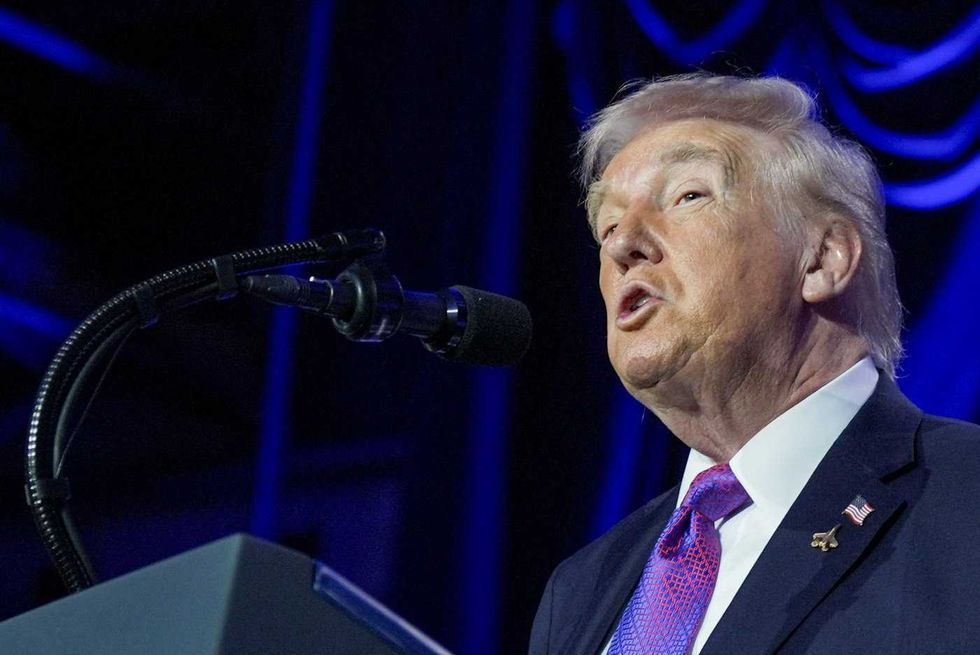
Explosive 25% Penalty On Nations Trading With Tehran

The post Explosive 25% Penalty On Nations Trading With Tehran appeared on BitcoinEthereumNews.com. Trump Iran Tariffs: Explosive 25% Penalty On Nations Trading
Share
BitcoinEthereumNews2026/02/07 08:10
Trump scolded after unusual change at annual governors meeting

Trump scolded after unusual change at annual governors meeting

President Donald Trump is taking a massive departure from tradition by only inviting Republicans to the annual National Governors Association meeting — an event
Share
Rawstory2026/02/07 08:16