

Fed’s Kashkari: Inflation Rise Not Solely Due to Oil and Middle East Factors
BitcoinWorld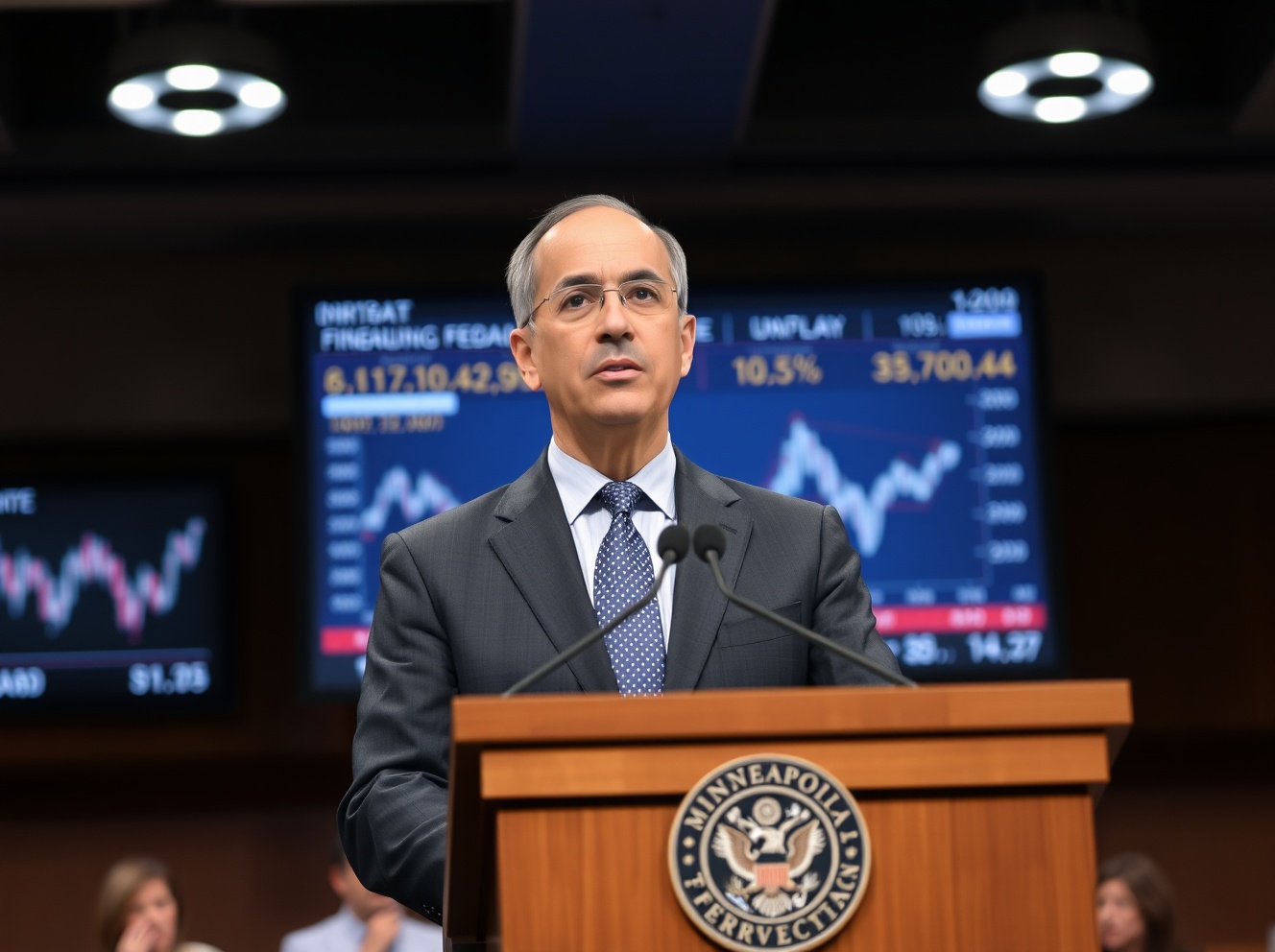
Fed’s Kashkari: Inflation Rise Not Solely Due to Oil and Middle East Factors
Minneapolis Federal Reserve Bank President Neel Kashkari stated on Tuesday that the recent uptick in inflation cannot be attributed exclusively to rising oil prices or geopolitical tensions in the Middle East. His remarks signal a broader concern within the central bank about persistent price pressures that may require further policy action.
Broader Inflation Drivers Under Scrutiny
Speaking at a conference in Minneapolis, Kashkari noted that while energy costs and Middle East instability have contributed to inflationary trends, other domestic factors—including tight labor markets and elevated consumer demand—are playing a significant role. “We cannot simply point to oil or events abroad and say that explains everything,” Kashkari said. “There are underlying dynamics in the U.S. economy that are keeping inflation elevated.”
His comments come as the Federal Reserve continues to navigate a complex economic landscape. The central bank has raised interest rates aggressively over the past year to combat inflation, which remains above the Fed’s 2% target. Kashkari’s assessment suggests that policymakers are looking beyond temporary supply-side shocks to assess more persistent inflationary pressures.
Implications for Monetary Policy
Kashkari’s remarks may influence market expectations for future rate decisions. If inflation is being driven by structural factors rather than transient events, the Fed may need to maintain higher interest rates for longer than previously anticipated. “The risk is that we declare victory too early,” Kashkari warned. “We need to see consistent evidence that inflation is sustainably moving down.”
Investors and economists will closely watch upcoming economic data, including consumer price index (CPI) reports and employment figures, for signs of whether inflation is cooling or remaining stubbornly high. Kashkari’s perspective adds weight to the view that the Fed’s battle against inflation is far from over.
What This Means for Consumers and Businesses
For everyday Americans, persistent inflation means continued pressure on household budgets, particularly for essentials like food, housing, and transportation. Businesses may face higher borrowing costs and input prices, potentially leading to slower hiring or reduced investment. Kashkari’s comments underscore that relief may not come quickly, and that the path to stable prices remains uncertain.
Conclusion
Neel Kashkari’s statement that rising inflation is not solely due to oil and Middle East factors highlights the complexity of the current economic environment. It reinforces the Federal Reserve’s cautious stance and suggests that policymakers are prepared to act further if necessary. For readers, this means staying informed about monetary policy developments and their potential impact on personal finances and the broader economy.
FAQs
Q1: What did Neel Kashkari say about inflation?
Kashkari said that rising inflation is not just caused by higher oil prices or Middle East factors, indicating broader domestic economic pressures are also at play.
Q2: Why is Kashkari’s statement important?
His comments signal that the Federal Reserve may need to keep interest rates higher for longer to address persistent inflation, affecting markets and consumer borrowing costs.
Q3: What factors are driving inflation besides oil and the Middle East?
Kashkari pointed to tight labor markets, strong consumer demand, and other domestic economic dynamics as contributing to sustained inflationary pressure.
This post Fed’s Kashkari: Inflation Rise Not Solely Due to Oil and Middle East Factors first appeared on BitcoinWorld.


You May Also Like
Republicans 'can’t escape' their 'abusive marriage' with Trump: DC insider

Malaysian Ringgit: Policy Support Tempers Downside but Caps Upside, Says MUFG

U.S. Regulation of ChatGPT Turns Washington Into AI Gatekeeper



