

15 Things to Do in Malacca (2026): 2-Day Singapore Guide
A weekend of nyonya food and old-town wandering, three hours up the road.
Malacca is the easy cross-border getaway most Singaporeans drive past on the way to KL. It’s an old UNESCO town you can cover on foot, with some of the best Peranakan food in the region. Here’s how to do it in two days, what to eat, and how to get there from Singapore.
| Quick answer | Detail |
|---|---|
| Best for | A 2-day food and heritage weekend, walkable, no car needed in town |
| Getting there | ~3.5hr drive or direct coach from Singapore. No train; only a few Scoot flights a week |
| Don’t miss | Jonker Street, the river cruise, nyonya laksa, chicken rice balls, putu piring |
| Beach? | Pantai Klebang for sunset and coconut shakes, not really for swimming |
| Pay with | YouTrip card (0% FX on ringgit), plus a little cash for hawker stalls |
Table of Contents
- How to Get to Malacca from Singapore
- Is Malacca Worth Visiting, and Is It Cheap?
- Best Things to Do in Malacca
- What to Eat in Malacca
- Does Malacca Have a Beach?
- Family-Friendly and Day-Trip Add-Ons
- Where to Stay in Malacca
- What to Buy in Malacca
- Your 2-Day Malacca Itinerary
- Paying in Malacca
- FAQ
How to Get to Malacca from Singapore
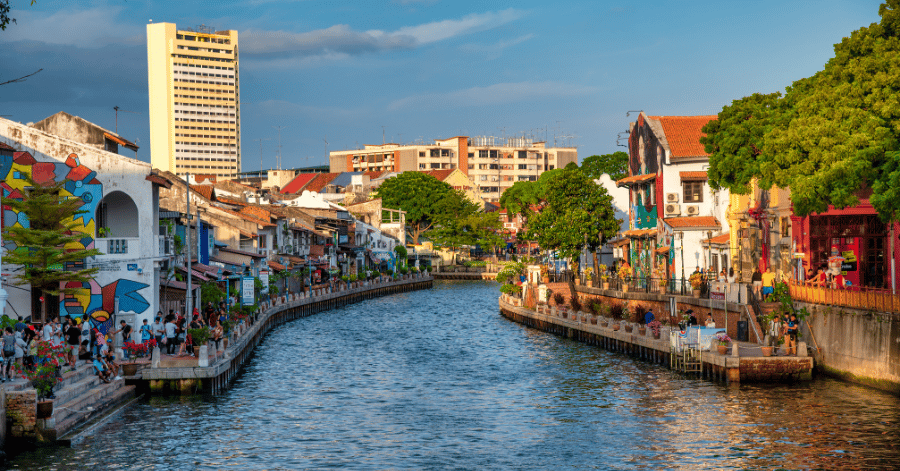
You’ve got two realistic options: a direct coach (around S$20 to S$42 one-way, dropping you near the old town) or a roughly three-and-a-half-hour drive up the North-South Highway. There’s no passenger train, and flights are limited to a few Scoot services a week, so most people coach or drive.
If you’re driving, you’ll want a Touch ‘n Go card for the tolls and the now-enforced VEP tag for Singapore-registered cars.
Once you’re there, the historic core is walkable, and Grab covers anything further out, like the beach or the zoo. The colourful tourist trishaws are a fun one-off too (more on those below).
 Related Guide: Want the full breakdown of every route, fare and travel time? Our Singapore to Malacca transport guide compares bus, car and the train-plus-transfer option in detail.
Is Malacca Worth Visiting, and Is It Cheap?
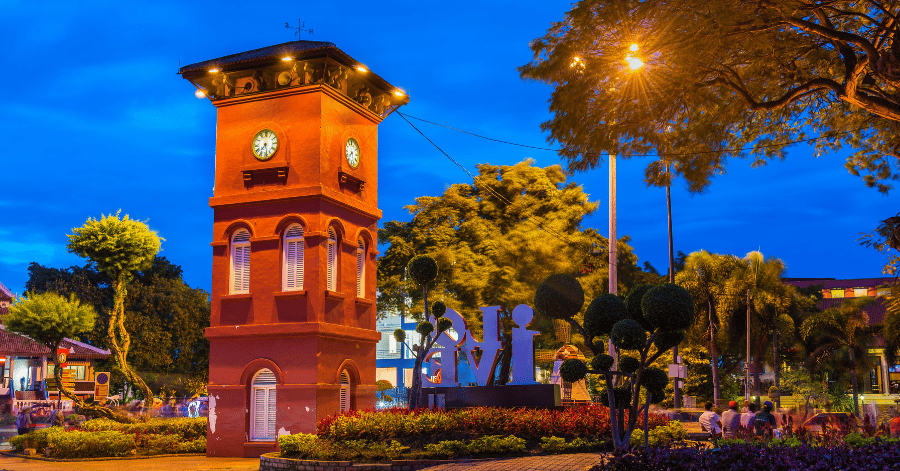
Yes, and yes, especially if you treat it as a food-and-heritage weekend rather than a packed sightseeing trip. Malacca is generally cheaper than a Johor Bahru weekend once you’re out of the most touristy Jonker stalls, and noticeably cheaper than Kuala Lumpur for food and hotels.
The draw isn’t a single blockbuster attraction. It’s the mix: a walkable UNESCO old town, Peranakan food you can’t get the same way at home, a pretty river lit up at night, and a pace that suits a slow weekend.
Two days is the sweet spot. One night works if you’re tight, three if you want to eat your way through it properly.
Related Guide: Weighing it against your usual cross-border run? Our JB weekend getaway guide lays out what a Johor Bahru trip actually costs and covers.
Best Things to Do in Malacca
Most of the headline sights sit within a short walk of the Malacca River, so you can string them together in an afternoon. Here are the ones worth your time.
Jonker Street
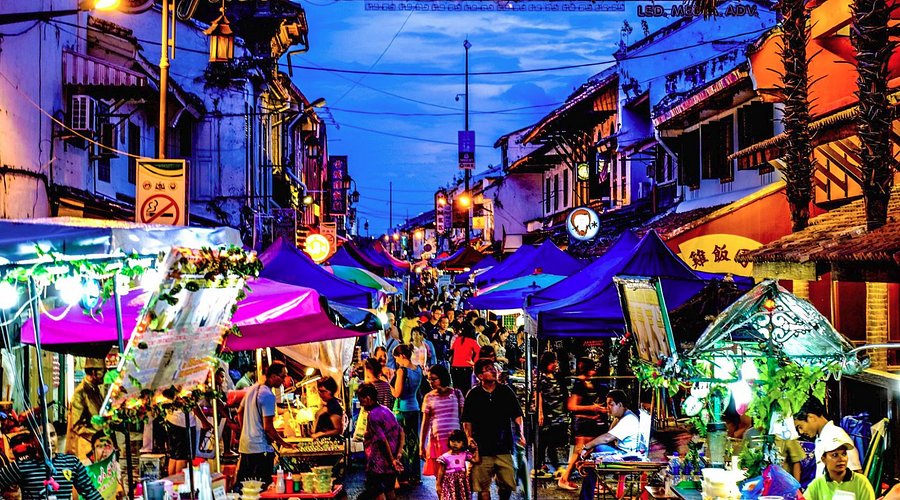
Image Credits: Tripadvisor
Jonker Street is the heart of the old town, antique shops and cafes by day, a buzzing night market on weekend evenings. The market runs Friday to Sunday from about 6 PM, when the road closes to traffic and fills with street food, handicrafts and live performances.
Come hungry: this is where you’ll find satay, chicken rice balls, fresh fruit juices, and gula melaka everything.
Dutch Square (Red Square)
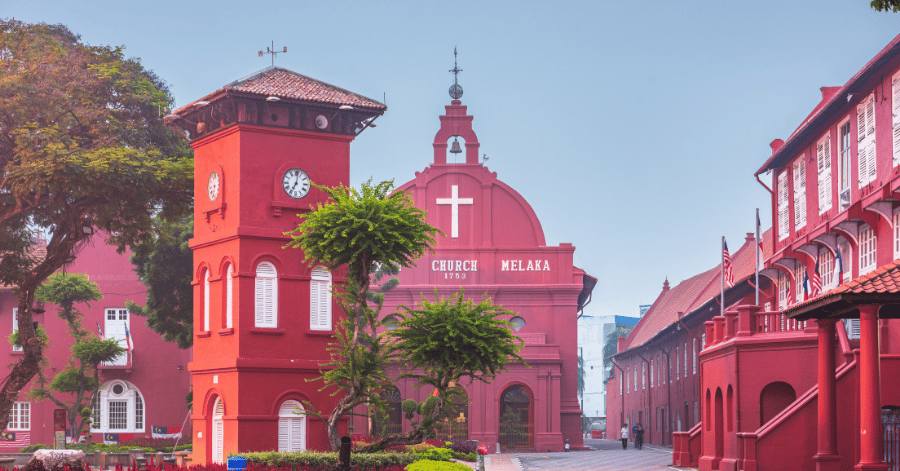
Dutch Square is the postcard shot of Malacca, the terracotta-red Stadthuys, Christ Church and the clock tower clustered around a fountain. The Stadthuys is one of the oldest Dutch colonial buildings in the East and the obvious starting point for a heritage walk.
Christ Church Malacca, the red church completed in 1753, is the standout, and it’s still an active church today.
St Paul’s Hill and Church
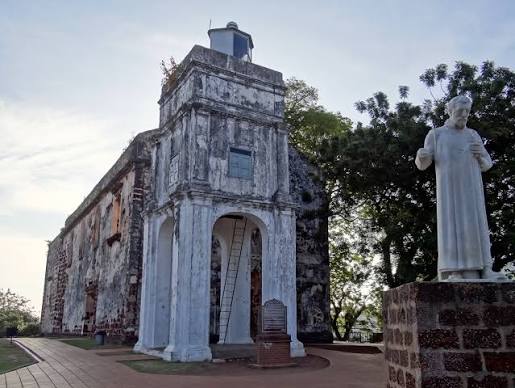
Image Credits: Wikipedia
A short climb behind Dutch Square gets you to St Paul’s Church, a roofless ruin founded in 1521 and the oldest church building in Malaysia. The hill is the best free lookout in town, with views over the red rooftops out to the Strait of Malacca. Go early or near sunset to skip the midday heat.
A’Famosa Fort Gate
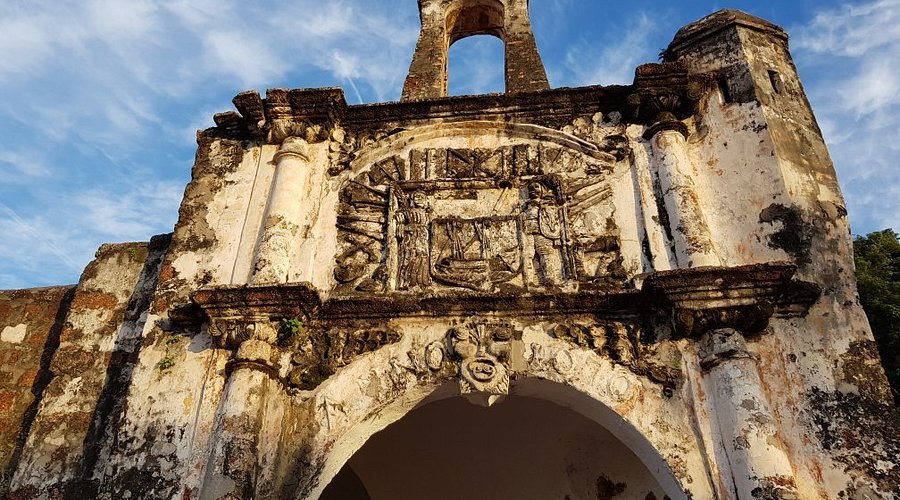
Image Credits: Tripadvisor
The A’Famosa gate, properly called Porta de Santiago, is the surviving fragment of a Portuguese fortress from the early 1510s, after the Portuguese captured Malacca in 1511. It’s a quick stop, the walk-through takes about a minute, but it’s the most iconic colonial relic in Malaysia, and it sits right at the foot of St Paul’s Hill, so you’ll pass it anyway.
Free to visit, open all hours.
Malacca Sultanate Palace
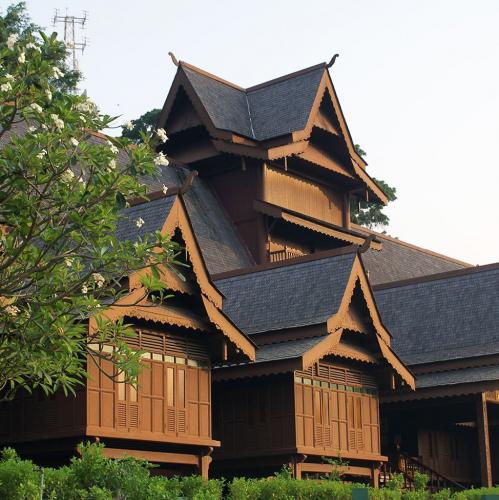
Image Credits: Melaka Tourism
This wooden palace is a full-scale replica of Sultan Mansur Shah’s 15th-century residence, rebuilt without a single nail and now a cultural museum at the foot of St Paul’s Hill. Inside, dioramas and royal regalia walk you through Malacca’s pre-colonial Malay history, the bit the colonial-era sights skip.
Entry for foreign visitors is around 20 MYR (~S$6), and you’ll want half an hour.
Malacca River Cruise
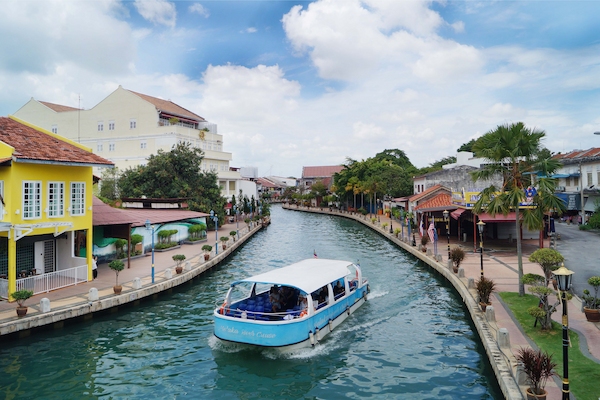
Image Credits: Melaka River Cruise
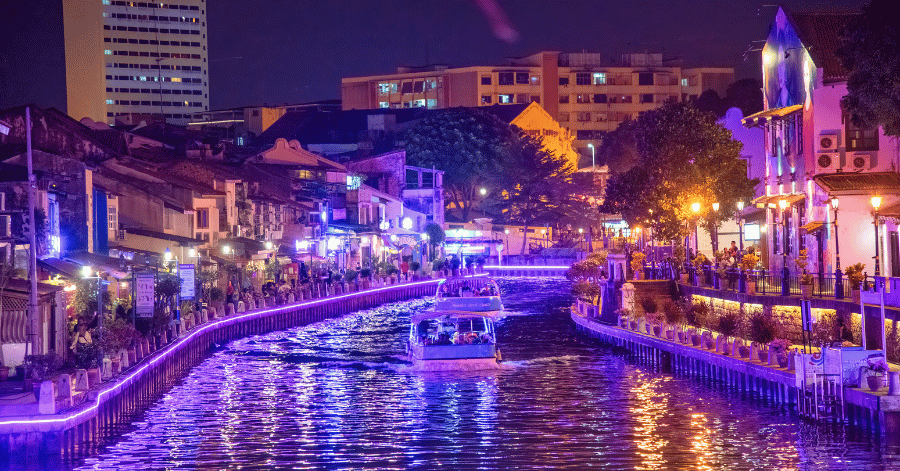
The 45-minute river cruise is the most relaxing way to see the city, gliding past murals, shophouses and riverside cafes. It’s prettiest after dark when the banks light up.
Boats run through the day into the night, tickets are around 30 MYR (~S$9) for adults, and a window seat is worth angling for since the boat turns around so you get both sides of the river.
Taming Sari Tower
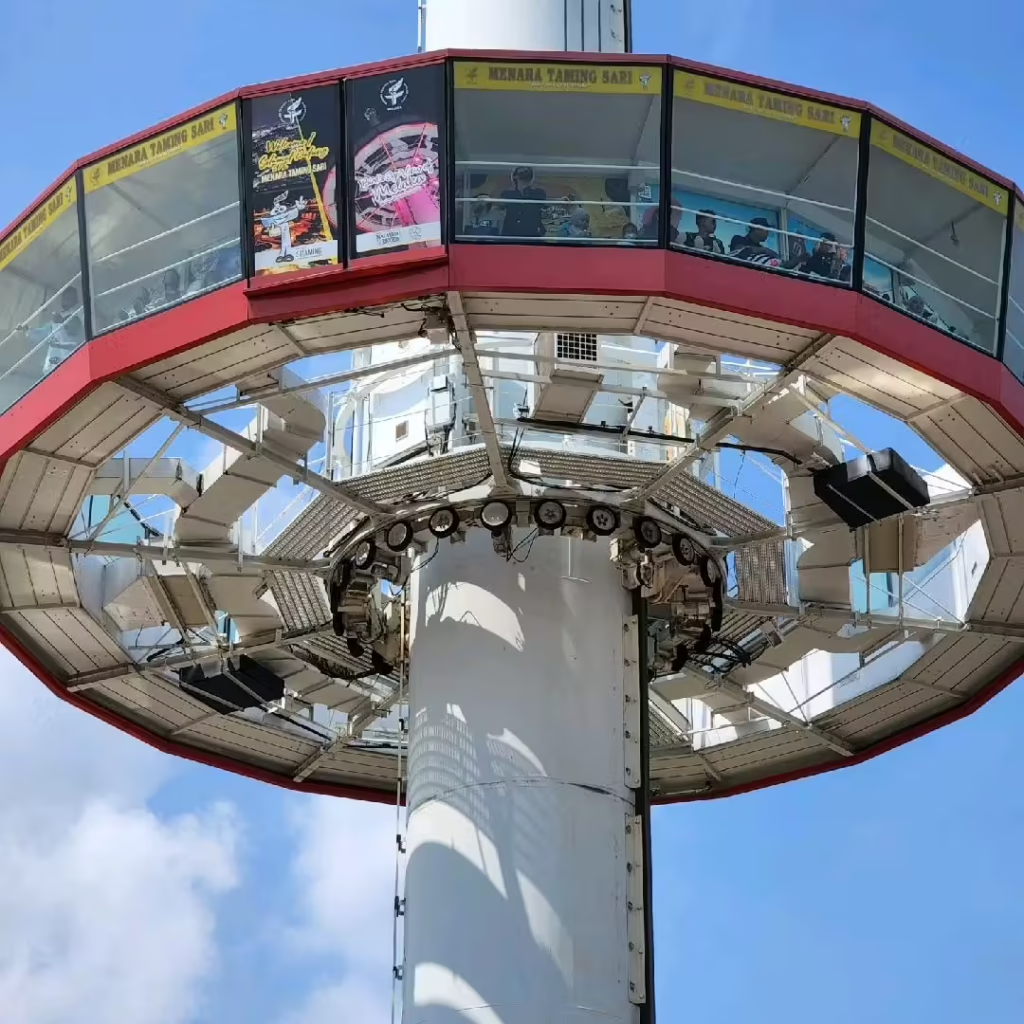
Image Credits: Trip.com
This revolving gyro tower lifts you up about 80 metres for a slow 360-degree view of the old town and the coast. The ride lasts around seven minutes, and the cabin rotates gently as it rises, with tickets around 26 MYR (~S$7) for adults. It’s touristy but scenic, and the night ride catches the city lit up.
The Shore Sky Tower
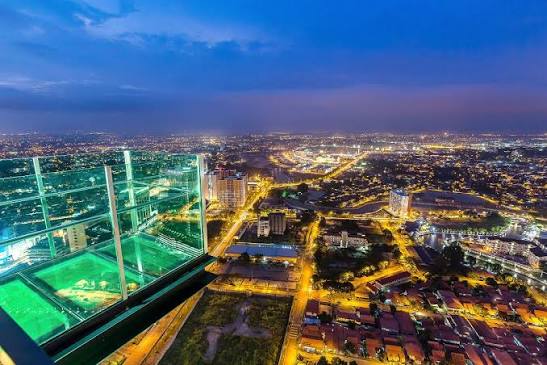
Image Credits: The Shore Sky Tower – The Shore Melaka
The Shore Sky Tower is a rooftop observation deck on top of one of Malacca’s tallest buildings, with a glass-floor section for the brave. Entry is from 25 MYR (~S$7) on weekdays, a little more on weekends, and unlike the gyro tower, there’s no time limit up here, so you can linger over the view. It’s a little out from the historic core but easy by Grab.
Trishaw ride
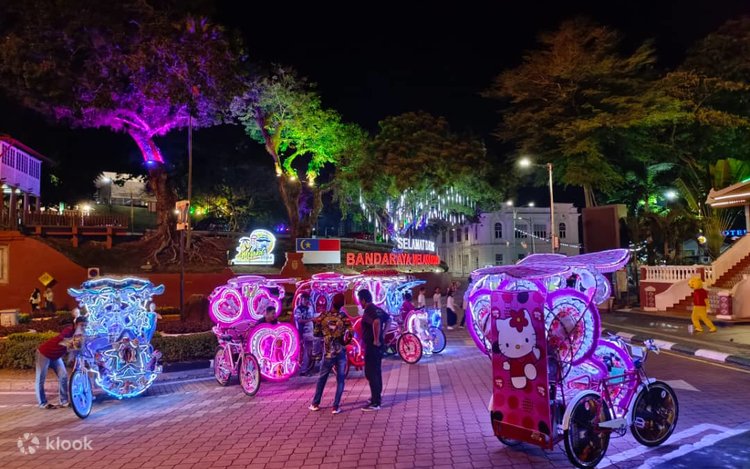
Image Credits: Klook
A neon-decked trishaw ride through the old town is the most gloriously touristy thing you can do in Malacca, and it’s good fun, especially at night when the carriages light up and blast music.
Find them at Dutch Square or by the A’Famosa gate, and agree on the fare first, usually around 35 to 40 MYR (~S$10 to S$11) for a loop of the historic sights.
Baba & Nyonya Heritage Museum
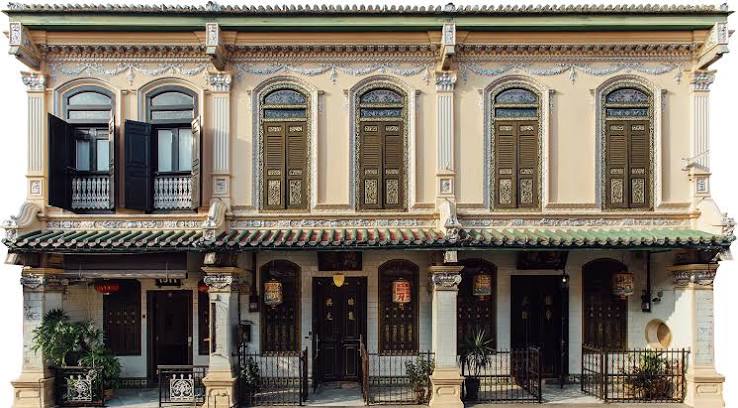
Image Credits: www.babanyonyamuseum.com
This museum is a restored 19th-century townhouse that’s been the home of a prominent Peranakan family since 1861, and it’s the best way to understand the culture behind the food you’ll be eating. Rooms are packed with original furniture, porcelain and carvings, and it’s still managed by the family’s descendants.
Entry is around 15 MYR (~S$4), worth it for the depth.
Cheng Hoon Teng Temple
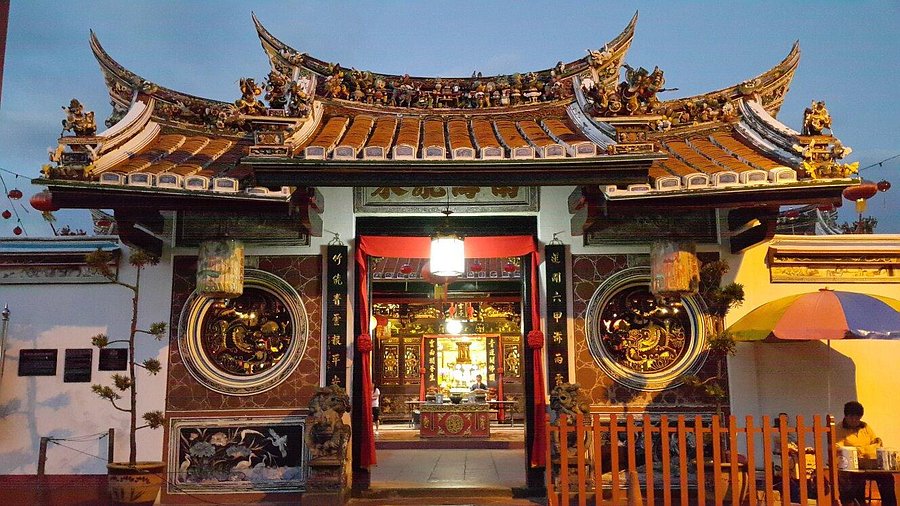
Image Credits: Tripadvisor
Cheng Hoon Teng is the oldest functioning Chinese temple in Malaysia, a quiet, beautifully restored complex a few streets off Jonker. The craftsmanship in the roof and carvings is the draw, and it’s a UNESCO-recognised restoration.
Free, calm, and a good breather between the busier sights.
Kampung Morten and Villa Sentosa
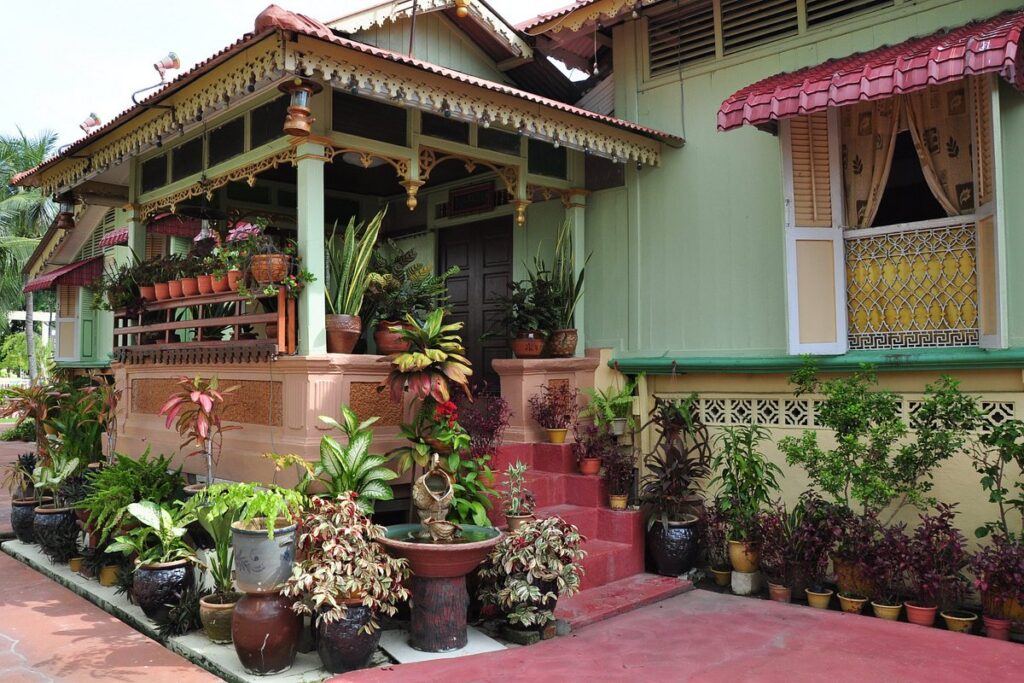
Image Credits: Tripadvisor
Kampung Morten is a traditional Malay village by the river, around a century old and still lived in, just across a bridge from the modern town. Villa Sentosa is one of its houses, kept as a small living museum so you can step inside a classic kampung home. It’s a peaceful contrast to the Jonker crowds.
Encore Melaka

Image Credits: Tripadvisor
Encore Melaka is a 70-minute cultural show staged in a rotating auditorium, telling 600 years of the city’s history through a big multimedia production. With a cast of local performers and dramatic effects, it’s the most polished indoor activity in town, handy if the weather turns.
Tickets for foreign visitors are around 158 MYR (~S$45).
Malacca Straits Mosque
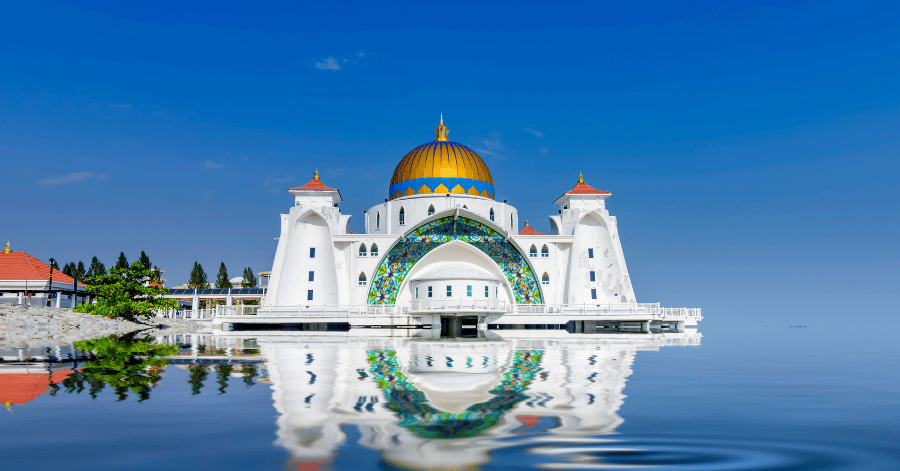
The Straits Mosque sits on a man-made island and appears to float on the water at high tide, which is why it’s all over Instagram, especially at sunset. It’s open to visitors outside prayer times, and the waterfront setting makes it one of the most photogenic spots in Malacca. Dress modestly.
Flor de la Mar (Maritime Museum)
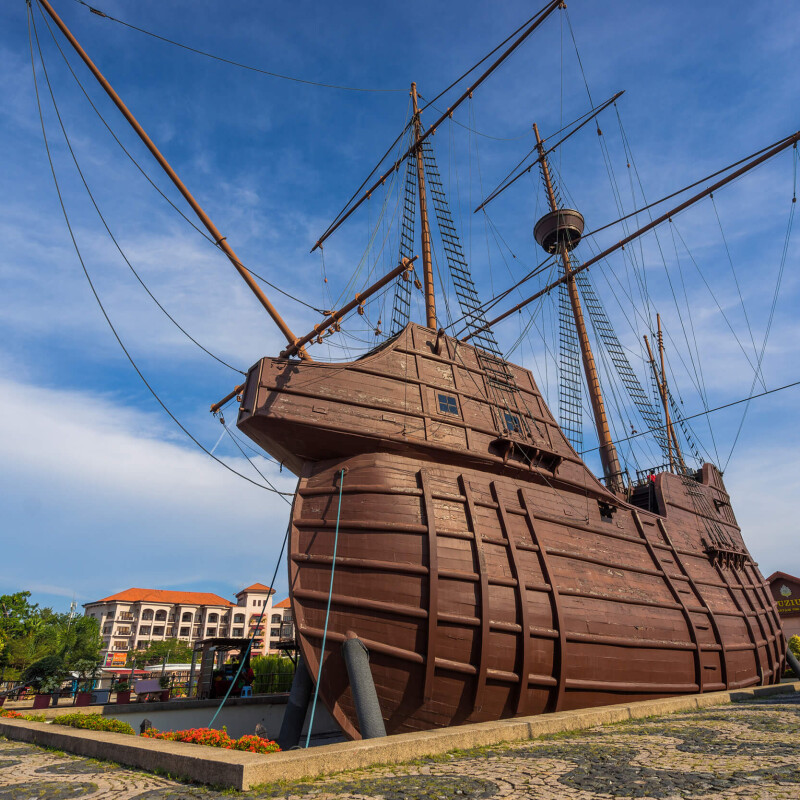
Image Credits: Holiday Inn Melaka
This replica of a 16th-century Portuguese ship houses the Maritime Museum, walking you through Malacca’s history as a trading port. It’s a fun, kid-friendly stop right by the river, with multiple decks to explore.
Check the hours; it sometimes closes for a break on Friday afternoons.
Related Guide: Heading further up the coast after? Our Penang travel guide maps out another UNESCO old town worth pairing with Malacca.
What to Eat in Malacca
Food is the real reason Singaporeans keep coming back, and the star is nyonya (Peranakan) cooking, a Chinese-Malay fusion you’ll struggle to find this good at home. Here’s where to eat it.
Jonker 88
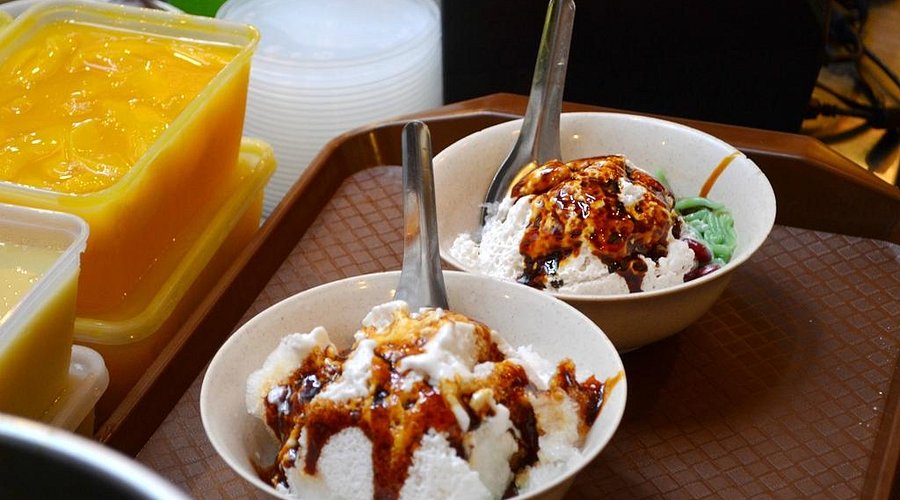
Image Credits: Tripadvisor
Jonker 88 is the famous stall for Baba laksa and cendol, smack in the middle of Jonker Street. The laksa comes in a coconut-and-tamarind broth that’s sweet, sour and fragrant all at once, and the cendol is loaded with proper gula melaka. Expect a queue at lunch; it moves fast.
Nyonya restaurants: Baba Charlie and the sit-down spots
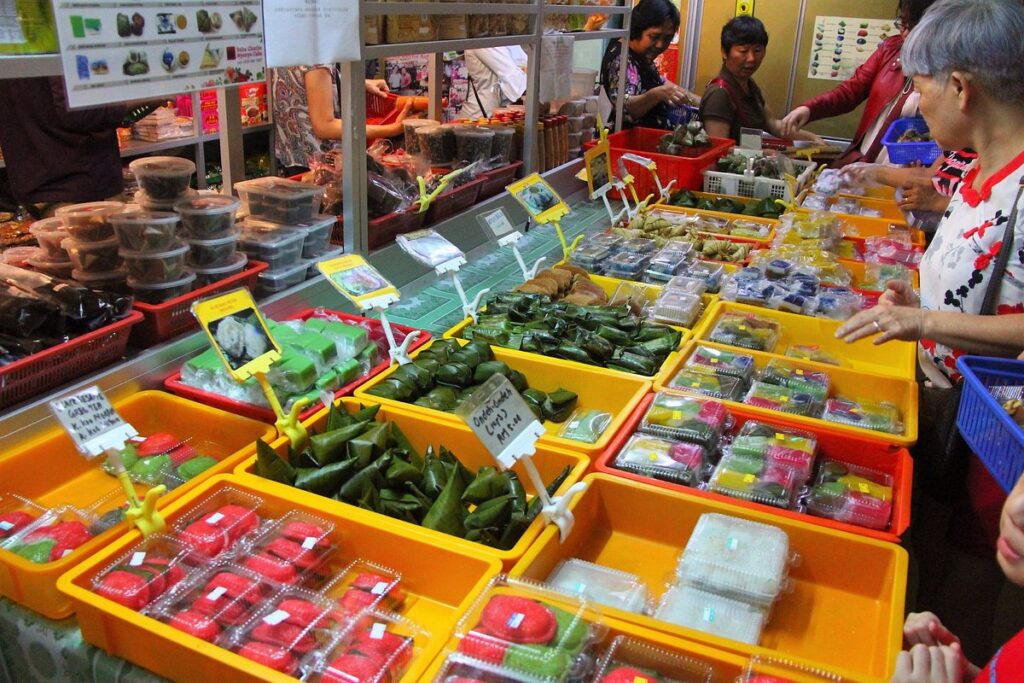
Image Credits: Tripadvisor
For a full Nyonya meal, the family-run restaurants are where it shines, think rendang, babi pongteh (pork in fermented bean paste), perut ikan and sambal-heavy plates. Baba Charlie is a third-generation kuih house off Jalan Tengkera selling dozens of handmade nyonya kuih daily from around 1 MYR (~S$0.30) a piece. Pair a sit-down lunch with kuih to take away.
Chicken rice balls
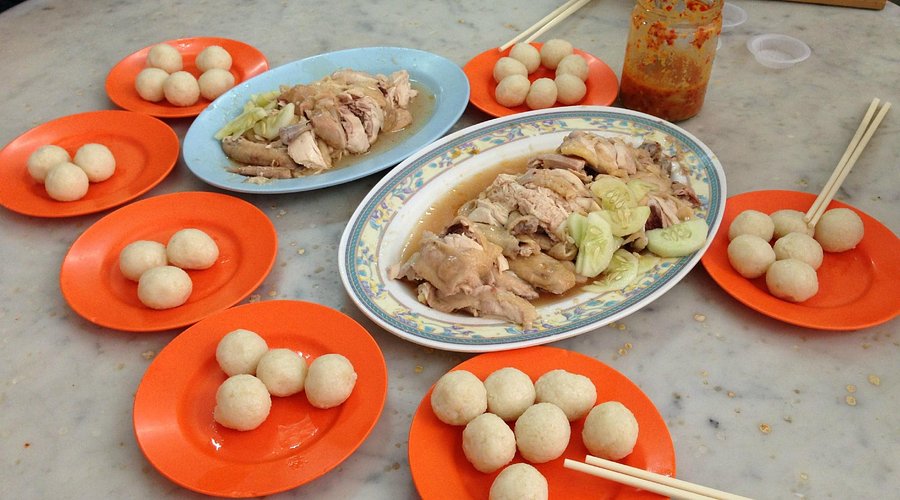
Image Credits: Tripadvisor
Malacca’s signature twist on Hainanese chicken rice serves the rice rolled into ping-pong-sized balls, a local tradition you don’t get back home. Several spots around Jonker do it, and it’s the one dish nearly every Singaporean orders here. Cheap, filling, and a fun novelty for first-timers.
Putu piring
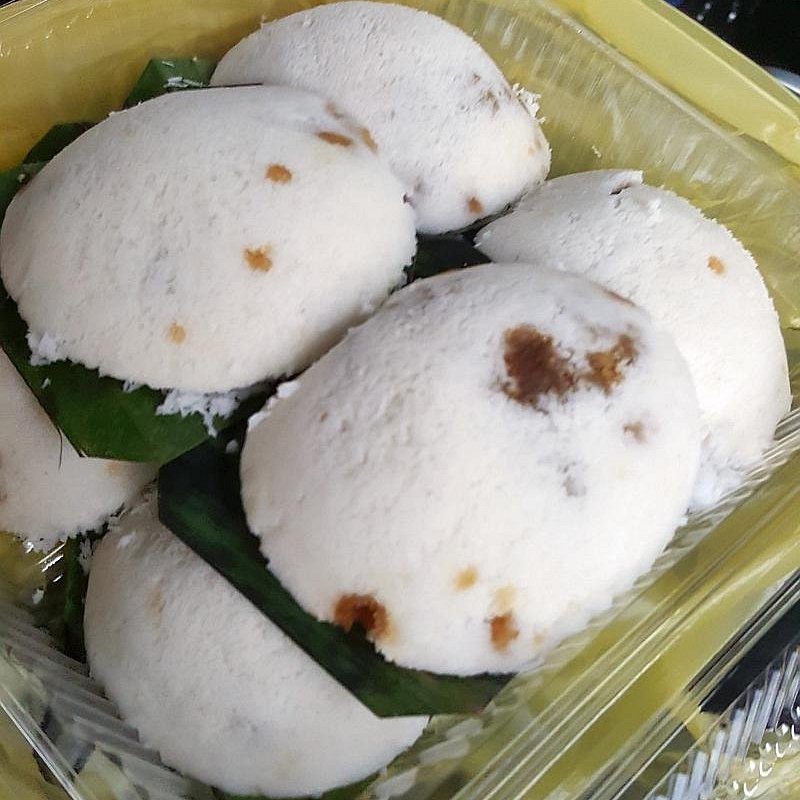
Image Credits: Tripadvisor
Putu piring is the must-try dessert: steamed rice-flour cakes with molten gula melaka inside, served warm under grated coconut. The legendary stall on Jalan Tengkera opens in the early afternoon and draws a queue, with pieces around 1.70 MYR (~S$0.50) each. Hours shift, so check before you make a special trip, but it’s worth the wait.
Cafes: Daily Fix and Calanthe Art Café
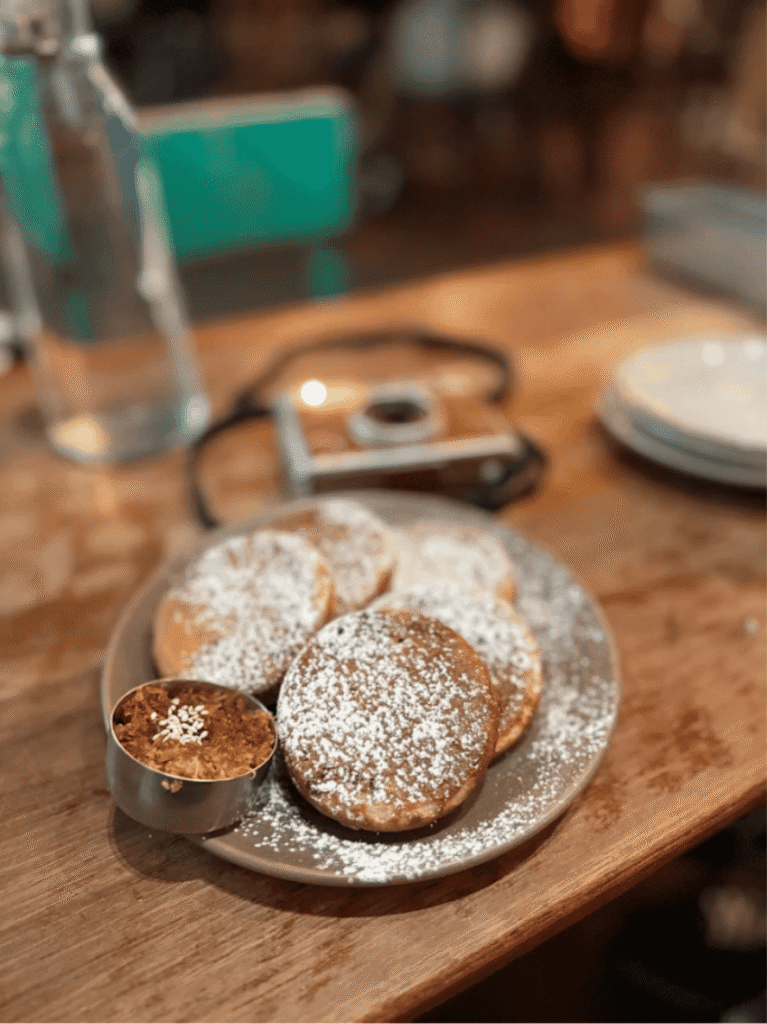
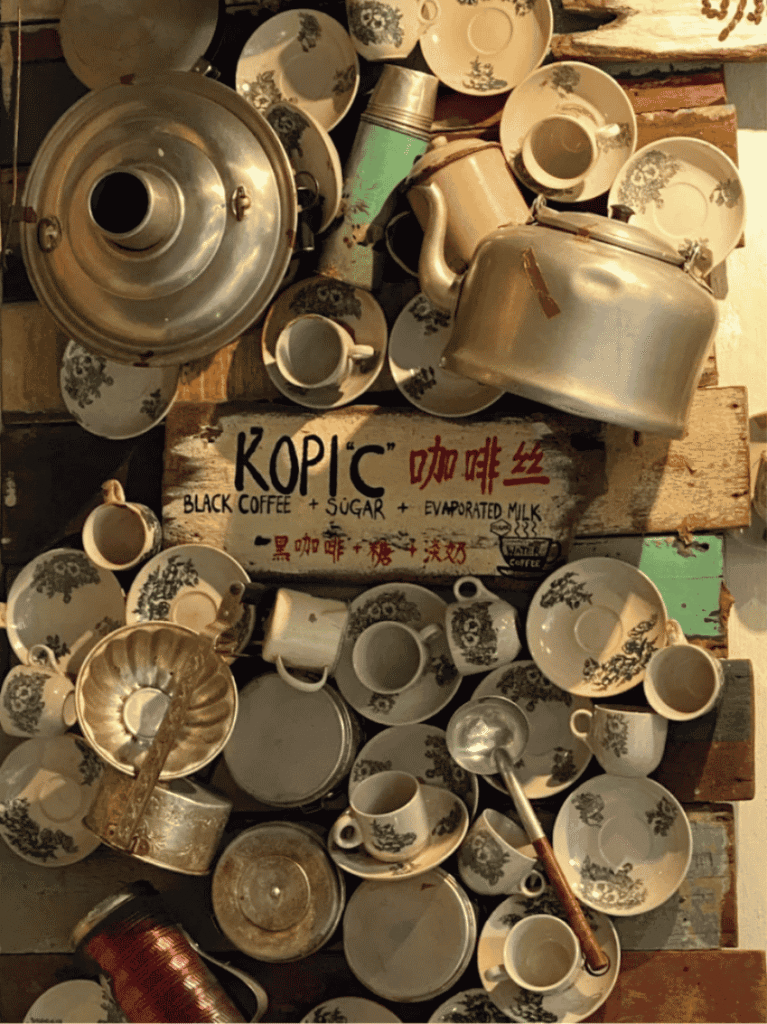
Image Credits: Johanna Maranan & M Kayale on Google Reviews
Malacca’s cafe scene punches above its weight. Daily Fix on Jonker is the rustic, photogenic one, famous for its gula melaka pancakes and salted-caramel iced chocolate. Calanthe Art Café, tucked in a side alley, serves coffee from all 13 Malaysian states, a fun way to caffeinate between sights.
Portuguese Settlement
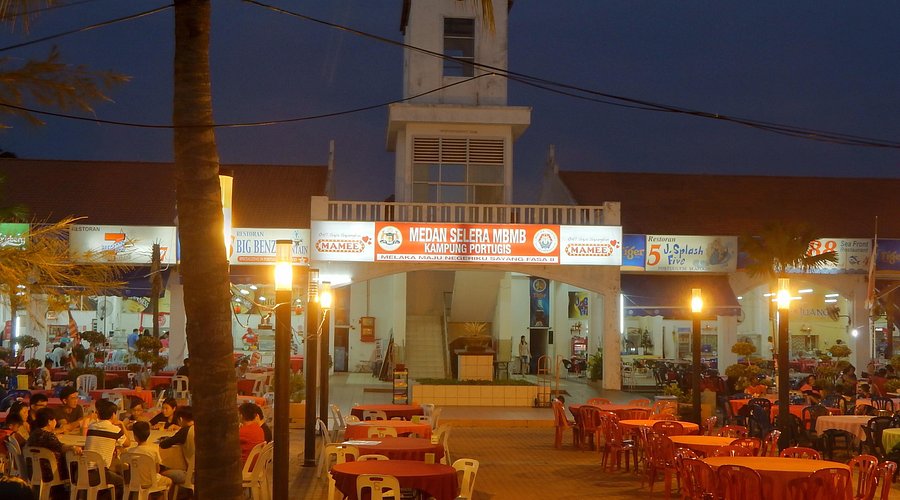
Image Credits: Tripadvisor
For something different, the Portuguese Settlement near the coast serves Kristang (Eurasian) food, with devil’s curry and grilled fish. The Portuguese Square has a row of restaurants with similar menus and a relaxed, seaside-village feel. It’s a Grab ride out, but a unique taste of Malacca’s mixed heritage.
Related Guide: Craving more cross-border eats? Our JB food guide rounds up the best of Johor Bahru’s hawker and cafe scene.
Does Malacca Have a Beach?
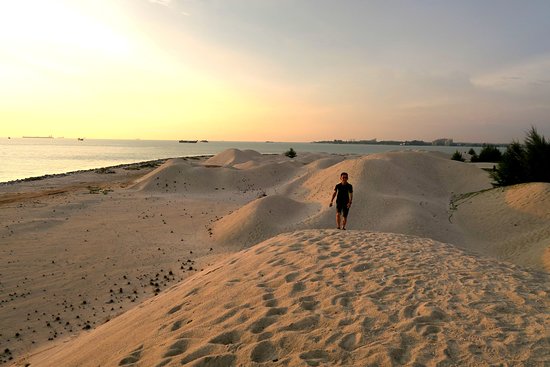
Image Credits: Tripadvisor
Sort of, but set your expectations. Malacca isn’t a beach destination, and the water isn’t really meant for swimming. What it does have is Pantai Klebang, a wide stretch of sand and dunes that’s a popular weekend hangout.
Pantai Klebang is best for a late-afternoon visit: walk the sand, grab the famous Klebang coconut shake from the stalls along the road, and stay for the sunset. A patch of sand dunes nearby, nicknamed Melaka’s mini-desert, is photogenic but a bit of a walk in. Swimming isn’t really the point here, so treat it as a sunset-and-snack stop rather than a beach day.
Related Guide: After actual beaches and resorts? Our Port Dickson guide covers the nearest coastal getaway with swimmable spots.
Family-Friendly and Day-Trip Add-Ons
If you’re travelling with kids or have a spare half-day, a few attractions sit just outside the city. These are the ones worth the short drive.
Zoo Melaka
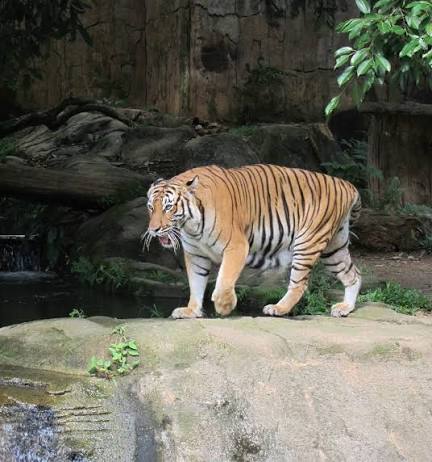
Image Credits: Tripadvisor
Malaysia’s second-largest zoo is home to over a thousand animals, with a night safari option, animal shows and elephant-feeding sessions. It’s about half an hour from the old town and an easy crowd-pleaser for families. Plan a few hours if you go.
A’Famosa Resort
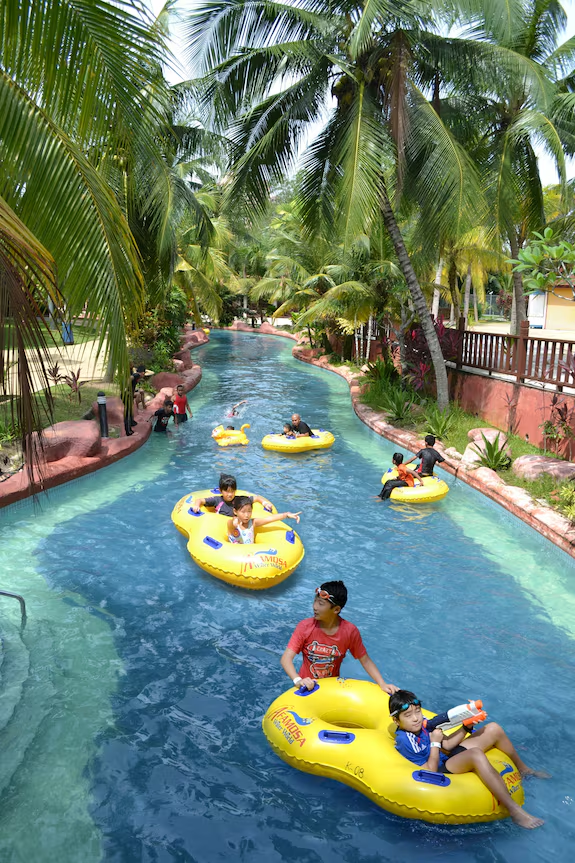
Image Credits: Expedia
Not to be confused with the fort gate, A’Famosa Resort is a large complex with a safari park and a water theme park, roughly 30 to 40 minutes out. It’s a full-day outing on its own, best if you’re staying nearby or travelling with younger kids who need a break from heritage walks.
Upside Down House and the museums
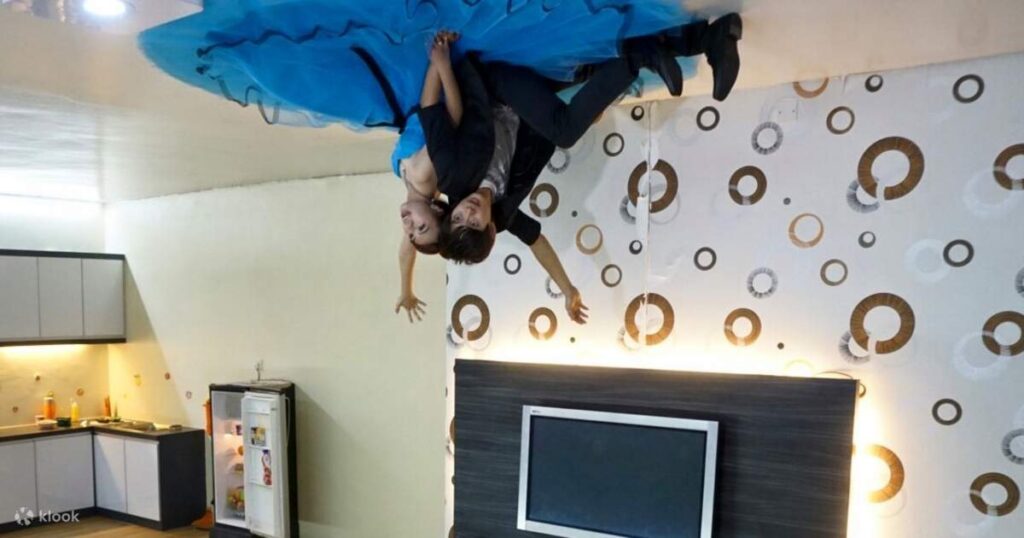
Image Credits: Klook
Right in town, quirky photo-op spots like the Upside Down House and the small themed museums (including the Ghost Museum near Kampung Hulu) are easy filler for a rainy hour. They’re more novelty than substance, but kids tend to love them.
Related Guide: Got more time for a bigger city? Our 48-hour Kuala Lumpur itinerary pairs neatly with a Malacca stop on the same trip.
Where to Stay in Malacca
Stay in or near the old town so you can walk to Jonker Street and the river. Malacca has everything from boutique Peranakan guesthouses to riverside five-stars, and it’s cheap by Singapore standards.
For character, boutique heritage stays tucked behind Jonker put you in the middle of the action. For comfort and views, riverside and city hotels like the international chains near the Shore complex give you rooftop bars and pool access, often from well under S$100 a night. If you’re driving, check for parking — the old town’s lanes are tight.
Related Guide: Want specific picks and prices? Our best Malacca hotels guide ranks where to stay for every budget.
What to Buy in Malacca
The things worth carrying home are the edible ones. Gula melaka (the smoky palm sugar Malacca is named for) tops the list, along with nyonya kuih, dodol, pineapple tarts and local snacks.
Pick up gula melaka and kitchen staples from an old provision shop rather than a souvenir stall; you’ll pay local prices. Bakeries around town do pineapple tarts and sun-cakes that make good gifts, and Mamee Jonker House lets you build your own cup noodles as a fun, cheap take-home. For non-food souvenirs, Jonker’s antique and craft shops are the place to browse.
Related Guide: Paying for all of it at QR-only stalls? Our Touch ‘n Go eWallet guide explains how to top up and use it in Malaysia.
Your 2-Day Malacca Itinerary
Two days are enough to cover the highlights without rushing. Here’s a simple flow that keeps the walking tight and the eating frequent.
Day 1: Old town and river
- Arrive late morning, drop your bags, and head to Jonker 88 for laksa and cendol.
- Walk it off through Dutch Square, up St Paul’s Hill for the view, and past the A’Famosa gate.
- Cool down in the Baba & Nyonya Heritage Museum, then take the river cruise in the late afternoon.
- Have a long Nyonya dinner, and if it’s a weekend, dive into the Jonker night market for snacks and people-watching.
Day 2: Slow morning and the wider city
- Start with kaya toast and kopi at an old kopitiam, then queue for putu piring when it opens.
- Spend the late morning at the Straits Mosque or Kampung Morten, grab chicken rice balls for lunch, and finish with a coconut shake and sunset at Pantai Klebang before the drive home.
- If you’ve got kids, swap the mosque for Zoo Melaka.
Related Guide: Turning it into a longer Malaysia loop? Our Cameron Highlands guide is an easy cool-weather add-on to the north.
Paying in Malacca
The smart way to handle MYR is to tap your YouTrip card for anything that takes cards or QR, and carry a little cash for hawker stalls and the night market.
With YouTrip, there’s no foreign transaction fee on your spending, and MYR is one of the currencies you can hold and lock in the wallet. That means you can fix your rate before you go and spend at the wholesale rate the whole trip.
For the cash you do need, withdraw it from a local ATM. Your first S$400 of overseas ATM withdrawals each month is free with YouTrip, then a flat 2% after that (some ATM operators add their own on-screen fee, so check before you confirm).
For deeper detail, see our SGD to MYR rate guide and the Malaysia ATM withdrawal guide, and if you’re new to using the card up north, can YouTrip be used in Malaysia covers the basics.
FAQ
Yes, Malacca is generally safe for tourists, including at night around the old town and Jonker Street, which stays busy and well-lit on weekends. Use the usual sense you would anywhere: watch your belongings in crowds, stick to lit areas late, and book a Grab rather than walking long distances alone after dark.
Yes, Grab works in Malacca, and it’s the easiest way to get to spots outside the walkable core, like Pantai Klebang, the zoo or the Portuguese Settlement. Waits can be a little longer than in KL, so allow buffer time, and have some cash as backup for short hops.
Malacca is roughly on par with or cheaper than a Johor Bahru weekend and clearly cheaper than Kuala Lumpur for food and hotels, once you step away from the most touristy Jonker stalls. A nyonya meal, a nice riverside hotel and a couple of attractions still come in well under what the same weekend costs at home.
None, they’re the same place. “Melaka” is the Malay spelling used officially in Malaysia, and “Malacca” is the older English version. You’ll see both on signs and maps, and the Strait of Malacca takes its name from the city.
Two days is ideal for the highlights and the food without rushing. One night works for a quick taste, and three days let you slow down, add the beach or zoo, and eat your way through the cafes and Nyonya spots properly.
That’s Your Malacca Weekend Sorted
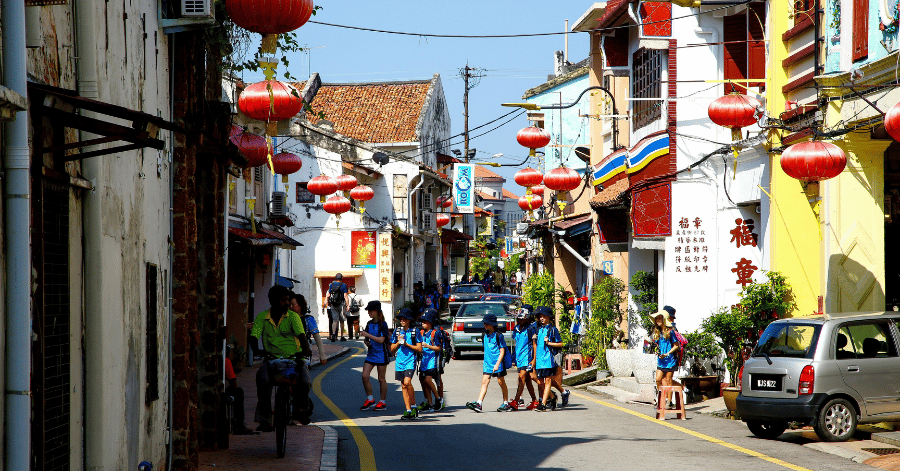
Malacca rewards a slow pace: eat well, wander the old town, watch the river light up, and don’t try to cram it. Two days, a walkable core, and some of the best Peranakan food going, all about three hours from home.
Not a YouTrooper yet? Download YouTrip to spend overseas with no foreign transaction fees, hold and lock in 12 currencies (ringgit included), and use it across 150+ countries. New users get FREE S$5 with code YTBLOG5 when you top up.
Join the YouTrip Perks programme, follow our Telegram channel for the latest deals, and swap tips with fellow YouTroopers in the community group. Safe travels!


The post 15 Things to Do in Malacca (2026): 2-Day Singapore Guide appeared first on YouTrip Singapore.


You May Also Like

Solana Institute President Says CLARITY Act Could Soon Reach Trump's Desk
SoftBank Stock Drops 12% as OpenAI IPO Delay Threatens $65B Payday

St. Louis Orthodontic Practice Named a Top Workplace of 2026 Based on Employee Feedback



