

Analysts warn Hormuz relief falls short of what economy needs
The United States and Iran signed a memorandum on June 17 to end their war and reopen the Strait of Hormuz.
Oil prices fell back toward $80 a barrel, down from a peak of $118 in March. Shipping companies started moving vessels that had been sitting idle across the Gulf for months. For a lot of people watching energy markets, it felt like the corner had been turned.
Economists are less sure about that. The four months of disruption that followed the closure of the Strait left a mark on global supply chains, food prices, and inflation that a peace agreement does not automatically undo.
The economic bill from the Hormuz crisis is still in transit, and some of the largest pieces have not arrived yet.
Goldman Sachs oil forecast and what Hormuz recovery means for crude prices
Goldman Sachs cut its oil price forecast on June 16, projecting Brent crude to average $80 in late 2026 and $75 in 2027, CNBC reported, citing a faster-than-expected recovery in Persian Gulf crude flows.
That is the number people are celebrating. The part that gets less attention is the distance between cheaper crude and lower prices at the checkout counter or on a shipping invoice. JPMorgan had warned separately that inventory buffers keeping prices in check could run out before any meaningful recovery in flows, a risk that has not fully disappeared.
More Economy:
- JPMorgan sends another message on strait of Hormuz, oil prices
- Warren Buffett has a message on energy prices for all Americans
- Goldman Sachs sends strong message on next Fed rate cut
Fuel surcharges, energy-linked supply contracts, and freight pricing do not reset the week a diplomatic deal gets signed. Hundreds of vessels that accumulated across the Gulf during the conflict will take weeks to clear, HNGN reported.
Until that backlog works through, the pressure on global trade logistics is not going anywhere meaningful.
Why food prices will keep climbing long after Hormuz headlines fade
Simon MacAdam, deputy chief global economist at Capital Economics, made the core argument plainly, CNBC reported. Higher inflation is already largely baked into many economies, he said. Natural gas prices to households lag the upstream market by around three months, which means consumers are still catching up to price moves that happened months ago.
"It can take many months for higher energy and fertiliser prices to be passed along food supply chains to end-consumers," MacAdam said in a research note cited by CNBC.
The World Bank's June Global Economic Prospects report spelled out what that looks like at a global scale. Inflation is expected to reach 4% in 2026, up from 3.3% in 2025, even assuming oil disruptions ease quickly.
Fertilizer prices could jump as much as 38% this year as Gulf supply disruptions work through agricultural markets. Global growth was lowered to 2.5%, the weakest since the pandemic, from 2.9% in 2025.
ABC News reported on Bureau of Labor Statistics data showing what already happened to grocery shelves between May 2025 and May 2026: tomatoes up 32%, lettuce up 24%, coffee up 17%, and ground beef up 12.1%.
Mark Zandi, chief economist at Moody's Analytics, did not soften his read of where things go from here. "I think under the most likely scenarios for how things unfold, I'd buckle up," Zandi told ABC News.
Europe is carrying extra exposure into this recovery. Gas storage headed into 2026 at just 30% capacity after a rough winter, leaving the continent with less of a cushion than usual. Dutch TTF gas prices nearly doubled to over €60 per megawatt-hour by mid-March.
And a super El Niño building in the background is adding more pressure to food prices on top of the energy shock still moving through supply chains, Alex Holmes, regional director at the Economist Intelligence Unit, told CNBC.
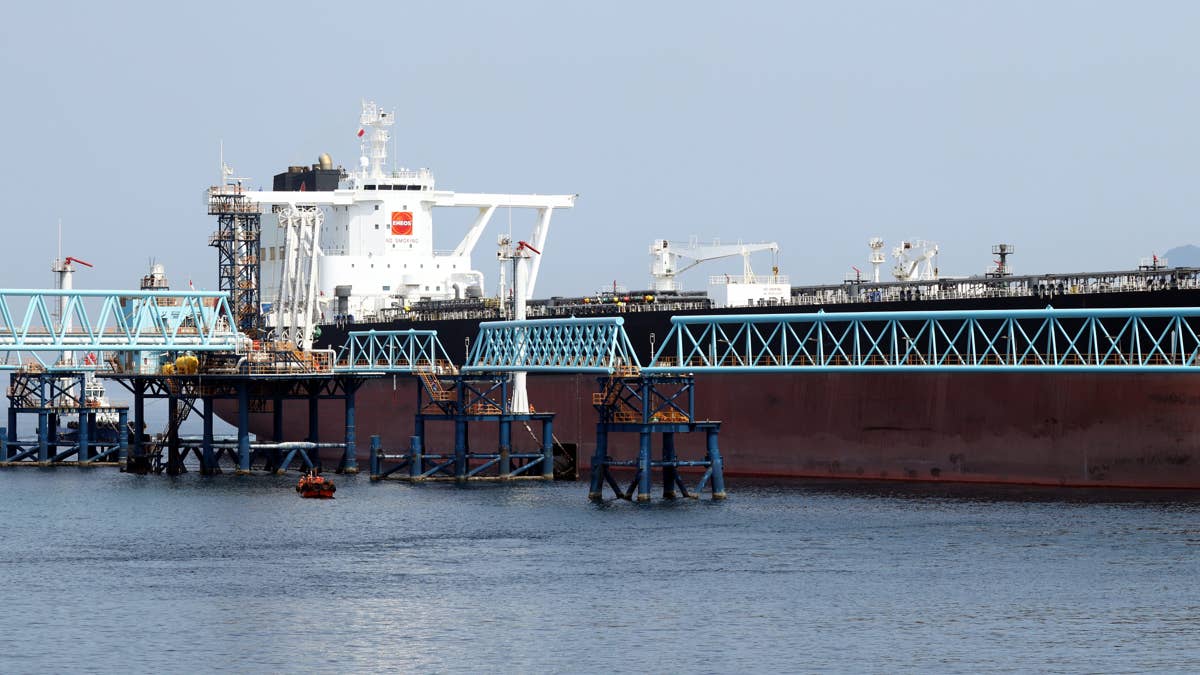 The relief rally in energy-sensitive assets may be getting ahead of itself.
Ota&solGetty Images
Fed, central banks stuck in Hormuz inflation trap
The Federal Reserve, under Chairman Kevin Warsh, left short-term rates unchanged on June 18 but raised its PCE inflation forecast to 3.6% by December, up from 2.7% in March, CNBC reported.
Nine of the 18 voting members now expect at least one rate hike before the year is out. A few months ago, the market was pricing in cuts. That conversation has shifted entirely.
The Bank of England, also holding rates steady, put the logistical reality into plain language.
"Even in the event of prompt conflict resolution, there could be a logistical delay in restoring energy production and transportation," the Bank warned, CNBC reported.
Holmes said central banks that shifted to a hawkish stance during the crisis are not in a position to quickly reverse. Fuel prices and inflation are still running too hot to justify a pivot.
The Hormuz deal reduces the risk of things getting worse, but the conditions that would actually allow rate cuts have not changed.
Investors move on Hormuz relief, but economists say data have not caught up
UNCTAD projects global merchandise trade growth will slow from 4.7% in 2025 to between 1.5% and 2.5% in 2026.
Markets priced in the good news fast. Energy stocks steadied, risk premiums on shipping fell, and sentiment around the reopening pushed traders toward positions that assumed the worst was behind the economy.
The relief rally in energy-sensitive assets may be getting ahead of itself, however, since the supply-chain data is moving through the real economy much more slowly.
Inflation is still embedded in supply chains, central banks are not ready to ease, and consumers are working through grocery bills that reflect months of compounding price pressure.
Markets can reprice a geopolitical risk in a day. Unwinding four months of supply chain disruption takes considerably longer. Any setback in the ceasefire, as TheStreet has reported, could push Brent back toward triple digits quickly.
While the Strait of Hormuz is open, the economic costs of its closure are still very much in motion.
Related: Aramco CEO sends stark message on Strait of Hormuz and oil


You May Also Like

Enterprise Blockchain Data Platform Allium Secures $40M in Series B Funding
Crowd erupts as Trump asks 'should we run one more time?'

DCG Mining Arm Fortitude Targets Second-Half IPO via HeartSciences Merger



