

How NFT Utility Is Evolving Beyond Digital Collectibles
Non-fungible tokens have moved far past the days of pixelated profile pictures and speculative art flips. Today, these blockchain assets serve real functions, from granting access to exclusive events to verifying ownership of physical goods. The shift from simple collectibles to practical tools marks a major turning point for the technology. For those interested in exploring how digital assets intersect with entertainment, the platform online casino Charmius Canada offers a compelling example of blockchain integration in action.
Key Facts: The State of NFT Utility
The evolution of NFTs is backed by concrete data. Here are five surprising statistics that show where the market is heading:
- In 2026, over 60% of new NFT projects will include utility features such as staking, governance rights, or physical redemption, up from just 15% in 2022, according to a DappRadar industry report.
- The global NFT market is projected to reach $231 billion by 2030, with utility-based tokens driving 70% of that growth, as estimated by Grand View Research.
- Ticketmaster reported that 40% of event tickets sold in 2025 used NFT-based verification, reducing fraud by 90% compared to traditional paper tickets.
- A 2024 survey by Chainalysis found that 53% of NFT holders now prioritize utility over speculative resale value, a complete reversal from the 2021 bull run.
- Gaming-related NFTs, which offer in-game items and play-to-earn mechanics, accounted for 45% of all NFT transaction volume in the first quarter of 2026.
How Blockchain Gaming Redefines Player Rewards
The gaming industry leads the charge in NFT utility. Players no longer just buy digital swords or skins; they own assets that generate real value. Blockchain-based games allow users to earn tokens through gameplay, trade items on open marketplaces, and even stake their NFTs for passive income. This system mirrors the mechanics of traditional casino bonuses, where players receive incentives for continued engagement. For example, a player might earn a rare NFT after completing a difficult raid, which they can then sell or use to unlock special abilities. This creates a feedback loop where time invested translates directly into tangible rewards, much like how loyalty programs work in online entertainment.
Real-World Assets Meet Digital Ownership
NFTs now bridge the gap between physical and digital worlds. Luxury brands like Gucci and Louis Vuitton issue NFTs that authenticate real handbags, while real estate companies tokenize property deeds. This utility extends to event access, where a single NFT can serve as a concert ticket, a backstage pass, and a commemorative collectible all at once. The technology also powers supply chain transparency, allowing consumers to verify the origin of goods from farm to store. These applications show that NFTs are not just speculative assets but practical tools for proving ownership and authenticity.
The Rise of Gamified Financial Products
DeFi protocols now integrate NFTs as collateral for loans, allowing users to borrow against their digital art or in-game assets. This creates a new financial layer where items once seen as purely recreational hold real economic weight. Platforms offer yield farming opportunities tied to NFT collections, rewarding holders with tokens for locking up their assets. This gamification of finance attracts users who enjoy the thrill of risk and reward, similar to the excitement found in high-stakes slots or progressive jackpots. The combination of gaming mechanics with financial incentives drives adoption among younger demographics who prefer interactive experiences over traditional banking.
Conclusion
NFT utility has evolved from a niche curiosity into a foundational element of the digital economy. Whether through gaming rewards, physical asset verification, or financial products, these tokens now serve practical purposes that extend far beyond digital art. The market data confirms this shift, with utility-focused projects dominating new launches and user preferences. As blockchain technology continues to mature, expect NFTs to become even more integrated into everyday transactions, entertainment, and commerce. The key takeaway is clear: the future of NFTs lies not in what they look like, but in what they can do.
The post How NFT Utility Is Evolving Beyond Digital Collectibles appeared first on CoinCentral.


You May Also Like

Hyperliquid, Uniswap and Worldcoin buck crypto slump as traders chase AI, DeFi trends
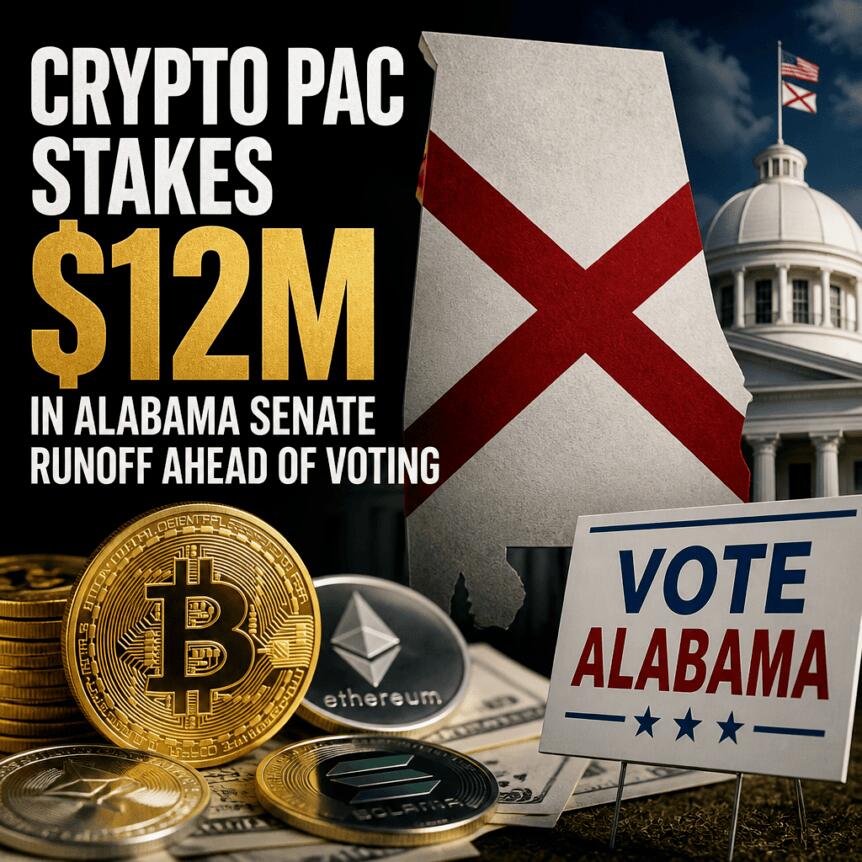
Crypto PAC Stakes $12M in Alabama Senate Runoff Ahead of Voting

France’s tokenized stock exchange Lise poised for first onchain IPO in Europe



