GBP/USD Soars as Fragile Mid-East Ceasefire Hopes Clash With Lingering Economic Fears
BitcoinWorld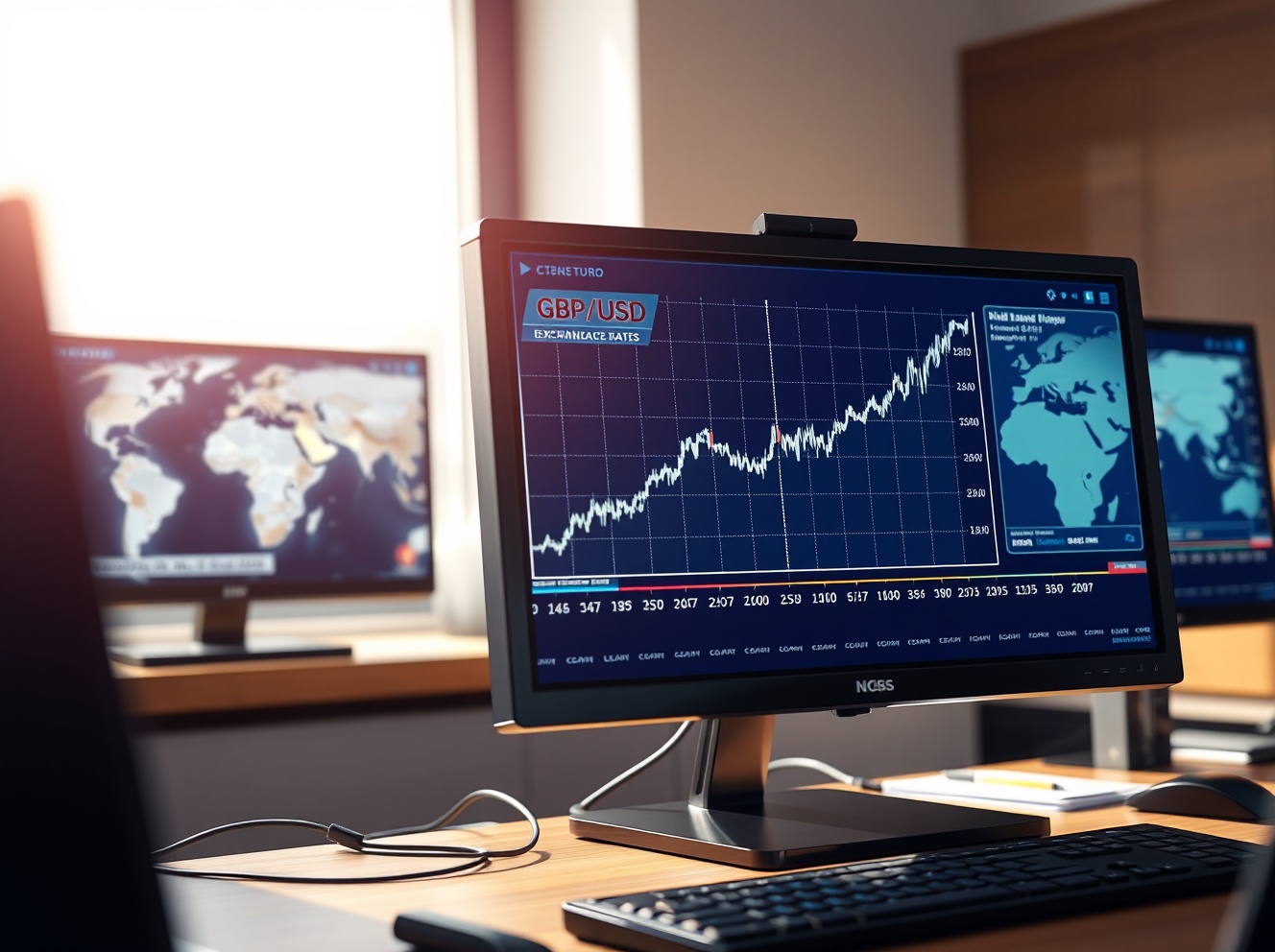
GBP/USD Soars as Fragile Mid-East Ceasefire Hopes Clash With Lingering Economic Fears
LONDON, April 2025 – The British pound staged a significant rally against the US dollar in early trading today, as renewed diplomatic efforts toward a Middle East ceasefire provided a crucial counterweight to persistent fears over global economic stability. The GBP/USD pair, a key benchmark for global risk sentiment, climbed over 0.8% to breach the 1.2850 level, marking its strongest single-day gain in three weeks. This movement underscores the intense sensitivity of currency markets to geopolitical developments, particularly those influencing energy prices and global trade flows. Analysts immediately began parsing the complex interplay between tentative peace prospects and the underlying structural concerns that continue to shadow the financial landscape.
GBP/USD Technical Breakout Amid Geopolitical Shifts
The currency pair’s ascent was both sharp and decisive. Consequently, it broke through several key technical resistance levels that had contained price action for the preceding fortnight. Market data reveals substantial buying volume, particularly from institutional investors rebalancing portfolios in response to the shifting risk calculus. The rally was notably broad-based, with the pound also gaining ground against the euro and the Japanese yen. This pattern suggests a market-wide reassessment of sterling’s near-term outlook, rather than isolated dollar weakness.
Several interconnected factors fueled the move. Firstly, reports from diplomatic channels in Geneva indicated a potential framework for a humanitarian pause in hostilities. Secondly, a simultaneous drop in crude oil futures provided immediate relief to the UK’s import bill. Finally, comments from Bank of England officials reiterated a data-dependent but vigilant stance on inflation. The confluence of these events created a powerful, albeit potentially fragile, bullish narrative for the pound.
Chart Analysis and Market Mechanics
Forex traders closely monitored the 1.2800 psychological level, which acted as a pivotal battleground. The successful breach and subsequent consolidation above this level triggered automated buy orders and forced short-sellers to cover their positions, creating a classic feedback loop that accelerated the upward move. The Relative Strength Index (RSI) moved from neutral territory into bullish ground, while moving averages began to realign. However, seasoned analysts caution that such geopolitically-driven rallies often face retracements as details emerge and initial optimism is tested against reality.
The Economic Impact of Easing Middle East Tensions
A reduction in regional conflict directly influences the global economy through several critical channels. The most immediate is the energy market. Brent crude, a primary pricing benchmark, fell nearly 3% on the ceasefire news, easing pressure on manufacturing and transportation costs worldwide. For the United Kingdom, a net energy importer, lower oil prices translate directly into a improved trade balance and reduced inflationary inputs. This dynamic supports the pound by improving the country’s external accounts and moderating the pressure on the Bank of England to maintain aggressively restrictive monetary policy.
Beyond energy, the prospect of stability in a key global shipping corridor promises relief for supply chains. Recent months saw significant disruptions and increased insurance premiums for cargo traversing the region. A durable ceasefire could gradually normalize these logistics, reducing costs and delays for a wide array of goods. The potential macroeconomic impacts are substantial:
- Lower Imported Inflation: Cheaper energy and freight costs filter through to consumer prices.
- Improved Business Confidence: Reduced uncertainty can spur investment and hiring decisions.
- Central Bank Flexibility: With external price pressures easing, policymakers may gain more room to support growth.
Nevertheless, the “fragile hopes” mentioned in the headline point to a market that remains deeply skeptical. Historical precedents show that diplomatic breakthroughs in the region are often tenuous. Furthermore, the underlying structural issues that fueled the conflict remain largely unaddressed. Therefore, the market’s positive reaction contains an element of cautious relief rather than unbridled optimism.
Battling the Persistent Shadow of Economic Fears
While the ceasefire narrative provided a bullish catalyst, a suite of persistent economic concerns continues to cap the rally’s potential. The rally in GBP/USD is, in part, a story of the pound outperforming in a risk-on moment, but the broader dollar’s trajectory remains influenced by global macro fears. Primary among these is the trajectory of global interest rates. Major central banks, including the Federal Reserve and the European Central Bank, remain focused on ensuring inflation is decisively tamed, creating a backdrop of elevated volatility and sensitivity to economic data.
Additionally, concerns over global debt levels, particularly in emerging markets, and the potential for a slowdown in China continue to foster a demand for safe-haven assets. The US dollar often benefits from such flows. The table below contrasts the bullish and bearish factors currently influencing the GBP/USD pair:
| Bullish Factors for GBP/USD | Bearish Factors / Risks |
|---|---|
| Geopolitical de-escalation in Middle East | Fragility of ceasefire negotiations |
| Resulting drop in energy price inflation | Sticky core inflation in UK services sector |
| Improved UK trade balance outlook | Broader global growth concerns supporting USD |
| Bank of England’s relatively hawkish stance vs. peers | UK domestic political and fiscal uncertainty |
Market participants are thus navigating a complex environment. The immediate catalyst is positive, but the medium-term path depends on whether the geopolitical improvement is sustained and how effectively it translates into tangible economic benefits. Furthermore, domestic UK challenges, including public sector strikes and a looming election cycle, add another layer of uncertainty for sterling.
Expert Insight on Market Psychology
Dr. Anya Sharma, Head of Geopolitical Strategy at the Global Economics Institute, contextualizes the move: “Today’s price action is a textbook example of markets pricing a reduction in tail risk. The premium attached to geopolitical instability in energy-producing regions had grown significantly. Any credible sign of de-escalation triggers a rapid repricing. However, it’s crucial to distinguish between a short-term risk premium compression and a fundamental improvement in growth prospects. The latter requires sustained peace and tangible economic follow-through.” This analysis highlights that while the direction is clear, the sustainability of the GBP/USD climb hinges on a successful transition from diplomatic hope to economic reality.
Conclusion
The climb in GBP/USD serves as a powerful real-time indicator of the global financial system’s sensitivity to geopolitical winds. The pairing of ceasefire hopes with enduring economic fears creates a volatile but opportunistic landscape for currency traders. While the path toward lower energy costs and smoother trade flows offers genuine upside for the British pound, the rally’s durability will be tested by the actual implementation of peace terms and the ongoing battle against underlying inflation. For investors and policymakers alike, the episode reinforces that in today’s interconnected world, events in distant conflict zones remain inextricably linked to the value of major currencies like the GBP/USD, demanding constant vigilance and nuanced analysis.
FAQs
Q1: Why does a Middle East ceasefire affect the GBP/USD exchange rate?
A ceasefire reduces the risk of regional conflict disrupting global oil supplies. As the UK imports oil, lower prices improve its trade deficit and lessen inflationary pressure, making the pound relatively more attractive compared to the dollar.
Q2: What are the “fresh fears” mentioned alongside the ceasefire hopes?
The fears primarily concern persistent global inflation, high interest rates, potential economic slowdowns in major economies like China, and concerns over government debt levels, all of which can spur demand for the US dollar as a safe-haven asset.
Q3: Is the rise in GBP/USD solely due to Middle East news?
No, it is a confluence of factors. The geopolitical news was the primary catalyst, but it interacted with existing market positioning, technical trading levels, and broader assessments of UK versus US economic policy and inflation trajectories.
Q4: Could this GBP/USD rally reverse quickly?
Yes. Geopolitically-driven currency moves are often volatile. If ceasefire talks break down or if upcoming economic data (like UK inflation or US jobs reports) surprises negatively, the pair could swiftly give back its gains.
Q5: How does this impact the average person in the UK?
A stronger pound makes imported goods and foreign holidays cheaper. It can also help lower inflation by reducing the cost of energy and other imported commodities, potentially easing the cost-of-living squeeze over time.
This post GBP/USD Soars as Fragile Mid-East Ceasefire Hopes Clash With Lingering Economic Fears first appeared on BitcoinWorld.


You May Also Like

Why Avalanche’s Broadridge integration fails to stop AVAX’s 10% slide
GBP/JPY Surges as Soaring Oil Prices Threaten Japan’s Fragile Economic Recovery