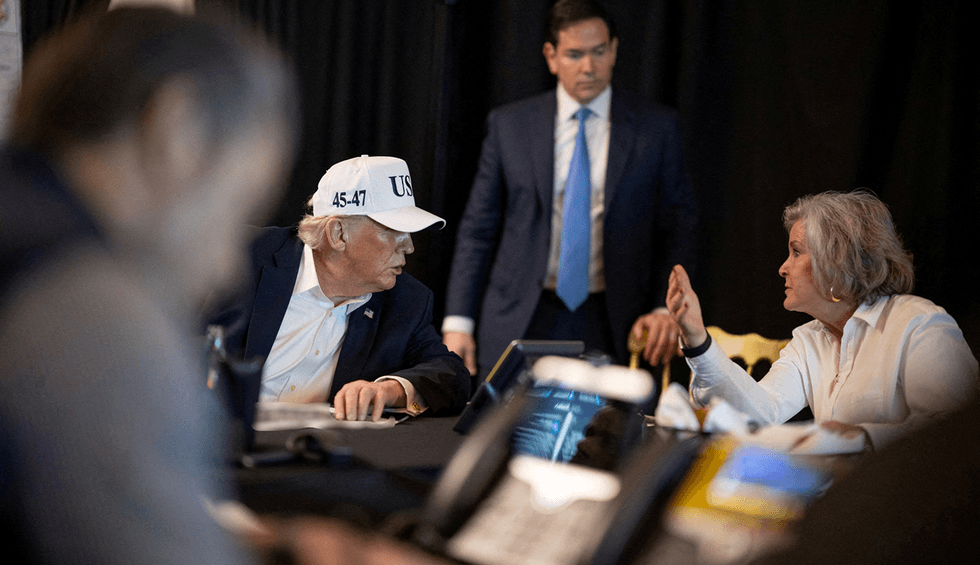
Trump Iran Deadline: Critical Flexibility Emerges as April 8 Ultimatum Looms
BitcoinWorld
Trump Iran Deadline: Critical Flexibility Emerges as April 8 Ultimatum Looms
WASHINGTON, D.C. – In a significant development for Middle East diplomacy, President Donald Trump has indicated a potential willingness to adjust a critical deadline for Iran, introducing a note of cautious flexibility into high-stakes negotiations. According to a report from Fox News, the President stated that the ultimatum deadline set for 0:00 a.m. UTC on April 8 could be modified if ongoing talks demonstrate tangible progress. However, he firmly emphasized that the original deadline currently remains the official position of the United States government. This statement creates a pivotal moment for international relations, balancing firm pressure with a diplomatic opening.
Analyzing the Trump Iran Deadline Statement
The President’s comments, delivered to a Fox News reporter, reveal a dual-track approach to Iran policy. Firstly, the administration maintains its established pressure campaign. Secondly, it acknowledges the role of diplomatic engagement. The specific mention of the April 8 deadline refers to an earlier ultimatum delivered by the White House concerning Iran’s nuclear activities and regional behavior. This deadline represents a clear line in the sand. Consequently, the international community has watched the calendar with growing apprehension. The President’s new conditional flexibility, therefore, marks a notable shift in rhetoric. It suggests that while the threat of action is real, the door for a negotiated solution is not completely closed. This approach aims to incentivize progress at the bargaining table while preserving maximum leverage.
The Geopolitical Context of US-Iran Relations
Understanding this deadline requires examining the turbulent recent history between Washington and Tehran. Relations have been strained since the US withdrawal from the Joint Comprehensive Plan of Action (JCPOA), commonly known as the Iran nuclear deal, in 2018. Subsequently, the US re-imposed severe economic sanctions under a “maximum pressure” campaign. Iran responded by gradually reducing its compliance with the deal’s nuclear restrictions. The current deadline is understood to be connected to demands for Iran to curb its uranium enrichment and rein in proxy activities across the Middle East. Regional allies like Israel and Saudi Arabia strongly support a firm stance. Conversely, European signatories to the JCPOA have urged diplomatic renewal. This complex backdrop makes the April 8 date a potential flashpoint with global ramifications.
Expert Analysis on Diplomatic Signaling
Foreign policy analysts note that the President’s statement serves as classic diplomatic signaling. By publicly offering potential flexibility, the administration communicates directly to Iranian leadership without making a formal concession. “This is a calibrated move,” explains a former State Department official specializing in non-proliferation. “It maintains pressure by upholding the deadline as the default outcome. Simultaneously, it provides Iran with a visible incentive to make a counter-offer or demonstrate goodwill before time expires.” The success of this strategy hinges entirely on whether Iranian officials interpret the signal as a genuine opportunity or merely as tactical posturing. Furthermore, it tests the internal unity within Iran’s political establishment between hardliners and those favoring renewed engagement with the West.
Potential Impacts and Regional Consequences
The consequences of the April 8 deadline are profound and multi-faceted. If the deadline passes without adjustment or progress, the US has signaled it will proceed with planned actions. While unspecified, experts anticipate these could include:
- Enhanced Sanctions: Targeting new sectors of the Iranian economy or foreign entities doing business with Iran.
- Military Posturing: Increased naval deployments or aerial patrols in the Persian Gulf region.
- Diplomatic Isolation: A renewed push at the UN or with allies to further isolate Tehran internationally.
Conversely, genuine negotiation progress could lead to a temporary extension, the scheduling of high-level talks, or a mutual agreement on confidence-building measures. The global oil market remains particularly sensitive to developments, as heightened tensions typically trigger volatility in crude prices. Regional stability also hangs in the balance, affecting conflicts in Yemen, Syria, and Iraq where Iranian-backed groups are active.
Timeline of Recent US-Iran Diplomatic Developments
The path to the current deadline has been marked by several key events. The following table outlines the recent chronology:
| Date | Event | Significance |
|---|---|---|
| May 2018 | US withdraws from JCPOA | Initiates “maximum pressure” campaign with sanctions. |
| Nov 2022 | Indirect talks resume in Vienna | EU mediates between US and Iran; progress stalls. |
| Jan 2024 | US sets preliminary demands | White House outlines conditions for sanctions relief. |
| Mar 2024 | April 8 deadline announced | Ultimatum given for Iranian compliance. |
| Present | Trump signals conditional flexibility | Deadline may adjust if negotiations advance. |
Conclusion
The statement on the Trump Iran deadline introduces a critical variable into an already tense geopolitical equation. While the April 8 ultimatum stands as the official US position, the conditional offer of flexibility creates a narrow window for diplomatic maneuvering. The coming days will test the willingness of both nations to step back from escalation. Ultimately, the world watches to see if this deadline becomes a catalyst for confrontation or a pivot point toward renewed negotiation. The outcome will significantly shape the security landscape of the Middle East and define this chapter of US foreign policy.
FAQs
Q1: What is the specific April 8 deadline about?
The deadline, set for 0:00 a.m. UTC on April 8, is an ultimatum from the US administration for Iran to meet certain demands, widely believed to be related to curbing its nuclear program and limiting support for regional proxy groups.
Q2: What did President Trump exactly say about adjusting the deadline?
According to the Fox News report, President Trump stated the deadline “could be adjusted if negotiations show progress.” He clarified that the original deadline remains in place for now, but flexibility is possible based on diplomatic developments.
Q3: What happens if the deadline passes without an agreement?
President Trump noted that if the deadline passes, the United States will proceed with its planned actions against Iran. While not specified, experts anticipate these could include new sanctions, enhanced military posturing, or further diplomatic isolation.
Q4: How has Iran responded to this deadline and the potential flexibility?
As of this reporting, there has been no official public response from the Iranian government to these specific comments. Tehran has consistently stated it will not negotiate under pressure but has also expressed a desire for sanctions relief.
Q5: Why is the April 8 date significant in the context of the old nuclear deal?
The date itself is not directly tied to the JCPOA but represents a new timeline set by the current US administration. It functions as a pressure tool to force a diplomatic resolution on terms favorable to Washington, outside the framework of the original 2015 agreement.
This post Trump Iran Deadline: Critical Flexibility Emerges as April 8 Ultimatum Looms first appeared on BitcoinWorld.


You May Also Like

Why Avalanche’s Broadridge integration fails to stop AVAX’s 10% slide

GBP/JPY Surges as Soaring Oil Prices Threaten Japan’s Fragile Economic Recovery