Iran US Relations Severed: Tehran Closes All Diplomatic Communication Channels
BitcoinWorld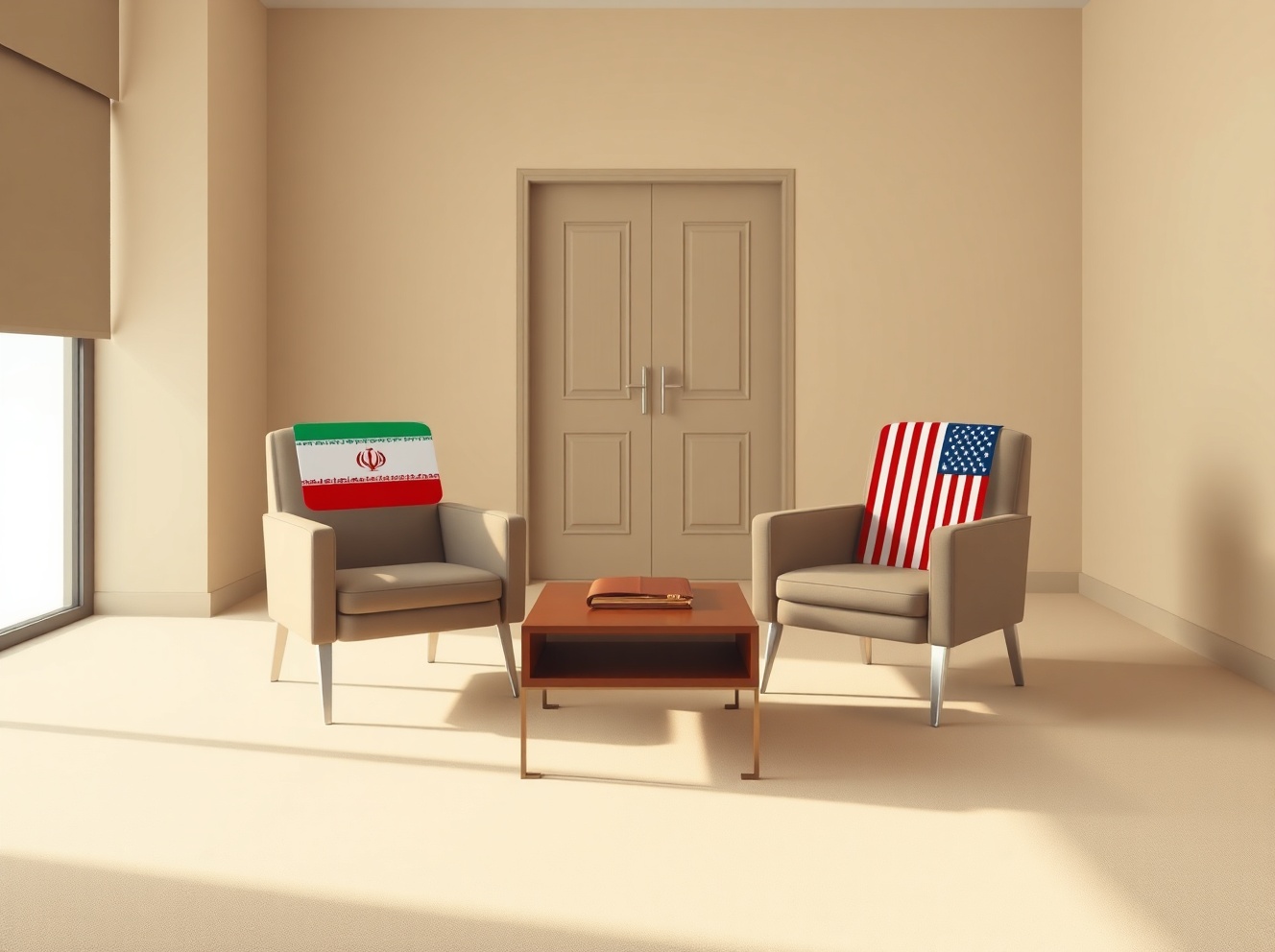
Iran US Relations Severed: Tehran Closes All Diplomatic Communication Channels
TEHRAN, Iran – In a significant escalation that reshapes Middle Eastern geopolitics, Iran has formally closed all diplomatic and indirect communication channels with the United States. This decisive move, reported by the state-run Tehran Times, marks a critical juncture in a relationship long defined by hostility and fragile, intermittent dialogue. Consequently, the action eliminates vital pathways for crisis management and negotiation, potentially increasing regional instability.
Iran US Relations Reach a New Low
The closure of communication channels represents the most severe diplomatic rupture in recent years. According to the Tehran Times report, Iranian authorities have terminated all established backchannels and third-party mediation efforts. These channels, often facilitated by European allies or through neutral venues like Switzerland, previously served as essential conduits for discussing urgent matters, including regional security and the now-defunct 2015 nuclear deal. Furthermore, this decision follows months of escalating rhetoric and a series of confrontational incidents in the Persian Gulf.
Historically, even during periods of intense conflict, some form of indirect contact persisted. For instance, during the Trump administration, Swiss diplomats acted as protecting power, relaying messages between the capitals. Similarly, Oman and Qatar have frequently hosted discreet talks. The complete severance of these links indicates a calculated policy shift in Tehran, likely influenced by domestic political pressures and a reassessment of strategic interests. This development removes a critical safety valve during potential military or nuclear crises.
Background and Escalating Tensions
This action did not occur in a vacuum. It is the culmination of a protracted downward spiral in bilateral relations. The 2018 U.S. withdrawal from the Joint Comprehensive Plan of Action (JCPOA), commonly known as the Iran nuclear deal, initiated a cycle of maximum pressure and retaliatory measures. Subsequently, tensions spiked with incidents like the 2019 attacks on oil tankers and the 2020 U.S. drone strike that killed Iranian General Qasem Soleimani. More recently, stalled negotiations to revive the JCPOA and increased Iranian uranium enrichment activities have deepened the rift.
Regional proxy conflicts also fuel the discord. Iran’s support for groups in Yemen, Syria, and Lebanon directly challenges U.S. allies. Conversely, U.S. military support for Israel and Gulf Arab states is viewed by Tehran as a direct threat. The closure of talks effectively hardens these frontlines, making de-escalation more complex and dangerous. Analysts note that without communication, miscalculation becomes a paramount risk, especially in the crowded waterways of the Strait of Hormuz.
Expert Analysis on Strategic Implications
Foreign policy experts emphasize the gravity of this development. “This is not merely a symbolic gesture,” explains Dr. Anahita Mohseni, a senior fellow at the Center for Strategic Studies. “It is a strategic decision that signals Iran’s willingness to operate without a direct line to Washington, accepting higher risks for perceived strategic autonomy.” She adds that the move likely reflects the consolidation of power by hardline factions within Iran’s political establishment, who view diplomacy with the U.S. as futile.
From a U.S. perspective, the closure complicates an already challenging policy landscape. The Biden administration has consistently stated its preference for diplomacy over conflict, aiming to constrain Iran’s nuclear program through renewed agreement. This action by Tehran directly undermines that objective. A Pentagon assessment, cited in recent congressional testimony, warns that the loss of communication channels increases the probability of unintended escalation during military patrols or air operations in the region.
Global and Economic Impact
The ramifications extend far beyond the two nations. Key global stakeholders are now forced to recalibrate their approaches.
- European Allies: The EU, Britain, France, and Germany (the E3) have invested heavily in diplomatic outreach. They now lose a critical indirect route to influence Iranian behavior and mediate disputes.
- Gulf Arab States: Nations like Saudi Arabia and the UAE, while historically adversarial toward Iran, also relied on these channels for crisis communication. Their security calculations must now account for a more unpredictable neighbor.
- Global Energy Markets: The Persian Gulf is a vital chokepoint for oil shipments. Increased geopolitical risk typically triggers volatility in global oil prices, affecting economies worldwide.
- Nuclear Non-Proliferation: The International Atomic Energy Agency (IAEA) loses a supportive diplomatic context for its monitoring work, potentially making inspections more contentious.
Historical Context of US-Iran Communications
To understand the significance of this closure, a brief review of the communication history is essential. The table below outlines key phases:
| Period | Communication Status | Primary Channel/Mediator |
|---|---|---|
| 1979-2013 | Virtually Nonexistent | Switzerland (Protecting Power) |
| 2013-2016 | Direct & Intensive | Oman (Secret Talks), Then Direct JCPOA Negotiations |
| 2017-2020 | Limited & Indirect | Switzerland, Qatar, Iraq |
| 2021-2024 | Indirect Negotiations | EU (Vienna Talks), Oman, Qatar |
| 2025-Present | Formally Closed | None Reported |
This history shows that the current “closed” status is an extreme position, reverting to pre-2013 norms but under far more dangerous technological and military conditions. The absence of dialogue during the 1980s Tanker War, for example, led to several serious clashes. Today, with more advanced weapons and cyber capabilities, the stakes are arguably higher.
Potential Pathways Forward
Despite the formal closure, several potential pathways for re-establishing contact exist, though all face significant hurdles. First, international crises often create urgent needs for dialogue, potentially forcing a reopening through emergency channels at the United Nations or via military-to-military contacts to avoid clashes. Second, a change in domestic political dynamics within Iran, perhaps following future elections, could lead to a policy reversal. Third, sustained pressure from European and Asian powers, concerned about regional stability and energy security, might eventually persuade Tehran to reconsider.
However, the immediate future appears bleak. The U.S. State Department has acknowledged the reports, with a spokesperson stating that the administration remains “focused on deterrence and diplomacy” but is “prepared for all contingencies.” This statement underscores a return to a posture of managed hostility, where military deterrence replaces active diplomatic engagement as the primary tool of statecraft.
Conclusion
The closure of all diplomatic and indirect communication channels between Iran and the United States marks a dangerous new chapter in their fraught relationship. This decision, rooted in years of failed negotiations and mutual distrust, eliminates essential mechanisms for de-escalation and crisis management. Consequently, the risk of miscalculation in the volatile Middle East rises substantially. The global community now watches closely, as the severed Iran US relations will undoubtedly influence regional security, nuclear non-proliferation efforts, and global energy markets for the foreseeable future. The path back to dialogue appears long and fraught with difficulty.
FAQs
Q1: What exactly does “closing communication channels” mean in practice?
It means Iran has formally ended all established, structured methods of sending and receiving messages with the U.S. This includes rejecting third-party mediators like Switzerland or Oman and refusing to participate in indirect talks hosted by international bodies.
Q2: Does this mean there is absolutely no way for the US and Iran to communicate?
While formal channels are closed, extreme emergencies could potentially force contact through unconventional means, such as messages relayed via the United Nations Security Council or through military signals during a crisis to avoid direct conflict. However, structured diplomatic dialogue has ceased.
Q3: What was the immediate cause of this decision?
No single event has been cited, but it follows the prolonged collapse of efforts to revive the 2015 nuclear deal, continued U.S. sanctions, and recent escalatory actions by both sides in the region. It is viewed as a strategic choice by Iran’s leadership.
Q4: How does this affect the Iran nuclear deal (JCPOA)?
It makes the prospect of reviving the deal virtually impossible in the near term. The JCPOA required intense, direct negotiations. Without any communication channels, there is no forum or process to discuss terms, compliance, or sanctions relief.
Q5: What should the world be most concerned about following this news?
The primary concern is the increased risk of an unintended military confrontation. Without reliable communication, a minor incident in the Persian Gulf or Syria could quickly escalate into a broader conflict because there is no established hotline or diplomatic process to contain it.
This post Iran US Relations Severed: Tehran Closes All Diplomatic Communication Channels first appeared on BitcoinWorld.


You May Also Like
WLD Price Prediction: Oversold Bounce Could Target $0.30 by May 2026

Top Crypto to Buy Right Now: BlockDAG, Ethereum, Avalanche, Hyperliquid, and Tron Offer Big Moves