Inflation Concerns Are Motivated by War Risks
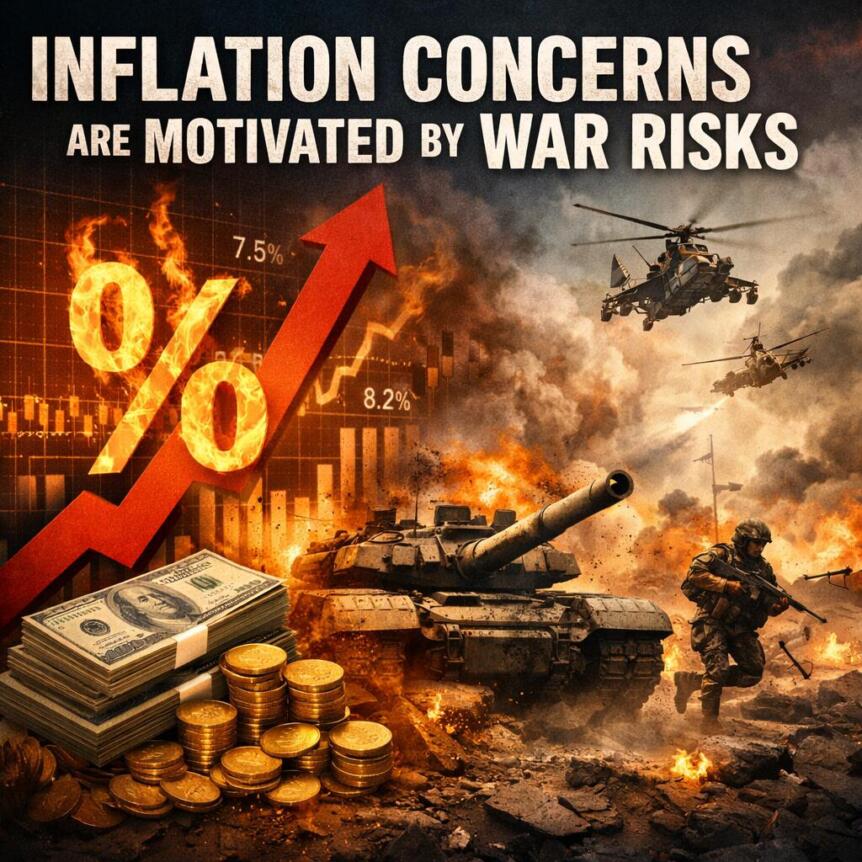
The chief of JPMorgan indicated the tensions with Iran as one of the main causes of uncertainty. He indicated that the upheaval in the Strait of Hormuz would escalate oil and commodity prices. Therefore, such developments can have an impact on the world supply chains and lead to inflationary pressure. Dimon explained that the inflation may not come down soon, but it can increase over time. Also, he pointed out that interest rates could be higher than markets anticipate. He observed that these trends may start to form as early as next year in case the energy prices keep increasing.
He also cited the previous cycles in the economy where oil shocks were part of the declines. In addition, he observed that the same conditions were exhibited in the 1974 and 1982 recessions. These instances point out that increasing energy costs and inflation may act together in decreasing economic growth. The tensions between the world powers have been on the rise with Donald Trump threatening to take action in case the talks do not prove successful. Nonetheless, mediation activities with regional partners proceed even though progress has been minimal. As a result, markets are still vulnerable to new developments associated with the conflict.
According to Polymarket, there is low expectation of a ceasefire agreement in the short term. But the likelihood increases progressively within the next few months as the negotiations proceed. This trend is an instance of cautious optimism despite the high levels of uncertainty in the short term. Stress in the private credit markets was also an issue raised by Dimon. He opined that the lending standards are weaker, which could result in an increase in losses in leveraged finance. Already, more conservative moves have already been made by large companies like BlackRock and Morgan Stanley to restrict withdrawals as risks increase.
Rate Outlook Comes Under New Pressure
Better labour statistics and the increase in oil prices have lowered hopes of a rate cut. Besides, the long-term conflict may result in an additional strain on monetary policy and inflation. This is why investors are still keeping a close eye on economic information and geopolitical trends. Dimon indicated that there is an additional layer of uncertainty in the global perspective with continuous trade negotiations. He further added that several risk factors could combine and put pressure on the financial system. These circumstances keep markets vigilant as the policymakers react to the changing economic indicators.
This article was originally published as Inflation Concerns Are Motivated by War Risks on Crypto Breaking News – your trusted source for crypto news, Bitcoin news, and blockchain updates.


You May Also Like

MARA 200 BTC Move Triggers Bitcoin Sell-Off Fear

FLock.io and BitValue Capital Launch $200M Africa Fund II to Pioneer Decentralized AI Infrastructure