

Geopolitical Crisis: Iran’s Chilling 20-Hour Ultimatum to Trump Threatens Allies with ‘Palaeolithic Age’ Retaliation
BitcoinWorld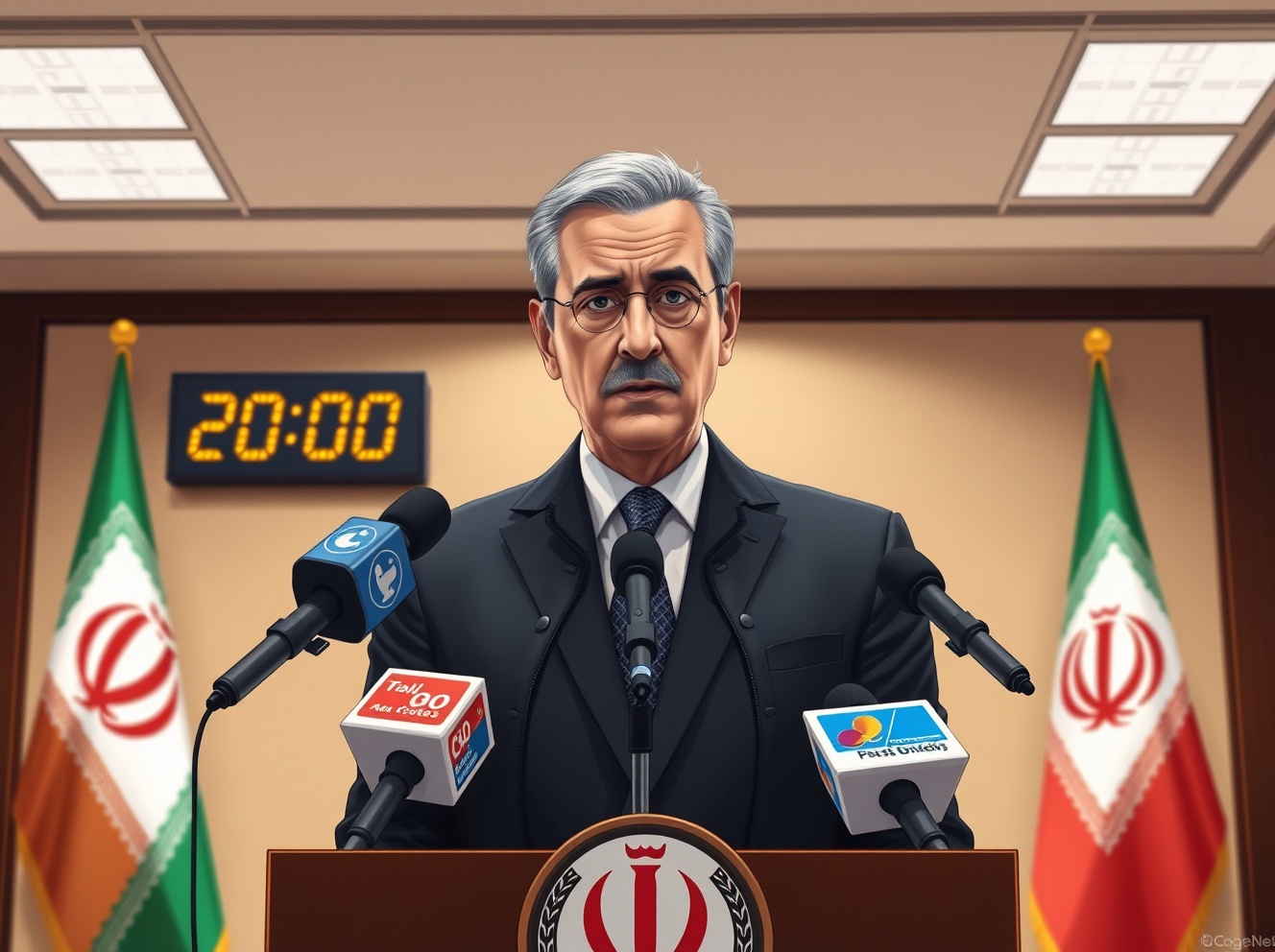
Geopolitical Crisis: Iran’s Chilling 20-Hour Ultimatum to Trump Threatens Allies with ‘Palaeolithic Age’ Retaliation
TEHRAN, Iran – March 15, 2025 – Iranian officials have issued a stark 20-hour ultimatum to former U.S. President Donald Trump, threatening severe retaliation against his allies if he fails to comply with unspecified demands. Consequently, this unprecedented geopolitical crisis has escalated regional tensions dramatically. Moreover, the Iranian government specifically warned that failure to meet their conditions would push allied nations into what they termed a “palaeolithic age” of consequences. Therefore, international observers now monitor the situation with growing concern about potential global repercussions.
Iran Trump Ultimatum Sparks International Alarm
The Iranian Foreign Ministry delivered the formal ultimatum through official channels early Friday morning. Specifically, government spokesperson Ali Reza confirmed the 20-hour deadline during a televised press conference. Furthermore, he stated that former President Trump must “surrender to international justice” for actions taken during his administration. However, Reza provided no specific details about the surrender mechanism or location. Meanwhile, security analysts immediately began assessing the practical implications of this demand.
International reactions arrived swiftly from multiple capitals. For instance, the United Nations Secretary-General called for immediate de-escalation and diplomatic dialogue. Additionally, European Union foreign policy chiefs convened an emergency session in Brussels. Conversely, former U.S. officials familiar with Trump’s security protocols expressed skepticism about the ultimatum’s feasibility. Nevertheless, regional experts warn that the rhetoric alone could destabilize already fragile Middle Eastern security arrangements.
Historical Context of Iran-U.S. Relations
This current crisis represents the latest chapter in decades of strained relations. Notably, tensions intensified significantly after the Trump administration withdrew from the Joint Comprehensive Plan of Action in 2018. Subsequently, the U.S. reimposed severe economic sanctions that crippled Iran’s economy. Meanwhile, Iran gradually resumed nuclear activities previously limited by the agreement. Consequently, this cycle of escalation has created persistent regional instability.
The relationship timeline reveals several critical inflection points:
- 2018: U.S. withdraws from nuclear deal, imposes maximum pressure sanctions
- 2020: U.S. drone strike kills Iranian General Qasem Soleimani
- 2021: Indirect negotiations resume in Vienna under new U.S. administration
- 2023: Nuclear talks stall amid domestic protests in Iran
- 2024: Regional proxy conflicts intensify across Middle East
- 2025: Current ultimatum crisis emerges
Regional security experts note that the “palaeolithic age” terminology represents a significant rhetorical escalation. Previously, Iranian officials typically employed more conventional diplomatic language. However, this shift suggests either calculated brinkmanship or genuine policy transformation. Therefore, intelligence agencies worldwide now analyze communication patterns for strategic insights.
Military and Economic Implications Analysis
Security analysts immediately examined potential “palaeolithic age” interpretations. Primarily, the phrase suggests severe technological and economic regression for targeted nations. Specifically, this could involve comprehensive cyber attacks on critical infrastructure. Furthermore, it might indicate disruptions to global supply chains through strategic chokepoints. Meanwhile, energy market analysts already observe volatility in oil futures pricing.
The Strait of Hormuz represents a particularly vulnerable flashpoint. Approximately 20% of global oil shipments transit this narrow waterway daily. Consequently, any Iranian action there would immediately impact energy markets worldwide. Additionally, regional shipping insurance premiums have increased by 15% since the ultimatum announcement. Therefore, commercial shipping companies now reroute vessels as a precautionary measure.
Diplomatic Channels and Crisis Management
Multiple diplomatic initiatives launched simultaneously following the ultimatum. For example, Swiss officials offered mediation through their protecting power mandate. Meanwhile, Omani diplomats initiated backchannel communications with both parties. Additionally, Chinese and Russian foreign ministries issued joint statements urging restraint. Nevertheless, these efforts face significant challenges given the compressed timeframe.
The 20-hour deadline creates particular complications for crisis management. Typically, complex diplomatic negotiations require days or weeks for substantive progress. However, this accelerated timeline pressures all parties toward rapid decision-making. Consequently, miscalculation risks increase substantially during such compressed processes. Therefore, military establishments worldwide have elevated readiness levels as a precaution.
International law experts debate the ultimatum’s legal standing. Specifically, they question whether nations can legitimately demand surrender from former officials. Furthermore, they analyze potential violations of sovereignty principles. Meanwhile, human rights organizations express concern about due process considerations. Nevertheless, geopolitical realities often override legal technicalities during such crises.
Regional Ally Perspectives and Calculations
Middle Eastern nations referenced as “allies” maintain cautious public positions. For instance, Saudi Arabian officials emphasize regional stability in their statements. Similarly, United Arab Emirates diplomats highlight economic continuity priorities. Meanwhile, Israeli security cabinet meetings continue through the night. Consequently, regional military deployments show increased activity across multiple theaters.
The following table illustrates key regional military assets near potential conflict zones:
| Country | Naval Assets (Persian Gulf) | Air Defense Systems | Cyber Warfare Units |
|---|---|---|---|
| Iran | Fast attack craft, submarines | Bavar-373, S-300 | Cyber Defense Command |
| United States | Carrier strike group | Aegis, Patriot batteries | Cyber Command |
| Saudi Arabia | Eastern Fleet vessels | Patriot, THAAD | Information Operations |
Economic analysts project significant market impacts regardless of the ultimatum’s outcome. Already, global stock indices show increased volatility. Furthermore, safe-haven assets like gold and government bonds experience heightened demand. Meanwhile, cryptocurrency markets demonstrate unusual correlation with traditional risk assets. Therefore, financial institutions worldwide implement contingency plans for various scenarios.
Conclusion
The Iran Trump ultimatum represents a dangerous escalation in geopolitical tensions with global implications. This 20-hour deadline creates unprecedented pressure on diplomatic systems and crisis management protocols. Moreover, the threatened “palaeolithic age” retaliation against allies introduces severe regional security concerns. Consequently, international observers monitor developments with intense scrutiny as the clock continues counting down. Ultimately, this crisis underscores the fragile nature of global stability in an increasingly multipolar world.
FAQs
Q1: What specific actions does Iran demand from former President Trump?
Iranian officials demand Trump’s surrender to “international justice” but provide no specific mechanism, location, or judicial body details. The ambiguity complicates potential compliance and diplomatic resolution.
Q2: Which countries qualify as “allies” facing potential retaliation?
While Iran hasn’t specified particular nations, analysts typically include Israel, Saudi Arabia, United Arab Emirates, and Bahrain as regional U.S. allies potentially referenced in the warning.
Q3: How might Iran implement “palaeolithic age” consequences practically?
Security experts suggest this could involve comprehensive cyber attacks on critical infrastructure, disruption of shipping lanes, economic warfare, or targeted military actions against regional assets.
Q4: What legal basis exists for demanding a former official’s surrender?
International law experts debate this extensively. While nations can request extradition for prosecutable crimes, unilateral surrender demands without specific charges present legal complexities.
Q5: How are global markets responding to this geopolitical crisis?
Financial markets show increased volatility with oil prices rising 8%, gold appreciating 3%, and regional stock indices declining. Shipping insurance premiums have increased significantly as companies implement contingency plans.
This post Geopolitical Crisis: Iran’s Chilling 20-Hour Ultimatum to Trump Threatens Allies with ‘Palaeolithic Age’ Retaliation first appeared on BitcoinWorld.


You May Also Like

Next Crypto Alert? 19K Investors Follow This $0.04 Altcoin

LIVE: Senate hearing on impact of oil price hike on farmers, fishers




