XRP vs Bitcoin Comparison: Speed, Utility, and What Each One Actually Does
- Bitcoin was created in 2009 as a decentralized store of value; XRP launched in 2012 specifically to make cross-border payments faster and cheaper for financial institutions.
- XRP settles transactions in 3–5 seconds at fractions of a cent, while Bitcoin averages around 10 minutes per confirmation with variable fees.
- Bitcoin has a hard cap of 21 million coins enforced by proof-of-work mining; all 100 billion XRP tokens were pre-mined at launch.
- U.S. spot Bitcoin ETFs have attracted over $100 billion in assets under management, reflecting Bitcoin's position as the market's institutional anchor asset.
- XRP is not designed to replace Bitcoin — its value depends on real-world payment adoption, not scarcity.
- Both assets now have spot ETFs and regulatory clarity in the U.S., but they serve fundamentally different roles in the crypto ecosystem.
Why XRP and Bitcoin Are Always Compared
Bitcoin vs XRP: Built for Different Worlds
Bitcoin — The Original Store of Value
XRP — Built for the Banking System, Not Against It
XRP vs Bitcoin Transaction Speed and Cost — The Numbers
XRP Utility vs Bitcoin: Where Each One Actually Lives
What Drives Bitcoin's Value
What Drives XRP's Value
Is XRP the Next Bitcoin?
FAQ
Conclusion
Popular Articles
View More
Will the CLARITY Act Send XRP Past $2? XRP Price Prediction June 2026
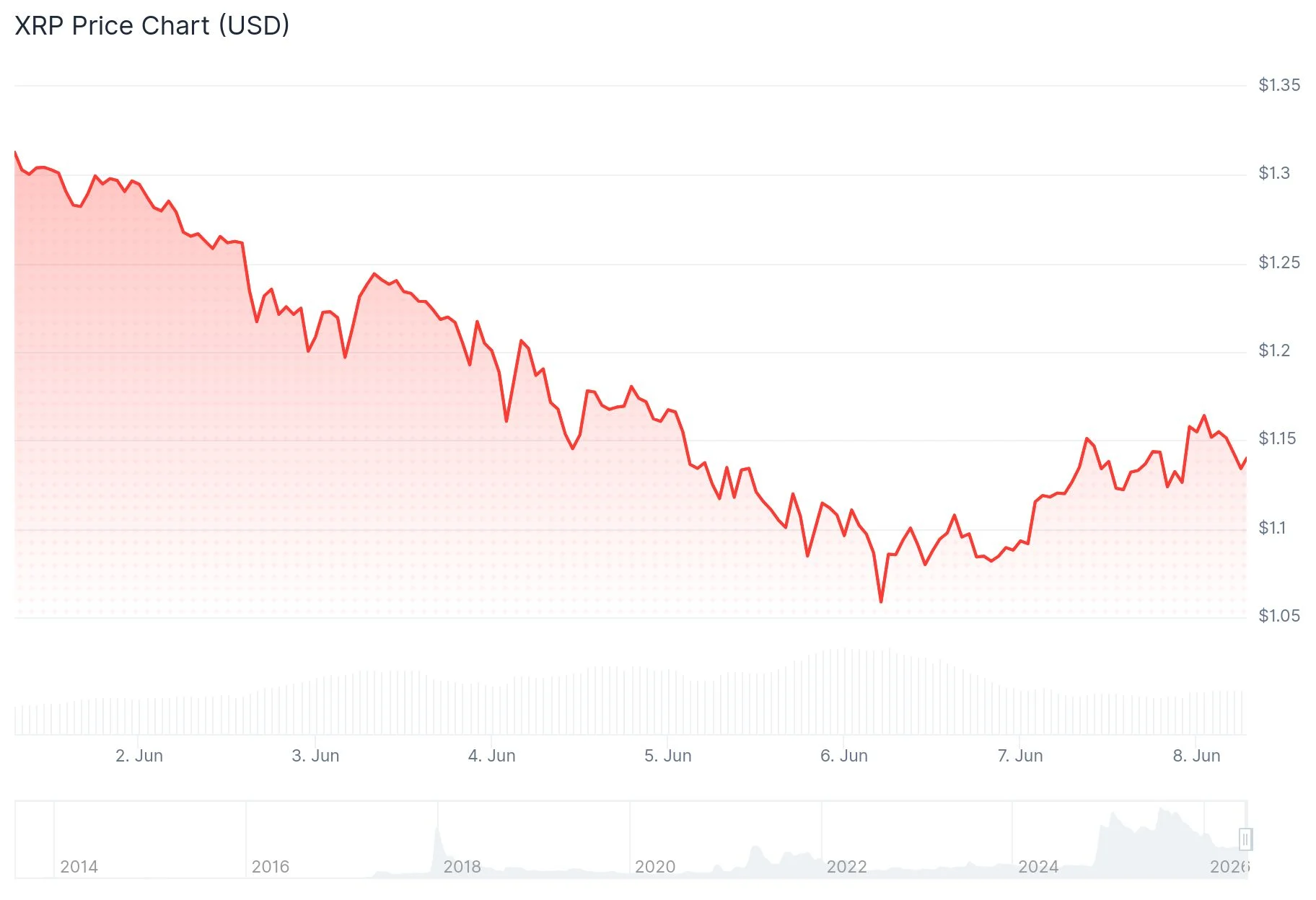
XRP is testing one of the most important price levels it has seen all year. The token dropped to around $1.20 on June 3, breaking through the $1.25 support that had been holding since February 2026.
Why Is XRP Dropping? 4 Key Reasons Behind the Price Down
XRP has puzzled investors as its price continues falling despite major positive developments. While Ripple secured regulatory wins and launched spot ETFs, XRP trades near $1.46, down roughly 60% from
How Many People Own XRP? Complete Ownership Statistics
Wondering how many people own XRP and where you stand among global holders? This guide breaks down XRP ownership statistics using blockchain data and official sources. You'll discover wallet
Hot Crypto Updates
View More
The CLARITY Act Is Closer Than Ever — What It Means for XRP, SOL, and the Next Bull Cycle
The CLARITY Act entered the Senate calendar on June 1, 2026, after a bipartisan 15-9 committee vote. With Lummis pushing for a July 4 floor vote, here's what XRP, SOL, and global crypto traders need
Bitcoin ETFs Lost $1.26B — So Where Did the Money Go?
Bitcoin ETFs bled $1.26B in a single week while HYPE hit a new all-time high and XRP logged its strongest ETF inflow week of 2026. Here's what the rotation data actually tells us about where
CLARITY Act Passes Senate Committee: Bitcoin Reclaims $80K as Crypto Regulation Turns a Corner
The U.S. Senate Banking Committee passed the CLARITY Act 15-9, sending Bitcoin back above $80K. Here's what the landmark crypto legislation means for BTC, ETH, XRP — and what comes next. Overview On
Trending News
View More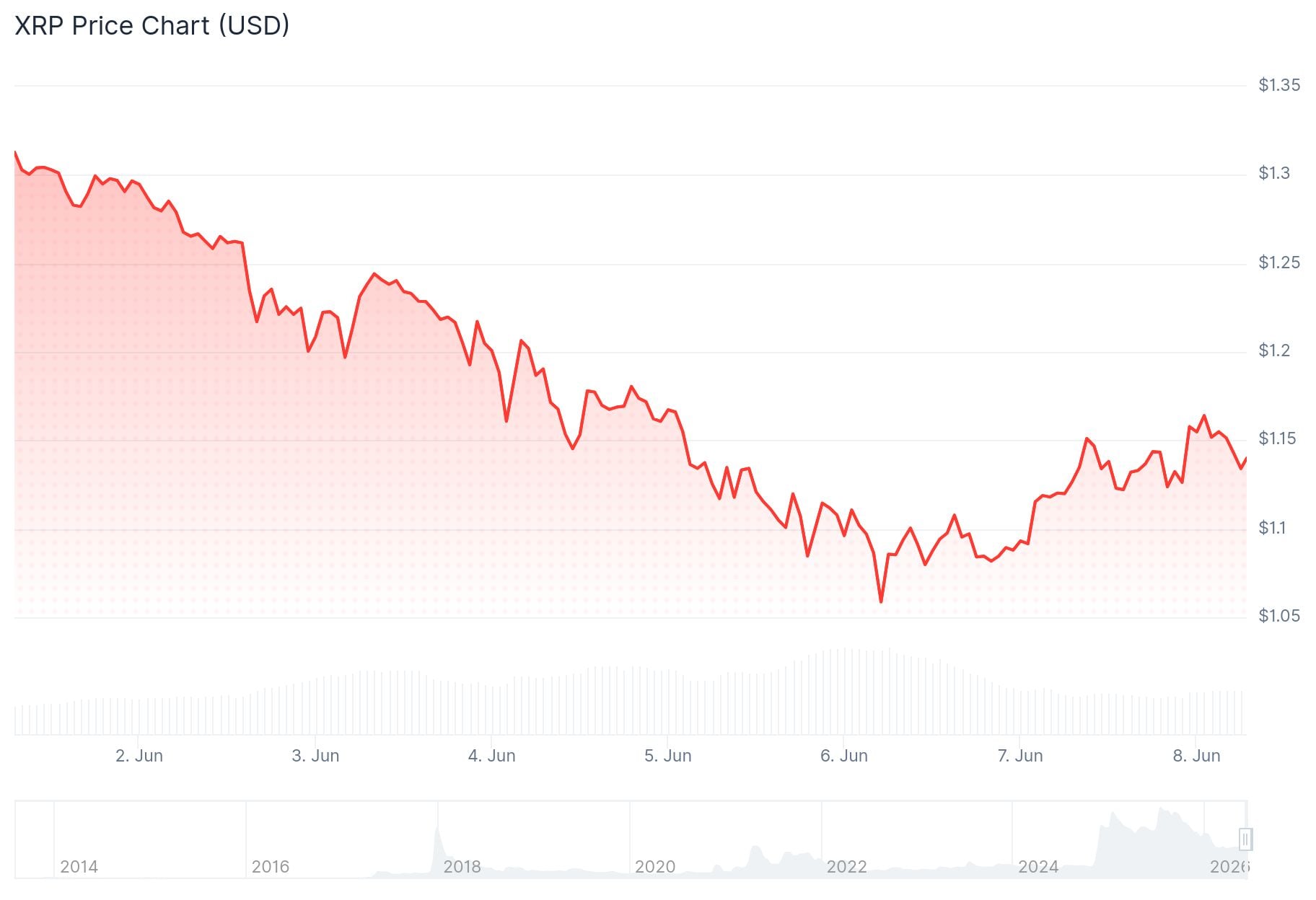
XRP Price: Analyst Says $0.90 Could Be the Best Long-Term Buy Zone — Here’s Why
TLDR XRP is trading at $1.12, up 1.82% in 24 hours with a market cap of $69.45 billion Price broke above a bearish trend line at $1.10 and cleared the 23.6% Fibonacci

Ripple (XRP) Confirmed As Heavyweight Participant In DTCC July 2026 Tokenization Launch
The Depository Trust & Clearing Corporation settles the majority of U.S. securities transactions. It custodies approximately $114 trillion in assets and processes
Related Articles
View More
Bitcoin Mining Farm Explained: ASIC Miners, Costs, and How BTC Gets Made
If you've ever wondered where Bitcoin actually comes from, the answer starts inside a Bitcoin mining farm.These are industrial-scale facilities packed with thousands of specialized computers running a
Bitcoin Options Explained: Calls, Puts, Expiry, and How to Trade BTC Options
Bitcoin options are one of the most powerful — and most misunderstood — tools in crypto trading.Whether you want to hedge your BTC holdings or speculate on price moves without buying Bitcoin outright,
Does Vanguard Have a Bitcoin ETF? What Investors Need to Know
Vanguard is one of the world's largest asset managers — and for years, it wanted nothing to do with Bitcoin.That changed in December 2025, when the firm reversed course and opened its brokerage platfo