US Stocks Rally as Jan CPI Hits 2.4%: Why the Fed Pivot is Now in Play
The "Soft Landing" is no longer a dream—it is the data.
On Friday, the US Bureau of Labor Statistics (BLS) released the January 2026 CPI report, delivering exactly what Wall Street bulls wanted: Cooler-than-expected inflation combined with rising real wages.
The data shows headline inflation falling to 2.4%, effectively clearing the runway for the Federal Reserve to cut interest rates later this year. Following the release, US stock futures (Nasdaq, S&P 500) surged, while the Dollar Index (DXY) slipped.
For traders on MEXC, this macro shift signals a potential "Risk-On" environment for both Equities and Crypto. Here is the breakdown of the data and how to trade the trend.
The Data: Inflation is Melting, Growth Remains
The January report was a "Goldilocks" print—not too hot, not too cold.
Headline CPI (The Beat): Annual inflation fell to 2.4%, coming in below the market expectation of 2.5% and significantly lower than December's 2.7%.
Monthly Momentum: Prices rose just 0.2% month-over-month, undershooting forecasts of 0.3%.
Core CPI (The Trend): Excluding volatile food and energy, Core CPI dropped to 2.5%, the lowest level since 2021. While monthly core services showed some stickiness (+0.3%), the broader trend is undeniably downward.
Why this matters:
This data proves that the disinflationary process is working. Crucially, it is happening without crashing the consumer wallet. Real Average Weekly Earnings jumped 1.9% year-over-year—the fastest growth since March 2021. This means purchasing power is being restored, supporting the economy even as prices cool.
Market Reaction: Bulls Charge, Yields Drop
The market verdict was instant.
Equities: Nasdaq 100 Futures led the rally (+0.13%), followed by the S&P 500 (+0.12%). Tech stocks love lower inflation because it lowers the discount rate on their future earnings.
The Dollar: The DXY index dipped (-0.03%), reacting to lower yield expectations.
Fed Odds: Traders are now pricing in a 50% probability of a third rate cut this year. The fear of "High for Longer" is fading.
The Macro Picture: Why Stocks Are a Buy
The January CPI report was the missing puzzle piece. When combined with other recent data, a clear picture emerges:
Labor Market: Resilient (Jobless claims low).
Consumer: Cautious but earning more (Real wages +1.9%, though Retail Sales are soft).
Housing: Cooling (Providing future disinflationary pressure).
The Conclusion: The Fed has room to cut rates to support the slowing housing and retail sectors without worrying about reigniting inflation. This "Insurance Cut" scenario is historically the most bullish setup for stocks.
Conclusion
The January CPI report confirms that the inflation fight is entering its final chapter. With Core CPI at 2021 lows and real wages rising, the stage is set for a supportive Fed policy in 2026.
Don't watch the rally from the sidelines. Use MEXC's 0-Fee Event (on select pairs) to position yourself for the next leg up in US Stocks and Crypto.
[Trade US Stocks & Crypto on MEXC Now]
⚠️ Professional Risk Disclosure
Sticky Services:
While headline data is good, Core Services inflation remains sticky (+0.3% MoM). If this re-accelerates in February, the Fed may pause rate cuts, causing a market correction.
Data Volatility:
Macro trading involves significant risk. Ensure you use stop-losses to protect against sudden reversals in Fed policy expectations.
Not Financial Advice:
This article is based on BLS data and market analysis. It does not constitute investment advice.
Popular Articles
View More
Who Is Fred Krueger? The Bitcoin Bull Behind the Power Law
Most Bitcoin bulls argue from gut feeling. Fred Krueger argues from a spreadsheet. A Stanford-trained mathematician and former Wall Street prop trader, Krueger has become one of the most analytically

Will Bitcoin Crash to $61,000 or Surge to $82,800? BTC Price Prediction June 2026
Bitcoin entered June 2026 not with a drift, but with a drop. In a matter of days, BTC slid from above $70,000 to $66,000, erasing weeks of recovered ground and reopening a debate that many thought

How to Use Technical Indicators in Stock Trading: When MACD, RSI, and Moving Averages Help (or Trap You)
For many beginner traders, discovering technical indicators feels like finding a cheat code to the stock market. You load up a chart, overlay the MACD, add an RSI, plot three moving averages, and

Hot Crypto Updates
View More
Bitcoin Nears $58,000 on Kalshi: Is the ETF Bleed Dragging Bulls to Their Knees?
Overview Bitcoin (BTC) has been under sustained pressure throughout June 2026, trading below $63,000 and sitting more than 50% below its October 2025 all-time high of $126,198. On the regulated U.S.
DOGE Bulls Eye a Key Breakout — Is $0.126 the Next Stop?
Dogecoin (DOGE) is coiling below critical $0.1028 resistance with Bollinger Bands at a two-year squeeze and whale wallets absorbing 500M+ tokens. Full technical and on-chain breakdown inside. Key

Find GSYS Breakouts in Sideways Markets
Understanding Sideways Markets Sideways markets in cryptocurrency trading are defined by price movement within a confined range, where neither bulls nor bears dominate, resulting in reduced

MoneyGram Becomes a Solana Validator When Traditional Remittance Companies Start Building Blockchain Infrastructure
MoneyGram has officially become a validator on the Solana network, marking a new milestone in the blockchain strategy of one of the world's largest money transfer companies. The move comes just weeks
Trending News
View More
dogwifhat (WIF) Price Rebounds Into Key Supply Zone — Can Bulls Trigger a 30% Breakout?
The post dogwifhat (WIF) Price Rebounds Into Key Supply Zone — Can Bulls Trigger a 30% Breakout? appeared first on Coinpedia Fintech News The dogwifhat price is
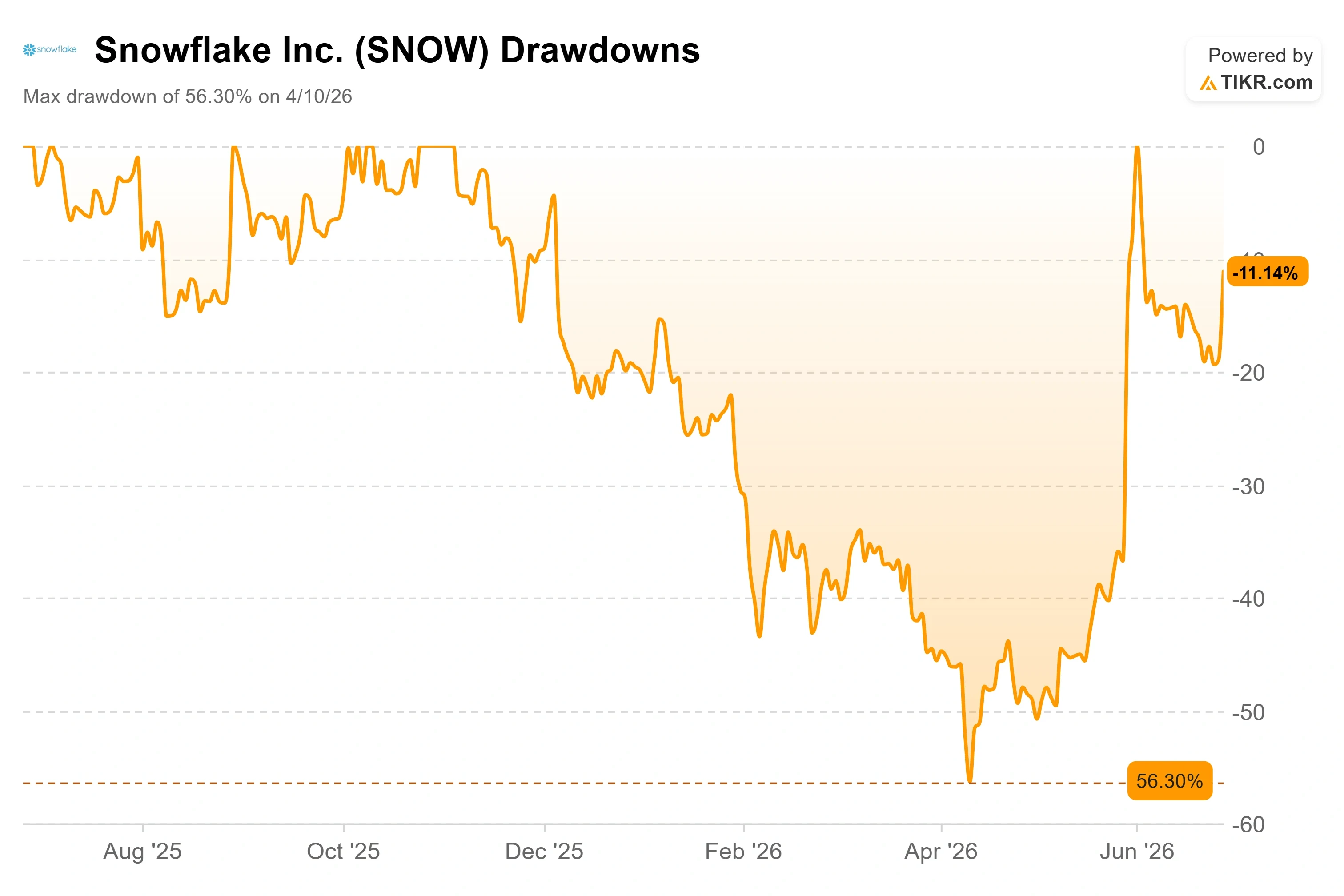
Snowflake Broke Out to $249 as the AI Data Thesis Reignites. Here’s Where the Stock Could Go in 2026
Snowflake closed up 9.65% on Friday, breaking a tight weekly range as bulls rallied around a retail media win that puts its Data Clean Rooms in front of 250 million


Related Articles
View More
Micron Earnings: What MU Results Mean for AI, Chips, and Traders
Quick AnswerMicron earnings matter because the company sits at the center of the memory-chip market, supplying DRAM, NAND, and high-bandwidth memory used across data centers, AI infrastructure, smartp
Amazon Prime Day 2026: Retail, Tech, and AMZN Market Impact
Quick Answer Amazon Prime Day 2026 ran from June 23 to June 26, making it a four-day shopping event for Prime members. For consumers, the event was mainly about discounts across categories such as ele

Q2 2026 Earnings Preview: The Biggest Earnings Season Since the AI Revolution — Five Critical Takeaways for Retail Investors
The Q2 2026 earnings season has officially kicked off. This is not just another ordinary earnings cycle - it may be the most important and decisive earnings season since the rise of the artificial int