Turkey Crypto Tax 2026: Complete Guide and Proposed Rates
Key Takeaways:
- Proposed Tax Rate: 10% withholding on licensed exchanges (adjustable from 0-20% by the President).
- Filing: March 31 annual filing requirement for self-reported foreign gains.
- Method: First In, First Out (FIFO) calculation and same-asset loss offsetting.
- Requirement: e-Devlet tax ID mandatory.
If you trade or hold cryptocurrencies in Turkey, it is important to understand the latest proposed tax regulations for 2026. As of March, 2026, a new draft bill has passed committee and awaits full parliamentary approval, so these rules are pending rather than fully enacted law. This guide explains the proposed rules to help you prepare to meet your tax obligations correctly.
Table of Contents
- Overview of 2026 Crypto Tax in Turkey Rules
- Taxpayer Categories: Full vs. Limited
- Crypto Tax in Turkey: Taxable Events and Rates
- Licensed Platforms vs. Foreign Exchanges
- Exemptions and Deductions
- Step-by-Step Filing Process
- Record-Keeping Essentials
- Deadlines and Penalties
- Tools and Tips for Compliance
- Conclusion
- Frequently Asked Questions
Overview of 2026 Crypto Tax in Turkey Rules
The Turkish government has proposed an updated approach to taxing digital assets in 2026. For investors comparing crypto tax by country 2026, it is important to note that under Capital Markets Law No. 6362 and the updates introduced in the March 2026 draft bill, cryptocurrencies are treated as taxable assets. The government proposes a 10% withholding tax on net profits from exchanges licensed by the Capital Markets Board (SPK), though the President holds the authority to adjust this rate between 0% and 20%.
In addition, there is a 0.03% transaction tax applied to sales and transfers to help fund regulatory oversight. While some reports suggest new security mandates for platforms, specific cold wallet storage requirements remain unconfirmed in the current draft. Residents who stay in Turkey for more than six months must report worldwide gains, while short-term visitors are only taxed on local profits. For example, if an investor buys Bitcoin for ₺2 million and sells it for ₺3 million on a licensed platform, approximately ₺100,000 will be withheld automatically by the platform on a quarterly basis, potentially eliminating the need for an annual filing for those specific gains.
Taxpayer Categories: Full vs. Limited
Your tax responsibilities depend on your residency status in Turkey. The tax system divides taxpayers into two main groups based on residency, a common global standard similar to the physical presence tests used for crypto tax in Portugal and other jurisdictions. Full taxpayers are individuals who live in Turkey for more than 183 days in a calendar year. They are required to declare all cryptocurrency income generated globally, specifically self-reporting any foreign exchange gains, by March 31.
Limited taxpayers are those who live in Turkey for less than 183 days. They only need to report profits that are connected to Turkish platforms. All taxpayers, including foreigners using Turkish exchanges, must obtain a GİB (Revenue Administration) tax ID through the e-Devlet portal.
Crypto Tax in Turkey: Taxable Events and Rates
Taxes apply to specific cryptocurrency transactions, but not to simply holding assets. Activities such as trading, mining, staking, and converting crypto to fiat currency are considered taxable events. Having these crypto tax triggers and rules explained ensures you recognize exactly when a realization event occurs, such as spot trades (exchanging Bitcoin for USDT), receiving mining rewards, and acquiring airdrops.
If you use a licensed platform, a 10% tax is automatically withheld from your trades. The proposal currently focuses on this flat 10% withholding rate for gains, including staking and mining, rather than progressive income tax rates. Understanding how capital gains vs income tax applies to your specific portfolio can help clarify your overall tax burden.
Important taxable actions include spot trades (such as exchanging Bitcoin for USDT), receiving mining rewards, and acquiring airdrops. Simply holding cryptocurrency does not trigger a tax event until you sell or trade it. Additionally, there is no Value Added Tax (VAT) applied to direct cryptocurrency swaps.
Licensed Platforms vs. Foreign Exchanges
The exchange you use determines how your taxes are processed and reported. Platforms licensed under Communiqué III-35/B.2 manage tax reporting automatically on a quarterly basis, while users of foreign exchanges must handle it themselves annually.
| Feature | Licensed Platforms (SPK-Approved) | Foreign Exchanges |
| Tax Withholding | 10% automatic deduction (quarterly) | Manual self-reporting required |
| Accounting Method | Platform calculates FIFO | User must calculate FIFO |
| Security Rules | Pending SPK security guidelines | Variable security standards |
| Tax Filing | Often requires no additional filing | Annual filing required by March 31 |
Exemptions and Deductions
Taxpayers can reduce their taxable income through certain allowable deductions and exemptions. Under the proposed framework, pure holding remains tax-free, though specific minor exemption thresholds for gifting are not yet confirmed in the draft.
When calculating your profits, you can deduct the original purchase costs and platform fees. Turkey uses the First In, First Out (FIFO) method, meaning the oldest coins you purchased are considered the first ones sold. Additionally, losses can be used to offset gains from the same asset within the same tax year. For example, if you sell a portion of your cryptocurrency, you will subtract the cost of your earliest purchases from the sale price to determine your exact taxable gain.
Step-by-Step Filing Process
Filing your cryptocurrency taxes involves tracking your transactions and submitting data to the tax authority.
- Register: Obtain a tax ID using the e-Devlet system with your ID and phone number.
- Gather Data: Export your transaction history (CSV files) from all foreign exchanges you use.
- Calculate Gains: Use the FIFO method to find your profit by subtracting the original cost from the sale price.
- Submit Forms: Upload your calculations through the GİB online portal and pay any tax balance for your non-withheld income.
- Meet the Deadline: All filings for the previous year’s foreign gains must be completed by March 31.
Record-Keeping Essentials
Maintaining detailed records is necessary to prove your calculations during a potential tax audit. The GİB actively cross-checks user data with exchange platforms. You must record the dates, trade volumes, and prices for every transaction. It is considered best practice to use official exchange rates from the Central Bank of the Republic of Turkey (TCMB) for your fiat conversions. Important records to keep include screenshots of transactions, wallet addresses, and records of fiat deposits or withdrawals. Spreadsheet software or specialized tax calculation programs can help you manage this data effectively.
Deadlines and Penalties
Failing to file your taxes on time can lead to significant financial consequences. The annual deadline to report non-withheld cryptocurrency income is March 31. If you miss this date, the government applies the standard Turkish tax penalty of a 1.6% monthly interest rate on the unpaid amount. In addition, fines for non-compliance can reach up to 300% of the original tax owed.
Tools and Tips for Compliance
Several resources are available to help individuals calculate and submit their taxes accurately. The GİB portal is a free online tool suitable for basic tax filing. For individuals with more than 10 different assets or complex trading histories, consulting a professional accountant or using dedicated tax software can be beneficial. While future regulations may impose strict capital adequacy requirements on platforms, these are still pending final approval. Reviewing your portfolio quarterly can help prevent calculation errors at the end of the tax year.
Conclusion
Navigating the proposed 2026 cryptocurrency tax regulations in Turkey requires careful record-keeping, a clear understanding of your residency status, and awareness of the specific exchange platforms you utilize. As the proposed 10% withholding tax and March 31 annual filing deadlines await final parliamentary approval, staying informed on the Capital Markets Board (SPK) and Revenue Administration (GİB) guidelines will help ensure accurate reporting. Maintaining detailed transaction histories and consistently applying the proper accounting methods remain essential practices for fulfilling these upcoming tax obligations.
Frequently Asked Questions
Is cryptocurrency legal in Turkey in 2026? Yes. You can legally own and trade digital assets on licensed platforms under SPK regulations. However, using cryptocurrency to pay for goods and services remains prohibited under current rules.
Do I pay tax on cryptocurrency if I do not sell it?
No. Taxes are only applied when a realization event occurs, such as selling or trading. Holding an asset does not trigger a tax liability.
What if I use foreign exchanges?
Full taxpayers must manually report their worldwide cryptocurrency gains by March 31. It is important to export your transaction data regularly to prepare for potential audits.
How is the FIFO method applied to cryptocurrency taxes?
FIFO stands for First In, First Out. If you buy assets in January and June, and sell a portion in December, the tax is calculated based on the purchase price of the January assets.
Are there corporate taxes for cryptocurrency?
Yes. Businesses pay a 25% corporate tax on cryptocurrency profits. This is handled separately from personal income tax, and different rules apply to business partnerships.
Disclaimer: This article is provided by MEXC for general informational and educational purposes only and does not constitute tax, legal, investment, or financial advice. Cryptocurrency tax treatment varies by jurisdiction and individual circumstances, and regulations may change over time. Readers should consult a qualified tax advisor or legal professional regarding their specific situation. MEXC does not guarantee the accuracy or completeness of the information and is not responsible for any decisions made based on this content. This article does not encourage tax avoidance or relocation for tax purposes.
Popular Articles
View More
Open USD Stablecoin (OUSD): Why the New Stablecoin Alliance Matters
Open USD Stablecoin, also referred to as OUSD, has quickly become one of the most important stablecoin stories of 2026. Unlike many new digital assets that begin inside a small crypto-native

Will Europe's Digital Euro Kill the Stablecoin Market? CBDC vs. Bitcoin vs. USDC
On June 23, 2026, the European Parliament's Economic and Monetary Affairs Committee voted to approve the legal framework for a digital euro. What makes the timing extraordinary is what happened

What Is Solana Pay? How It Works and Where You Can Use It
Crypto payments are gaining traction in mainstream commerce, with platforms like Shopify now offering blockchain-based checkout options. This article breaks down everything you need to know about

Hot Crypto Updates
View More
RLUSD, USDe, and USD1: The New Stablecoin Race Heating Up Crypto Markets
For years, the stablecoin market was largely dominated by two names: USDT and USDC. These dollar-pegged digital assets became essential tools for traders, investors, and businesses seeking stability
Coinbase Just Turned Stablecoin Issuance Into a Product — USDF Is the Proof
Coinbase and Flipcash have launched USDF, a custom USDC-backed stablecoin on Solana, marking the first live deployment on Coinbase's stablecoin-as-a-service platform. Here's what it means for crypto

Why Millions Are Fleeing Fiat for USDT & USDC in 2026
Millions of people across Argentina, Turkey, Venezuela, and Nigeria are ditching local currencies for USDT and USDC. Here's the data-backed breakdown of why — and what it means for the future of

Trending News
View More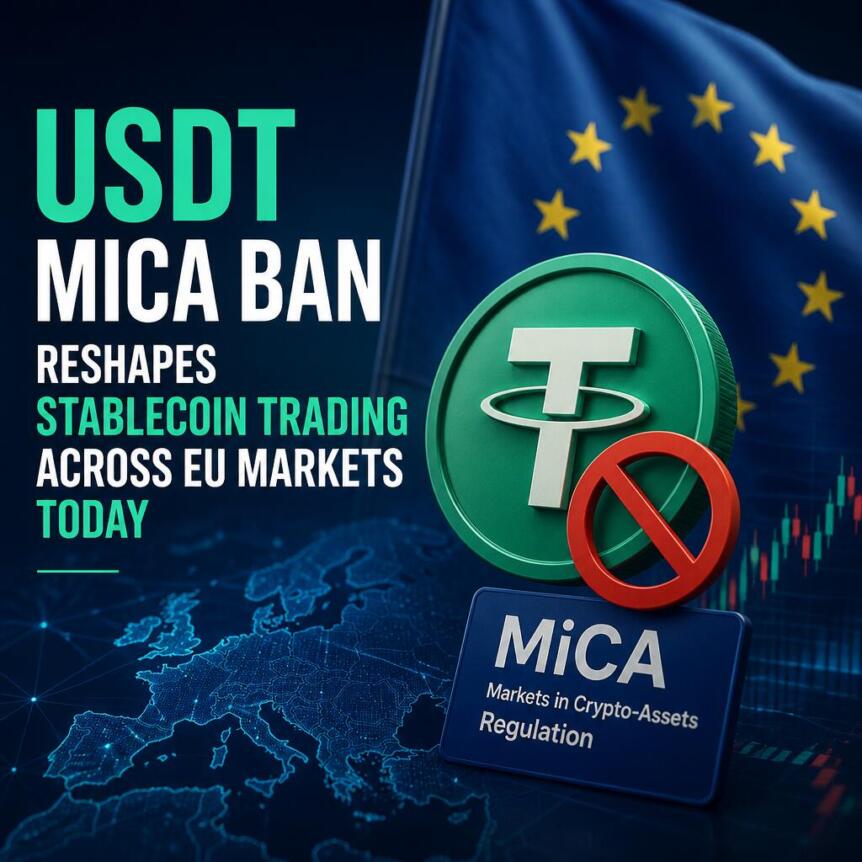
Usdt Mica Ban Reshapes Stablecoin Trading Across Eu Markets Today
MiCA’s July 1, 2026 deadline removes USDT from regulated EU trading venues, pushing liquidity toward USDC, EURC, and other euro-backed tokens under tighter reserve

Is OpenUSD the answer to bank push back on CLARITY? Hints stablecoin yield concessions will fail
The 140-partner model challenges USDC reserve economics while leaving issuer, reserve and redemption tests unresolved. The post Is OpenUSD the answer to bank push


Related Articles
View More
Argentina Crypto Tax Guide 2026: Rates, Rules, and Reporting
Key TakeawaysCrypto capital gains in Argentina are taxed at a flat 15% rate, while crypto income is taxed at progressive rates of 5%–35%.Holding crypto is not taxed, but selling, trading, or earning c

Crypto Tax in Mexico: The Complete 2026 Guide to Rates and Reporting
Mexico continues to see steady cryptocurrency adoption, driven in part by the practical use of stablecoins and cross-border remittances. As digital assets become a more common feature in the Mexican e

Poland Crypto Tax Guide 2026: Taxable Events & PIT-38 Forms
Key Takeaways:Flat 19% Rate: Applies strictly to capital-gain income from disposal for individuals.Tax-Free Swaps: Trading crypto-to-crypto and holding digital assets trigger zero tax liability.Filing