Bitcoin mining remains one of the most discussed topics in cryptocurrency, but many beginners wonder if it's still worth the investment in 2025.
This guide examines whether Bitcoin mining is profitable today by analyzing equipment costs, electricity expenses, network competition, and real-world examples.
You'll learn which factors determine mining success, who can actually profit from mining operations, and whether buying Bitcoin directly might be a smarter choice for most people.
For Bitcoin basics before considering mining, see our comprehensive investment guide.
Key Takeaways:
Bitcoin mining validates transactions and creates new BTC through computational work, rewarding miners with 3.125 BTC per block.
Mining profitability depends on equipment costs ($2,000-$15,000), electricity rates (profitable below $0.05/kWh), and network competition.
Individual home miners struggle to profit due to residential electricity rates ($0.10-0.30/kWh) and intense competition from industrial operations.
Break-even timelines for mining equipment typically extend 2-3 years under stable conditions, which rarely occur in volatile crypto markets.
Large-scale mining farms with cheap electricity (under $0.04/kWh) and bulk hardware discounts dominate profitable mining operations.
Bitcoin mining is the process of validating transactions on the Bitcoin network by solving complex mathematical problems using specialized computer hardware.
The mining process relies on proof-of-work consensus, where miners must expend significant computational power to secure the network and prevent fraud like double-spending. Most miners today join mining pools rather than mining solo, as pools combine computing resources to increase the chances of earning consistent rewards.
Individual miners receive a portion of the block reward proportional to the hash rate they contribute to the pool.
Understanding whether Bitcoin mining is still profitable requires examining several critical variables that directly impact your potential returns.
Mining profitability depends on balancing revenue from block rewards against the substantial costs of equipment, electricity, and ongoing maintenance.
ASIC miners are specialized computers designed exclusively for cryptocurrency mining, with prices ranging from $2,000 to over $15,000 depending on performance specifications.
Complete equipment guide and setup instructions in our Bitcoin mining tutorial.
Popular models like the Antminer S19 Pro and WhatsMiner M30S deliver hash rates between 110-140 TH/s, which measures computational power in trillions of calculations per second.
The price-per-terahash has actually decreased significantly since 2022, dropping from around $80 per TH to approximately $16 per TH in 2025, making newer equipment more accessible.
However, mining hardware depreciates quickly as more efficient models emerge, typically becoming obsolete within three to five years of purchase.
Electricity consumption represents the primary variable cost in mining operations and often determines whether mining remains profitable over time.
A typical ASIC miner consumes between 3,000-3,250 watts running continuously, translating to approximately 72-78 kilowatt-hours daily.
Mining becomes profitable when electricity rates fall below $0.05-0.06 per kWh, though many successful operations access rates as low as $0.02-0.03 per kWh in regions with cheap power.
Residential electricity rates in most countries range from $0.10-0.30 per kWh, making home mining financially unviable for the average person.
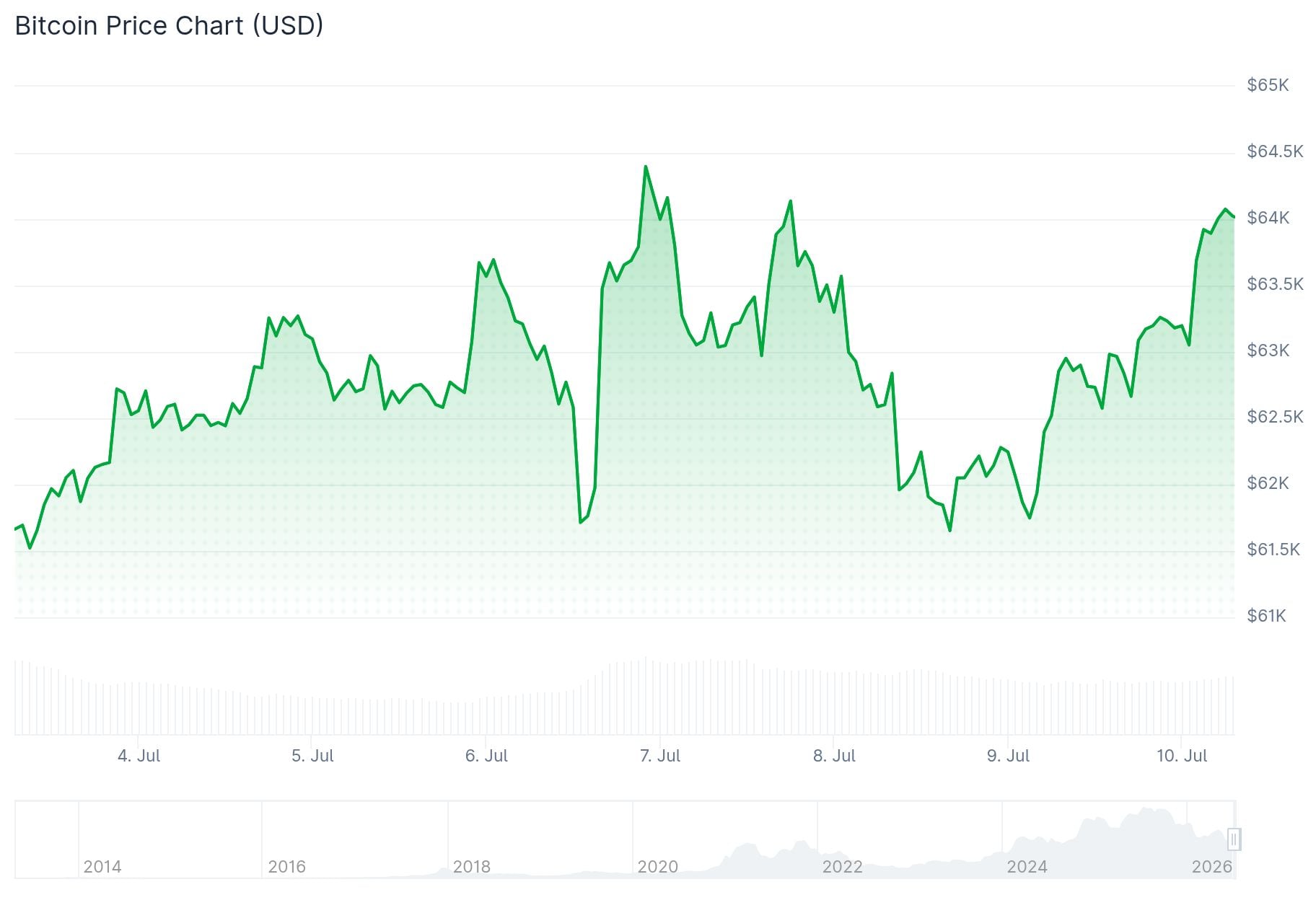
The price of Bitcoin directly influences mining profitability since miners earn rewards denominated in BTC but pay expenses in fiat currency.
When Bitcoin traded above $100,000 in 2024, mining revenues surged, but many miners still faced challenges covering operational costs due to increased network difficulty.
Price volatility creates uncertainty for miners who must decide whether to sell mined Bitcoin immediately to cover expenses or hold coins hoping for future appreciation.
During bear markets, even profitable operations may sell Bitcoin at lower prices to service debt obligations and maintain cash flow for ongoing expenses.
Bitcoin's network automatically adjusts mining difficulty every 2,016 blocks (approximately two weeks) to maintain an average block time of 10 minutes.
As more miners join the network and total hash rate increases, the difficulty rises proportionally, making it harder for individual miners to earn rewards.
The global Bitcoin hash rate has reached all-time highs in recent years, representing enormous computational power competing for the same fixed block rewards.
Industrial mining operations with thousands of machines now dominate the network, making it nearly impossible for individual miners to compete profitably without joining pools.
Solo mining Bitcoin with individual hardware has become statistically improbable due to the massive global hash rate competing for each block reward.
Mining pools aggregate hash rate from thousands of participants, distributing rewards proportionally based on each miner's contributed computing power.
Pool fees typically range from 2-4% of earnings, with popular pools like F2Pool, AntPool, and ViaBTC offering different payout structures and minimum thresholds.
The Pay-Per-Share (PPS+) model provides consistent daily payouts regardless of whether the pool mines a block, reducing variance and making income more predictable.
Examining concrete scenarios with actual equipment specifications helps determine whether Bitcoin mining is profitable for different types of operations.
Consider an Antminer S19 XP with 140 TH/s hash rate consuming 3,031 watts of power purchased for approximately $4,650 in current market conditions.
Running continuously at $0.13 per kWh electricity rates generates daily costs of approximately $9.58 for power alone before accounting for pool fees or maintenance.
The break-even timeline to recover the initial $4,650 hardware investment extends to 660-900 days assuming stable conditions, which rarely occur in cryptocurrency markets.
Large-scale mining farms achieve profitability through economies of scale, accessing wholesale electricity rates below $0.03-0.04 per kWh unavailable to residential miners.
Professional operations also negotiate favorable terms when selling mined Bitcoin, sometimes receiving above-spot prices through OTC desks with minimal transaction fees.
Industrial facilities optimize cooling systems, reduce downtime through on-site technicians, and leverage bulk purchasing discounts for mining hardware that individual miners cannot access.
Home miners face residential electricity rates that immediately eliminate profit margins, with most paying $0.10-0.20 per kWh or higher for power.
Additional costs including cooling requirements, noise reduction, equipment maintenance, and internet connectivity further erode potential returns for small-scale operations.
Most online mining profitability calculators show negative returns or multi-year payback periods for home setups, making direct Bitcoin purchase more economical for average individuals.
Bitcoin mining profitability in 2025 depends heavily on access to specific resources and infrastructure that most individual investors lack.
Large-scale mining operations with dedicated facilities in regions offering cheap, renewable electricity sources like hydropower remain the most consistently profitable mining entities.
These industrial farms operate thousands of ASIC miners in countries such as the United States, Canada, Iceland, and parts of South America where electricity costs stay below $0.04 per kWh.
Cloud mining and hosted mining solutions provide alternatives for individuals without access to cheap power, though service fees typically reduce overall profitability and require careful vetting to avoid scams.
Miners with access to free or excess electricity, such as those utilizing solar power systems with surplus capacity, can achieve profitability that traditional operations cannot match.
The average person considering cryptocurrency investment will likely find purchasing Bitcoin directly through exchanges like MEXC more practical and profitable than attempting home mining operations.
Mining still makes sense for technically skilled individuals with existing infrastructure, cheap electricity access, and sufficient capital to weather Bitcoin's price volatility and mining difficulty increases.
Is Bitcoin mining still profitable in 2025?
Bitcoin mining remains profitable for operations with access to electricity below $0.05 per kWh and efficient ASIC hardware, though individual home miners typically struggle to profit.
How profitable is Bitcoin mining?
Daily profits range from negative returns to $5-10 per ASIC miner depending on electricity costs, equipment efficiency, Bitcoin price, and network difficulty.
Is mining Bitcoin profitable for beginners?
No, beginners face high equipment costs ($2,000-15,000+), technical complexity, and competition from industrial operations, making direct Bitcoin purchase more suitable.
Is Bitcoin mining profitable at home?
Home mining is rarely profitable due to residential electricity rates ($0.10-0.30/kWh) that exceed the profitability threshold required for sustainable operations.
How long does it take to mine 1 Bitcoin?
Individual miners may never mine a full Bitcoin solo; in pools, earning 1 BTC depends on hash rate contribution but typically requires months to years.
Get specific timeframes in our guide: How long to mine 1 Bitcoin.
Is cloud mining profitable for Bitcoin?
Cloud mining can provide returns but service fees, contract terms, and platform reliability issues often reduce profitability below direct Bitcoin investment returns.
Bitcoin mining can be profitable, but success requires access to industrial-scale resources that most individual investors simply don't have.
The combination of expensive specialized hardware, high electricity consumption, intense global competition, and declining block rewards makes home mining economically unviable for the average person.
Professional operations with cheap electricity, efficient cooling systems, and economies of scale continue profiting, while individual miners face increasingly difficult conditions.
For most people interested in Bitcoin investment, purchasing cryptocurrency directly through platforms like MEXC offers better returns with lower risk and capital requirements than attempting to mine.
Prefer buying over mining? Our ultimate BTC guide covers all investment approaches.