

39 Best Things To Do In Bali (2026): Islands & Temples
Bali’s under 3 hours from Singapore, so here’s how to spend the days you’ve got.
Ask 10 people about Bali, and you’ll get 10 different trips. The trick isn’t finding things to do, it’s picking the right ones for your handful of days and timing them so you’re not stuck in traffic or shoulder-to-shoulder for a photo. This guide sorts the best things to do in Bali by zone, the two day-trips worth the early start, and how to keep you from splurging your well-earned holiday money on extra fees.
| Highlights | Details |
|---|---|
| Flight Duration | Under 3 hours’ flight from Singapore |
| Best time to go | Apr–Oct (dry season); Apr–May and Sep–Oct for fewer crowds |
| How long you need | 5–7 days covers mainland Bali plus one island day-trip |
| Getting around | Scooter (from ~70,000 IDR/~S$5 a day), Grab/Gojek, or a hired driver |
| Don’t miss | A Nusa Penida day-trip, Mount Batur sunrise, Uluwatu Temple at sunset |
| Before you land | Pay the 150,000 IDR (~S$11) tourist levy via the official Love Bali app |
| Pay smart | Tap YouTrip for 0% FX in IDR; first S$400/month of ATM cash is free |
Top Things To Do In Bali At A Glance
| Experience | Best for | Rough cost | Time needed |
|---|---|---|---|
| Nusa Penida day-trip | Dramatic cliffs and beaches | Boat ~150,000–250,000 IDR (~S$11–18) each way | Full day |
| Mount Batur sunrise hike | Sunrise above the clouds | From ~400,000 IDR (~S$29) per person | Pre-dawn half day |
| Uluwatu Temple | Clifftop sunset and Kecak dance | From ~50,000 IDR (~S$4) entry | 2–3 hours |
| Tegalalang Rice Terraces | Photos and a hillside coffee | ~25,000 IDR (~S$2) entry | 1–2 hours |
| Nusa Ceningan | Quiet beach clubs and swings | Free to small fees | Half to full day |
| Beach clubs and cafés | Sunsets, brunch and pool days | Free entry to day-bed minimums | A few hours each |
| Iconic temples | Sunsets, photos and culture | 75,000–100,000 IDR (~S$5–7) each | 1–2 hours each |
Table Of Contents
- Best Time To Visit Bali
- How Many Days Do You Need In Bali?
- Getting Around Bali
- How Much Does A Bali Trip Cost?
- Things To Do In South Bali
- Bali’s Best Beach Clubs And Cafés
- Bali At Night
- Central Bali: Rice Terraces, Waterfalls And A Volcano Sunrise
- Bali’s Most Iconic Temples
- Day Trip: Nusa Penida
- Day Trip: Nusa Ceningan
- Where To Escape The Crowds
- Best Of Bali By Who You’re Travelling With
- Common Bali Scams (And How To Dodge Them)
- Paying In Bali Without The FX Sting
- Bali FAQs
Best Time To Visit Bali
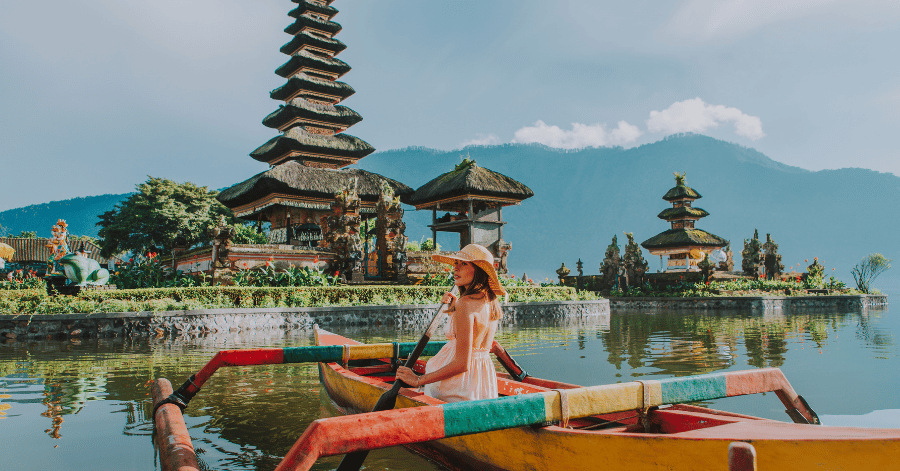
The best time to visit Bali is the dry season, roughly April to October, with April–May and September–October hitting the sweet spot of good weather and thinner crowds.
The wet season (November to March) brings shorter, heavier downpours and, surprisingly, some of the biggest crowds of the year over the Christmas–New Year stretch.
Two things worth knowing if photos are the goal:
- The rice terraces are greenest from around March to May and September to October, and turn brown soon after harvest.
- December through mid-January sees a real surge in visitors, so beach clubs, restaurants and hikes all need pre-booking, and you’ll want to be out early before the roads clog.
If you can only travel during the wet months, build in a backup plan for each day. Beach clubs with covered pools, a cooking or yoga class, or a coffee-tasting farm all hold up fine in the rain.
 Related Guide: Want the month-by-month breakdown? Our best time to visit Bali guide maps the weather, crowds and prices across the year.
How Many Days Do You Need In Bali?
Five to seven days is the sweet spot for a first Bali trip. That’s enough to base yourself in one or two areas, cover the mainland highlights, and still give a full day to one of the Nusa islands without rushing.
Here’s a rough shape:
- 3 days: South Bali only. Pick Uluwatu or Seminyak, do a couple of beaches, one temple and a beach club.
- 5 days: Add the central Bali nature circuit (rice terraces, a waterfall, Ubud) and one island day-trip.
- 7+ days: Slow it down. Add Nusa Ceningan, a quieter region like Sidemen or Munduk, and time to actually sit still.
Bali’s small on the map but slow on the road, so don’t over-pack the itinerary. Two or three things a day is plenty.
Related Guide: Trying to stretch your annual leave further? Our Singapore public holiday 2026 guide shows how to turn long weekends into proper trips.
Getting Around Bali
The cheapest way to get around Bali is a rented scooter, from about 70,000 IDR (~S$5) a day for a basic 110–125cc automatic, more for a bigger or newer bike. It’s also the most useful, since the best spots sit off the main roads where cars crawl.
If you’re not confident on two wheels, the easy alternatives are ride-hailing apps (Grab and Gojek work across most of south and central Bali) or hiring a driver for the day, which usually runs a few hundred thousand rupiah and is worth it for the nature circuit.
Tip: Double the Google Maps ETA and time taken to get to your location, especially in Canggu, Kuta, Ubud and Seminyak after midday. There’s no real public transport, traffic is constant, and an early start saves you hours.
Related Guide: You’ll lean on Grab and Maps the whole trip, so sort data first. Our best travel eSIM guide compares the cheapest options for Singaporeans.
How Much Does A Bali Trip Cost?
A week in Bali costs most travellers around S$1,300 excluding flights, covering comfortable mid-range accommodation, food, a scooter or drivers, and a few paid activities. You can do it for far less as a backpacker, or spend a lot more on private villas and fine dining.
Rough daily budgets, excluding flights:
| Style | Per day | What it covers |
|---|---|---|
| Backpacker | ~S$45 | Hostel or homestay, local warungs, scooter, free beaches |
| Budget | ~S$65 | Private guesthouse room, warungs and cafés, some paid sights |
| Mid-range | ~S$130 | Nice hotel or villa, beach clubs, tours, a driver |
| Luxury | S$260+ | Private villa, fine dining, spa days, private transport |
So yes, about S$1,300 covers a comfortable week, and S$6,500 stretches to a luxe week or two with villas and daily activities for two. Flights from Singapore are an extra cost on top of those budgets, but they’re short and often cheap.
Want it cheaper? Travel in low season (roughly November to March, with February being the cheapest typically), when room rates drop 20–40% and flights ease off. Just pack for the odd downpour. Avoid the December–early January holiday spike, when prices and crowds peak.
Related Guide: The card you pay with quietly changes your trip cost. Our YouTrip vs credit cards comparison breaks down which saves more overseas.
Things To Do In South Bali
South Bali is where most first-timers base themselves, with the airport, the famous beaches, the cliff temples and the beach clubs all within reach. It’s the busiest part of the island, so treat early mornings and late afternoons as your friends.
1. Uluwatu Temple
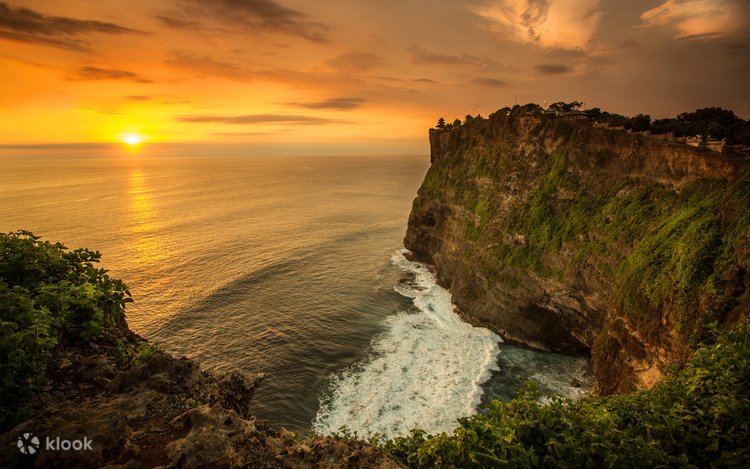
Image Credits: Klook
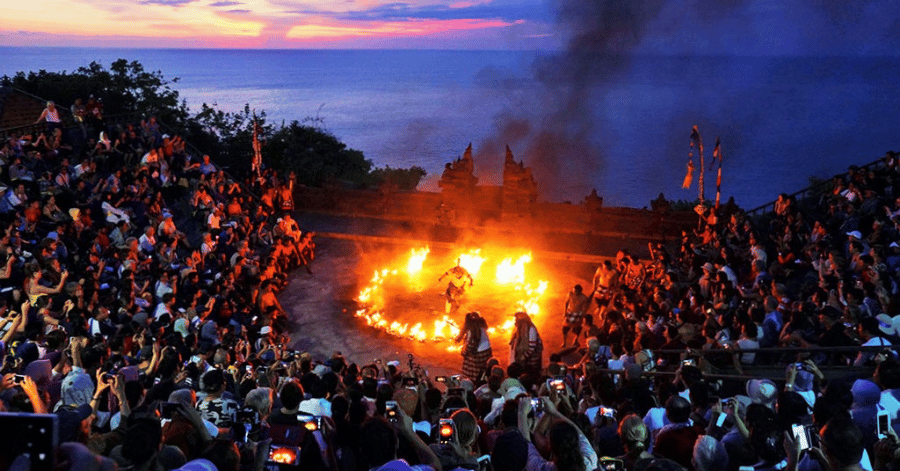
Uluwatu Temple is the one to time for sunset. It’s a Hindu sea temple perched on a cliff about 70 metres above the water, with the best light and the famous Kecak fire dance in the early evening.
Entry is around 50,000–60,000 IDR (~S$4) per adult, and a sarong is included and required, so there’s no need to buy one outside. The Kecak fire dance is a separate ticket (around 150,000 IDR/~S$11, shows from 6 PM).
Keep your phone and sunglasses zipped away. The resident monkeys are quick and well-practised at swiping loose belongings.
2. Kuta And Seminyak
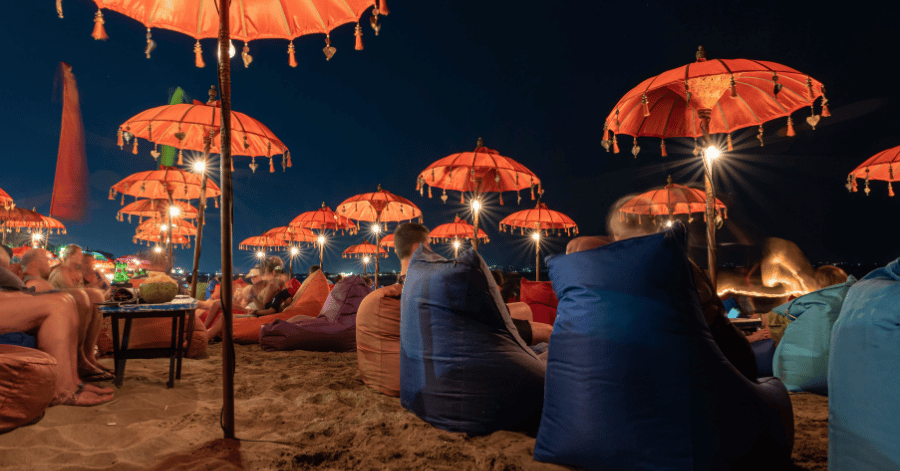
Image Credits: Klook
Kuta and Seminyak are the classic beach-and-dining strip, and they’re better for sunsets, surf schools and dinner than for a quiet swim. Kuta is the budget, beginner-surf, nightlife end; Seminyak is the more polished side with beach clubs, boutiques and a dressier evening crowd.
If a calm, clear-water beach day is what you’re after, the Uluwatu area’s hidden cliff coves deliver that far better than Kuta’s wide, busy main beach.
3. Padang Padang and Suluban Beaches
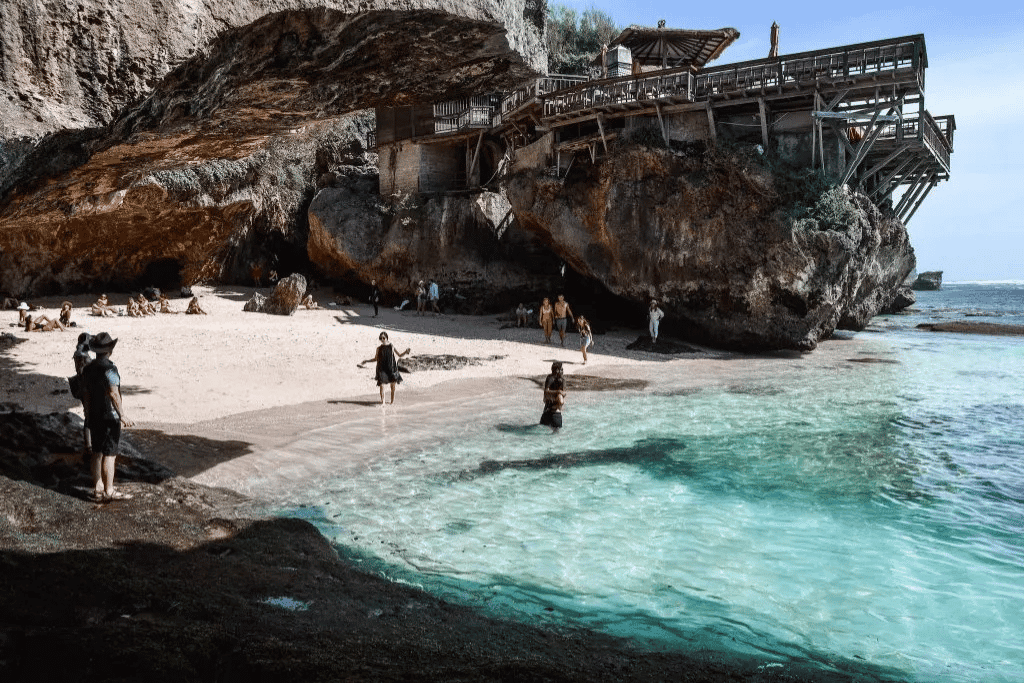
Image Credits: FINNS Beach Club
Uluwatu hides south Bali’s prettiest swimming beaches, tucked under the cliffs. Padang Padang (the “Eat Pray Love” beach) is a tiny, photogenic cove you reach down steps and through a narrow rock crevice, with a small entry fee (around 15,000 IDR/~S$1). Suluban (Blue Point), right below Single Fin, is a dramatic cave-mouth surf beach that all but disappears at high tide.
4. Pandawa Beach
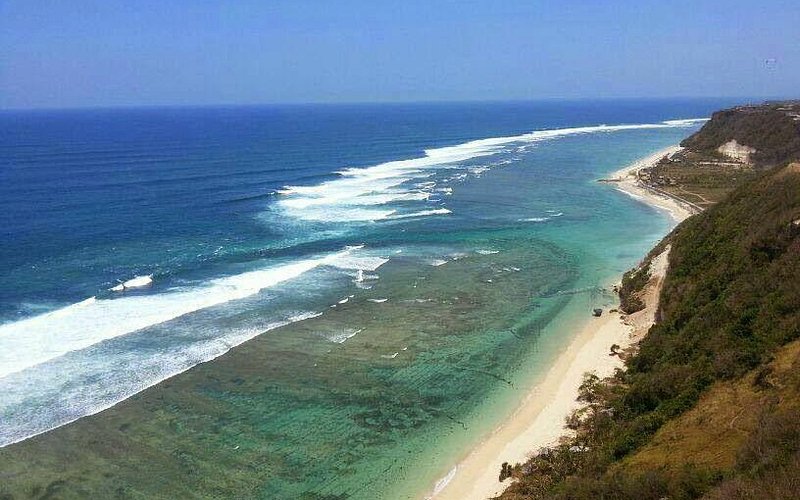
Image Credits: Tripadvisor
Pandawa is the long, calm, white-sand beach near Nusa Dua, carved out below towering limestone cliffs. It’s one of the south’s best for an easy swim, with gentle water, loungers and a small entry fee (around 15,000 IDR/~S$1) plus parking. Quieter than Kuta, and a good shout for families.
Related Guide: Surfing, scooters and cliff stairs all carry a bit of risk. Our travel insurance Singapore guide compares plans that cover adventure activities.
Bali’s Best Beach Clubs And Cafés
Half the Bali experience happens on a day-bed or over a slow brunch, and the island does both better than almost anywhere. Beach clubs are also the smart move when the surf’s rough or the rain rolls in, since you can swim in a pool instead of fighting the waves. One note for all of them: the big names sell out on weekends and over the holidays, so book a day-bed ahead, and most take card.
5. Finns Beach Club (Canggu)
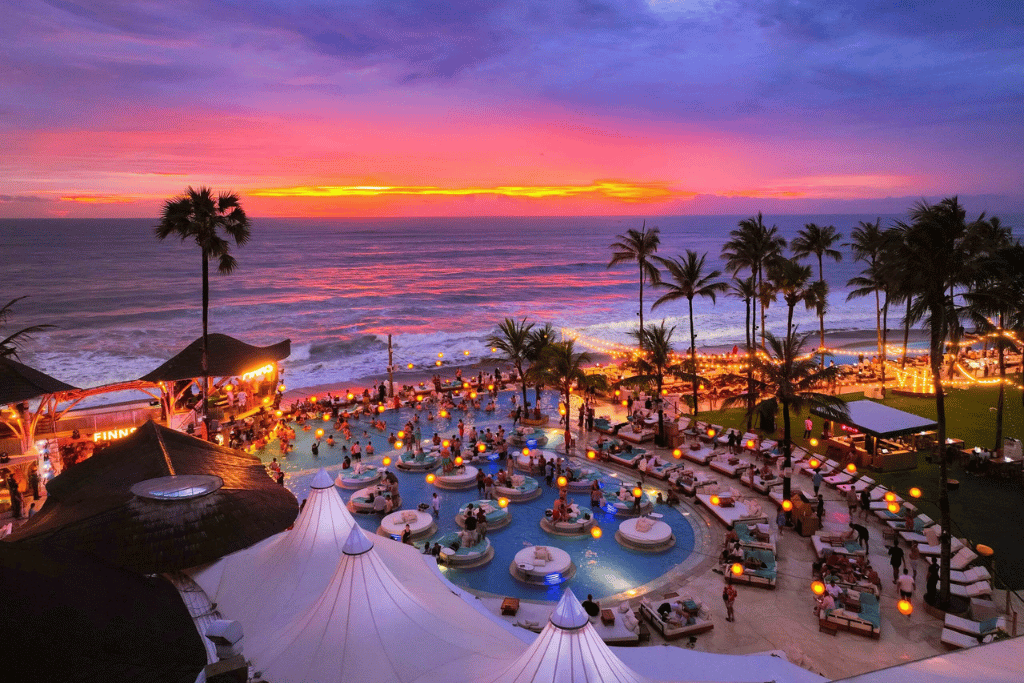
Image Credits: FINNS Beach Club
Finns is the big, high-energy one, a sprawling Canggu club with multiple pools, bars and an all-day party atmosphere. Pick it if you want buzz, music and a proper scene rather than a quiet swim. Expect a day-bed minimum spend, and book ahead for weekends.
6. La Brisa (Canggu)
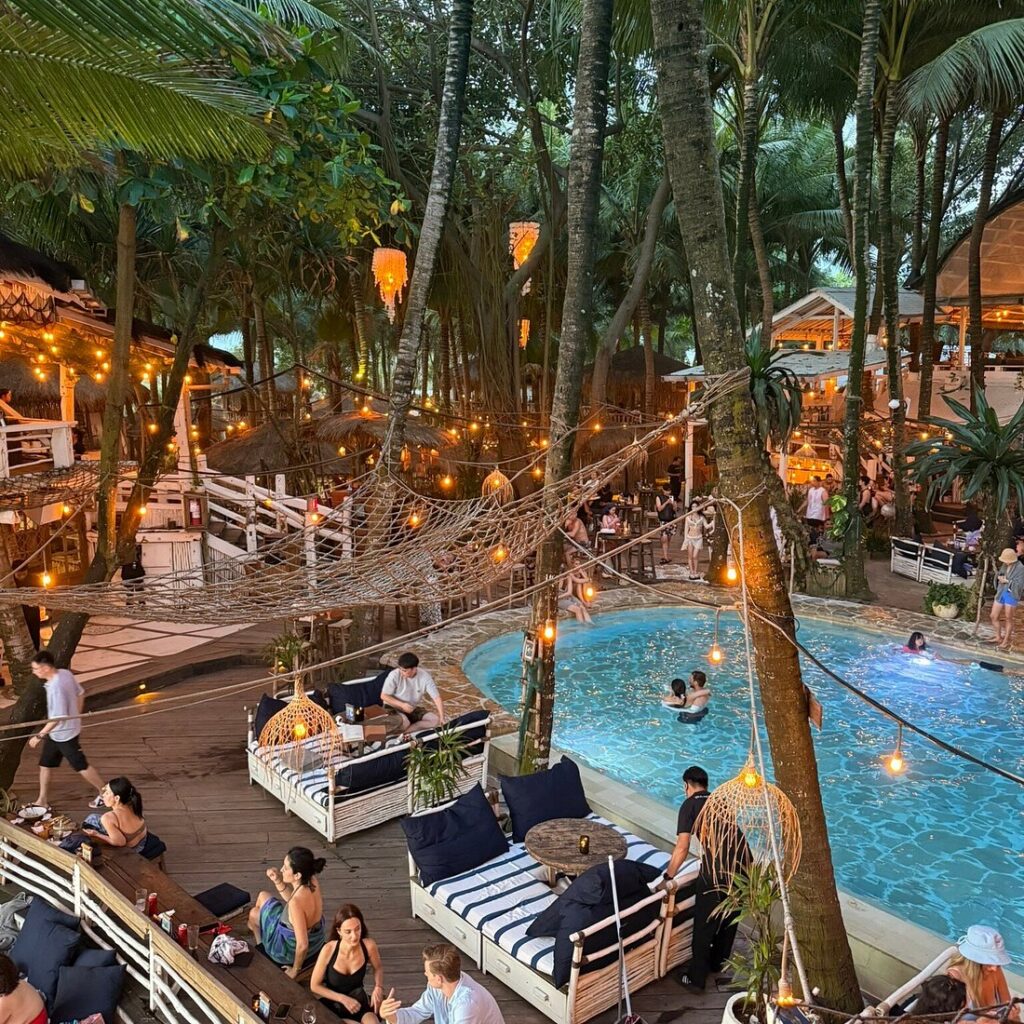
Image Credits: Tripadvisor
La Brisa is the boho, design-led alternative on Echo Beach, built largely from reclaimed wood with a relaxed, sustainable feel. It’s a gorgeous sunset spot and a calmer vibe than Finns, with good food and a long drinks list. Go for golden hour, and arrive a little early for a decent table.
7. Single Fin (Uluwatu)
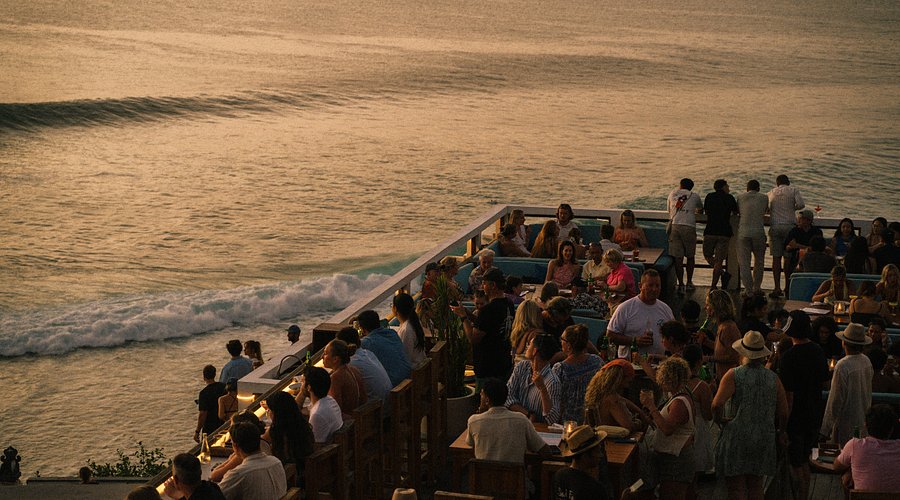
Image Credits: Tripadvisor
Single Fin is the clifftop legend in Uluwatu, perched above the surf break with one of the best sunset views on the island. Its Sunday sessions are famous and get packed, so come early or pick a weekday for room to breathe. It’s more cliff-bar than beachfront, but the view does the heavy lifting.
8. Potato Head (Seminyak)
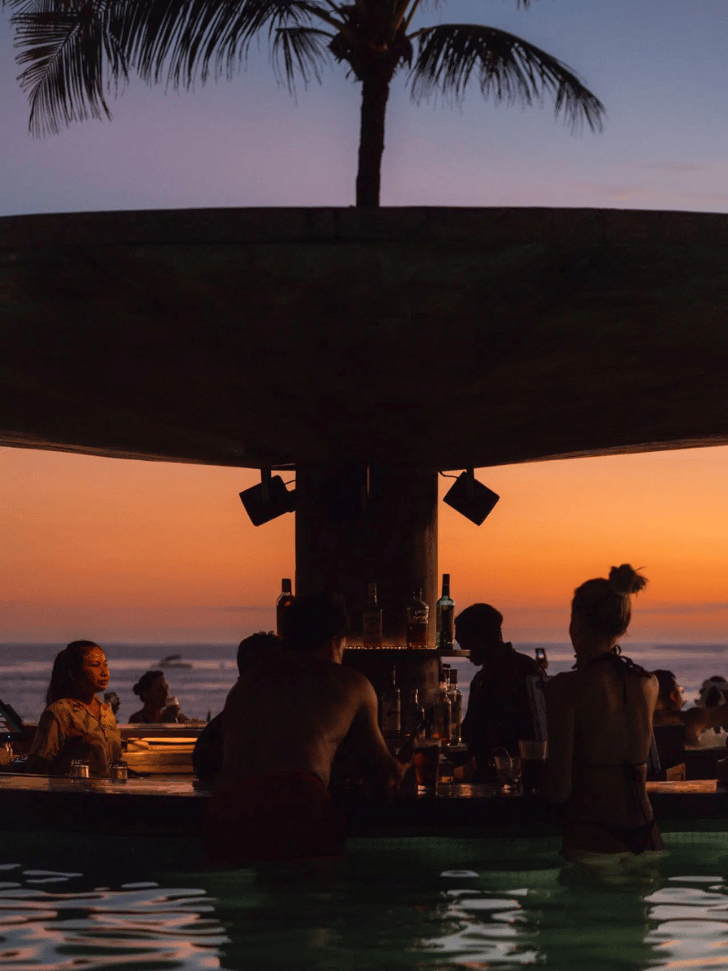
Image Credits: Potato Head
Potato Head is the Seminyak icon, an architecturally striking, sustainability-minded beach club (part of the wider Desa Potato Head complex) with a grass lawn that fills up for sunset. It’s polished, design-forward and a genuine Bali institution. Come mid-afternoon and stay as the light drops.
Bali’s café scene rivals Melbourne’s, so you’re never far from a flat white and a smoothie bowl.
9. Luna Beach Club (near Tanah Lot)
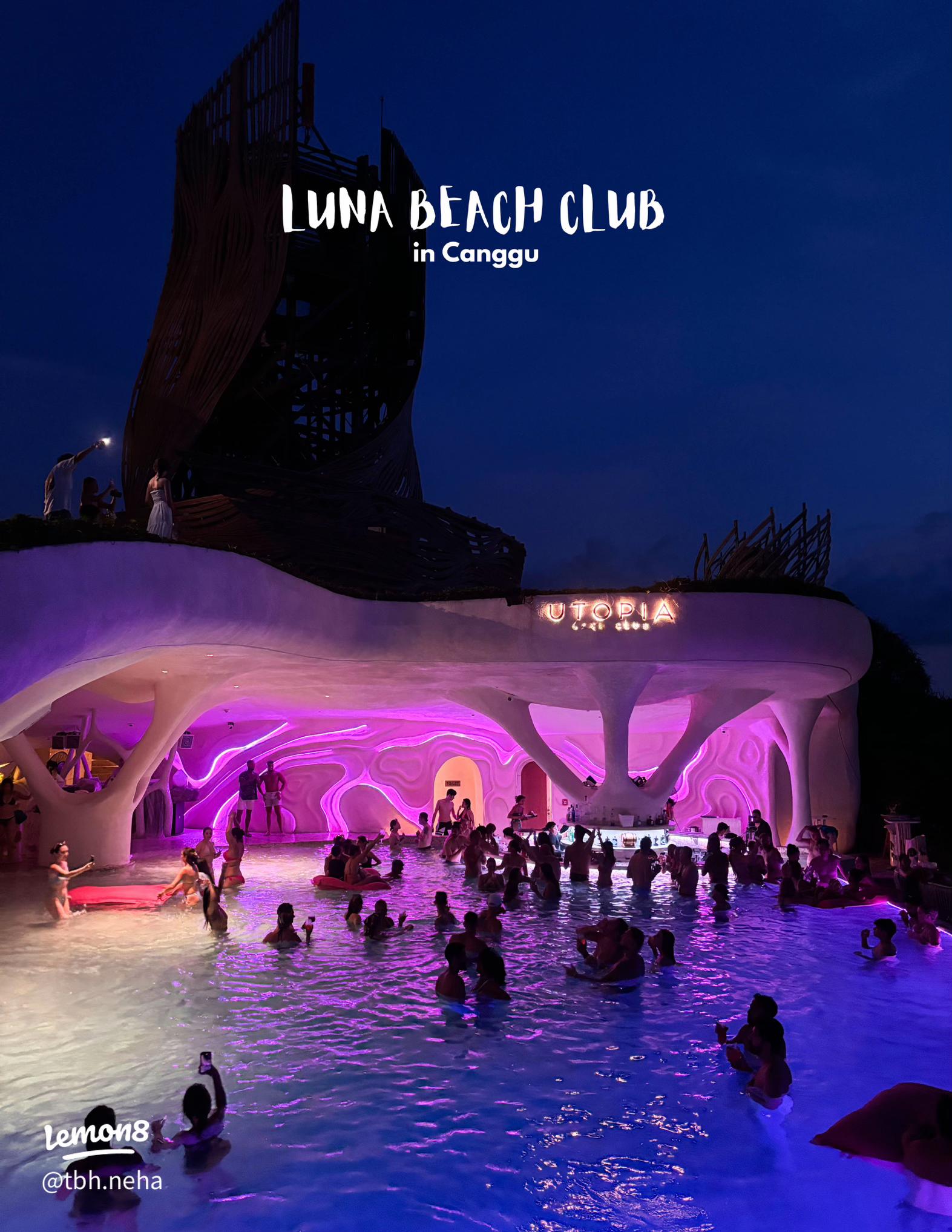
Image Credits: @tbh.neha on Lemon8
Luna is the huge, newer clifftop club out west in Beraban (Tabanan), part of the sprawling Nuanu Creative City near Tanah Lot, with multiple pools, a water slide into a cave club, sea-view day beds, a beer garden and sunset sessions. It’s a destination in itself, so make a half-day of it. Worth the drive if you want space and a fresh scene away from the Canggu crush.
Bali’s café scene rivals Melbourne’s, so you’re never far from a flat white and a smoothie bowl.
10. Sisterfields (Seminyak)
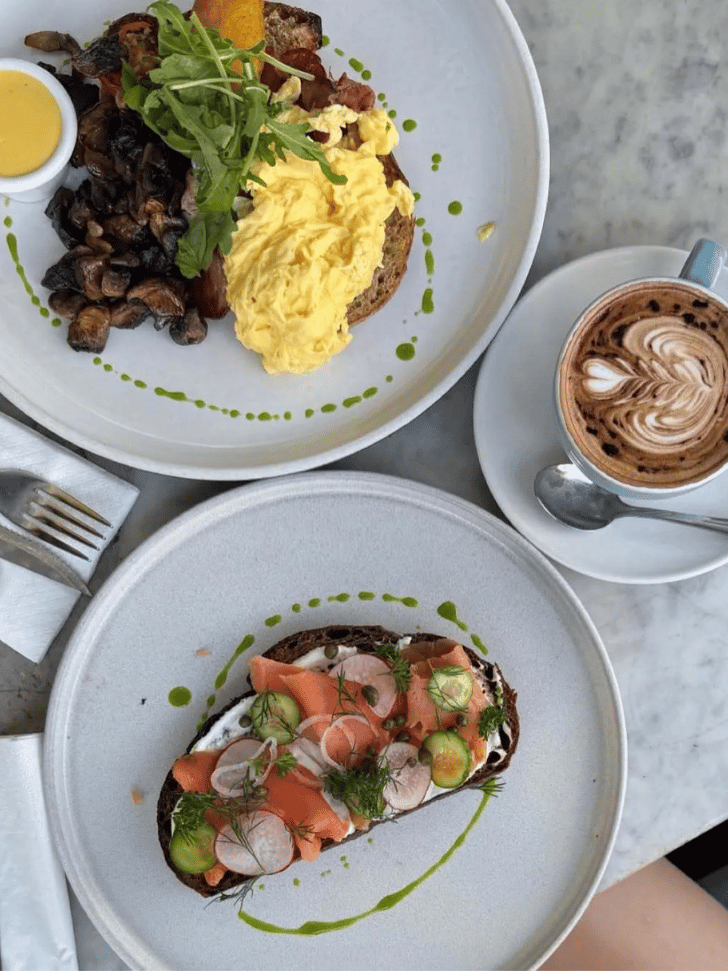
Image Credits: sisterfieldsbali.com
Sisterfields is the Seminyak brunch blueprint, an all-day Aussie-style café that more or less set the template for Bali’s breakfast culture. The eggs, the coffee and the smoothie bowls are reliably excellent, and it’s reliably busy, so go early or later in the day to skip the queue.
11. Kynd Community (Seminyak and Canggu)
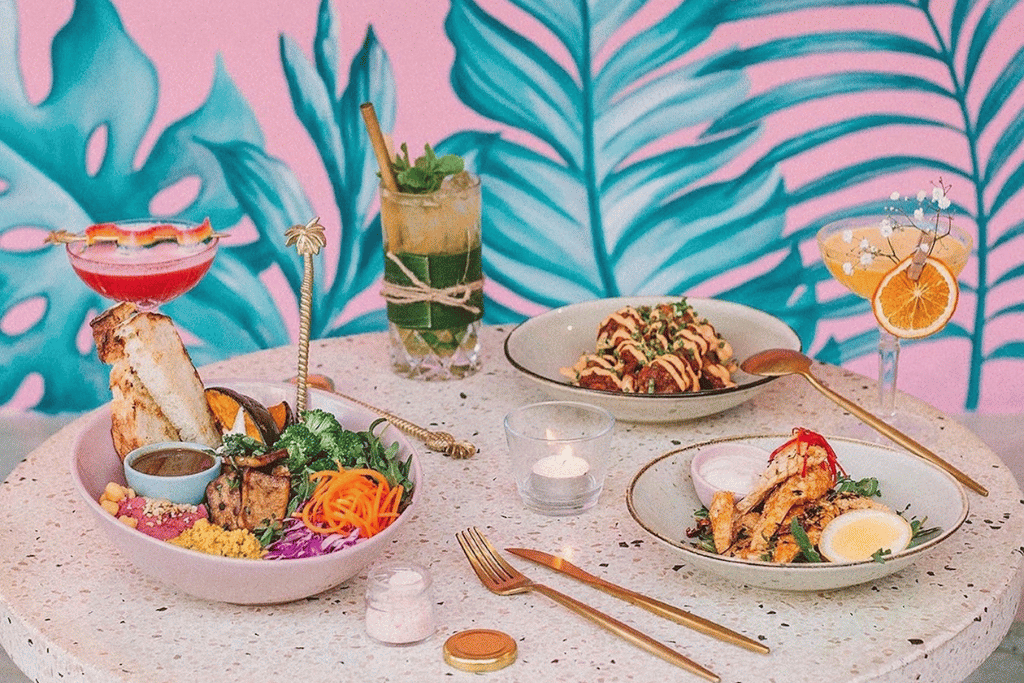
Image Credits: Coconuts Directory
Kynd is the pink, plant-based one, an all-vegan café (in both Seminyak and Canggu) that’s as photogenic as it is genuinely good. The smoothie bowls and colourful dishes win over committed carnivores, not just the vegan crowd. Expect a wait at peak brunch hours.
12. The Shady Shack (Canggu)
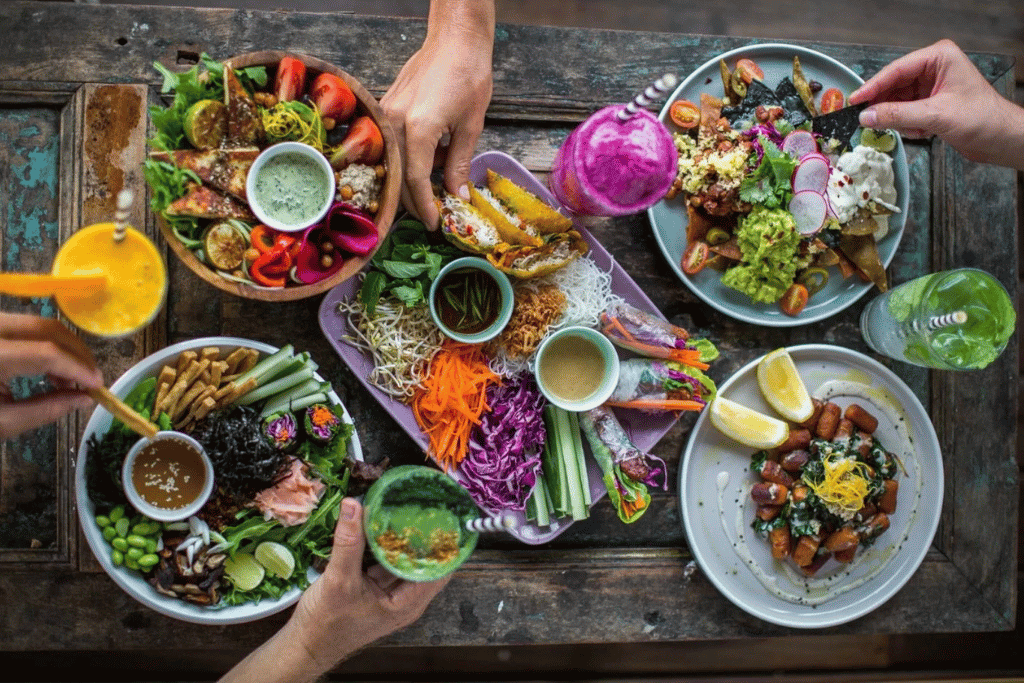
Image Credits: www.theshadyshackbali.com
The Shady Shack is the breezy Canggu favourite, a tropical, plant-based café looking out over the rice fields. The vegetarian menu and the setting are the draw, and it’s a lovely place to escape the midday heat over a long lunch.
13. Seniman Coffee (Ubud)
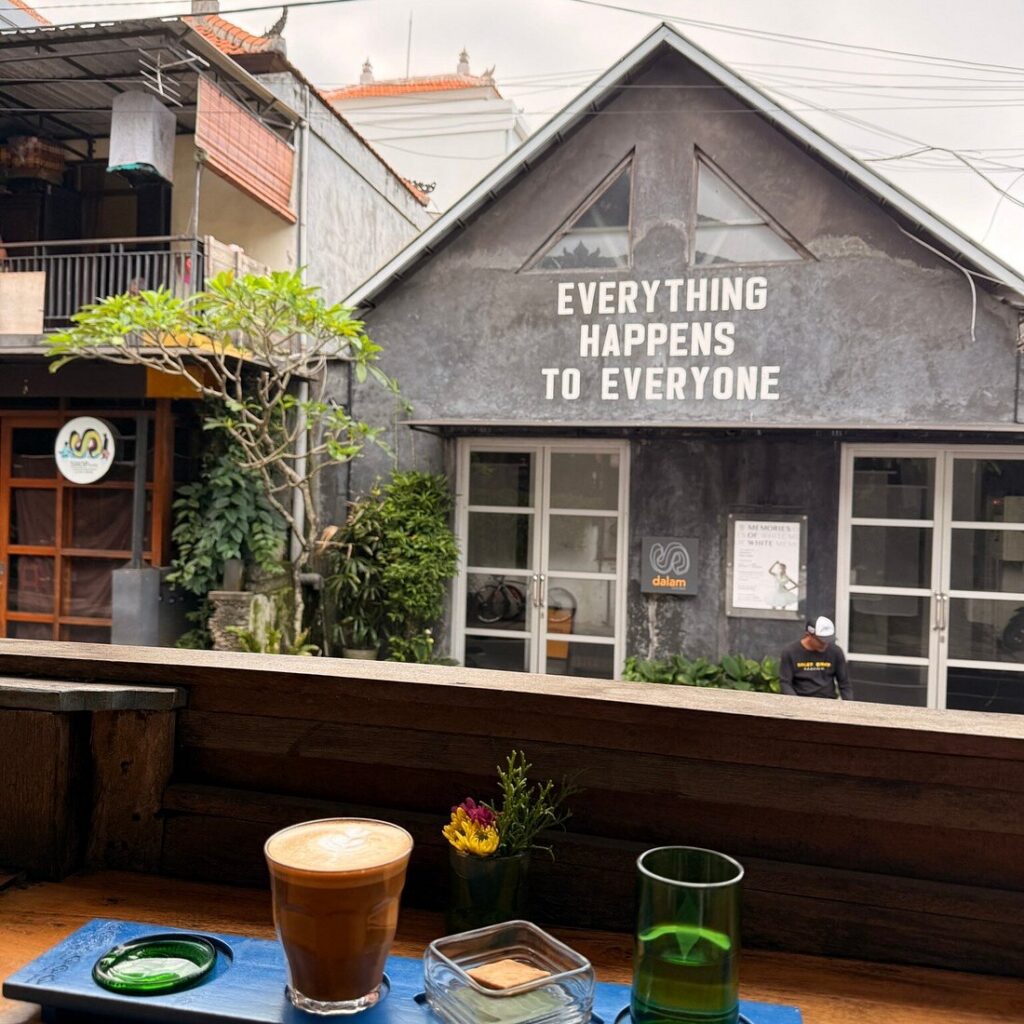
Image Credits: Tripadvisor
Seniman is the serious-coffee stop in Ubud, a speciality roaster pouring single-origin Indonesian beans in a retro space with bamboo ceilings and rocking chairs. It’s the place to taste what Indonesian coffee can really do, not just grab a latte. Worth a detour if you care about your brew.
14. Milk & Madu

Image Credits: Milk & Madu
Milk & Madu is the reliable all-day crowd-pleaser, a homegrown café with branches across Canggu, Berawa, Seminyak, Uluwatu and Ubud doing big breakfasts, pizzas and proper coffee. It’s relaxed and family-friendly, the kind of place that works for any meal.
15. Livingstone Cafe & Bakery
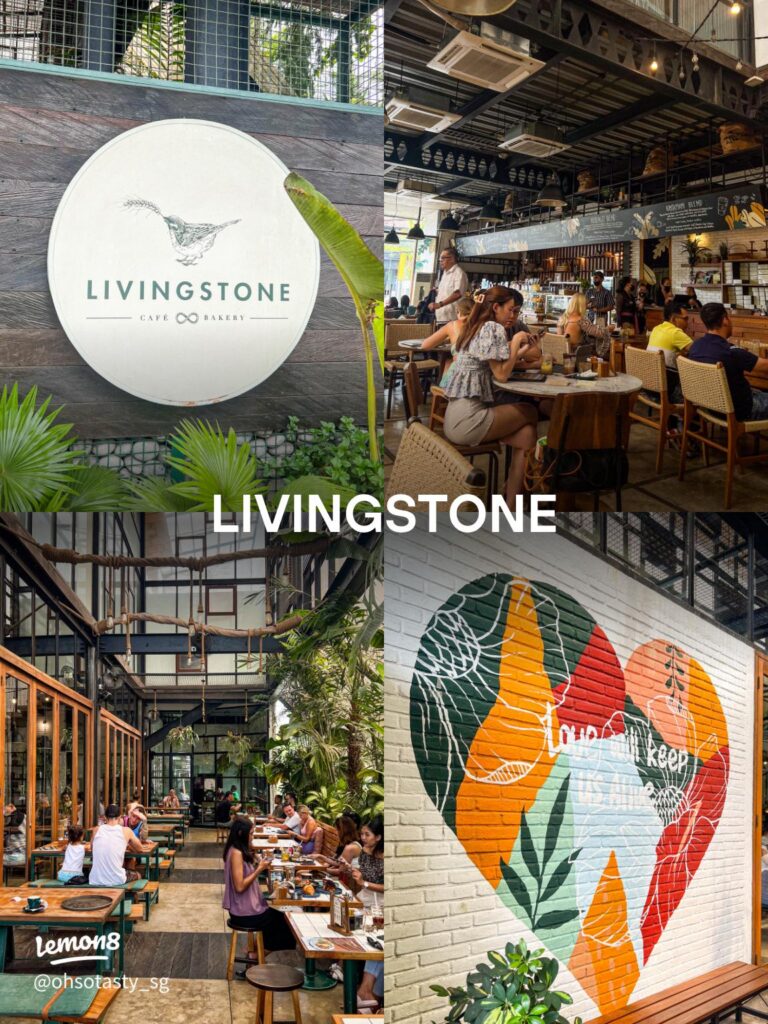
Image Credits: @ohsotasty_sg on Lemon8
Livingstone is the one to arrive hungry for, a Seminyak bakery-café known for its croissants, cakes, and generous brunch plates. Get there early, the pastries go fast.
16. Revolver
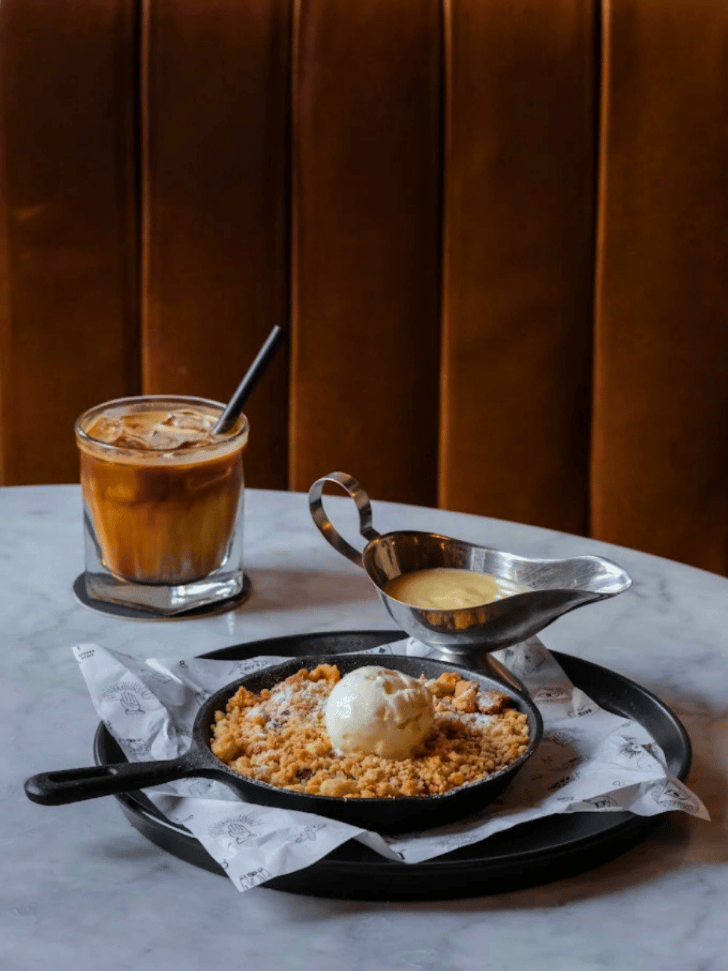
Image Credits: Google Reviews
Revolver is Seminyak’s original speciality-coffee institution, tucked down a narrow alley with vintage, multi-room decor and some of the island’s most serious brews since 2012. Go for the coffee, stay for the brunch.
17. Cafe Bloom
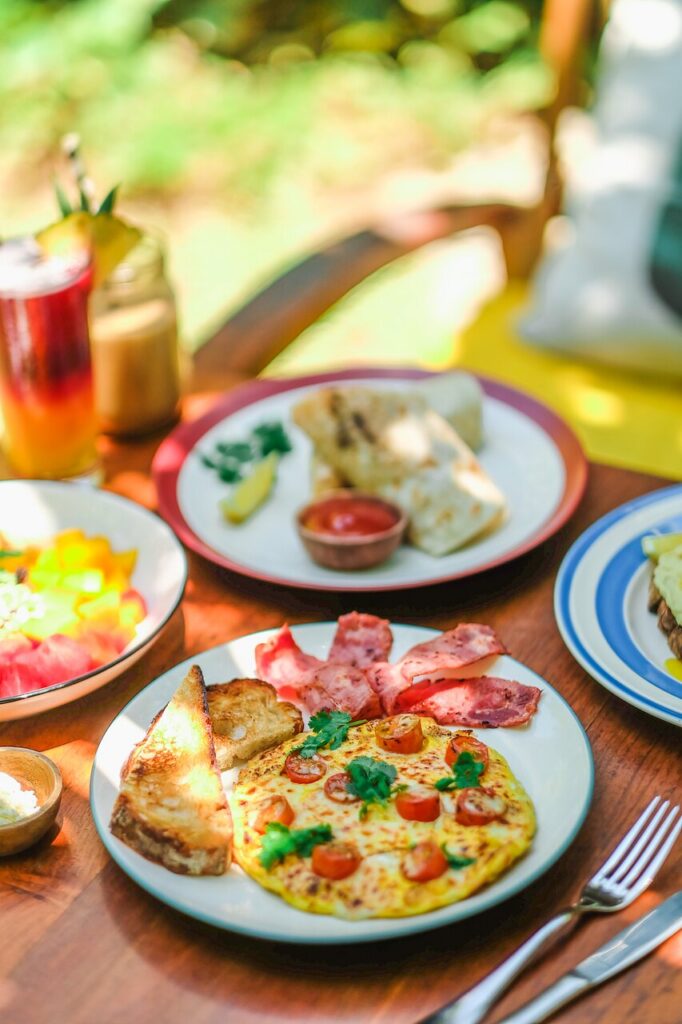
Image Credits: Tripadvisor
Cafe Bloom in Sanur is part florist, part coffee shop, so your flat white (Kintamani beans) comes with the scent of fresh flowers you can actually buy on the way out. It’s small, pretty and a lovely stop on Bali’s quieter side.
Related Guide: Most clubs and cafés take card, so spending is easy. Our YouTrip explainer covers how paying overseas works.
Bali At Night
Bali after dark runs from mellow to messy, and where you go decides which. Nights tend to start with sunset drinks around 6 PM and build from there, peaking between 10 PM and 2 AM. Canggu has the island’s best-value, most laid-back scene right now; Seminyak is the dressier, clubbier one.
18. Old Man’s (Canggu)
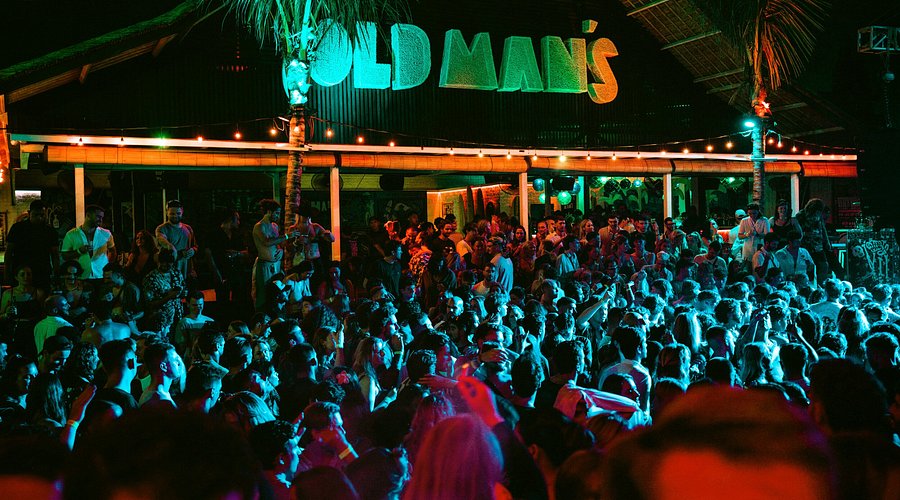
Image Credits: Tripadvisor
Old Man’s is the Canggu institution, a big, breezy beachfront bar that’s chilled by day and packed by night, especially for its famous Wednesday parties. It’s the easy first stop for a Canggu night out.
19. La Favela (Seminyak)

Image Credits: La Favela Bali
La Favela is Seminyak’s most atmospheric club, a maze of vintage rooms and jungle courtyards that looks like a film set and turns into a late-night dance floor. Go for the setting, stay for the crowd.
20. Motel Mexicola

Image Credits: @tbh.neha on Lemon8
Motel Mexicola is the loud, technicolour Mexican party spot, a Seminyak institution (with a Canggu outpost on Batu Bolong) where the tacos and margaritas come with a side of dancing-between-the-tables energy. Come for dinner and stay as it tips into a party. Book ahead on weekends!
21. Sunset Sessions And Night Markets
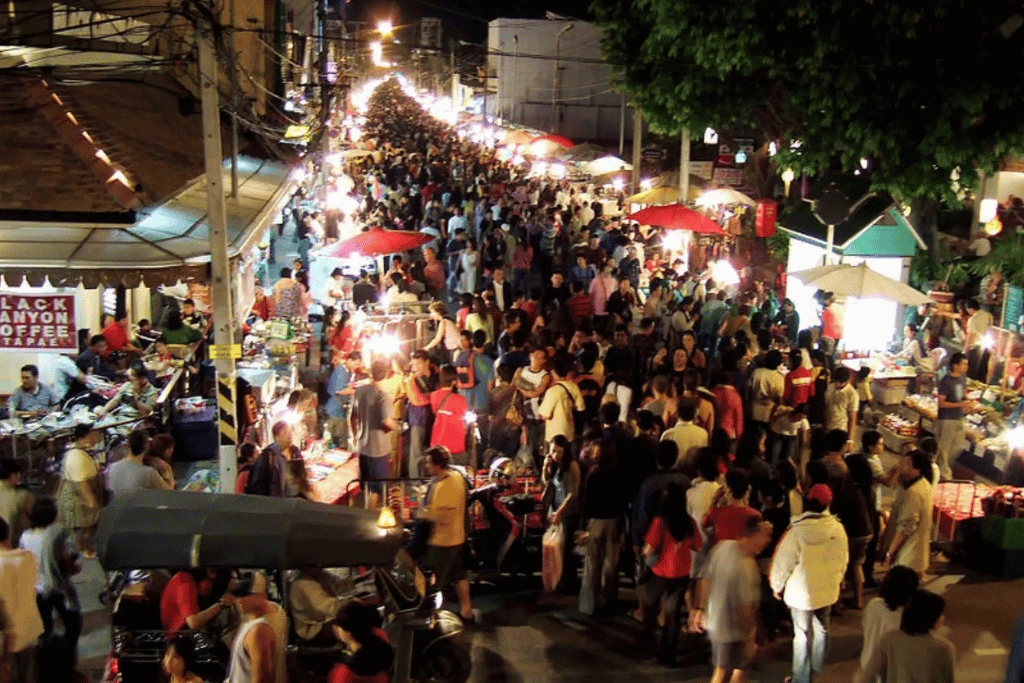
Image Credits: 30 Sundays
For something gentler, the beach clubs own the early shift (Single Fin’s Sunday sunset sessions in Uluwatu are legendary), and local night markets (pasar malam) are the cheap, authentic way to eat your way through an evening.
Central Bali: Rice Terraces, Waterfalls And A Volcano Sunrise
Central Bali is the green, cultural heart of the island, and it’s easily a full day or two: rice terraces, jungle waterfalls, a sunrise volcano and Ubud’s temples and cafes. Most people do it by hired driver, since the stops are spread out.
22. Mount Batur Sunrise Hike
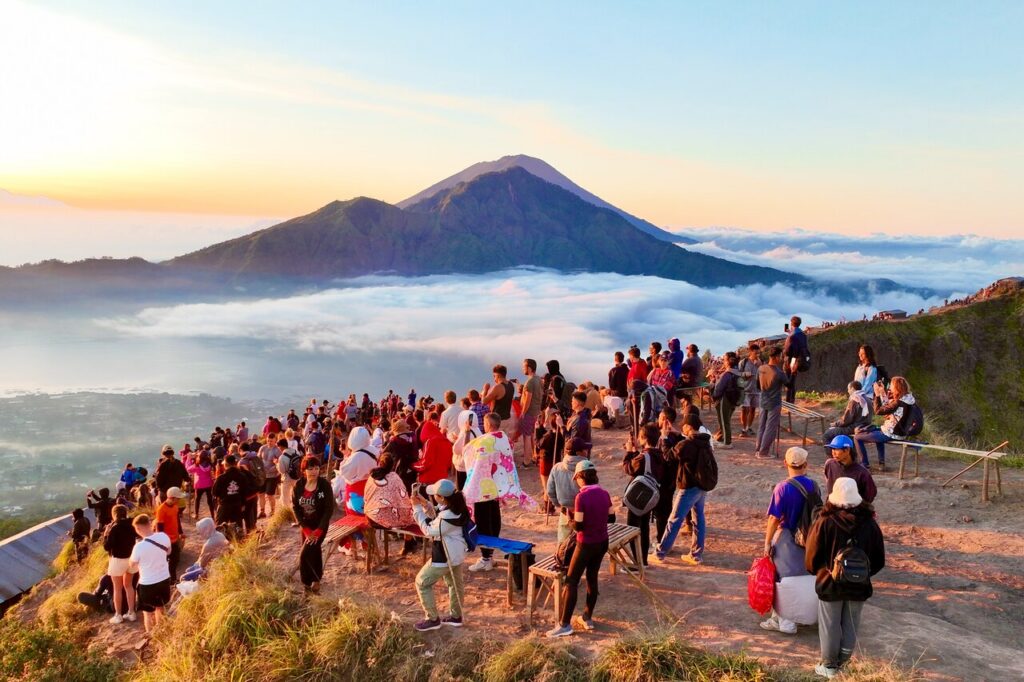
Image Credits: Tripadvisor
The Mount Batur sunrise hike is the island’s signature early start, a roughly two-hour climb up an active volcano to watch the sun come up over the caldera.
A registered local guide is mandatory (you can’t legally hike it alone), and group sunrise treks run from about 400,000 IDR (~S$29) per person, with most all-in packages (hotel pickup, guide and a simple summit breakfast) landing around 500,000–850,000 IDR (~S$36–61).
It’s cold at the top before dawn, so bring a jumper. And manage expectations: on cloudy mornings the view can be socked in, so build a little flexibility into when you go.
23. Tegalalang Rice Terraces
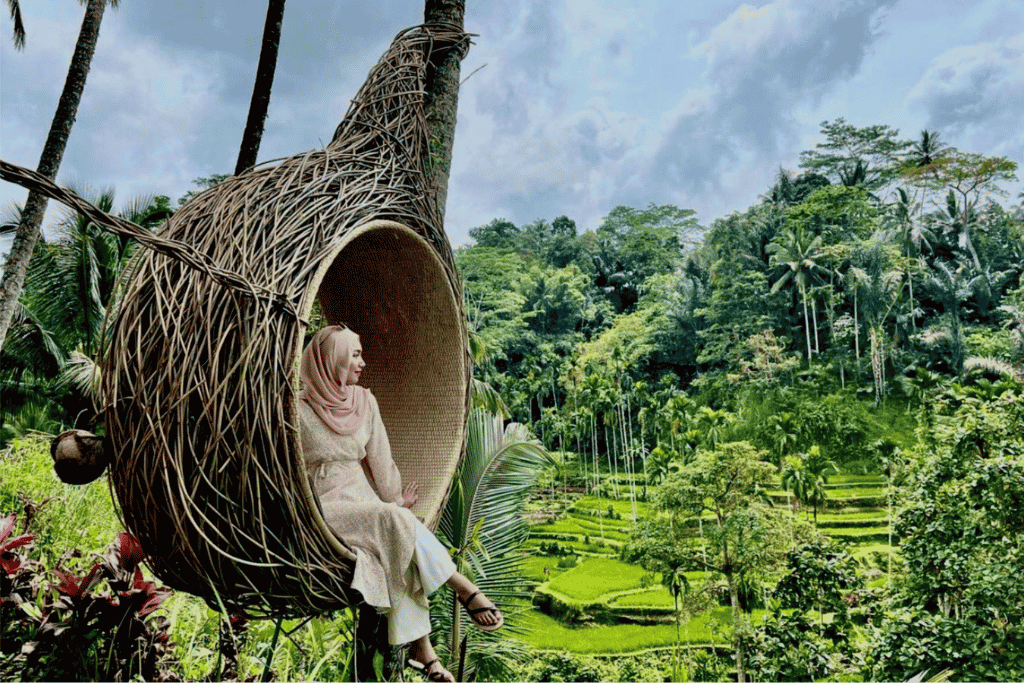
Image Credits: Pelago
The Tegalalang Rice Terraces are the postcard rice paddies near Ubud, with carved hillside steps, photo swings and cliffside cafes. Entry is around 25,000 IDR (~S$2), with small extra donations of 10,000–20,000 IDR (~S$1–2) when you cross sections of farmland maintained by local families.
Go before 7 AM. By mid-morning the swings have queues and the light’s harsh, and the terraces are greenest outside the post-harvest brown stretch.
24. The Bali Swing At Alas Harum
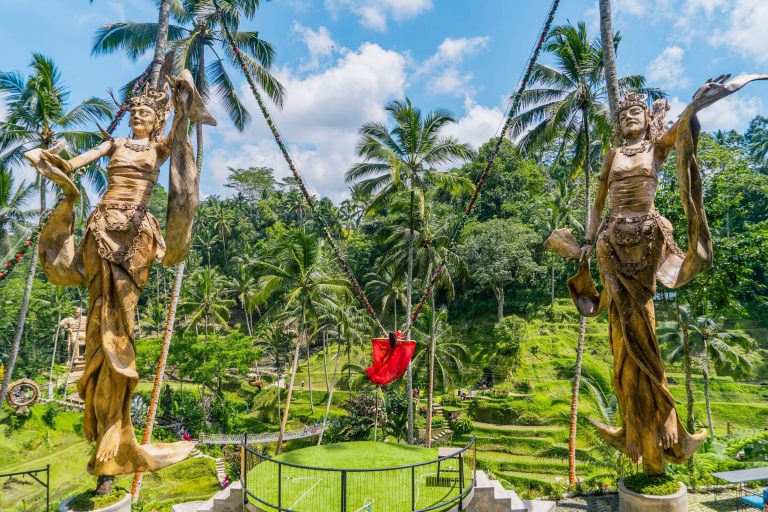
Image Credits: Alas Harum Bali
The Bali Swing is the jungle-swing experience you’ve seen all over TikTok, and Alas Harum in Tegalalang is the most popular spot, with 15 swings, photo “birds’ nests” and a glass platform over the rice fields.
Entry is 50,000 IDR (~S$4), and swing packages run about 150,000–400,000 IDR (~S$11–29) depending on how many you want. It’s touristy, and you’ll have to queue, but the photos deliver.
25. Sekumpul Waterfall
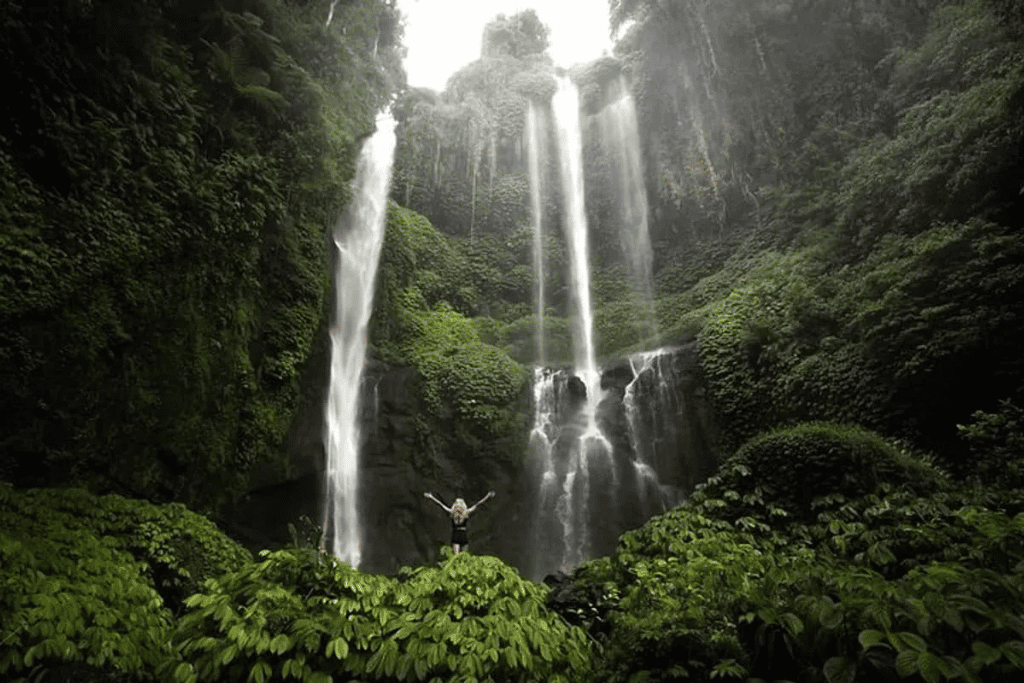
Image Credits: Pelago
Sekumpul is widely called Bali’s most beautiful waterfall, a cluster of tall jungle cascades up in the north of the island. It’s a proper outing: a view-only ticket is 20,000 IDR (~S$1), while the trek down to the base runs 150,000–250,000 IDR (~S$11–18) with a guide. Worth the drive if you want the real thing over a roadside stop.
26. Tukad Cepung Waterfall
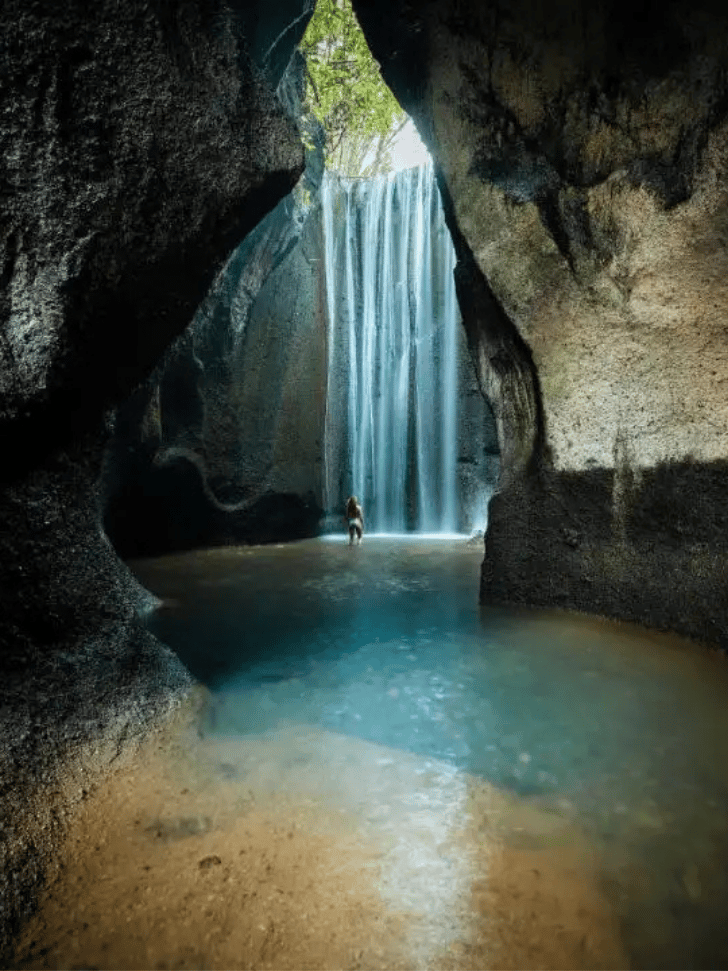
Image Credits: Traveloka
Tukad Cepung is the cave waterfall, where late-morning sunbeams pour through a slot canyon onto the falls for that surreal light-shaft shot. Entry is around 25,000 IDR (~S$2). Come between roughly 10 AM and noon on a sunny day for the beams, and expect wet feet on the walk in.
 Waterfall entry fees and access can change, so confirm the current rate at the gate.
27. Luwak Coffee Tasting

Image Credits: Bali Semara Tour
A coffee-tasting farm is the classic Bali rainy-day stop, where you’ll see beans roasted and ground by hand and work through a flight of local coffees and teas, often a dozen or more. The novelty pour is the avocado coffee, and yes, the famous (and pricier) luwak coffee is usually the finale.
The tasting flight is typically free or cheap; the luwak cup and any bags you take home are where it adds up. No pressure to buy.
28. Ubud
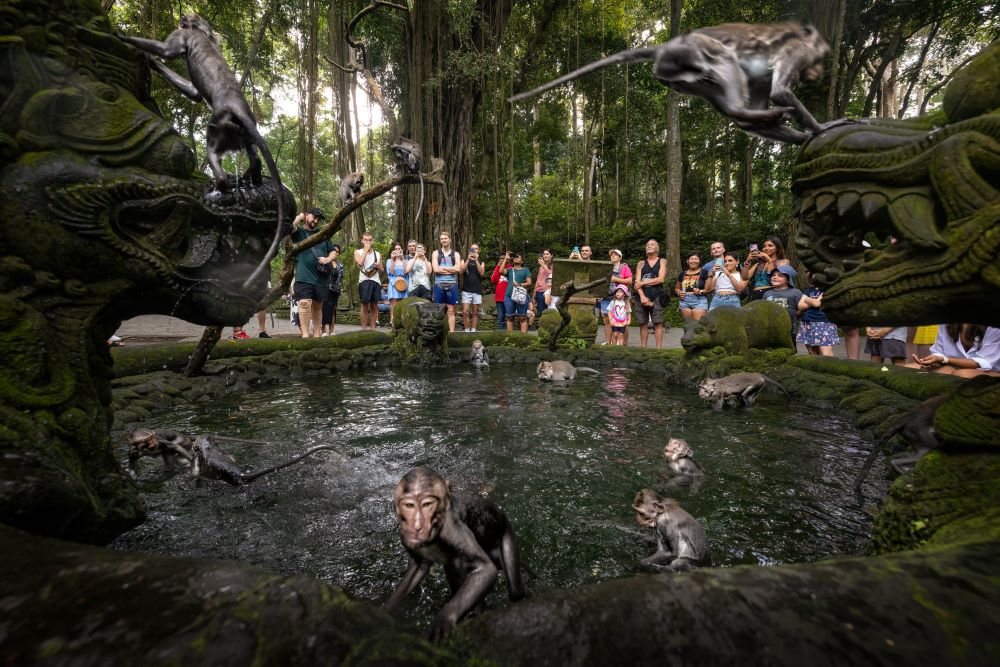
Image Credits: monkeyforestubud.com
Ubud is central Bali’s hub, a walkable town of temples, art markets, yoga studios and rice-field cafes that’s worth half a day on foot. The Sacred Monkey Forest Sanctuary in town is the best-known stop, a leafy temple complex full of long-tailed macaques (same rule as Uluwatu: hold your things tight).
Related Guide: Prefer to have the volcano hike and driver sorted before you fly? Our best travel agency in Singapore guide covers who to book with.
Bali’s Most Iconic Temples
Bali is the “island of a thousand temples”, and a few are worth building a half-day around. Uluwatu’s already up in the south Bali section; these four are spread across the island, and dress respectfully; a sarong is provided at each.
29. Tanah Lot
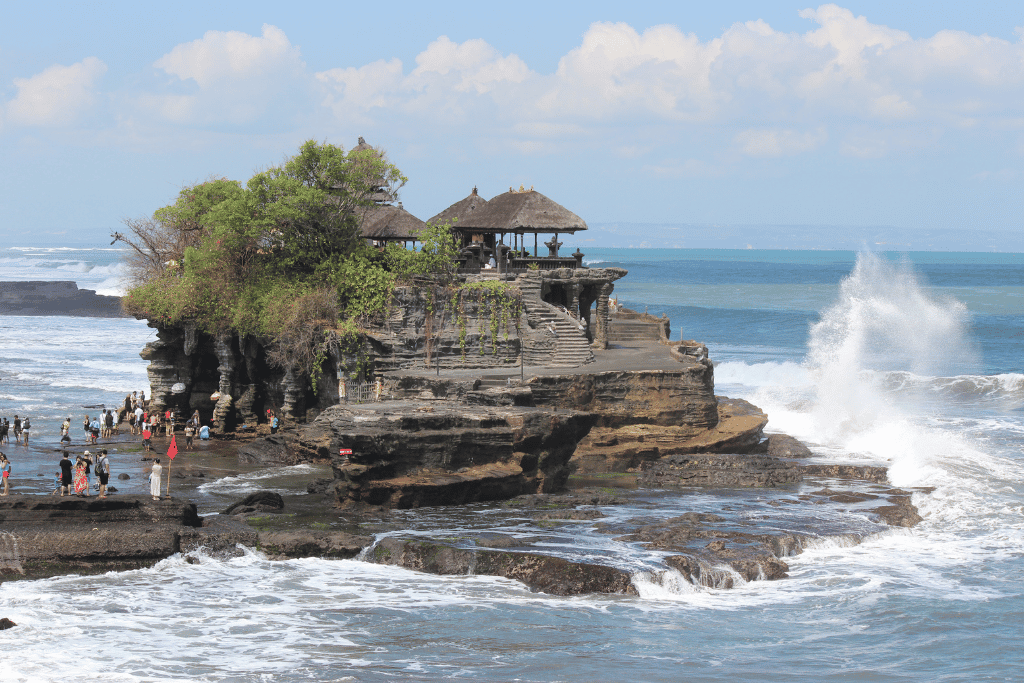
Image Credits: Wikipedia
Tanah Lot is Bali’s iconic sea temple, sat on a rock just offshore and best at sunset when the tide’s in and the silhouette lights up. Entry is 75,000 IDR (~S$5), which also covers the nearby Batu Bolong temple. Arrive an hour before sunset, and expect company.
30. Lempuyang Temple (The Gates Of Heaven)
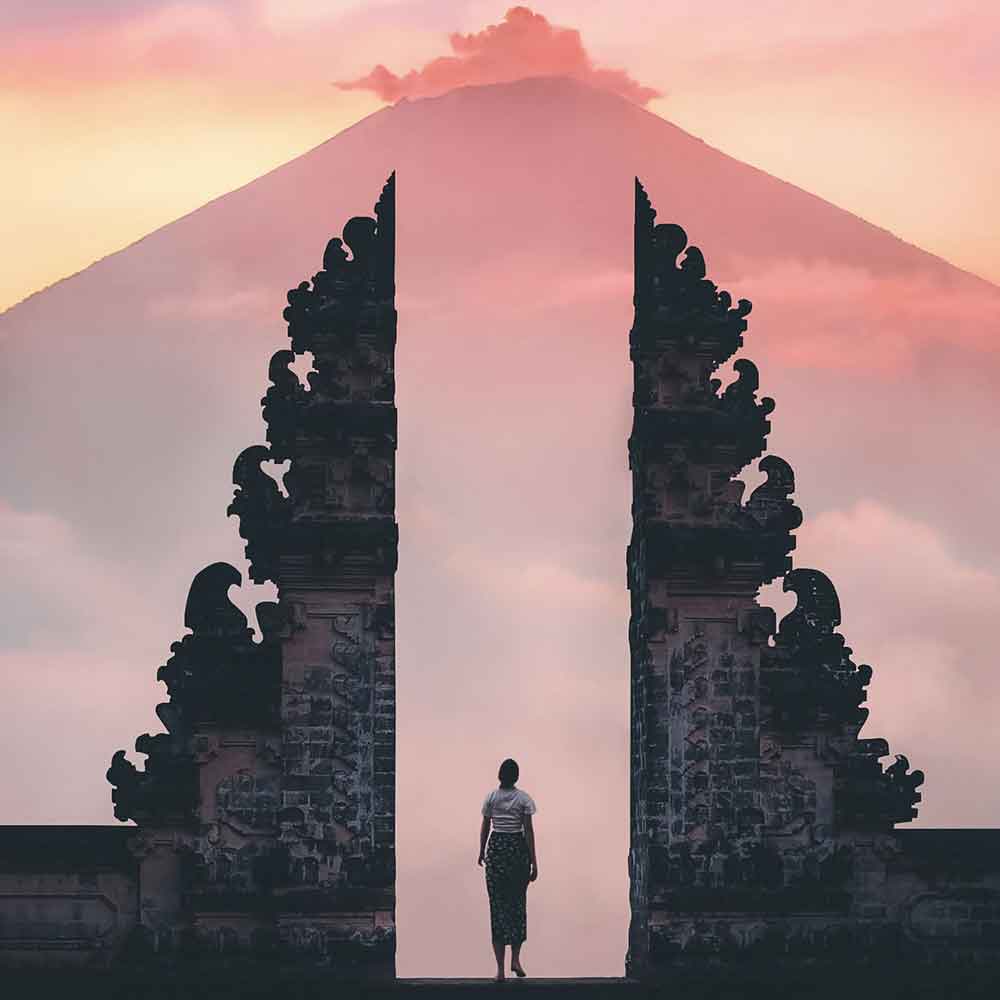
Image Credits: www.lempuyangtemple.com
Lempuyang is the “Gates of Heaven”, the split-gate temple in east Bali famous for the photo with Mount Agung framed between the gates.
Entry is around 100,000 IDR (~S$7) and includes a sarong and the photographer who takes the shot (the “mirror” reflection is a trick done with a phone, not a real pool). Go early, the photo queue gets long.
31. Ulun Danu Beratan (The Lake Temple)
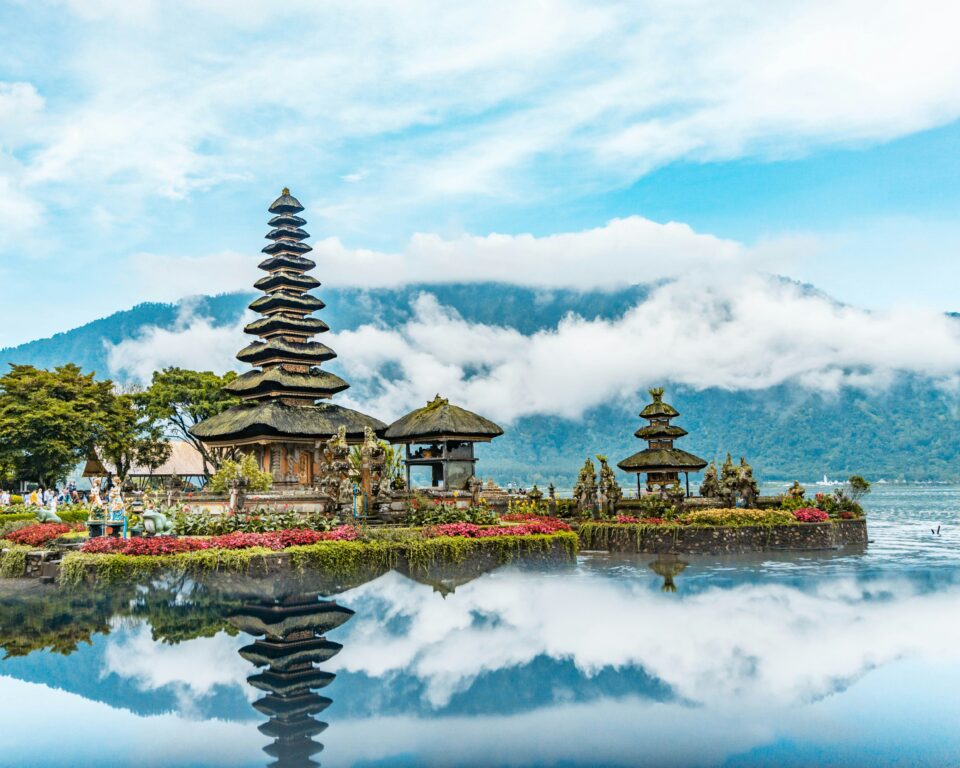
Image Credits: FINNS Beach Club
Ulun Danu Beratan is the much-photographed lake temple, its shrines seeming to float on Lake Beratan up in the cool Bedugul highlands. Entry is 100,000 IDR (~S$7). The mountain air is a refreshing break from the coast, and mornings are calmest for the reflections.
32. Tirta Empul (The Water Temple)
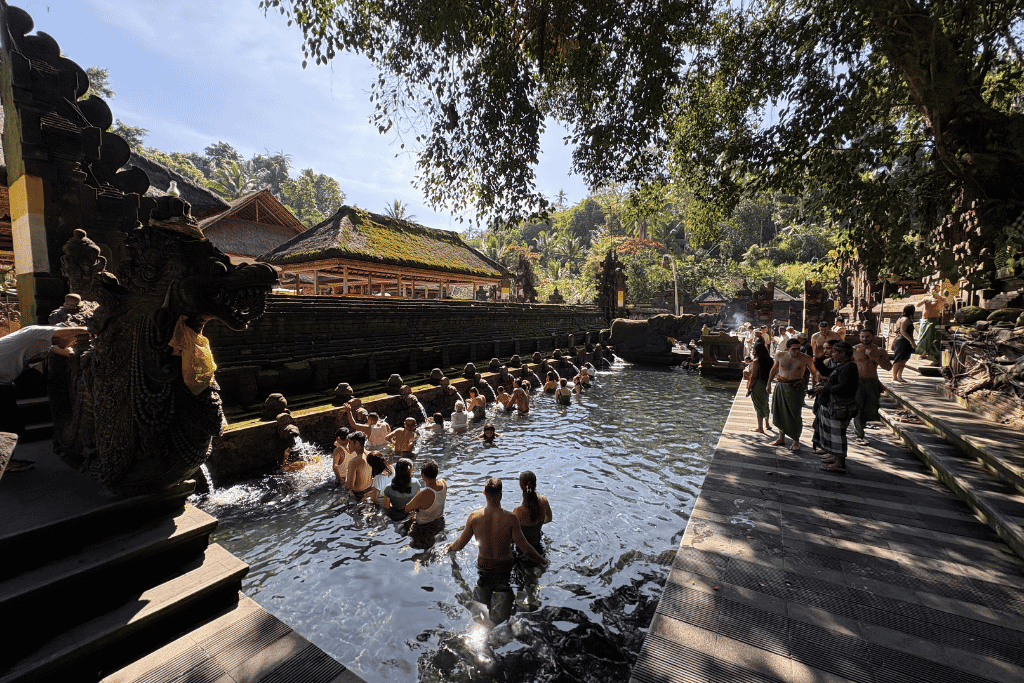
Image Credits: Wikipedia
Tirta Empul is the holy spring temple where Balinese and visitors take part in melukat, a purification ritual under a row of water spouts. Entry is 75,000 IDR (~S$5), sarong included. Bring a change of clothes if you want to join the bathing.
Day Trip: Nusa Penida
Nusa Penida is the dramatic day-trip island off Bali’s southeast coast, all towering cliffs, T-Rex-shaped headlands and impossibly blue water. Fast boats leave from Sanur, take about 30–45 minutes, and cost roughly 150,000–250,000 IDR (~S$11–18) each way, with frequent departures throughout the day.
One important 2026 change: the island’s tourist retribution fee (25,000 IDR/~S$2 per adult) must now be bought online before you arrive, rather than paid in cash on the dock. Sort it before you go.
33. Kelingking Beach
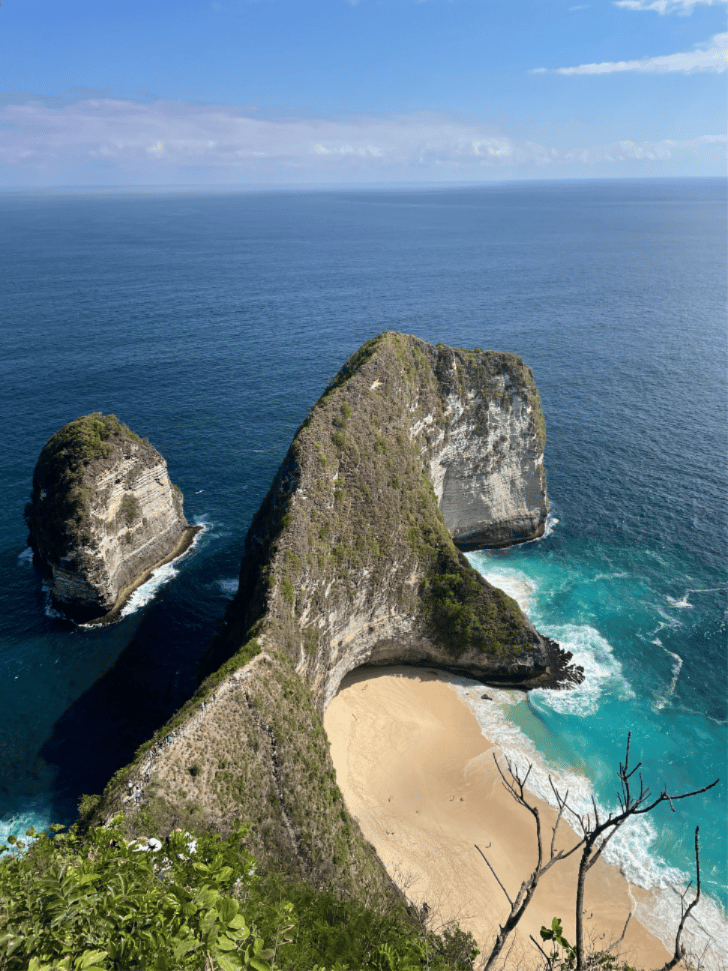
Kelingking Beach is the island’s iconic view, the T-Rex-shaped cliff with a white-sand cove far below. The viewpoint is the easy part; the climb down to the sand is steep, unshaded, and not for nervous legs, so plenty of people enjoy it from the top and skip the descent.
34. Diamond Beach
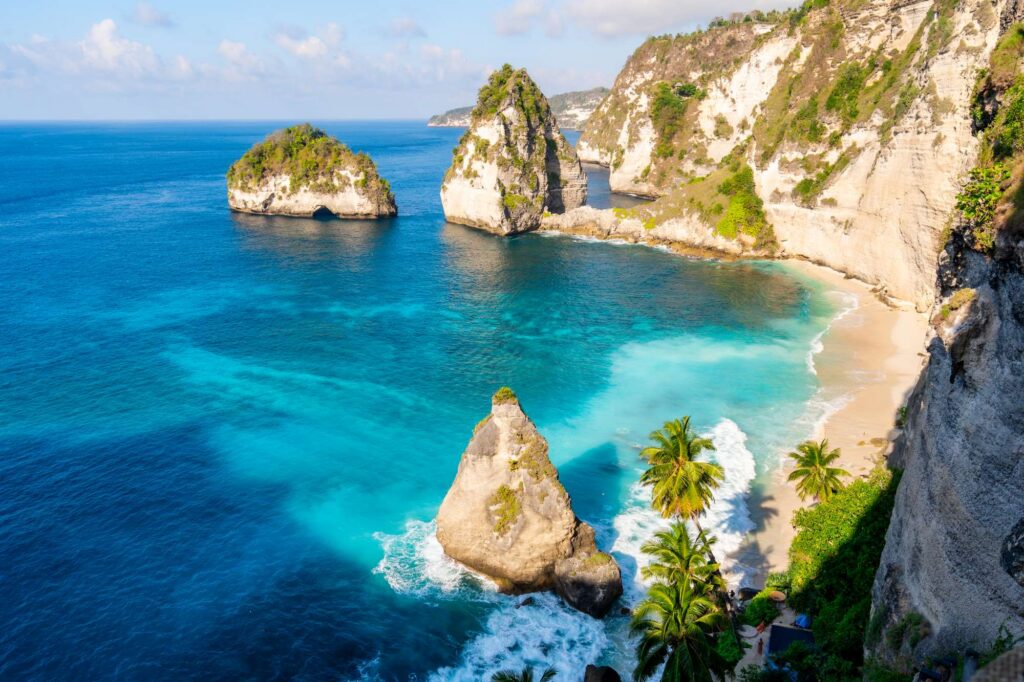
Image Credits: FINNS Beach Club
Diamond Beach is the postcard white-sand cove on Penida’s east coast, framed by limestone pillars, with a now much-improved (but still steep) stairway down. Entry is around 25,000 IDR (~S$2). The swimming can be rough, so it’s often more about the view than the dip.
35. Thousand Islands Viewpoint And The Tree House
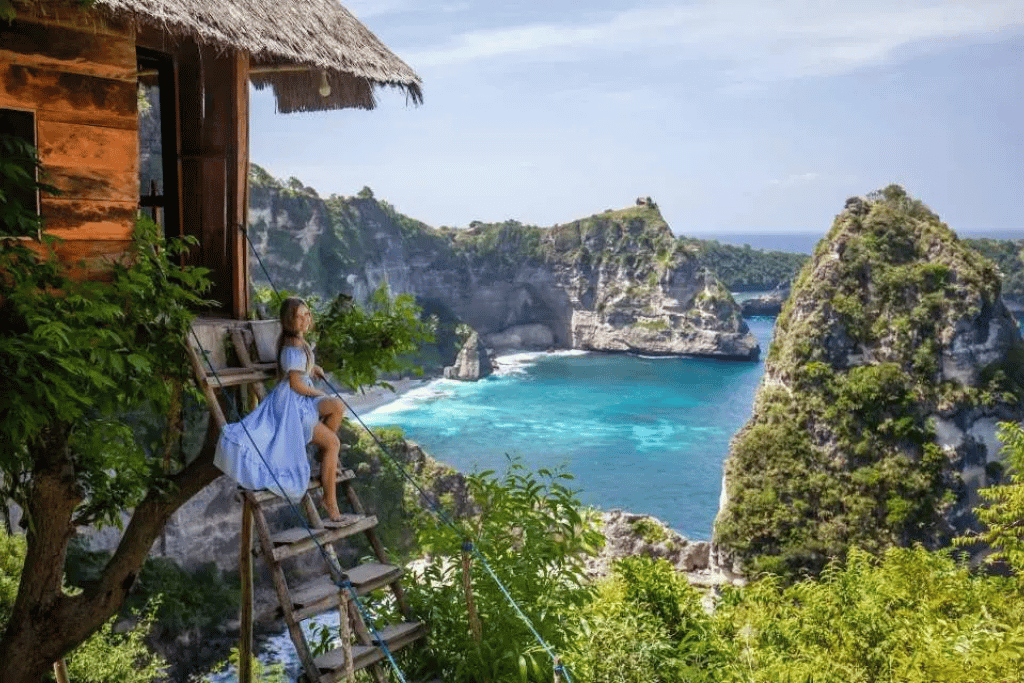
Image Credits: KKday
The Thousand Islands Viewpoint looks out over a cluster of jagged green islets on the east coast, and the much-photographed Rumah Pohon tree house sits right on the cliff edge nearby.
There’s a small fee (from around 10,000 IDR/~S$1) to reach the viewpoint, plus a paid slot if you want the photo on the tree house itself, and a short timed turn each since the queue moves quickly.
36. Manta Ray Snorkelling At Manta Bay

Image Credits: Tripadvisor
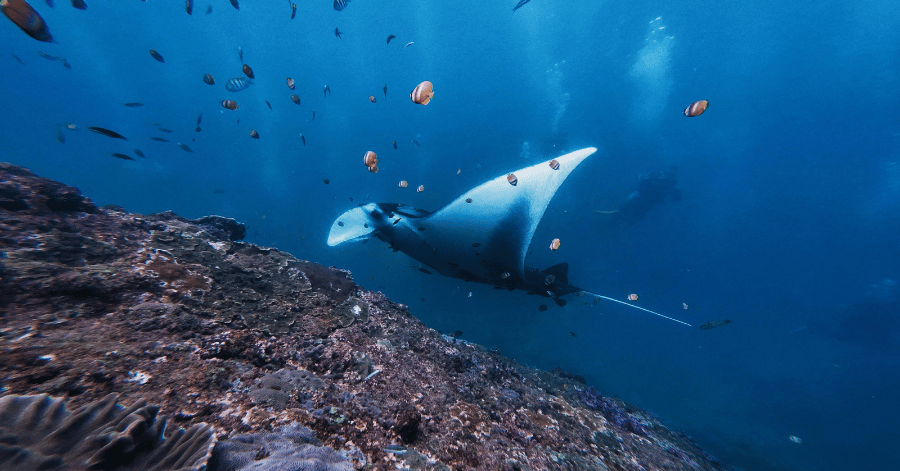
Manta Bay is where boat tours stop to snorkel with manta rays, and floating beside one of these giants is a genuine bucket-list moment. Sightings aren’t guaranteed, but the odds are good (operators often cite around an 80% success rate in decent conditions), and the water here can get choppy, so confirm with your operator.
Related Guide: Boat tickets, retribution fees and entries all add up in rupiah. Our SGD to IDR rate guide helps you budget the day before you go.
Day Trip: Nusa Ceningan
Nusa Ceningan is Penida’s tiny, laid-back neighbour, reached via Nusa Lembongan and a short ride across the famous Yellow Bridge. It’s the quieter island, the one for a slow half-day of swings, beach clubs and cliff swimming rather than a cliff-to-cliff sightseeing dash.
37. The Yellow Bridge And Ocean Swings
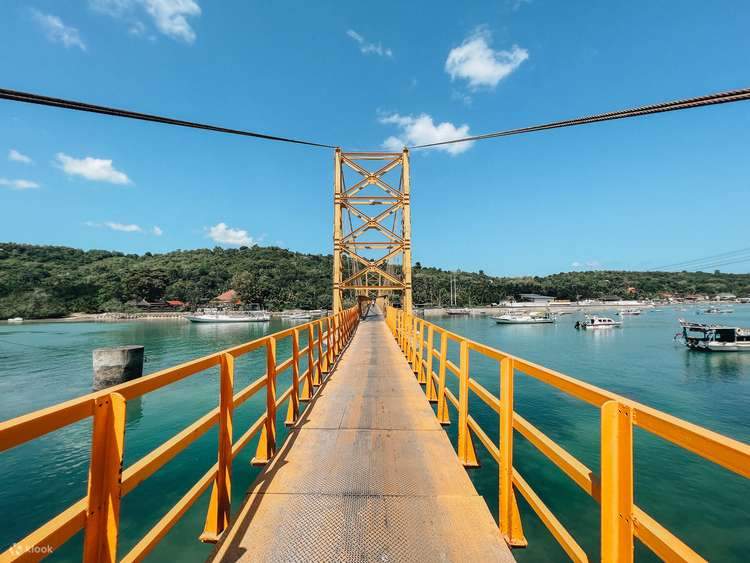
Image Credits: Klook
The Yellow Bridge is the narrow, bright-yellow suspension bridge linking Lembongan and Ceningan, and it’s the gateway to the island, an 8-minute ride from there to the Blue Lagoon. Once across, the ocean swings suspended over the water are Ceningan’s signature photo, as fun as they are Instagrammable.
38. Blue Lagoon
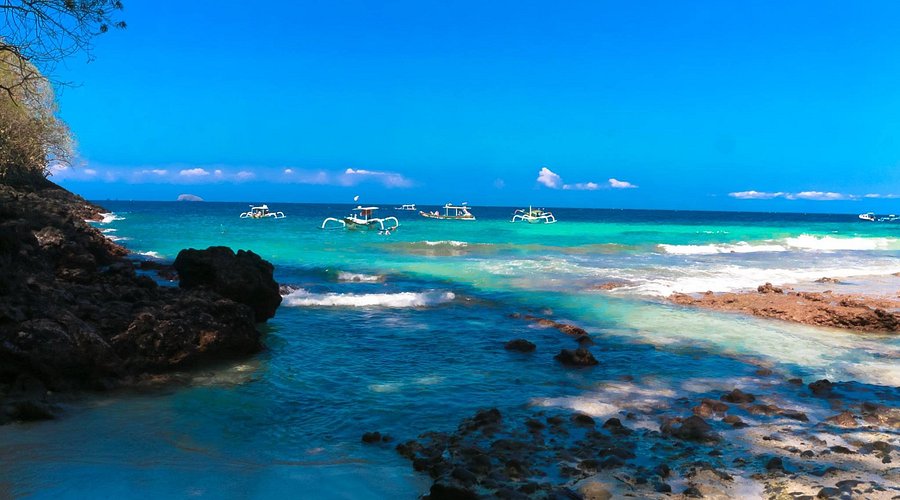
Image Credits: Tripadvisor
The Blue Lagoon is Ceningan’s standout, a cliff-ringed cove of startlingly clear blue water with cliff-jumping platforms for the brave. There’s no entrance fee to walk around and take it in. Go early morning or late afternoon for softer light and fewer people.
39. Sea Breeze And The View
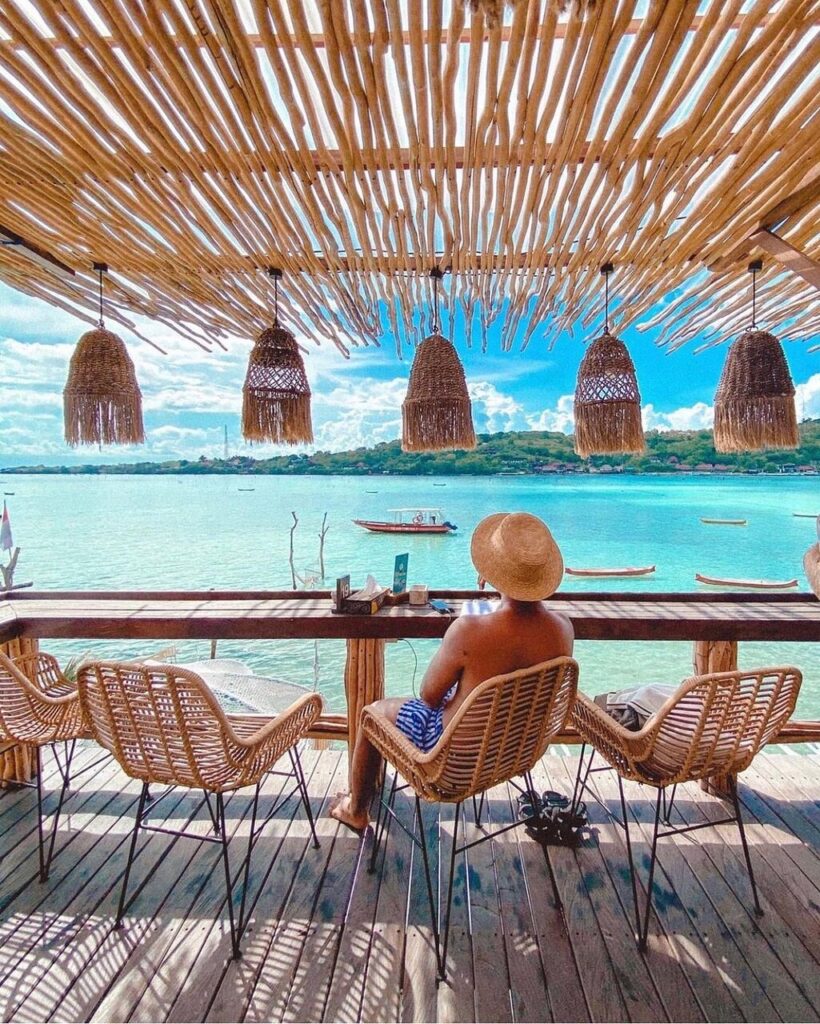
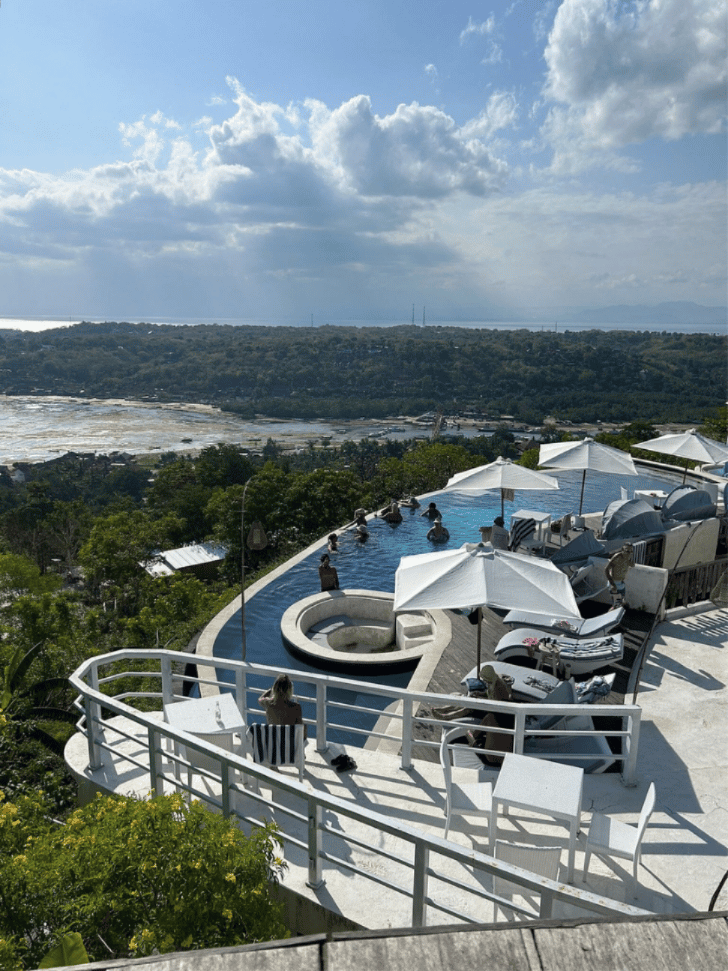
Image Credits: Tripadvisor
Ceningan’s beach clubs are half the appeal, and two stand out. Sea Breeze is the beachfront one, all bean bags in the sand, nets over the water and an infinity pool; The View is the mountaintop day club with panoramic island views (fair warning, the road up is bumpy). Either is an easy way to turn an hour into a whole lazy afternoon.
Related Guide: The islands run on cash, so don’t get caught short. Our Indonesia ATM withdrawal guide covers fees, locations and the best banks to use.
Where To Escape The Crowds
If south Bali feels like too much, head inland or further out, where the island slows right down. Repeat visitors keep naming the same quieter regions: Sidemen for rice-field valleys, Munduk for cool highland waterfalls and lakes, Amed for low-key diving and snorkelling, and Bedugul around the lake temples.
For more island time, the Gili Islands (technically off Lombok, but an easy add-on) bring car-free beaches and turtles. The trade-off everywhere off the beaten track is the same: fewer ATMs, more cash-only spots and patchier transport, so plan ahead and carry enough rupiah.
These slower corners are where a lot of travellers say Bali finally clicked, so if you’ve got the days, give one of them a night or two rather than a flying visit.
Best Of Bali By Who You’re Travelling With
Bali flexes to suit whoever you bring, so base yourself and plan by the kind of trip you’re after.
- Couples: Base in Uluwatu or Ubud for clifftop sunsets, spa days and quiet villas. Sunset at Single Fin or a Seminyak beach club, a waterfall day and a Nusa island trip make an easy romantic week.
- Families with kids: Nusa Dua and Sanur are the calm, resort-friendly bases with gentler beaches. Mix in Waterbom Bali (a big water park in Kuta), the Ubud Monkey Forest and a rice-terrace café day, and skip the steep cliff descents on Nusa Penida with little ones.
- Friends and young adults: Canggu and Seminyak are your zone, with beach clubs by day, Old Man’s and La Favela by night, surf lessons, and a Nusa Penida day-trip for the photos.
Common Bali Scams (And How To Dodge Them)
The most common Bali scams aren’t dramatic, they’re small charges and switcheroos that add up. Knowing the handful below saves you both money and hassle.
- The fine-print restaurant surcharge. Some menus add a service-and-tax charge (often 15–21%) in small print, and a few tourist-area spots pile on more. Check the bottom of the menu, or ask before you order.
- The temple sarong and bracelet scam. If a temple needs a sarong, it’s handed out free at the official ticket office, so ignore sellers and “rentals” outside. Same with anyone pressing a “free” bracelet on you near a temple; it’s not free, and they won’t take it back.
- Fake tourist-levy websites. The 150,000 IDR levy is real, but only pay it on the official Love Bali channel (the genuine site ends in .go.id). Lookalike sites charge double or more.
- Over-the-odds transport. Agree the fare before you get in an unmetered car, or just use Grab/Gojek where they operate so the price is set in-app.
None of this should put you off; Bali’s overwhelmingly easy. A little awareness just keeps the small stuff small.
Related Guide: Bad exchange rates are their own quiet “scam”. Our guide to the best exchange rate in Singapore shows how to avoid losing money on the swap.
Paying In Bali
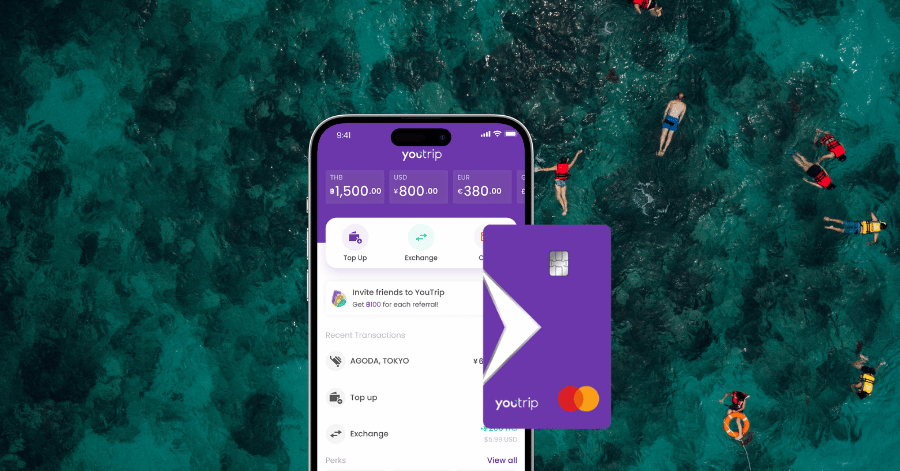
Bali runs on two payment modes: card where it’s accepted (hotels, beach clubs, nicer restaurants, Grab and Gojek), and cash for everything else (temple fees, warungs, scooter rental, markets and the islands).
For card spend, tap your YouTrip card anywhere Mastercard is accepted, and you’ll pay in rupiah at the Mastercard wholesale rate with 0% FX. Every tap auto-converts your Singapore dollars at wholesale, with no foreign transaction fee, which beats a credit card adding 3–3.5% on every overseas swipe. Here’s how YouTrip’s exchange rates work.
For cash, withdraw rupiah from an ATM once you land rather than changing money before you fly. Your first S$400 of overseas ATM withdrawals each calendar month is free with YouTrip, then a flat 2% (some Indonesian ATMs add their own on-screen fee, so check before you confirm, and decline the “convert to SGD” option if it pops up).
For deeper detail, see our best multi-currency cards in Singapore roundup and our explainer on how wholesale exchange rates work.
Bali FAQs
Five to seven days suits most first-timers. That covers south Bali, the central nature circuit (rice terraces, a waterfall, Ubud) and one Nusa island day-trip without rushing.
Three days works if you stick to the south, while a week or more lets you add a quieter region like Sidemen or Munduk.
Yes. A comfortable mid-range week runs about S$1,300 excluding flights (the ~1,000 USD often quoted in global budget guides): a nice hotel or villa, food, a scooter or driver, and a few tours, at roughly S$130 a day. Backpackers manage on far less, from about S$45 a day.
Don’t miss a Nusa Penida day-trip (Kelingking and Diamond beaches), a Mount Batur sunrise hike, Uluwatu Temple at sunset, the Tegalalang rice terraces, and at least one beach club. Together they cover Bali’s cliffs, culture, nature and lazy-day sides.
The dry season, April to October, is the best time to visit Bali, with April–May and September–October offering good weather and thinner crowds.
The wet season (November to March) has heavier rain but, oddly, peaks for crowds over Christmas and New Year, when you’ll need to book everything ahead.
February is usually the cheapest month, falling in the low (wet) season when demand and prices are lowest. Broadly, November to March brings room-rate drops of 20–40% and cheaper flights, with more rain as the trade-off.
Avoid the December to early-January spike, the priciest, most crowded stretch.
Yes. Foreign visitors pay a tourist levy of 150,000 IDR (~S$11) per person, paid once per visit. Pay it online before you fly via the official Love Bali app or portal (the genuine site ends in .go.id), and you’ll get a QR voucher to scan on arrival. Avoid lookalike sites that overcharge.
Yes, Nusa Penida is one of Bali’s best day trips for dramatic scenery like Kelingking and Diamond beaches. Fast boats from Sanur take about 30–45 minutes. Start early, pre-book the online retribution fee, and accept that the famous cliff descents are steep, so it’s fine to enjoy some spots from the top.
Yes. YouTrip works anywhere Mastercard is accepted in Bali, including hotels, beach clubs, restaurants and ride-hailing apps, charging in rupiah at the wholesale rate with 0% FX.
For cash-only spots, withdraw rupiah at an ATM, free on your first S$400 each month, then 2%.
Bali Never Goes Out of Style
Beat the crowds, give one island a full day, and let YouTrip handle the best IDR rates. Do that, and Bali lives up to every reel you’ve ever scrolled past.
Not a YouTrooper yet? Singapore’s go-to multi-currency wallet helps you save with great FX rates and zero fees. Skip the money changer and get a free YouTrip card + S$5 YouTrip credits with code <YTBLOG5>.
Then head over to our YouTrip Perks page for exclusive travel offers, and join our Telegram (@YouTripSG) and Community Group (@YouTripSquad) for tips, deals and event invites.


The post 39 Best Things To Do In Bali (2026): Islands & Temples appeared first on YouTrip Singapore.


You May Also Like

The Retiree Who Chose $65,000 Instead of $120,000 and Ended Up Richer

Have Fuel, Will Travel: Airline, Cruise Stocks Gain Momentum with Iran Deal

Japanese Tech Giant’s Ambitious Bitcoin Accumulation



