AI crypto presales are flooding the market. Every new launch promises “alpha,” “automation,” and “early access”, yet most leave investors stuck with hype and noAI crypto presales are flooding the market. Every new launch promises “alpha,” “automation,” and “early access”, yet most leave investors stuck with hype and no

Top New Crypto Presale: IPO Genie ($IPO) Edges DeepSnitch AI with Massive Welcome Bonus Edge

AI crypto presales are flooding the market. Every new launch promises “alpha,” “automation,” and “early access”, yet most leave investors stuck with hype and no clear edge. The real frustration? Knowing who actually benefits early and who just funds the roadmap.

Right now, two AI-driven top crypto presales are fighting for early capital: IPO Genie ($IPO) and DeepSnitch AI. Both look strong on the surface. Both talk about innovation. But they take very different paths to value.

So here’s the real question: which presale delivers a measurable early advantage instead of another whitepaper promise?

DeepSnitch delivers speed and actionable intelligence for active traders, while IPO Genie focuses on early access, structured incentives, and long-term alignment. The contrast becomes clear quickly: one optimizes decision-making, the other reshapes early ROI through a 20% welcome bonus that changes how early participation pays off.

What IPO Genie and DeepSnitch AI Are Actually Building

IPO Genie ($IPO) isn’t just another token. It’s designed as a deal-discovery and private-market-access platform. It uses advanced signals to help investors find and participate in pre-IPO and early investment opportunities that were once limited to big institutions. Holders get tiered access, staking options, and governance rights that tie token use to real platform value, not just price moves. This focus on actual investment access and structured utility sets it apart in the presale landscape.

DeepSnitch AI takes a different path. It builds market intelligence and web3 blockchain monitoring tools that track on-chain behavior like whale activity, sentiment shifts, and unusual transactions. Its core value lies in real-time insights for traders and analysts, rather than immediate investment access.

The key difference is simple: IPO Genie helps users make investment decisions right away, while DeepSnitch is a tool people adopt over time to analyze data and spot patterns. The real question for early buyers is which of the top crypto presales attracts token demand first: direct deal access or future tool usage?

The Welcome Bonus Advantage: How IPO Genie Rewrites Early ROI Math

IPO Genie ($IPO) doesn’t just sell tokens early; it changes the math for early buyers. Right now, the presale offers a 20% welcome bonus that is added instantly at purchase.

Here’s what that looks like in real terms.

$IPO is currently priced at $0.00011850. A $1,000 investment gets you around 8,438,818 tokens. Now apply the 20% welcome bonus: you will receive 1,687,764 extra tokens, bringing your total to almost 10,126,582 $IPO.

P.S. IPO Genie is giving 15% referral bonus to both the joiner and the inviter.

That means you can stack a 20% welcome bonus + 15% referral bonus together.

Click now, lock in the bonuses, and get ahead while others wait 

That bonus creates two big advantages. First, early holders start with a built-in upside buffer. Second, fewer buyers feel pressure to sell early because they already sit in profit territory.

Now compare that to DeepSnitch AI. It follows standard presale pricing. No bonus. No structural edge. Your upside depends entirely on price movement.

In early liquidity phases, bonuses matter. They reduce sales pressure, improve ROI thresholds, and reward early conviction. This isn’t hype: it’s a real, measurable advantage built into the entry.

Hype Signals vs Execution Proof: Which Team Is Closer to Delivery? 

When early investors decide where to put money, real progress beats empty slogans. IPO Genie ($IPO)  shows clear execution signals that go beyond just talk. Its presale structure has moved steadily through multiple phases with consistent participation and rising prices, not sudden spikes of hype.

That steady demand and structured rollout suggest the team is focused on real milestones rather than short-term hype. This long-term focus is something YouTuber Michael Wrubel also highlighted, noting that “the steady demand and structured rollout show this is about real milestones, not quick hype. With tiered access, staking, and governance built in, IPO Genie feels designed for long-term use, not just price action.”

In contrast, DeepSnitch AI ($DSNT) offers a broad suite of market-tracking and alerting tools. The scope is impressive, but the complexity of execution is higher. Building reliable tools, live signals, and trader-ready interfaces takes more time and user adoption, which usually slows delivery.

From a simple investor perspective, IPO Genie reduces risk with a clear path from presale to a working platform. DeepSnitch’s broader vision may delay the delivery of the real product.

Timing the AI Narrative: Which Presale Fits the 2026 Market Mood? 

The 2026 market looks sharper and more selective. Investors still want AI, but they want usable intelligence, not abstract promises that take years to show results. There’s growing fatigue around AI tokens that sell vision first and delivery later.

That’s where IPO Genie ($IPO) fits the current mood. Its model connects AI directly to deal discovery and access, creating a short feedback loop between platform usage and token demand. Early holders don’t wait endlessly for relevance; utility starts forming early. The 20% welcome bonus strengthens this timing advantage by giving buyers immediate upside, which matters most in early liquidity phases when positioning counts.

DeepSnitch AI, on the other hand, fits a longer arc. Its focus on on-chain monitoring and analytics aligns well with institutional and advanced trading use cases. That narrative plays out over time, not instantly.

The takeaway is simple: top crypto presale success usually depends on timing as much as on technology. In a market craving clarity and speed, models that reward early action tend to resonate first.

The Welcome Bonus Clock Ticks

The AI presale race is heating up fast. DeepSnitch AI has momentum, no doubt. Traders are watching it. Analysts are talking. But right now, IPO Genie ($IPO) is pulling attention for one simple reason: early buyers get more for the same money.

The 20% welcome bonus isn’t hype. It’s a window. Every token you buy today comes with extra upside built in, before listings, before liquidity, before the crowd arrives. That kind of edge rarely stays open for long.

Top crypto presales of 2026 reward timing, not hesitation. The bonus clock is ticking, and once it’s gone, late buyers enter at full cost. If you’ve been waiting for a clear early advantage, this is it.

Join the IPO Genie’s Presale Now

Website

Live Presale

Telegram

Twitter

Disclaimer: This content is provided for general informational purposes only and does not constitute legal, financial, or investment advice. Any references to products, services, or features are subject to change and applicable regulations.

Disclaimer: This content is for informational purposes only and not financial advice. Cryptocurrency investments are volatile and speculative. Always do your own research before investing. The statements, views and opinions expressed in this article are solely those of the content provider and do not necessarily represent those of Crypto Reporter. Crypto Reporter is not responsible for the trustworthiness, quality, accuracy of any materials in this article. This article is provided for educational purposes only. Crypto Reporter is not responsible, directly or indirectly, for any damage or loss caused or alleged to be caused by or in connection with the use of or reliance on any content, goods or services mentioned in this article. Do your research and invest at your own risk.

The post Top New Crypto Presale: IPO Genie ($IPO) Edges DeepSnitch AI with Massive Welcome Bonus Edge appeared first on Crypto Reporter.

Disclaimer: The articles reposted on this site are sourced from public platforms and are provided for informational purposes only. They do not necessarily reflect the views of MEXC. All rights remain with the original authors. If you believe any content infringes on third-party rights, please contact service@support.mexc.com for removal. MEXC makes no guarantees regarding the accuracy, completeness, or timeliness of the content and is not responsible for any actions taken based on the information provided. The content does not constitute financial, legal, or other professional advice, nor should it be considered a recommendation or endorsement by MEXC.

You May Also Like

Crucial: Australia’s Digital Asset Licensing Mandate Set to Transform Crypto Landscape
Crucial: Australia’s Digital Asset Licensing Mandate Set to Transform Crypto Landscape

BitcoinWorld Crucial: Australia’s Digital Asset Licensing Mandate Set to Transform Crypto Landscape Australia is taking a significant step towards a more regulated cryptocurrency environment. Recent proposals suggest that digital asset platforms operating in the country will soon face mandatory Australia’s Digital Asset Licensing requirements. This move signals a growing global trend towards establishing clear rules for the rapidly evolving digital finance sector. Why is Australia Embracing Mandatory Digital Asset Licensing? The Australian government’s draft regulation, as reported by Yahoo Finance, aims to bring much-needed clarity and protection to the digital asset space. The primary goal is to safeguard consumers and foster market integrity. Without proper oversight, the risks of fraud, scams, and market manipulation can be higher, eroding public trust in digital assets. This initiative seeks to level the playing field, ensuring that all platforms adhere to a baseline of operational excellence and accountability. It’s about creating a secure environment where innovation can still thrive, but not at the expense of user safety. Key Requirements for Digital Asset Platforms The proposed framework outlines several crucial obligations for platforms dealing with digital assets. These are designed to ensure transparency, security, and consumer recourse: Financial Services License: Platforms will need to obtain a specific financial services license, aligning them with traditional financial institutions. This ensures they meet stringent regulatory standards. Dispute Resolution System: A robust system for resolving customer complaints and disputes will be mandatory. This gives users a clear path to address issues, enhancing consumer protection. Minimum Standards for Custody: Platforms holding customer digital assets must meet specific standards for secure custody. This protects users’ funds from hacks, theft, and mismanagement. Payment Standards: Requirements for payment processes will be introduced, aiming to ensure efficient and secure transactions. This builds confidence in the operational reliability of these platforms. What are the Benefits of Robust Australia’s Digital Asset Licensing? While some in the crypto community might view regulation with skepticism, there are significant advantages to a well-structured regulatory framework. Firstly, it can dramatically boost investor confidence. Knowing that platforms are licensed and subject to oversight can encourage more mainstream adoption and institutional investment. Moreover, it helps in combating illicit activities. By requiring platforms to identify their clients and monitor transactions, the new rules can make it harder for bad actors to use digital assets for money laundering or terrorist financing. This ultimately strengthens the reputation of the entire digital asset industry. Navigating the Challenges of Digital Asset Licensing Of course, implementing such comprehensive regulations is not without its challenges. Smaller platforms and startups might face increased compliance costs, potentially hindering their ability to compete. There’s also the delicate balance of fostering innovation versus imposing overly restrictive rules. Regulators must work closely with the industry to ensure the framework is practical and forward-looking. Another challenge is the dynamic nature of digital assets themselves. The technology evolves rapidly, and regulations must be flexible enough to adapt without becoming outdated too quickly. The success of Australia’s Digital Asset Licensing will depend on its ability to strike this balance. What Does This Mean for You, the Crypto User? For individuals trading or holding digital assets in Australia, these proposed changes are generally positive. They promise a safer and more transparent environment. You can expect platforms to be more accountable, with clearer avenues for support and dispute resolution. This shift could lead to a more stable and trustworthy market, encouraging broader participation. It’s an exciting time as Australia moves to solidify its position in the global digital economy, demonstrating a commitment to responsible growth in the crypto space. The framework for Australia’s Digital Asset Licensing is a pivotal step. Conclusion: Australia’s proposal for mandatory digital asset licensing marks a pivotal moment for its crypto industry. By introducing clear regulatory standards, the nation aims to enhance consumer protection, foster market integrity, and build greater trust in digital assets. While challenges in implementation will exist, this proactive approach positions Australia as a leader in creating a secure and responsible environment for the future of finance. It’s a move that promises a more mature and reliable ecosystem for all participants. Frequently Asked Questions (FAQs) Q1: What is the main goal of Australia’s proposed digital asset licensing? A1: The primary goal is to enhance consumer protection, ensure market integrity, and prevent illicit activities within the digital asset sector by requiring platforms to meet specific regulatory standards. Q2: Which platforms will be affected by these new regulations? A2: The regulations will primarily affect digital asset platforms operating in Australia that facilitate the exchange, custody, or payment services involving cryptocurrencies and other digital assets. Q3: What are some key requirements for platforms under the new licensing? A3: Key requirements include obtaining a financial services license, establishing a robust dispute resolution system, and meeting minimum standards for the custody and payment processing of digital assets. Q4: How will these changes benefit crypto users in Australia? A4: Crypto users can expect a safer, more transparent, and trustworthy environment. Platforms will be more accountable, with clearer processes for dispute resolution and enhanced security for their digital assets. Q5: When are these new regulations expected to come into effect? A5: The proposal is currently in a draft stage. After public consultation and parliamentary processes, a final timeline for implementation will be announced. Users should stay informed via official government and financial news channels. Found this article insightful? Share it with your friends, colleagues, and anyone interested in the evolving world of cryptocurrency regulation! Your shares help us spread crucial information and foster a more informed digital asset community. To learn more about the latest crypto market trends, explore our article on key developments shaping Bitcoin institutional adoption. This post Crucial: Australia’s Digital Asset Licensing Mandate Set to Transform Crypto Landscape first appeared on BitcoinWorld.
Share
Coinstats2025/09/25 08:10
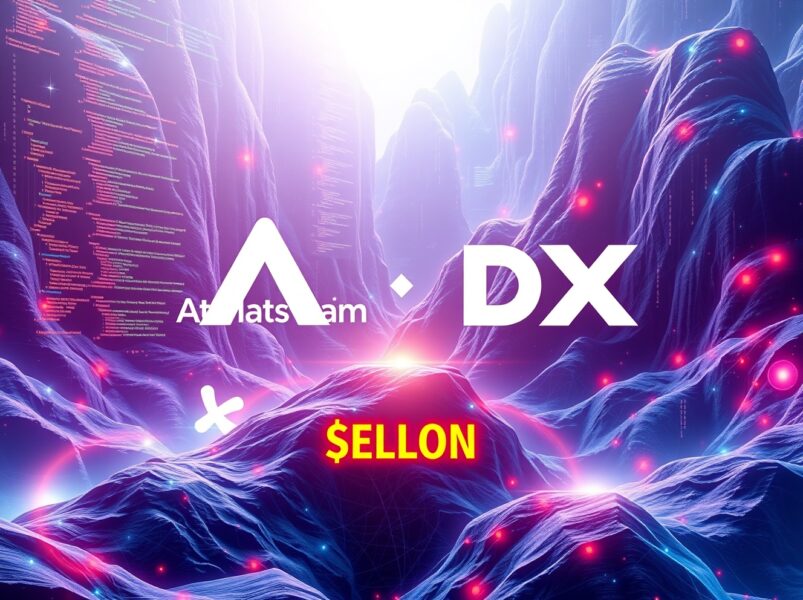
Atlassian’s Monumental DX Acquisition: Revolutionizing Developer Productivity for a Billion-Dollar Future

Atlassian’s Monumental DX Acquisition: Revolutionizing Developer Productivity for a Billion-Dollar Future

BitcoinWorld Atlassian’s Monumental DX Acquisition: Revolutionizing Developer Productivity for a Billion-Dollar Future In a move that sends ripples across the tech industry, impacting everything from foundational infrastructure to the cutting-edge innovations seen in blockchain and cryptocurrency development, productivity software giant Atlassian has made its largest acquisition to date. This isn’t just another corporate buyout; it’s a strategic investment in the very fabric of how software is built. The Atlassian acquisition of DX, a pioneering developer productivity platform, for a staggering $1 billion, signals a profound commitment to optimizing engineering workflows and understanding the true pulse of development teams. For those invested in the efficiency and scalability of digital ecosystems, this development underscores the growing importance of robust tooling at every layer. Unpacking the Monumental Atlassian Acquisition: A Billion-Dollar Bet on Developer Efficiency On a recent Thursday, Atlassian officially announced its agreement to acquire DX for $1 billion, a sum comprising both cash and restricted stock. This substantial investment highlights Atlassian’s belief in the critical role of developer insights in today’s fast-paced tech landscape. For years, Atlassian has been synonymous with collaboration and project management tools, powering teams worldwide with products like Jira, Confluence, and Trello. However, recognizing a growing need, the company has now decisively moved to integrate a dedicated developer productivity insight platform into its formidable product suite. This acquisition isn’t merely about expanding market share; it’s about deepening Atlassian’s value proposition by providing comprehensive visibility into the health and efficiency of engineering operations. The strategic rationale behind this billion-dollar move is multifaceted. Atlassian co-founder and CEO Mike Cannon-Brookes shared with Bitcoin World that after a three-year attempt to build an in-house developer productivity insight tool, his Sydney-based company realized the immense value of an external, existing solution. This candid admission speaks volumes about the complexity and specialized nature of developer productivity measurement. DX emerged as the natural choice, not least because an impressive 90% of DX’s existing customers were already leveraging Atlassian’s project management and collaboration tools. This pre-existing synergy promises a smoother integration and immediate value for a significant portion of the combined customer base. What is the DX Platform and Why is it a Game-Changer? At its core, DX is designed to empower enterprises by providing deep analytics into how productive their engineering teams truly are. More importantly, it helps identify and unblock bottlenecks that can significantly slow down development cycles. Launched five years ago by Abi Noda and Greyson Junggren, DX emerged from a fundamental challenge: the lack of accurate and non-intrusive metrics to understand developer friction. Abi Noda, in a 2022 interview with Bitcoin World, articulated his founding vision: to move beyond superficial metrics that often failed to capture the full picture of engineering challenges. His experience as a product manager at GitHub revealed that traditional measures often felt like surveillance rather than support, leading to skewed perceptions of productivity. DX was built on a different philosophy, focusing on qualitative and quantitative insights that truly reflect what hinders teams, without making developers feel scrutinized. Noda noted, “The assumptions we had about what we needed to help ship products faster were quite different than what the teams and developers were saying was getting in their way.” Since emerging from stealth in 2022, the DX platform has demonstrated remarkable growth, tripling its customer base every year. It now serves over 350 enterprise customers, including industry giants like ADP, Adyen, and GitHub. What makes DX’s success even more impressive is its lean operational model; the company achieved this rapid expansion while raising less than $5 million in venture funding. This efficiency underscores the inherent value and strong market demand for its solution, making it an exceptionally attractive target for Atlassian. Boosting Developer Productivity: Atlassian’s Strategic Vision The acquisition of DX is a clear signal of Atlassian’s strategic intent to not just manage tasks, but to optimize the entire software development lifecycle. By integrating DX’s capabilities, Atlassian aims to offer an end-to-end “flywheel” for engineering teams. This means providing tools that not only facilitate collaboration and project tracking but also offer actionable insights into where processes are breaking down and how they can be improved. Mike Cannon-Brookes elaborated on this synergy, stating, “DX has done an amazing job [of] understanding the qualitative and quantitative aspects of developer productivity and turning that into actions that can improve those companies and give them insights and comparisons to others in their industry, others at their size, etc.” This capability to benchmark and identify specific areas for improvement is invaluable for organizations striving for continuous enhancement. Abi Noda echoed this sentiment, telling Bitcoin World that the combined entities are “better together than apart.” He emphasized how Atlassian’s extensive suite of tools complements the data and information gathered by DX. “We are able to provide customers with that full flywheel to get the data and understand where we are unhealthy,” Noda explained. “They can plug in Atlassian’s tools and solutions to go address those bottlenecks. An end-to-end flywheel that is ultimately what customers want.” This integration promises to create a seamless experience, allowing teams to move from identifying an issue to implementing a solution within a unified ecosystem. The Intersection of Enterprise Software and Emerging Tech Trends This landmark acquisition also highlights a significant trend in the broader enterprise software landscape: a shift towards more intelligent, data-driven solutions that directly impact operational efficiency and competitive advantage. As companies continue to invest heavily in digital transformation, the ability to measure and optimize the output of their most valuable asset — their engineering talent — becomes paramount. DX’s impressive roster of over 350 enterprise customers, including some of the largest and most technologically advanced organizations, is a testament to the universal need for such a platform. These companies recognize that merely tracking tasks isn’t enough; they need to understand the underlying dynamics of their engineering teams to truly unlock their potential. The integration of DX into Atlassian’s ecosystem will likely set a new standard for what enterprise software can offer, pushing competitors to enhance their own productivity insights. Moreover, this move by Atlassian, a global leader in enterprise collaboration, underscores a broader investment thesis in foundational tooling. Just as robust blockchain infrastructure is critical for the future of decentralized finance, powerful and insightful developer tools are essential for the evolution of all software, including the complex applications underpinning Web3. The success of companies like DX, which scale without massive external funding, also resonates with the lean, efficient ethos often celebrated in the crypto space. Navigating the Era of AI Tools: Measuring Impact and ROI Perhaps one of the most compelling aspects of this acquisition, as highlighted by Atlassian’s CEO, is its timely relevance in the era of rapidly advancing AI tools. Mike Cannon-Brookes noted that the rise of AI has created a new imperative for companies to measure its usage and effectiveness. “You suddenly have these budgets that are going up. Is that a good thing? Is that not a good thing? Am I spending the money in the right ways? It’s really, really important and critical.” With AI-powered coding assistants and other generative AI solutions becoming increasingly prevalent in development workflows, organizations are grappling with how to quantify the return on investment (ROI) of these new technologies. DX’s platform can provide the necessary insights to understand if AI tools are genuinely boosting productivity, reducing bottlenecks, or simply adding to complexity. By offering clear data on how AI impacts developer efficiency, DX will help enterprises make smarter, data-driven decisions about their AI investments. This foresight positions Atlassian not just as a provider of developer tools, but as a strategic partner in navigating the complexities of modern software development, particularly as AI integrates more deeply into every facet of the engineering process. It’s about empowering organizations to leverage AI effectively, ensuring that these powerful new tools translate into tangible improvements in output and innovation. The Atlassian acquisition of DX represents a significant milestone for both companies and the broader tech industry. It’s a testament to the growing recognition that developer productivity is not just a buzzword, but a measurable and critical factor in an organization’s success. By combining DX’s powerful insights with Atlassian’s extensive suite of collaboration and project management tools, the merged entity is poised to offer an unparalleled, end-to-end solution for optimizing software development. This strategic move, valued at a billion dollars, underscores Atlassian’s commitment to innovation and its vision for a future where engineering teams are not only efficient but also deeply understood and supported, paving the way for a more productive and insightful era in enterprise software. To learn more about the latest AI market trends, explore our article on key developments shaping AI features. This post Atlassian’s Monumental DX Acquisition: Revolutionizing Developer Productivity for a Billion-Dollar Future first appeared on BitcoinWorld.
Share
Coinstats2025/09/18 21:40
OUSG (OUSG) - Complete Fundamental Analysis

OUSG (OUSG) - Complete Fundamental Analysis

OUSG (OUSG) Cryptocurrency Overview ## Core Technology and Blockchain Architecture OUSG is a tokenized short-term U.S. Treasury bills ETF managed by Ondo Finance

Share
Coinstats2026/02/01 09:01