

The Future of Casino Gaming on Blockchain
In the last few years, casino gaming has started to change faster than anyone expected. Players once lined up at smoky tables; now they tap shiny apps on their phones. Behind this new scene stands a rising star: blockchain. When mixed with the thrill of slots and cards, the result is the modern crypto casino, a place where code, not people, runs the game. Early adopters cheer the change because they want games that feel fair, fast, and borderless. Yet many still wonder what tomorrow will look like. Will chips turn into tokens? Will dealers be replaced by smart contracts? This article explores the future of casino gaming on blockchain, showing how trust, rewards, speed, and even regulation may shift in ways that make gambling both safer and more exciting for players around the world. From play-to-earn models to virtual reality tables, a new chapter is opening, and the cards are already on the digital felt.
Blockchain’s Greatest Contribution to Casino Gaming Is Trust-Building Within Its Code
Blockchain’s greatest contribution to casino gaming is trust-building within its code. Traditional online houses require players to trust that operators shuffle fairly and deliver as promised, but blockchain gives casino gamers the confidence that trust will always exist between each participant and operator. With a distributed ledger, each spin, shuffle, and payout is recorded publicly, so no one can change them behind closed doors – making cheating significantly harder and auditing much simpler. Furthermore, smart contracts make this possible because rules reside directly on the blockchain instead of sitting behind locked server rooms. When a player wins, the program releases their prize automatically without staff having any chance to delay or change it. Cryptographic proofs such as “provably fair” hashes allow curious players to independently verify each game on their screens. People no longer require a math degree; step-by-step guides demonstrate how to copy a seed number and verify its result. As the network is global, this transparent model works whether users live in Lagos, Lima or London. Trust no longer remains an unproven marketing claim – rather, it becomes an integral technical feature. When faith returns in fairness online betting becomes much safer.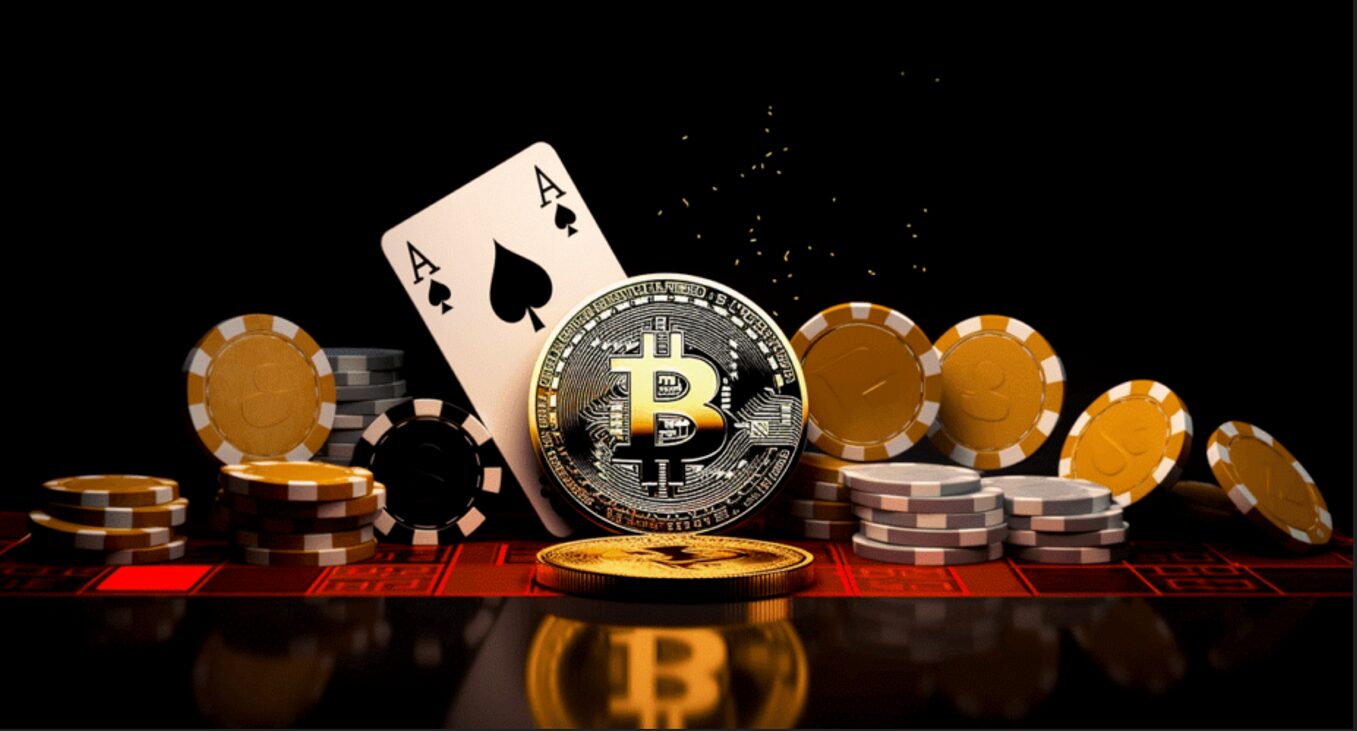
Play-to-Earn and Token Rewards
One of the most exciting developments associated with blockchain casinos is the rise of play-to-earn models. Under such systems, every hand or spin can deliver small tokens into a player’s wallet even if he or she loses the main bet. Houses set aside part of their revenue to create loyalty pools and convert an evening of entertainment into an income source. Tokens may offer voting rights over game settings, entry to special tournaments, or a share of future profits. Because rewards sit on blockchain, they can move freely between wallets allowing players to trade them for other coins or real-world cash. Some projects even allow gamblers to reinvest the tokens back into the platform in exchange for a share of its rake, turning each gambler into an individual mini-shareholder. This shift blurs the distinction between customer and owner, encouraging longer sessions and stronger community ties. Additionally, this approach opens doors to creative promotions such as limited-edition NFT jackpots that celebrate major events or famous card hands. As these ideas spread further outward, whole ecosystems of tip bots, side games, and community jackpots spring up around core tables in an effort to turn your casino into a vibrant social hub.
Speed, Costs and Global Access
Traditional online casinos often rely on bank wires or card networks with hidden fees and long wait times; blockchain can remove many of these roadblocks quickly; when sending crypto to fund an account it could settle within seconds or minutes instead of taking days to clear out of escrow. Smart contracts can even use stablecoin deposits as deposits, protecting their balance from price swings while still remaining on-chain. Lower fees mean smaller minimum bets and faster micro-payouts which attract casual players who previously felt priced out; as well as global access. Teenagers living in rural Vietnam with smartphones and cheap data plans can join the same blackjack table as retirees from Spain without fear of the chips freezing mid-hand or any central bank intervening to freeze them mid-game; of course, casinos must still abide by local regulations while the tech itself doesn’t care about borders. As a result, they create an international lobby where chat windows incorporate various languages and cultures, creating an energetic experience unattainable in traditional venues. Furthermore, faster rails enable operators to stream live dealer games in high definition to give a player the impression that they are at their table even while traveling across the country on public transit.
Blockchain Casino Challenges and Next Steps
Though blockchain casinos appear promising, they still face hurdles that may hamper their growth. Scalability is one such barrier; popular networks often clog during peak usage periods and turn instant bets into long waits and an increase in gas fees as a result. Layer-two solutions and faster chains such as Solana or Polygon aim to solve this issue, but their race remains ongoing. Regulation presents another complication; governments worry about money laundering and underage gambling so they create complex regulations which vary from one country to the next. Licensed operators are exploring “on-chain KYC,” in which users keep their identity tokens hidden in private wallets and disclose them only to approved auditors. User experience needs improvement as wallet extensions, seed phrases, and gas settings might disorient those more used to simple email logins. Designers have developed one-click sign-up forms that obscure crypto-jargon behind familiar buttons. Looking ahead, experts forecast an amalgamation between virtual reality and chain casinos, where players walk through three-dimensional halls while smart contracts take care of pots and payouts; once these puzzles have been solved, casinos could take on less the form of websites than more like massive multiplayer worlds powered by self-running code.
The post The Future of Casino Gaming on Blockchain appeared first on CryptoNinjas.
You May Also Like
The Role of Blockchain in Building Safer Web3 Gaming Ecosystems
- Immutable Ownership of Assets Blockchain records can be manipulated by anyone. If a player owns a sword, skin, or plot of land as an NFT, it is verifiably in their ownership, and it cannot be altered or deleted by the developer or even hacked. This has created a proven track record of ownership, providing control back to the players, unlike any centralised gaming platform where assets can be revoked.
- Decentralized Infrastructure Blockchain networks also have a distributed architecture where game data is stored in a worldwide network of nodes, making them much less susceptible to centralised points of failure and attacks. This decentralised approach makes it exponentially more difficult to hijack systems or even shut off the game’s economy.
- Secure Transactions with Cryptography Whether a player buys an NFT or trades their in-game tokens for other items or tokens, the transactions are enforced by cryptographic algorithms, ensuring secure, verifiable, and irreversible transactions and eliminating the risks of double-spending or fraudulent trades.
- Smart Contract Automation Smart contracts automate the enforcement of game rules and players’ economic exchanges for the developer, eliminating the need for intermediaries or middlemen, and trust for the developer. For example, if a player completes a quest that promises a reward, the smart contract will execute and distribute what was promised.
- Anti-Cheating and Fair Gameplay The naturally transparent nature of blockchain makes it extremely simple for anyone to examine a specific instance of gameplay and verify the economic outcomes from that play. Furthermore, multi-player games that enforce smart contracts on things like loot sharing or win sharing can automate and measure trustlessness and avoid cheating, manipulations, and fraud by developers.
- Cross-Platform Security Many Web3 games feature asset interoperability across platforms. This interoperability is made viable by blockchain, which guarantees ownership is maintained whenever assets transition from one game or marketplace to another, thereby offering protection to players who rely on transfers for security against fraud. Key Security Dangers in Web3 Gaming Although blockchain provides sound first principles of security, the Web3 gaming ecosystem is susceptible to threats. Some of the most serious threats include:

Will XRP Price Increase In September 2025?
