

Trump Says Iran Peace Deal Could Be Signed Sunday
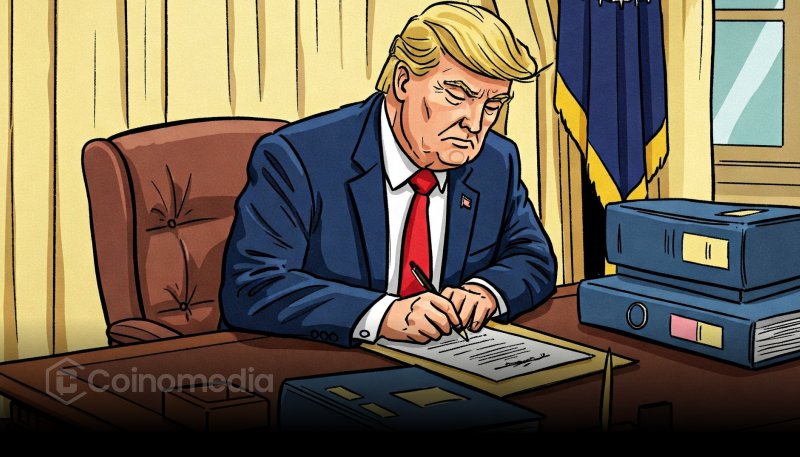
- President Trump says a peace deal with Iran is scheduled to be signed Sunday.
- The agreement would reportedly reopen the Strait of Hormuz to international shipping.
- Iranian officials have expressed caution, indicating some details may still need final approval.
Iran Peace Deal Announcement Sparks Global Attention
An Iran Peace Deal could be signed as early as Sunday, according to comments made by President Donald Trump. Trump stated that the agreement is scheduled for signing and that the Strait of Hormuz would be “open to all” immediately afterward. The announcement has generated significant attention due to the strategic importance of the waterway and its role in global energy markets.
The Strait of Hormuz is one of the world’s most critical shipping routes, serving as a key transit point for oil and natural gas exports. Any move toward reopening the passage could have major implications for global trade, energy prices, and regional stability.
What the Iran Peace Deal Could Include
Reports indicate the proposed framework may involve reopening the Strait of Hormuz, extending ceasefire arrangements, and launching further negotiations on Iran’s nuclear program. Discussions have also reportedly included sanctions relief and broader diplomatic engagement between the two countries.
However, uncertainty remains. While U.S. officials and mediators have expressed optimism, Iranian representatives have suggested that some aspects of the agreement still require additional negotiation and approval.
Markets Watch for Confirmation
Financial markets are closely monitoring developments surrounding the Iran Peace Deal. A confirmed agreement and reopening of the Strait of Hormuz could reduce geopolitical risk, support global trade flows, and ease concerns about disruptions to energy supplies.
Despite the optimism, investors are waiting for official confirmation and signed documentation before treating the agreement as finalized. For now, the announcement represents a potentially significant diplomatic breakthrough, but key details and implementation steps remain under scrutiny.
Read Also:
- Trump Says Iran Peace Deal Could Be Signed Sunday
- The Clock Winds Down on BlockDAG’s $0.00000044 Entry and $0.05 Buyback While Hyperliquid Swings and Ethereum Squeezes
- MemeCore & TAO Stagnate! While BlockDAG’s $0.05 Buyback Loop Is Crushing the Competition!
- Bitmine Immersion Technologies Announces Initial Dividends and NYSE Listing for Series A Preferred Stock
- BlockDAG Locks In a $0.05 Buyback Before the Legacy Sale Closes, Pepe and Zcash Still Searching for Direction


You May Also Like

Trump's own pollster hits him with devastating prediction about key voting bloc: 'We lose'

Brazil targets crypto fraud with prison terms up to 10 years

Solana Price Prediction: SOL Slides Below $80 As $270M Hack Triggers Selloff


Trending News
More
