

SEC Approves $15B Hashdex Nasdaq Crypto ETF: XRP, Solana, Stellar Join Bitcoin and Ethereum
Key Takeaways:
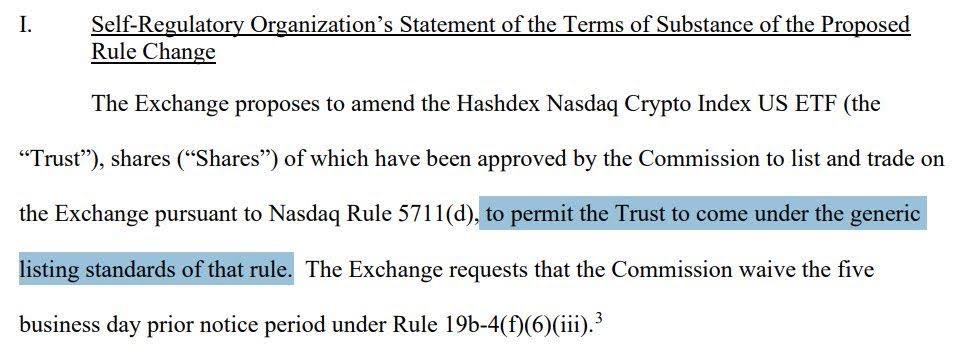
- The U.S. SEC has approved the Hashdex Nasdaq Crypto Index US ETF under new generic listing rules.
- The ETF basket now includes XRP, Solana (SOL), and Stellar (XLM), alongside Bitcoin (BTC) and Ethereum (ETH).
- Faster approvals under new SEC rules could trigger a surge of crypto ETF launches in late 2025.
The U.S. Securities and Exchange Commission (SEC) has cleared the Hashdex Nasdaq Crypto Index US ETF, a milestone that expands regulated exposure beyond Bitcoin and Ethereum to include altcoins XRP, Solana, and Stellar. The decision follows the SEC’s adoption of streamlined listing standards designed to accelerate approvals.
Read More: SEC Chairman Declares Tokenization as Innovation Amid Crypto Rule Reevaluation

What the SEC Approval Means
The Hashdex Nasdaq Crypto Index US ETF (ticker: NCIQ) now stands as one of the first U.S.-listed crypto ETFs to hold a diversified basket of five major digital assets: BTC, ETH, XRP, SOL, and XLM.
Previously, crypto ETFs faced long, case-by-case reviews that stretched for months or years. The new structure of the SEC reduces that period to approximately 75 days provided that funds satisfy some of the requirements like active regulated future markets or substantial existing ETF exposure.
To institutional investors: pension funds, banks and endowments – this action would allow regulated, multi-asset crypto investment vehicles. Legitimacy that is granted by SEC approval may also increase liquidity, trading volumes and depth of the market.

Why XRP, Solana, and Stellar Were Added
Regulatory and Market Readiness
According to the new regulations only coins with certain thresholds qualify. XRP, Solana and Stellar are suitable since:
- XRP and SOL have established futures trading activity.
- XLM already plays a role in regulated products and has significant trading volume.
- All three have global market capitalization large enough to justify inclusion.
This is the first XRP to be listed in an official regulated ETF in the United States, and this is significant considering its years of suffering in legal tussles with regulators. In the case of Solana, which is still reeling off the losses associated with the downfall of FTX, the listing is an indication of restored trust in its ecosystem. Never given the attention it deserves due to its small size, Stellar receives a rare dose of institutional attention.
Read More: SEC Greenlights Generic Listing Standards, Unlocking Wave of Spot Crypto ETFs in U.S.
How the ETF Approval Reshapes Crypto
A Signal of Mainstreaming
For more than a decade, U.S. crypto ETFs were confined to Bitcoin, and, more recently, Ethereum. The inclusion of XRP, SOL, and XLM is an apparent recognition that the digital asset market is not limited to the two giants.
The conclusion is also metaphorical. It demonstrates that SEC was ready to change years of stagnation with its reserved approach, as pressure on it increased in Congress, among institutional investors, and with the global market. Europe and Canada already host multi-coin ETFs; the U.S. is finally catching up.
Anticipated Wave of New ETFs
Industry observers expect a surge of applications. Canary Capital Group noted that “a dozen filings” are already in motion Companies that will have a tendency to expedite new products are Bitwise, VanEck and Grayscale. Analysts predict a group of ETFs to launch in the Q4 2025, and this would pose a threat to market shares.
Risks and Limitations
In spite of this hope, however, there are a number of caveats:
- Price Volatility: ETF approval doesn’t eliminate swings. XRP and SOL, for instance, have seen double-digit intraday moves.
- Regulatory Uncertainty: The SEC can still revise or revoke standards. Future political shifts could tighten rules again.
- Selective Inclusion: Not all tokens will qualify. Smaller or less liquid assets may remain locked out of regulated funds.
- Market Saturation: A flood of new ETFs could dilute investor interest, especially for coins lacking strong fundamentals.
Investors should note: inclusion in an ETF doesn’t guarantee price appreciation. Instead, it signals recognition and potential for improved market infrastructure.
The post SEC Approves $15B Hashdex Nasdaq Crypto ETF: XRP, Solana, Stellar Join Bitcoin and Ethereum appeared first on CryptoNinjas.
You May Also Like

Trump’s Crypto Gains Risk Backlash Post-Presidency, Ethereum Veteran Advises Urgency

China Blocks Nvidia’s RTX Pro 6000D as Local Chips Rise
