Egypt to launch dedicated SIM card for minors to regulate social media access
Egypt has revealed plans to launch a new SIM card for children within the next 60 days. This is according to the National Telecommunications Regulatory Authority (NTRA).
Engineer Mohamed Shamroukh, head of NTRA, stressed that the initiative is part of the efforts to regulate children’s usage of social media. The initiative, once implemented, will allow parents to monitor their children’s use of technology and online platforms.
According to him, parental supervision of children’s social media or online usage is significant, whether through the use of SIM cards or home internet.

Mohamed added that technical testing of the initiative is ongoing in partnership with experts and telcos, ahead of its nationwide launch.
He said technical preparations are currently being finalised, with a full commercial rollout across all networks expected in the next two quarters.
Also Read: Ola Bazan spent 26 years building Egypt’s Telecoms. Now she wants all of Africa.
Egypt’s move to regulate social media for minors
Weeks ago, Egypt initiated the process of banning the use of social media platforms by minors, describing it as an unsafe exposure affecting children in the country. As part of this, lawmakers are also weighing a new law to regulate how children access digital games.
Egypt wants to protect young ones and take them out of a digital environment which is polluted with abuse, receiving less control from parents and exposure of children to online attacks.
The committee in charge of the draft received the backing of President Abdel-Fattah El-Sissi, who had urged the consideration of legislation restricting young teens’ use of social media platforms until they reach an age when they can handle it properly.
The head of state noted that minors should be prevented from accessing social media until they can navigate the risks of “distorted reality” posed by AI and digital media.
However, the government is taking time to roll out a regulation to avoid implementation hurdles.
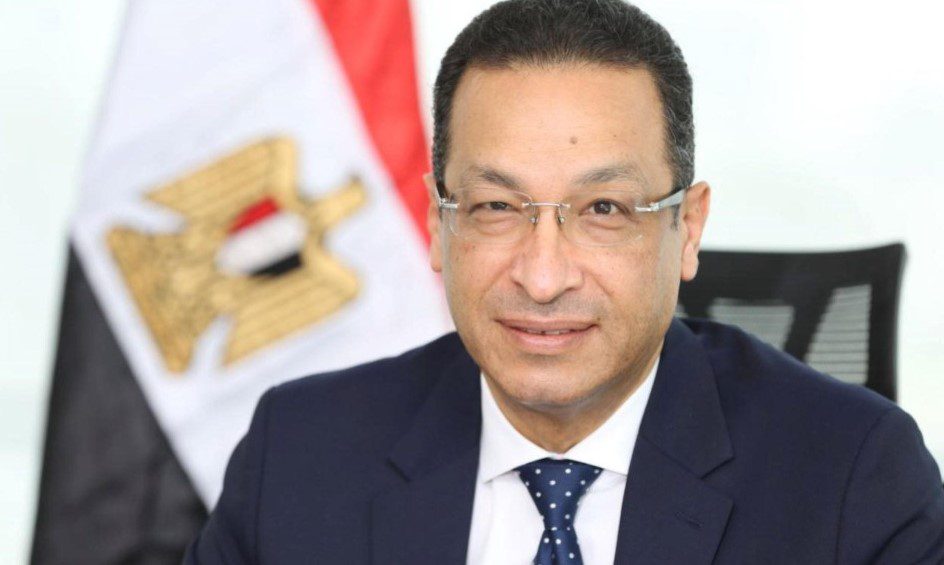 Raafat Hindy
During a session, the Parliamentary Committee on Communications and Information Technology, Minister Raafat Hindy explained that while the social media draft law draws on international models, including higher minimum age requirements and platform fines, this will be done with careful examination.”
“The goal is to develop a balanced, practical framework that protects children without depriving them of the benefits of the digital space,” he said.
The committee also stressed the need for platforms to verify user ages while strictly safeguarding data privacy.


You May Also Like

FLock.io and BitValue Capital Launch $200M Africa Fund II to Pioneer Decentralized AI Infrastructure

FDIC, OCC, and NCUA Propose New AML/CFT Rule Updates for Banks and Credit Unions