The post US-Israel strikes hit Tehran-Karaj bridge, ceasefire odds drop appeared on BitcoinEthereumNews.com. The US-Israel strikes on the Tehran-Karaj bridge signalThe post US-Israel strikes hit Tehran-Karaj bridge, ceasefire odds drop appeared on BitcoinEthereumNews.com. The US-Israel strikes on the Tehran-Karaj bridge signal

US-Israel strikes hit Tehran-Karaj bridge, ceasefire odds drop

For feedback or concerns regarding this content, please contact us at crypto.news@mexc.com

The US-Israel strikes on the Tehran-Karaj bridge signal a military escalation. Ceasefire by April 7 is now at 8% YES, down from 10% yesterday and 26% a week ago.

This bridge strike disrupts civilian logistics and mobility within Iran’s capital region. The April 15 ceasefire market fell to 18% YES, a 2-point drop since yesterday. The April 30 market rose to 38% YES from 36%, suggesting traders expect a potential catalyst before month’s end.

The term structure shows skepticism of an early resolution, with a 20-point jump between April 15 and April 30. This suggests traders anticipate significant developments in mid-April. The May 31 odds are more optimistic at 56% YES, indicating hope for longer-term diplomatic efforts.

Trading volume reached $1,365,780 in the last 24 hours. The order book depth varies, with $15,138 needed to move the April 7 market by 5 points, allowing for significant price swings. The largest move was a 4-point spike in the April 30 market, likely driven by speculation around potential diplomatic developments.

For traders, the bearish sentiment on a near-term ceasefire might present a contrarian opportunity. At 8¢, a YES share on April 7 pays $1 if resolved, offering a 12.5x return. However, betting on an imminent ceasefire requires belief in rapid diplomatic de-escalation, which current signals don’t support.

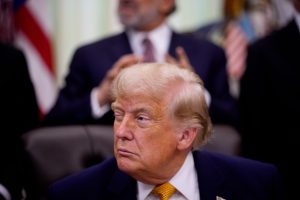
Watch for moves by intermediaries like Oman or Qatar, as well as statements from key US figures like Trump or CENTCOM. The next few days will be critical as the April 7 deadline approaches.

Markets Impacted

Get prediction market intelligence as a structured API feed. Early access waitlist.

Source: https://cryptobriefing.com/us-israel-strikes-hit-tehran-karaj-bridge-ceasefire-odds-drop/


Market Opportunity
Movement Logo
Movement Price(MOVE)
$0.01817
$0.01817$0.01817
+1.50%
USD
Movement (MOVE) Live Price Chart
Disclaimer: The articles reposted on this site are sourced from public platforms and are provided for informational purposes only. They do not necessarily reflect the views of MEXC. All rights remain with the original authors. If you believe any content infringes on third-party rights, please contact crypto.news@mexc.com for removal. MEXC makes no guarantees regarding the accuracy, completeness, or timeliness of the content and is not responsible for any actions taken based on the information provided. The content does not constitute financial, legal, or other professional advice, nor should it be considered a recommendation or endorsement by MEXC.

You May Also Like

Dovish patience with geopolitical risks – TD Securities

Dovish patience with geopolitical risks – TD Securities

The post Dovish patience with geopolitical risks – TD Securities appeared on BitcoinEthereumNews.com. TD Securities analysts characterize the Bank of Canada’s (
Share
BitcoinEthereumNews2026/04/02 21:22
Cashing In On University Patents Means Giving Up On Our Innovation Future

Cashing In On University Patents Means Giving Up On Our Innovation Future

The post Cashing In On University Patents Means Giving Up On Our Innovation Future appeared on BitcoinEthereumNews.com. “It’s a raid on American innovation that would deliver pennies to the Treasury while kneecapping the very engine of our economic and medical progress,” writes Pipes. Getty Images Washington is addicted to taxing success. Now, Commerce Secretary Howard Lutnick is floating a plan to skim half the patent earnings from inventions developed at universities with federal funding. It’s being sold as a way to shore up programs like Social Security. In reality, it’s a raid on American innovation that would deliver pennies to the Treasury while kneecapping the very engine of our economic and medical progress. Yes, taxpayer dollars support early-stage research. But the real payoff comes later—in the jobs created, cures discovered, and industries launched when universities and private industry turn those discoveries into real products. By comparison, the sums at stake in patent licensing are trivial. Universities collectively earn only about $3.6 billion annually in patent income—less than the federal government spends on Social Security in a single day. Even confiscating half would barely register against a $6 trillion federal budget. And yet the damage from such a policy would be anything but trivial. The true return on taxpayer investment isn’t in licensing checks sent to Washington, but in the downstream economic activity that federally supported research unleashes. Thanks to the bipartisan Bayh-Dole Act of 1980, universities and private industry have powerful incentives to translate early-stage discoveries into real-world products. Before Bayh-Dole, the government hoarded patents from federally funded research, and fewer than 5% were ever licensed. Once universities could own and license their own inventions, innovation exploded. The result has been one of the best returns on investment in government history. Since 1996, university research has added nearly $2 trillion to U.S. industrial output, supported 6.5 million jobs, and launched more than 19,000 startups. Those companies pay…
Share
BitcoinEthereumNews2025/09/18 03:26
Unpacking The ‘Extreme Fear’ Gripping Digital Asset Markets

Unpacking The ‘Extreme Fear’ Gripping Digital Asset Markets

The post Unpacking The ‘Extreme Fear’ Gripping Digital Asset Markets appeared on BitcoinEthereumNews.com. Crypto Fear & Greed Index Plummets To 9: Unpacking The
Share
BitcoinEthereumNews2026/04/03 09:13

Starter Gold Rush: Win $2,500!

Starter Gold Rush: Win $2,500!Starter Gold Rush: Win $2,500!

Start your first trade & capture every Alpha move