

US CPI Falls to 3.5%, but Energy-Driven Cooling Does Not Fully Resolve Inflation Risk

News Brief
June CPI Delivered Broad Relief, but Energy Drove the Headline Decline
| CPI Component | June Monthly Change | 12-Month Change | Market Signal |
| Headline CPI | -0.40% | 3.50% | Strong headline cooling |
| Core CPI | 0.00% | 2.60% | Underlying inflation moderated |
| Energy | -5.70% | 15.70% | Main driver of the monthly decline |
| Gasoline | -9.70% | 26.70% | Significant but volatile relief |
| Food | 0.20% | 3.00% | Household cost pressure remains |
| Shelter | 0.10% | 3.30% | Sticky inflation is easing gradually |
| Services (ex-energy) | 0.00% | 3.20% | Service inflation stopped accelerating |
CPI Component | June Monthly Change | 12-Month Change | Market Signal |
|---|---|---|---|
Headline CPI | -0.4% | +3.5% | Strong headline cooling |
Core CPI | 0.0% | +2.6% | Underlying inflation moderated |
Energy | -5.7% | +15.7% | Main driver of the monthly decline |
Gasoline | -9.7% | +26.7% | Significant but volatile relief |
Food | +0.2% | +3.0% | Household cost pressure remains |
Shelter | +0.1% | +3.3% | Sticky inflation is easing gradually |
Services (ex-energy) | 0.0% | +3.2% | Service inflation stopped accelerating |
Markets Are Repricing the Rate Path, Not Declaring Inflation Defeated
| Market Area | Potential CPI Transmission | Main Qualification |
| Technology stocks | Lower yields can support valuation multiples | Benefits weaken if energy inflation rebounds |
| Banks | Lower inflation may improve credit conditions | Falling rates can pressure net interest margins |
| Treasury bonds | Softer CPI supports lower yield expectations | One report may not change the full Fed path |
| U.S. dollar | Lower relative rate expectations can weaken the dollar | Geopolitical and growth risks still matter |
| Gold and Bitcoin | Lower real yields and a softer dollar may help | Liquidity expectations must confirm the move |
Market Area | Potential CPI Transmission | Main Qualification |
|---|---|---|
Technology stocks | Lower yields can support valuation multiples | Benefits weaken if energy inflation rebounds |
Banks | Lower inflation may improve credit conditions | Falling rates can pressure net interest margins |
Treasury bonds | Softer CPI supports lower yield expectations | One report may not change the full Fed path |
U.S. dollar | Lower relative rate expectations can weaken the dollar | Geopolitical and growth risks still matter |
Gold and Bitcoin | Lower real yields and a softer dollar may help | Liquidity expectations must confirm the move |
The Report Reduces Inflation Pressure, but Raises the Quality Bar for Future Data
- Headline prices recorded their largest monthly decline since April 2020.
- Core CPI was unchanged during the month.
- Shelter inflation slowed to its smallest monthly increase since January 2021.
- Services excluding energy were flat.
- Core inflation declined to 2.6% year over year.
What Investors Should Verify Next
- Shelter Inflation: Investors should watch whether shelter inflation remains near June’s 0.1% monthly pace. Shelter carries a large weight in CPI and has historically adjusted more slowly than market-based rent indicators.
- Core Services: Services excluding energy were unchanged in June, but a renewed acceleration would weaken the argument that underlying inflation is returning to a stable path.
- PCE Price Index: The Personal Consumption Expenditures (PCE) Price Index should confirm the direction of CPI. The Federal Reserve formally targets inflation using the PCE measure, which has different category weights and coverage. Traders can monitor these ongoing updates via the U.S. Bureau of Economic Analysis — PCE Price Index.
- Treasury Yields: Yields should be monitored for persistence. A brief fall indicates an immediate data reaction; a sustained decline would signal a more meaningful change in the expected rate path.
- Energy Prices: Energy remains a major risk to the next inflation reading. Gasoline fell sharply in June but was still 26.7% higher year over year. If energy costs rebound, headline inflation could rise again even while core inflation continues to moderate.
Conclusion
Description:Crypto Pulse is powered by AI and public sources to bring you the hottest token trends instantly. For expert insights and in-depth analysis, visit MEXC Learn.
The articles shared on this page are sourced from public platforms and are provided for reference only. They do not represent the position or views of MEXC. All rights belong to James Mitchell. If you believe any content infringes upon the rights of a third party, please contact service@support.mexc.com for prompt removal. MEXC does not guarantee the accuracy, completeness, or timeliness of any content and is not responsible for any actions taken based on the information provided. The content does not constitute financial, legal, or other professional advice, nor should it be interpreted as a recommendation or endorsement by MEXC. For expert insights and in-depth analysis, visit MEXC Learn.
Learn More About Notcoin
View More
Uniswap (UNI) Price Prediction July 2026: Can UNI Really 31X to Hit Wall Street's $100 Call?

Bitcoin Cash Price Prediction July 2026: Can BCH Keep Climbing After a 62% Yearly Slide?

How to Build a U.S. Stock Portfolio: Growth vs Value, ETFs, Diversification, and Rebalancing
Latest Updates on Notcoin
View More
JPMorgan: Private Blockchains Pose Greater Risk to Bitcoin Than Strategy’s BTC Sales
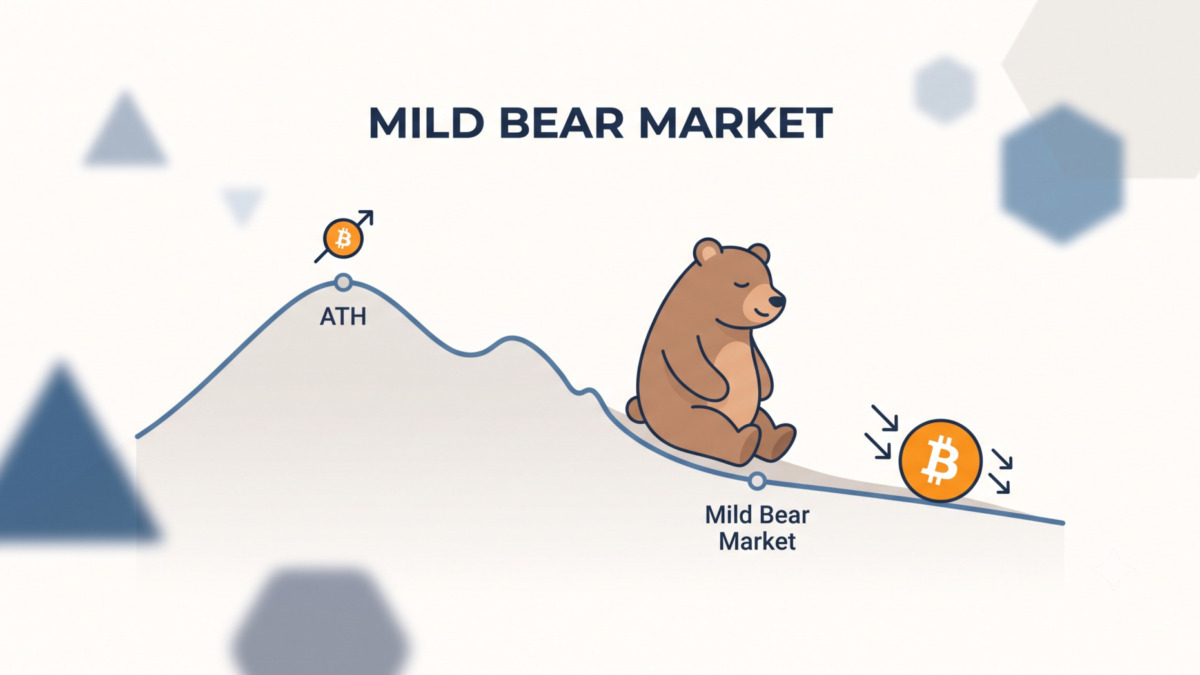
Bitcoin’s “Mildest” Bear Market Yet: Analysts Split on Timing as Rebound Signals Recovery, Not Reversal

Not a loophole: Singapore AI export controls let China tap US AI legally
HOT
Currently trending cryptocurrencies that are gaining significant market attention
Crypto Prices
The cryptocurrencies with the highest trading volume
Newly Added
Recently listed cryptocurrencies that are available for trading