

SpaceX Stock Falls Below Its $135 IPO Price: Is the Post-Listing Honeymoon Over?

- SPCX trades near $131, down over 30% from its June 16 all-time high of $225.64
- Shares closed below the $135 IPO price for the first time since the June 12 debut, a symbolic and technical breach
- Short interest has climbed to roughly 181 million shares (28% of float), with shorts sitting on an estimated $8.7 billion in mark-to-market gains
- A failed Starship V3 test flight and a September 2 lock-up expiration are compounding the technical damage
- A close back above $135 would neutralize the breakdown; failure to hold current levels exposes the $100 psychological level next
SPCX Key Technical Data
Metric | Value |
Current Price | $131.11 |
IPO Price (Key Support) | $135.00 |
All-Time High (Jun 16) | $225.64 |
Decline From High | -30%+ |
Debut Opening Price | $150.00 |
Short Interest | ~181M shares (~28% of float) |
Estimated Short Profit | $8.7 billion |
Analyst Avg. Price Target | $244.50 |
Analyst Rating | Buy (27 buy, 1 sell) |
Next Catalyst | Lock-up expiration, Sept 2 |
The Mechanics: Why $135 Matters More Than the Number Suggests
Market Impact: Shorts Are Winning, For Now
Competing Interpretations: Broken IPO or Buying Opportunity
Bullish Drivers | Bearish Concerns |
Analyst average target of $244.50 implies major upside | Price has broken every support level defended since listing |
ARK Invest funds have been buying the dip | Short interest near 28% of float, shorts winning |
Long-term Starlink and Starship narrative unchanged | Starship V3 test failure adds execution risk |
27 of 28 analysts rate the stock a buy | Lock-up expiration September 2 adds a fresh supply overhang |
Extreme post-IPO drawdowns often precede stabilization | No clear volume capitulation yet, still trending down |
Risk Implications
Conclusion
Description:Crypto Pulse is powered by AI and public sources to bring you the hottest token trends instantly. For expert insights and in-depth analysis, visit MEXC Learn.
The articles shared on this page are sourced from public platforms and are provided for reference only. They do not represent the position or views of MEXC. All rights belong to MEXC. If you believe any content infringes upon the rights of a third party, please contact service@support.mexc.com for prompt removal. MEXC does not guarantee the accuracy, completeness, or timeliness of any content and is not responsible for any actions taken based on the information provided. The content does not constitute financial, legal, or other professional advice, nor should it be interpreted as a recommendation or endorsement by MEXC. For expert insights and in-depth analysis, visit MEXC Learn.
Learn More About 4
View More
Gold Price Prediction 2026-2027: Can XAU Reclaim $5,000 After Falling Near $4,000?

How Does SpaceX Make Money? Is It Profitable? Only One of Its Three Businesses Actually Earns a Profit
Crypto Smart Asset Flows to MEXC: What 24-Hour and 7-Day Net Inflows Reveal
Latest Updates on 4
View More
$1.4B Bitcoin Options Expire Today: 23,400 Contracts in Focus

Gold Holds Steady Above $4,100 as Weaker Dollar Offsets Fed Hawkishness and Iran Tensions
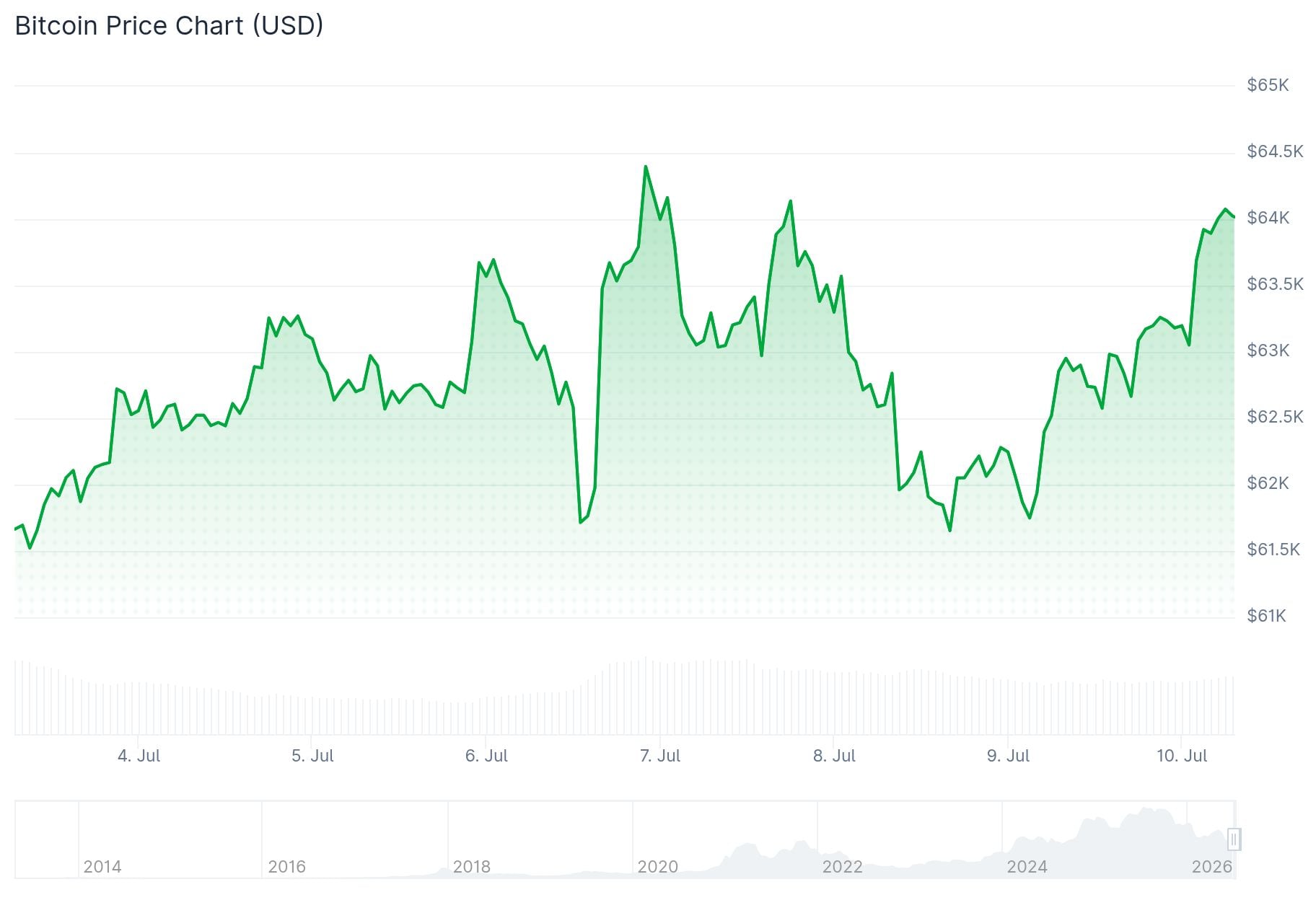
Daily Market Update: Nasdaq Gains 1.3% and Bitcoin Recovers as AI Chip Demand Grows


HOT
Currently trending cryptocurrencies that are gaining significant market attention
Crypto Prices
The cryptocurrencies with the highest trading volume
Newly Added
Recently listed cryptocurrencies that are available for trading